


- Mon - Fri 10:00 - 19:00
- Hacıhalil, Hükümet Cd. No : 80 Gebze/Kocaeli
- info@urgendis.com


Oral and maxillofacial surgery is a dental specialty that focuses not only on dental issues but also on diseases and disorders related to the jawbones, oral structures, and surrounding tissues. The primary goal is to restore functional balance while preserving both the health and aesthetic integrity of the face.
Many people seek jaw surgery for various reasons, including impacted teeth, jaw joint disorders, cysts and tumors, congenital or acquired aesthetic disorders, and trauma-related deformities.
This specialty is broad and covers more than just impacted tooth extraction. Common treatments and procedures include:

Wisdom teeth typically erupt in young adulthood, but they may remain partially or fully impacted due to limited jaw space. Impacted wisdom teeth can cause:
In such cases, surgical removal is necessary. These procedures are generally short and performed under local anesthesia.
For patients with missing teeth, implants provide a permanent and functional solution. Oral and maxillofacial surgeons prepare the implant site and secure titanium implants to the jawbone. In cases where bone volume is insufficient, bone grafting may be performed to strengthen the area and ensure implant stability.
Jaw fractures are not only painful but can also cause significant problems with chewing, speech, and facial aesthetics. Surgical intervention stabilizes the broken bones in their correct position, allowing the patient to regain normal function and reduce the risk of long-term complications.
Malposition of the upper or lower jaw, such as an overbite or underbite, can lead to both aesthetic and functional issues. These conditions often cannot be corrected with orthodontic treatment alone. Orthognathic surgery repositions the jaws to restore facial balance, harmony, and proper bite alignment, improving both appearance and oral function.
Patients experiencing clicking, locking, pain, or difficulty opening and closing the jaw may require treatment for temporomandibular joint (TMJ) disorders. Both surgical and non-surgical options are available, aiming to restore joint function, relieve pain, and improve quality of life.
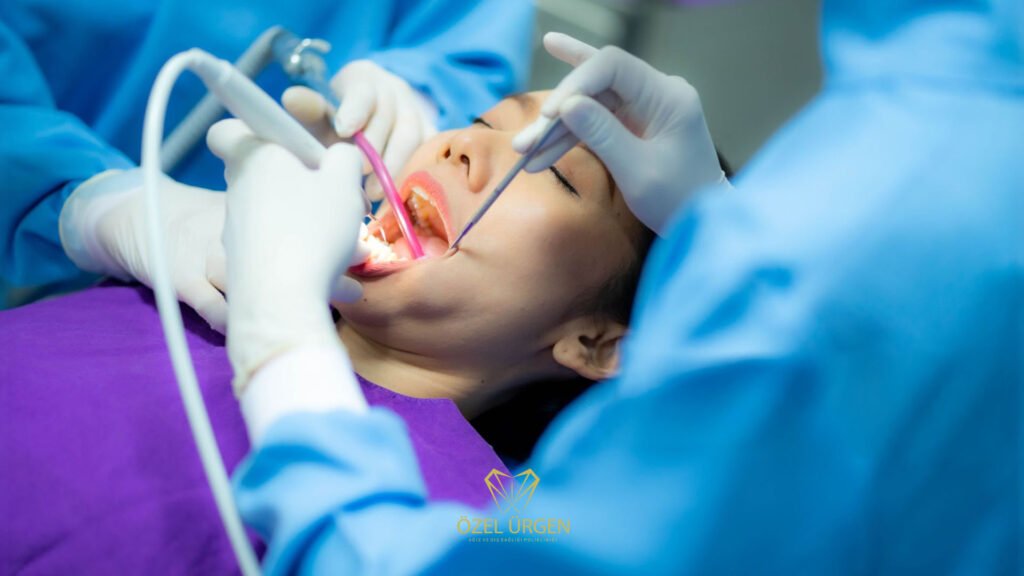
As individuals age, tooth loss becomes increasingly common due to genetics, oral health issues, or lifestyle factors. Because teeth are often lost gradually, this can result in significant changes in both the jawbone and oral structures. Successful implant treatment, which provides permanent and aesthetic replacement for missing teeth, relies heavily on the quality and structure of the jawbone.
The jawbone undergoes continuous stress during daily chewing, so an implant must have sufficient density and strength to function effectively over the long term. Surgical evaluation determines whether additional procedures, such as bone grafting or prosthetic support, are required. Furthermore, the placement, angle, and technique of implants are carefully planned and executed by the oral surgeon to ensure optimal results and long-term stability.