



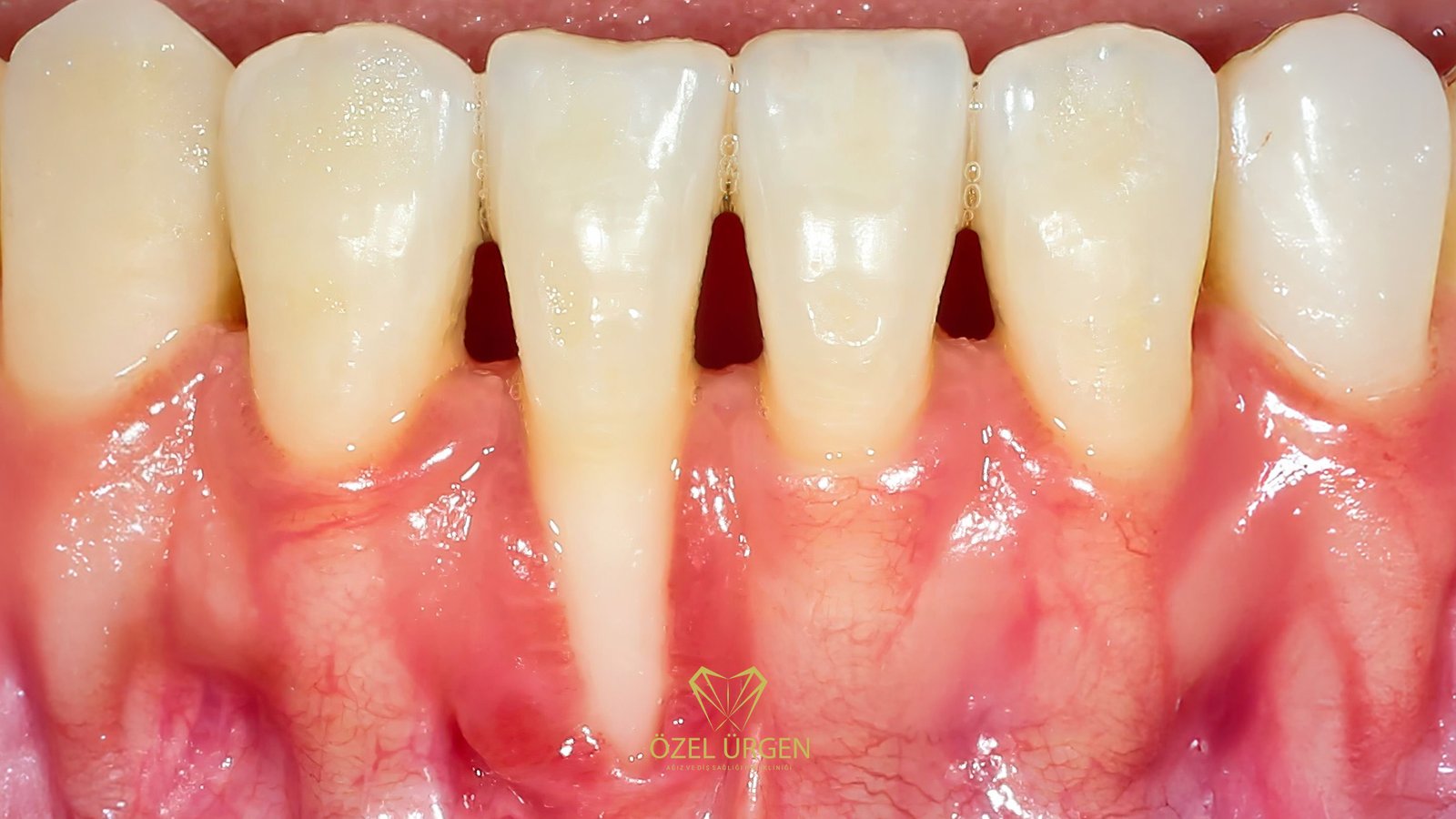
What Causes Receding Gum?
When talking about oral and dental health, most people first think of tooth decay, fillings, or toothaches. However, the real hero behind healthy and strong teeth is the gums that protect and support them. A healthy smile is impossible without healthy gums.
One of the most common gum problems is receding gums. This problem, which affects many people today, can initially be noticed with mild symptoms, but as it progresses, it can be both aesthetically unsightly and pose a serious threat to dental health. The appearance of longer teeth, increased sensitivity to hot and cold, and the potential for tooth loss in the future make gum recession a significant problem.
What is Gum Recession?
Gum recession, simply put, is the gradual recession of the gums, exposing the roots of the teeth. In a healthy mouth, the gums tightly surround the teeth and protect the roots, acting as a shield against external factors. However, when the gums recede, this protection weakens, the root surfaces become exposed, and the teeth take on both an aesthetically different appearance and become more vulnerable to health.
This condition often manifests itself as sensitivity to cold, hot, or sweet foods. This is because the root surfaces, normally protected by the gums, are exposed to direct stimulation. Furthermore, as recession progresses, teeth begin to appear longer than they actually are, creating aesthetic concerns.
Gum recession usually progresses slowly and insidiously. Therefore, it may go unnoticed initially, and the person may not even notice the change in their gums for a long time. However, as the process progresses, symptoms such as sensitivity, a feeling of lengthening of the teeth, and, in some cases, loosening of the teeth appear. If left untreated, this problem can lead to more serious problems, even tooth loss.

What Causes Receding Gums?
Gum recession is usually not caused by a single cause, but rather by a combination of factors. The most common cause is poor brushing habits; brushing too hard or using improper techniques damages the gums. Without regular care, plaque and tartar buildup can irritate the gums and lead to receding gums.
In addition, periodontal diseases such as gingivitis or periodontitis cause the gums to weaken over time. Genetic predisposition also plays a significant role in some individuals. Clenching or grinding your teeth can put excessive pressure on your teeth, causing gum recession.
Smoking accelerates this process by disrupting blood circulation to the gum tissue. During periods of hormonal change such as pregnancy, puberty, or menopause, gums can become more sensitive. Furthermore, poorly placed fillings, crowns, or ill-fitting dentures can also put pressure on the gums, leading to receding gums.
Symptoms of Receding Gum
The most noticeable symptom of receding gums is the sudden appearance of your teeth lengthening. If you look in the mirror and it feels like your teeth have lengthened, it’s actually because your gums have receded. Additionally, bleeding from your gums while brushing your teeth or eating is also common. While many people ignore this, it’s actually one of the first signs of gum disease.
If your gums are red, swollen, or tender to the touch, this is also a warning sign that shouldn’t be ignored. If you feel your teeth ache when you drink cold water or eat hot soup, this is also a sign of receding gums. Furthermore, a persistent unpleasant breath can often be a sign of gum problems.
If these symptoms progress, things become more serious. Your tooth roots may begin to show, gaps may form between your teeth, and you may even notice some of your teeth becoming slightly loose. In short, while receding gums may seem like a minor problem, they can actually have serious consequences. Therefore, if you experience even one of these symptoms, it’s best to see a dentist without waiting for it to go away on its own.

What Happens If Gum Recession Isn’t Treated?
If left untreated, tooth roots become exposed, and because these areas are normally much weaker than tooth enamel, cavities progress very quickly. As a result, a person may experience frequent toothaches and the need for fillings. Furthermore, the exposed root surfaces can cause a stinging sensation, like an electric shock, when you drink cold water or sip hot coffee. This sensitivity can make daily life quite difficult over time.
As gum recession progresses, not only sensitivity but also chewing function can be impaired. Biting hard foods or eating comfortably becomes difficult. If the inflammation spreads deeper than the tooth roots, the jawbone begins to suffer. When bone loss develops, loosening, displacement, and eventual tooth loss become inevitable.
Gum Receding Treatment
Treatment for gum receding varies from person to person because the degree of receding and the underlying cause are different for each patient. While a simple cleaning is sufficient for some people, others may require more advanced surgery.
Scaling is one of the most effective methods in the early stages. By removing plaque and tartar that irritate the gums, the gum tissue relaxes, inflammation decreases, and the progression of receding can be halted. If this process is supported with regular checkups, it is possible to maintain gum health.
If the recession is severe, gum graft, a surgical treatment, is necessary. In this method, healthy gum tissue, usually taken from the palate, is transplanted to the recessed area. This reseals the exposed root surfaces, resulting in a healthier appearance, both aesthetically and functionally.
In some cases, aesthetics may be a priority for patients. This is where pink aesthetic treatments come into play. The gum line is adjusted using laser or surgical methods, giving the teeth a more balanced appearance and restoring the aesthetics of the smile.
Of course, treatment is not limited to procedures performed in the clinic. Correcting habits is also crucial. Learning proper brushing techniques instead of harsh brushing, quitting smoking, and using protective trays to prevent nighttime teeth grinding are essential.

How to Prevent Receding Gum
Although receding gums cannot always be completely prevented, it is possible to significantly reduce the risk with good habits. For this, you can pay attention to the following points in daily life:
-
Develop good brushing habits: Use soft-bristled toothbrushes instead of hard-bristled ones, and gently brush your teeth in circular motions, without pressing.
-
Incorporate dental floss and interdental brushes into your routine: Just brushing isn’t enough; Use dental floss or interdental brushes regularly to remove plaque that accumulates between your teeth.
-
Don’t skip regular checkups: Going to the dentist at least twice a year is very important to detect potential problems early.
-
Quit smoking: Smoking prevents gum tissue from healing and increases the risk of receding gums. Quitting is a big step for your dental health.
-
Pay attention to your diet: Consuming fruits and vegetables rich in vitamin C supports gum health. A balanced diet is just as effective as proper care.
-
Get your teeth grinding under control: If you clench or grind your teeth at night, be sure to get treatment and use protective guards if necessary.
Comments are closed