



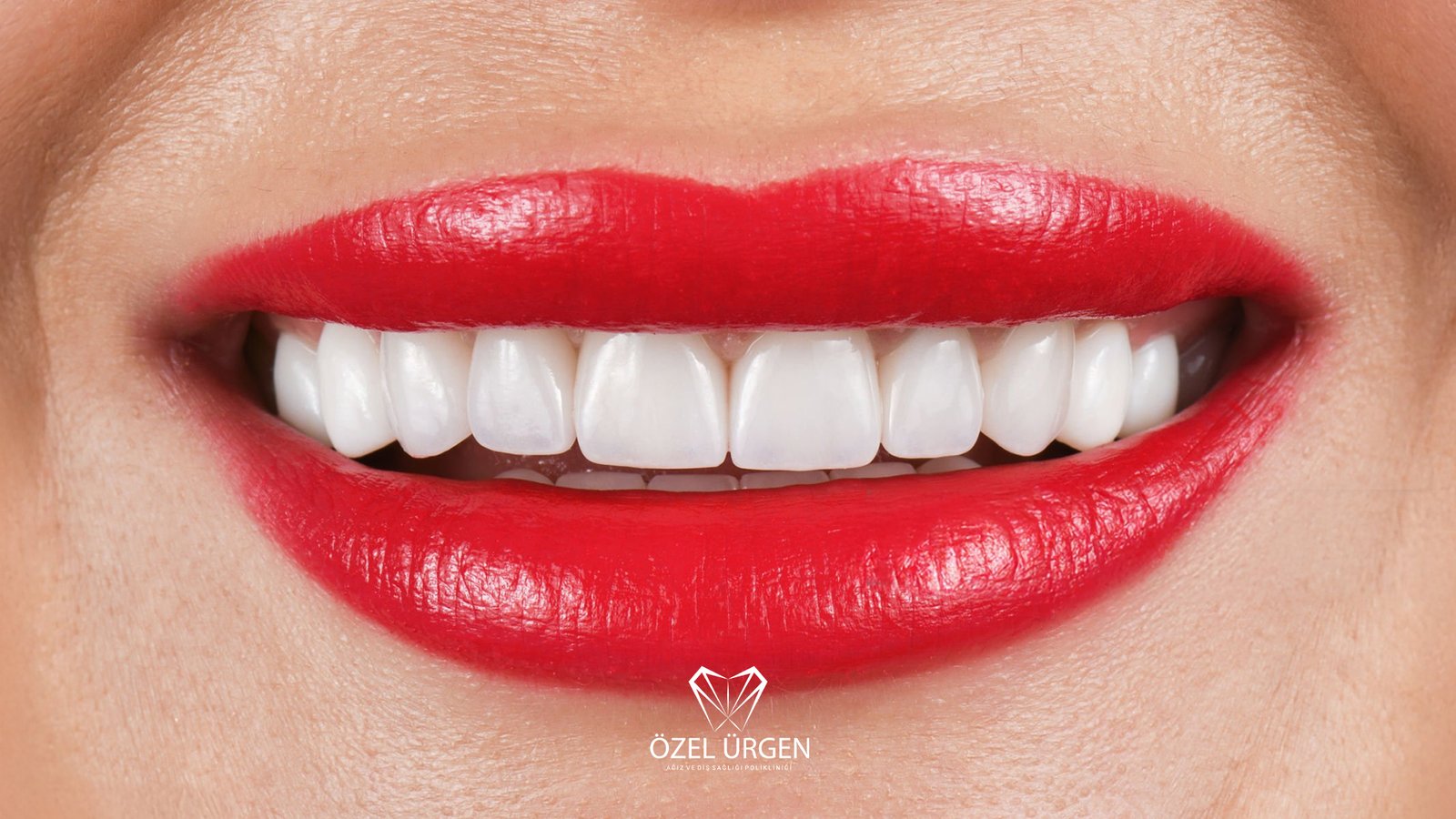
Difference Between Zirconium and Porcelain Crowns
Dental aesthetics are no longer just a luxury or a special choice; for many, they’ve become an essential part of daily life, self-confidence, and social interaction. People now value not only strong and healthy teeth, but also the ability to smile freely, comfortably, and confidently. Not being tense when taking a photo, speaking more comfortably in a job interview, appearing more open and friendly in social situations an aesthetically pleasing smile plays a significant role in all of these.
This is precisely where “dental veneers” come into play. However, when it comes to veneers, many people inevitably become confused. Is zirconium veneers more advantageous, or porcelain veneers? Which is more aesthetically pleasing? Which is more durable? Which is the best choice in each situation? The sheer amount of information online often makes things more complicated, rather than easier.
If you’re lost in similar questions, don’t worry. I’ll explain the differences between zirconium and porcelain veneers in the simplest, most understandable, and most practical language. I’ll explain step-by-step which veneer is suitable for whom, their advantages, disadvantages, and aesthetic differences. But first, let’s take a look at zirconium and porcelain veneers separately.
What are Porcelain Veneers?
A porcelain veneer is a treatment performed by preparing a tooth in a specific shape and placing porcelain on a metal substructure. This means the inner surface has a metal framework that increases durability, while the outer surface has a porcelain coating that gives the tooth a natural appearance. For this reason, many people have heard of this method as “metal-supported porcelain veneers.” It offers both durability and aesthetics; however, due to its structure, it’s not expected to be completely translucent, which compromises aesthetics.
What are Zirconium Veneers?
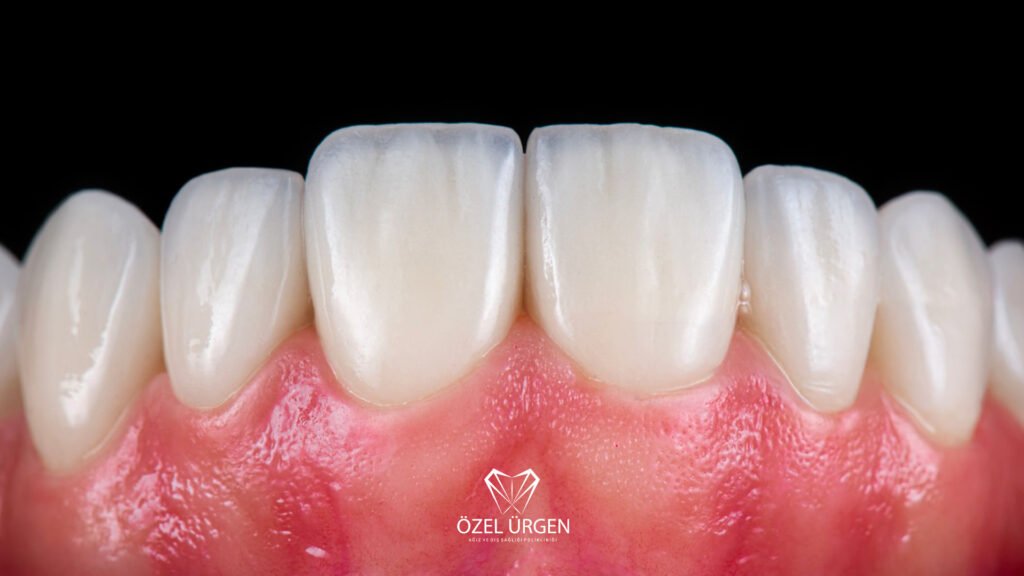
Zirconium veneers are a modern type of veneer that uses zirconium oxide as a substructure instead of metal and stands out for its aesthetics and durability. Because they transmit light like natural teeth, they have a very natural appearance and are frequently preferred by those with high aesthetic expectations, especially in the anterior region. Their robust structure, combined with their long-term comfort, makes zirconium one of the most popular veneer options today.
Difference Between Zirconium and Porcelain Veneers
– Aesthetic Appearance
Now, let’s get to the question that most people wonder about: How will my teeth look?
Zirconium veneers almost exactly mimic the way natural teeth reflect light. Their brilliance, vibrancy, and transparency allow you to achieve a remarkably natural smile, especially in the frontal area. They don’t look artificial when taking photos, speaking, or smiling; they look just like your own teeth.
The situation is a bit different with metal-supported porcelain veneers. Because they have a metal substructure, their light transmittance is lower. This can create a darker, slightly more matte appearance at certain angles. This difference can be particularly noticeable for those seeking a very natural aesthetic.
– Differences in Gum Compatibility
Gum compatibility is a crucial detail when choosing a veneer, though many people overlook it.
With metal-supported porcelain veneers, a slight gray reflection can appear at the gumline over time. This is due to the metal beneath the veneer not reflecting light properly and is commonly known as “gum darkening.”
With zirconium veneers, this appearance is eliminated because they contain no metal. In contrast, zirconium is a material that is highly compatible with the gums. It is more biocompatible, reducing the risk of sensitivity and reactions, and also helping to create a more natural appearance at the gumline. Therefore, zirconium veneers are more advantageous for those with high aesthetic expectations.
– Durability
There’s a common misconception on this subject: “Metal-supported porcelain is more durable, while zirconium is preferred solely for aesthetic reasons.”
In fact, the situation is much closer to the opposite.
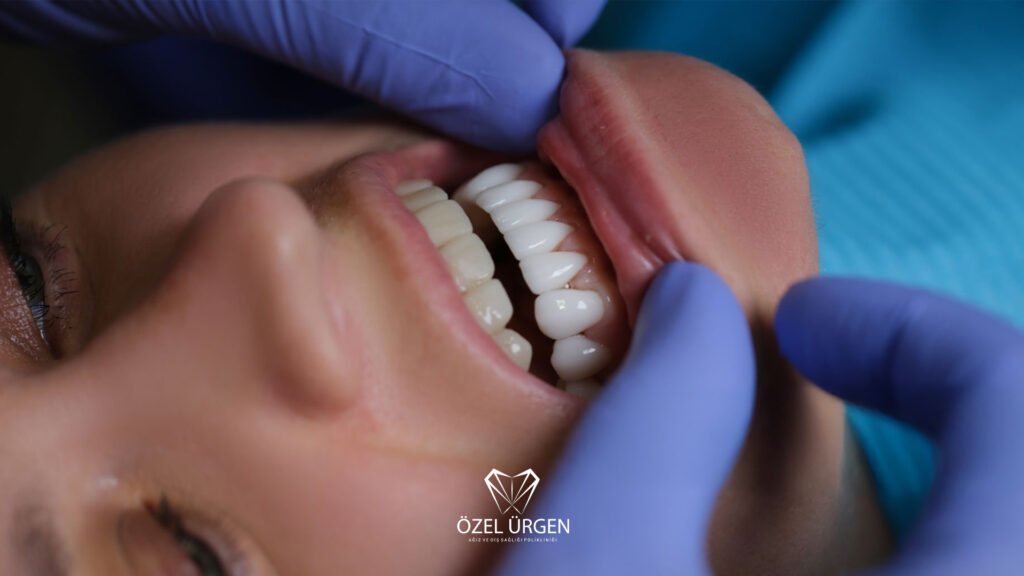
Zirconium is a remarkably strong material and highly resistant to fracture. This means it offers a natural look and can be used safely for many years. It maintains its strength even with hard foods and strong chewing forces.
Porcelain veneers are certainly durable; however, despite their metal support, they are not as strong as zirconium. There can be a risk of cracking from time to time, especially under intense pressure in the posterior region.
-Allergy Situation
Although less common with metal-based porcelain veneers, some individuals may experience allergic reactions due to the metal content. While this isn’t common in everyone, it can be a potential problem for those with sensitive skin.
Zirconium, on the other hand, is a highly biocompatible material. The risk of allergy is extremely low, making it a much safer option for those prone to sensitivity.
-Price Difference
When it comes to price, the situation is quite clear.
Zirconium veneers are slightly more expensive than metal-based porcelain veneers due to both the quality of the material used and the technologically advanced manufacturing process. Naturally, the price increases as aesthetic expectations and durability increase.
Metal-based porcelain veneers offer a more affordable alternative. They may be a suitable option for those who don’t want to strain their budget or who prefer veneers to be placed in the back area rather than the front area.
However, many people choose zirconium when considering its long-term durability, natural appearance, and comfort. According to most patients, the results more than justify the price difference.
How Long Do Zirconium Veneers Last?
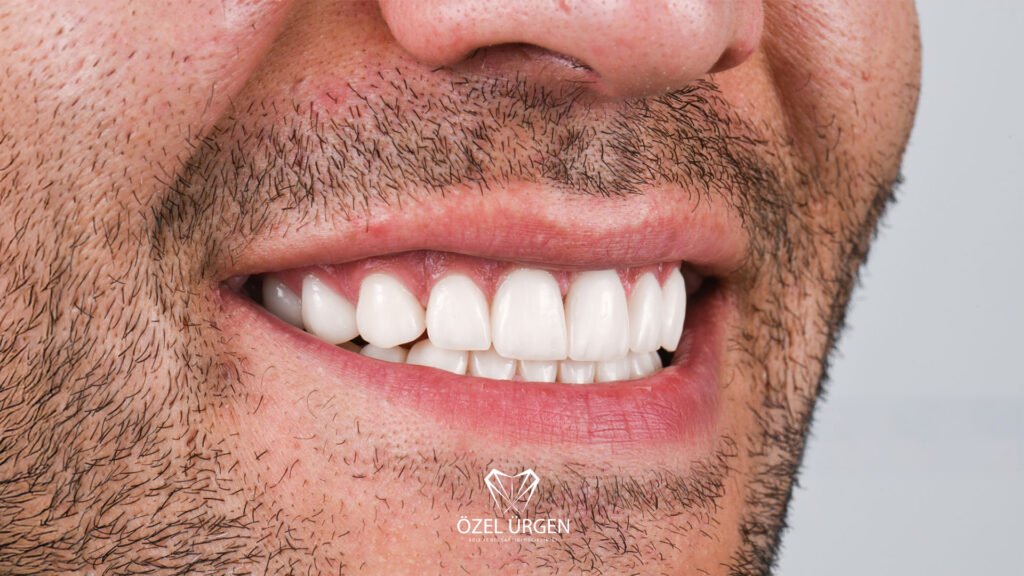
Zirconium veneers, when properly installed and supported by regular oral care, are quite long-lasting. On average, they can last 10–15 years, and even much longer for some patients. Thanks to their durable structure, problems such as chipping, cracking, and discoloration are much less common.
Of course, as with any treatment, usage habits also affect the lifespan. Clenching your teeth, eating very hard foods, or not attending regular checkups can shorten the lifespan of the veneer.
How long do porcelain veneers last?
Procelain veneers are extremely durable restorations that can last for years without any problems when installed correctly. Their average lifespan is generally thought to be 7–10 years, but with regular care and proper use, this period can easily be extended.
Comments are closed