




Toothache Treatment?
A toothache is a condition most of us experience at least once in our lives, sometimes causing sleepless nights and sometimes disrupting our daily lives. Whether it’s a sudden, throbbing pain, sensitivity to hot and cold, or a stinging sensation when chewing… Whatever the cause, toothaches are truly distressing. What causes this pain? What can be done at home? And when should we see a dentist?
What Causes Toothaches?
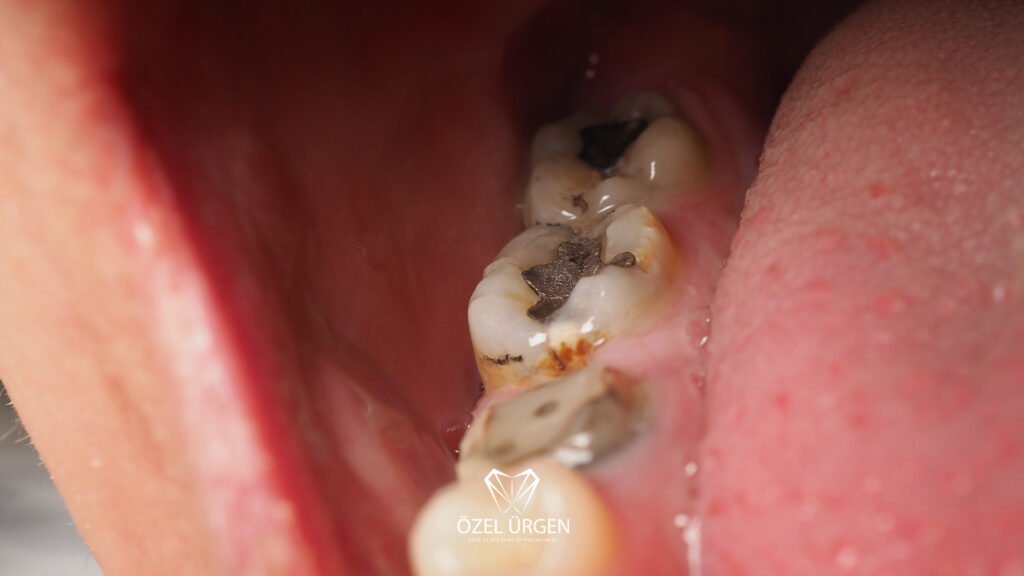
Toothaches often arise from various causes, including cavities, gum problems, clenching, sinusitis, or cracks in the tooth. As the decay progresses and approaches the nerve, the pain intensifies, while gingivitis can cause both swollen gums and a throbbing pain in the root area. Inadvertently grinding your teeth at night can lead to enamel erosion and morning sensitivity.
Pain in the upper jaw can sometimes be caused by sinusitis, as sinus pressure can be perceived as a toothache. Furthermore, even a small crack in a tooth can cause sensitivity to hot and cold. While temporary sensitivity after a new filling or root canal is normal, it should be checked if it persists.
How to Relieve Toothaches at Home?
When a toothache begins, some simple home remedies can provide short-term relief. Gargling with warm salt water reduces inflammation, while a cold compress reduces swelling and tenderness, especially in cases of trauma-related pain. Gently brushing or flossing is also an effective solution, as food stuck between teeth can cause pain. Anti-inflammatory painkillers like ibuprofen can be used if necessary, but these medications should not be applied directly to the tooth.
Natural remedies can also provide relief for some people. Clove oil, thanks to its eugenol content, acts as a natural antiseptic, while garlic, with its antibacterial properties, can provide temporary relief. Warm compresses made with herbal teas like sage, chamomile, or mint can also soothe the area. However, it’s important to remember that all these remedies are only temporary; if the pain persists, it’s essential to consult a dentist.
When Should You See a Dentist?
A toothache can sometimes be relieved with simple home remedies, but not every pain is innocent. Sometimes, it can be a powerful signal from your body telling you it’s time to see a specialist. Therefore, certain symptoms should never be ignored.
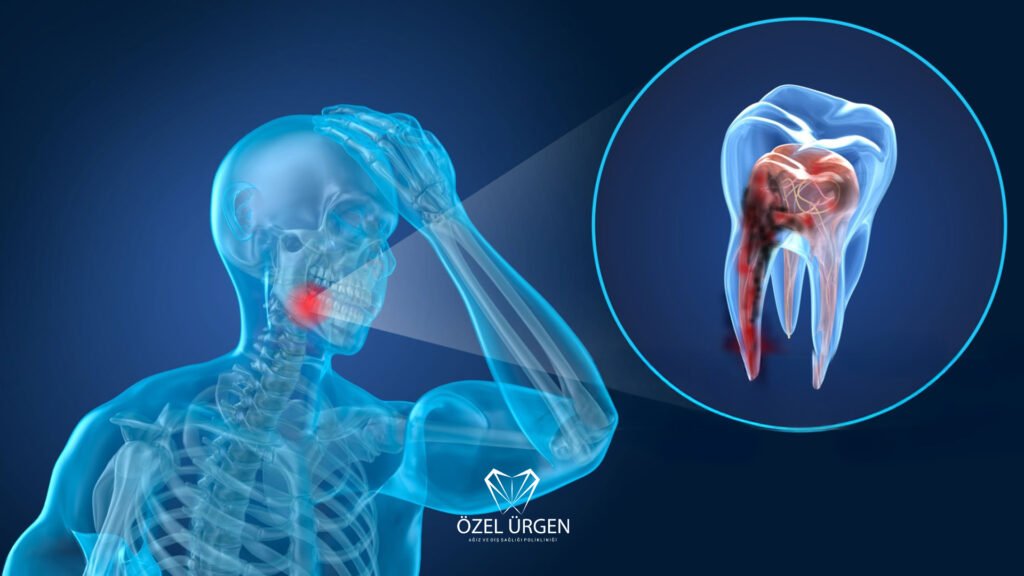
If your toothache persists for more than 1-2 days, especially if it’s severe enough to wake you up at night, you should definitely see a dentist. Noticeable facial swelling, a bad taste in your mouth, pus-like discharge, increased sensitivity to hot and cold, or a throbbing pain even when lightly touching the tooth are also conditions that require immediate attention. These symptoms often indicate advanced decay, abscesses, or serious gum disease. Especially in the case of an abscess, waiting can exacerbate the problem and cause the infection to spread.
If your tooth is constantly telling you, “Something’s not right here,” the safest and most appropriate step is to seek professional help without delay. Time is of the essence in dental health.
Is It Possible to Completely Prevent Toothaches?
Actually, yes, it’s largely possible! Most toothaches can be prevented with regular care.
- Here are a few simple but effective tips:
- Brush your teeth twice a day
- Use dental floss and an interdental brush
- Reduce sugary and acidic foods
- Get a checkup and cleaning every 6 months
- If you grind your teeth at night, ask your dentist for a tray
These simple habits will help you avoid pain and keep your teeth healthy for years to come.
How to Relieve a Toothache
A toothache is a sudden, painful pain that can ruin a person’s entire day. It’s usually caused by common causes like cavities, gingivitis, sinusitis, or clenching. When the pain begins, the first thing to do is soothe the area. Gargling with warm salt water, applying a cold compress, or gently brushing your teeth often provides some relief. Natural remedies like clove oil can also provide temporary relief.
However, it’s important to remember that all of these methods are only temporary. If the pain lasts longer than a few hours, the throbbing sensation increases, or if you experience slight swelling in your cheek area, be sure to schedule an appointment.The real solution lies in identifying and treating the underlying cause of the pain. By not ignoring toothaches, you can prevent much more serious problems in the future.
Comments are closed