



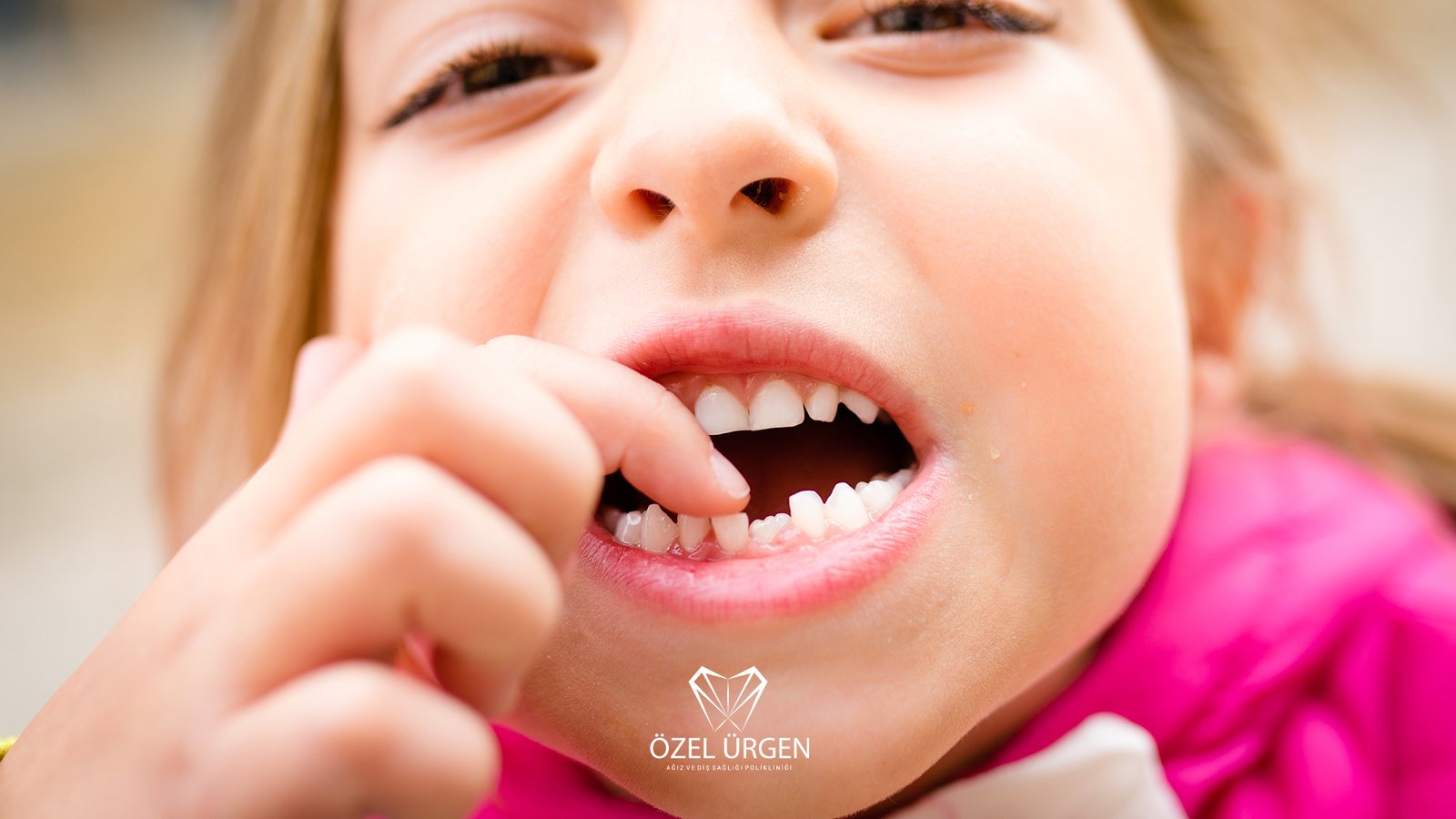
When Do Baby Teeth Fall Out?
Raising a child truly means experiencing a different kind of excitement every single day. Seeing the tiny baby who once fit in your arms now trying to put on their own shoes warms your heart and reminds you just how quickly time passes. First smiles, first steps, first words… each milestone naturally brings the question, “What’s next?” And one of the most common questions that crosses parents’ minds is this very one: When do baby teeth fall out?
One morning at the breakfast table, you might notice your child touching their mouth, pushing something with their tongue. Moments later, they may come to you holding a tiny white tooth and say, “Mom/Dad, it fell out.” In that instant, a mix of emotions appears all at once: surprise, a bit of worry, and maybe even a quiet sense of nostalgia. Because that tiny tooth is a silent sign that your child has taken another step toward growing up.
In reality, the loss of baby teeth is one of the most natural and healthiest stages of childhood. The body follows its own plan to make room for permanent teeth. Still, it’s completely normal for parents to wonder when this process will start, how long it will last, and what they should pay attention to. Questions like “Is this too early?”, “Is it too late?”, or “What if a new tooth doesn’t come in?” are common concerns shared by many families.
What Are Baby Teeth and Why Are They Important?
Baby teeth are the first teeth that appear during infancy and accompany children throughout early childhood. There are 20 baby teeth in total, and although they eventually fall out to make space for permanent teeth, this temporary journey does not make them unimportant. On the contrary, baby teeth play a quiet yet vital role in a child’s healthy development.
Thanks to these teeth, children can chew food comfortably, pronounce words more clearly, and develop a balanced jaw structure. Baby teeth also influence a child’s facial expression and smile. A child with healthy teeth often feels more confident, both physically and emotionally.
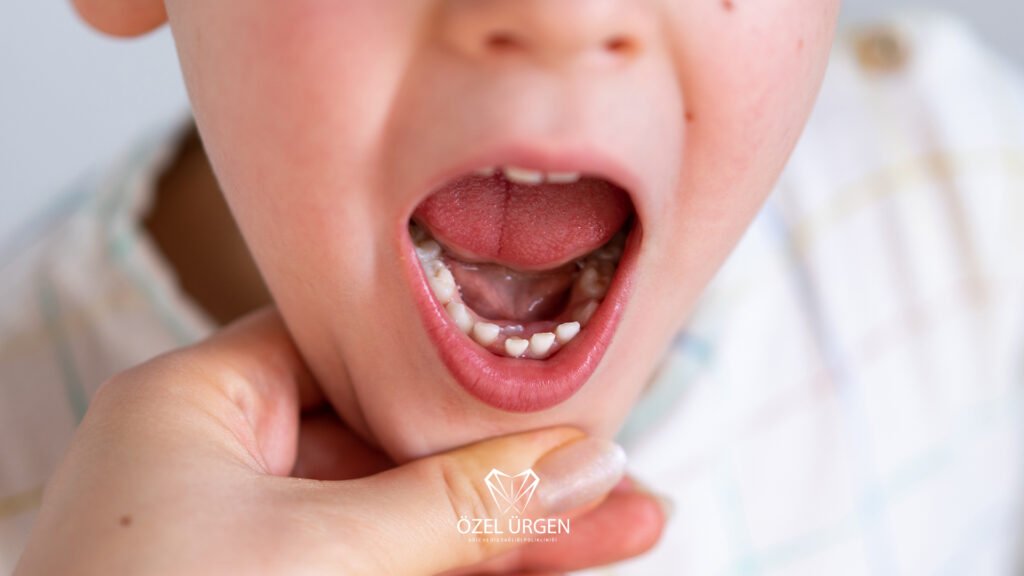
One of their most important roles is acting as placeholders for the permanent teeth growing underneath. Losing baby teeth too early can cause permanent teeth to come in crooked or in the wrong position. That’s why taking good care of baby teeth means protecting not only today’s smile, but also a child’s future oral health.
When Do Baby Teeth Start to Fall Out?
For most children, baby teeth begin to fall out around the start of school age. The first loose teeth usually appear around 5–6 years old. However, these ages are not strict rules. Some children lose their first tooth as early as 4–5, while others may not experience any changes until age 7. These differences are often related to overall development and are usually nothing to worry about.
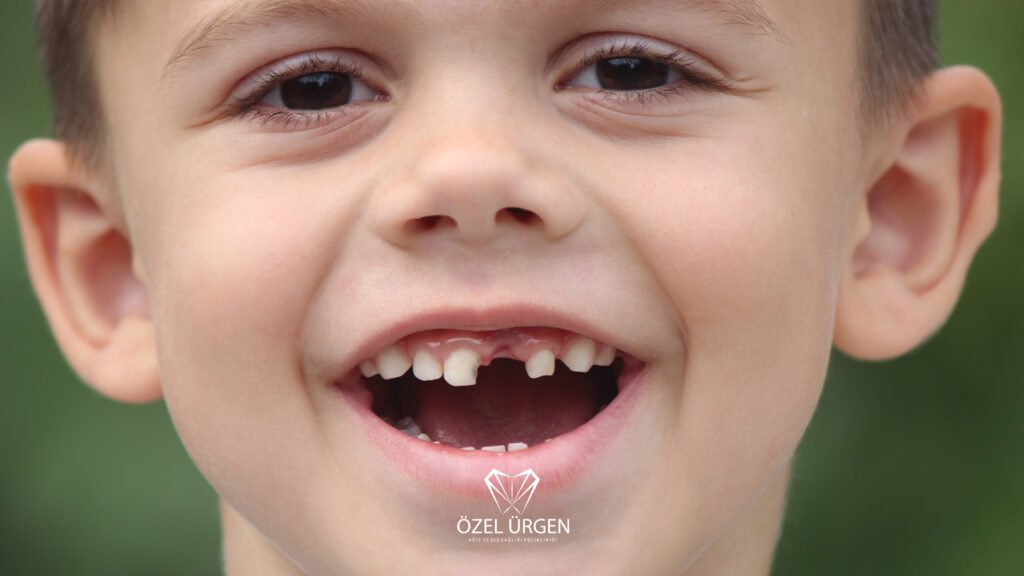
Tooth replacement is a slow and natural process; it doesn’t happen overnight. The front baby teeth are typically the first to loosen. Between ages 6 and 8, most of the front teeth fall out and permanent teeth begin to take their place. This stage is often remembered fondly as the time of “toothless smiles.”
As children grow older, the back baby molars also begin to complete their role. These teeth usually fall out between ages 9 and 12, bringing the process closer to its end. For most children, all baby teeth have been replaced by permanent teeth by around ages 12–13.
Which Baby Tooth Falls Out First?
The journey of losing baby teeth usually begins with the lower front teeth. In most children, the first teeth to loosen and eventually fall out are the small front incisors on the lower jaw. The reason is simple: the permanent teeth beneath them tend to move earlier, gently pushing the baby teeth out of place. Children constantly wiggle the tooth with their tongue, while parents start saying, “I think this one’s going soon.”
After the lower front teeth, the upper front incisors take their turn. Since these teeth are the most noticeable when smiling, their loss often changes a child’s appearance right away. Next come the side incisors, located beside the front teeth, each finishing its role in order.
Over time, the back baby teeth also join this transition. First the primary molars, then the canines, and finally the second molars give way to permanent teeth. Not every child follows the exact same order; slight differences in timing are completely normal.
Why Do Baby Teeth Fall Out?
The main reason baby teeth fall out is the arrival of the permanent teeth underneath. As permanent teeth begin to erupt, they slowly dissolve the roots of the baby teeth. As the roots shrink, the tooth becomes loose and eventually falls out on its own.
This process is usually painless. However, some children may experience mild sensitivity or a slight itching sensation.
Should Baby Teeth Be Pulled When They Are Loose?
When baby teeth start to wiggle, many parents wonder, “Should we pull it out?” At this stage, patience is key. Loose baby teeth should never be pulled out by force. Most of the time, they are already ready to fall out and will come out naturally while the child is eating or playing with the tooth using their tongue.
Forcing a tooth out can cause unnecessary bleeding, gum irritation, and even lead to fear of the dentist. If a tooth has been loose for a long time but doesn’t fall out, the safest and most comfortable approach is to have it checked by a dentist.
What Happens If Baby Teeth Fall Out Late?
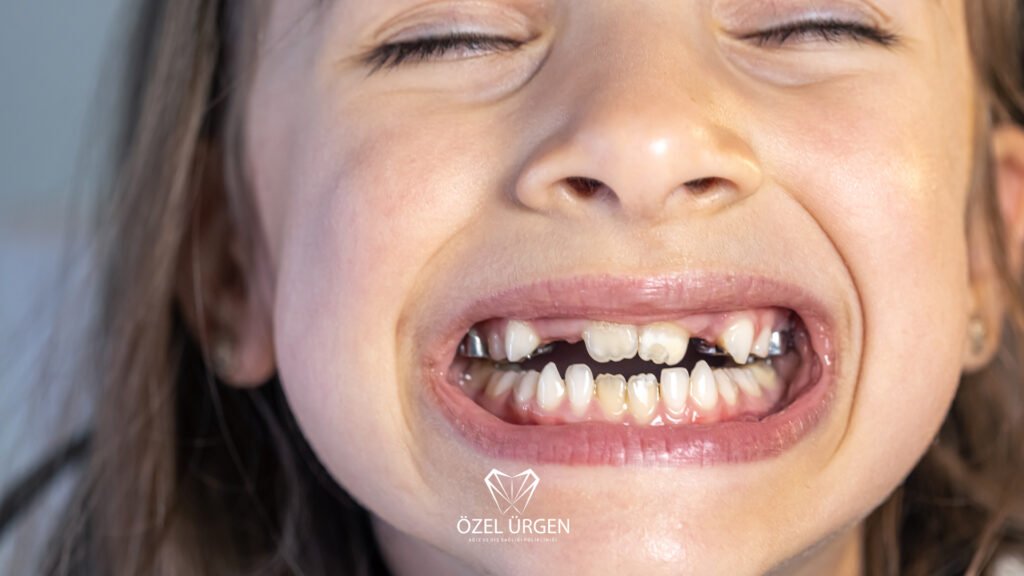
When baby teeth fall out later than expected, it often worries parents, but it doesn’t always mean there is a problem. In some children, this process naturally progresses more slowly. Factors such as genetics, jaw development, and tooth structure can all influence timing. So if your child’s friends have already lost several teeth while yours hasn’t lost any yet, it’s not necessarily a negative sign.
However, in certain situations, consulting a dentist is important. If a permanent tooth starts to come in behind a baby tooth, if the baby tooth never becomes loose, or if a child reaches 7–8 years of age without losing any teeth, a dental check-up should not be delayed. These early evaluations help detect potential issues in time and can prevent future problems such as crowding or lack of space.
Comments are closed