



What Is Overbite? How Is It Treated?
Teeth are often associated only with our smile, but their role goes far beyond appearance. Everyday actions we perform without thinking—such as speaking, chewing, and swallowing—are all closely connected to our teeth. Even the balance of our facial features and the structure of our jaw are directly influenced by how our teeth align with each other. For this reason, the way teeth come together, meaning the relationship between the upper and lower teeth, is far more important than most people realize.
When the bite is not ideal, problems can develop over time that go beyond aesthetics. Jaw pain, difficulty chewing, speech issues, and even discomfort in the head and neck area may appear. Sometimes a person notices the irregularity when looking in the mirror, while in other cases the issue progresses quietly for years and begins to affect daily quality of life. At this point, it becomes important to consider not just how teeth look, but how they impact overall health.
What Is Overbite?
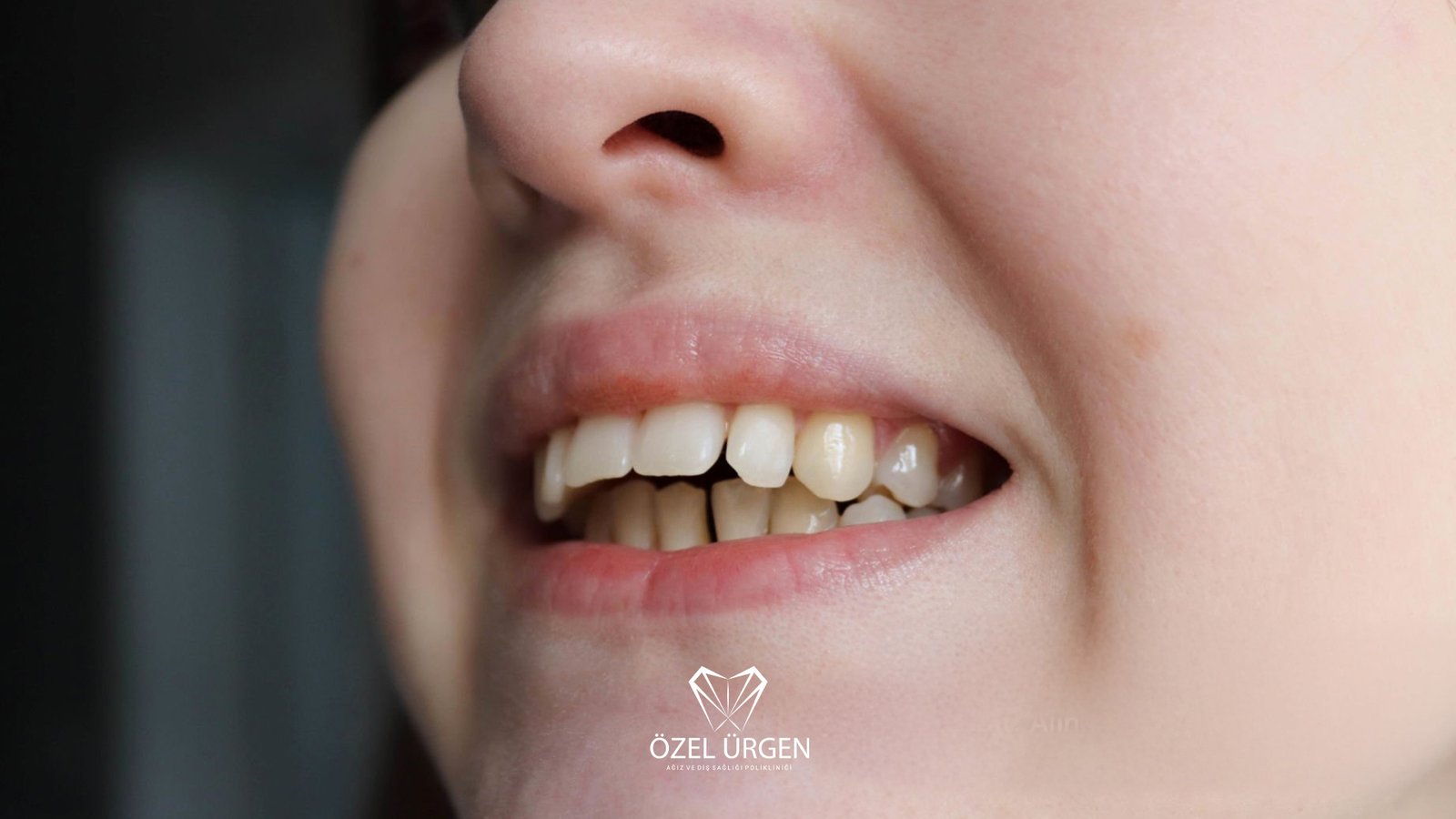
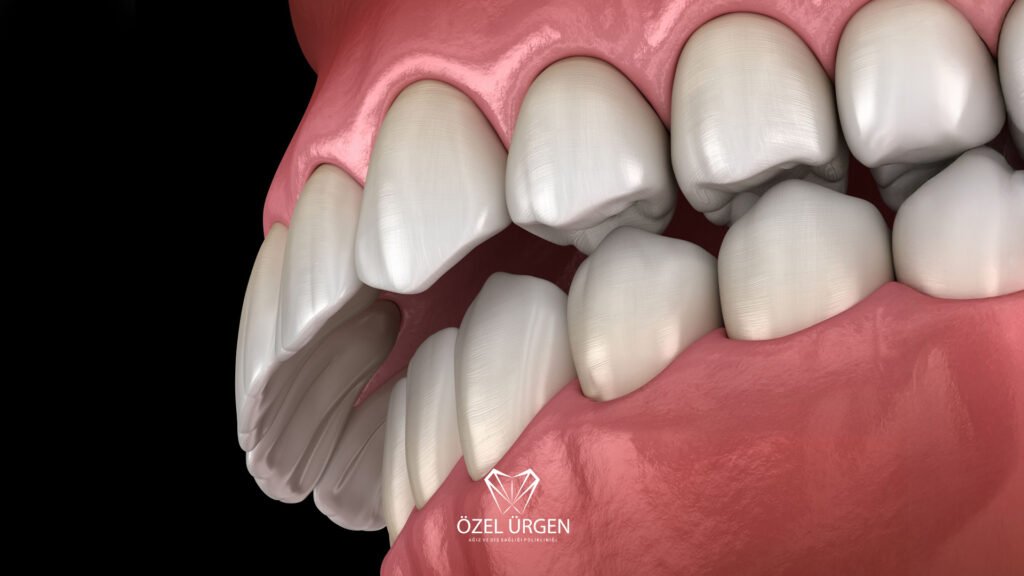
Overbite is a type of bite problem that occurs when the upper front teeth overlap the lower front teeth more than they should. In fact, it is normal and healthy for the upper teeth to slightly cover the lower ones. However, when this overlap becomes excessive and the upper teeth press down too much on the lower teeth, a misalignment known as overbite develops.
Mild overbite often goes unnoticed and may not cause obvious problems in everyday life. As it progresses, however, it can negatively affect both smile aesthetics and oral function, leading to chewing difficulties, jaw pain, and joint-related issues. In some people, the lower teeth are barely visible when smiling, while in more advanced cases they may be completely hidden behind the upper teeth.
Why Does Overbite Occur?
Overbite does not usually develop due to a single reason. In most cases, several factors come together, which is why the cause can differ from one person to another.
Genetic factors are among the most common causes. If there is a history of overbite or other bite problems in the family, the likelihood of it appearing in children increases. Structural features such as a more prominent upper jaw or a lower jaw positioned further back can be inherited.
Certain habits during childhood can also directly affect the development of the teeth and jaw. Prolonged use of pacifiers or bottles, thumb sucking, and habits like biting the lips or chewing on pens can disrupt natural tooth alignment and create the foundation for bite problems.
In addition, tooth loss and alignment issues can contribute to overbite. Losing baby teeth too early may cause permanent teeth to erupt in incorrect positions. Habits such as teeth clenching and grinding can also place excessive pressure on the teeth over time, gradually disturbing the bite balance.
What Are the Symptoms of Overbite?
Overbite is not always easy to recognize at first glance, and some people may live with it for years without realizing it. However, certain subtle signs can indicate that there is an issue with the bite.
One of the most noticeable signs is that the lower teeth appear very little—or not at all—when smiling. Difficulty chewing, a feeling of fatigue in the jaw muscles by the end of the day, and occasional jaw pain may also be linked to overbite.
As the condition progresses, symptoms can become more pronounced. Jaw joint sensitivity or pain, frequent headaches, tooth wear, and sensitivity to hot or cold are among the common complaints. Some individuals may also experience difficulty pronouncing certain sounds or speaking clearly.
What Happens If Overbite Is Not Treated?
Mild cases of overbite may not always require immediate treatment. However, when the condition is moderate or severe, it can lead to more serious problems affecting both the teeth and the jaw over time.
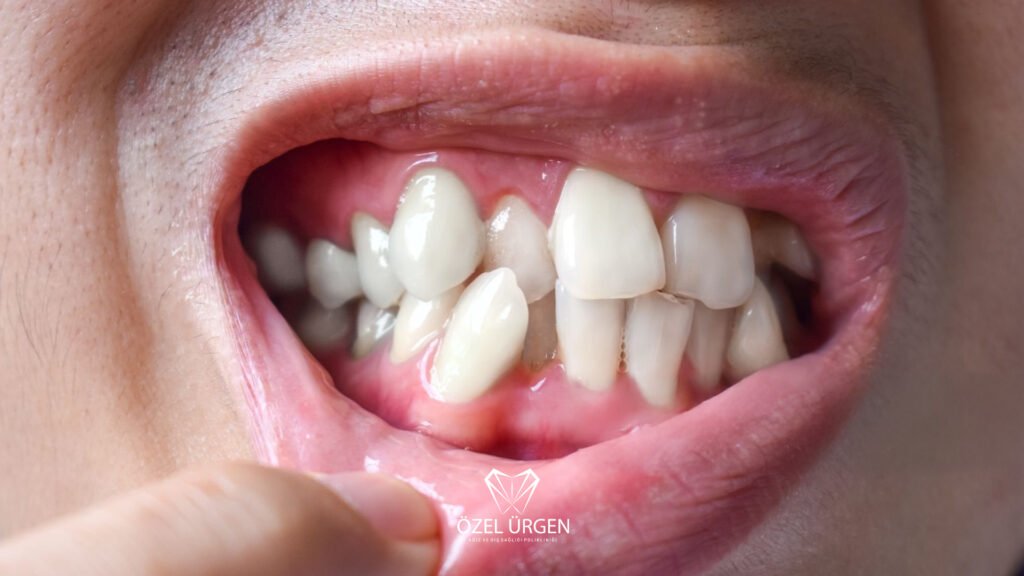
When teeth are exposed to excessive contact and pressure, surface wear accelerates. This can result in tooth sensitivity and, in some cases, cracks or fractures. Continuous contact between the upper and lower teeth may also irritate the gums and cause discomfort.
This imbalance in the bite places extra strain on the jaw joint. In the long term, symptoms such as jaw pain, clicking sounds when opening or closing the mouth, stiffness, or a locking sensation may occur. From an aesthetic perspective, dissatisfaction with one’s smile can also affect self-confidence and reflect negatively on social life.
How Is Overbite Treated?
Overbite treatment is planned individually for each patient. Factors such as age, the severity of the bite issue, and jaw structure all play an important role in determining the treatment approach. For this reason, there is no single treatment method that applies to everyone.
Orthodontic Treatments (Braces and Clear Aligners)
Orthodontic treatments are among the most commonly used methods for correcting overbite. With braces, teeth are gradually guided into their ideal positions to achieve a balanced bite. In addition to traditional metal braces, ceramic braces and nearly invisible clear aligners are now widely preferred for their aesthetic advantages.
Clear aligners are especially popular among adult patients. Being removable and discreet, they offer both comfort and convenience in daily life. With consistent and proper use, many overbite cases can be successfully treated.
Early Intervention in Children
When overbite is detected during childhood, treatment can be much easier and more effective. During the growth phase, jaw development can be guided and the problem can be controlled more efficiently. Removable appliances or functional orthodontic devices may be used to support proper jaw growth.
How Long Does Overbite Treatment Take?
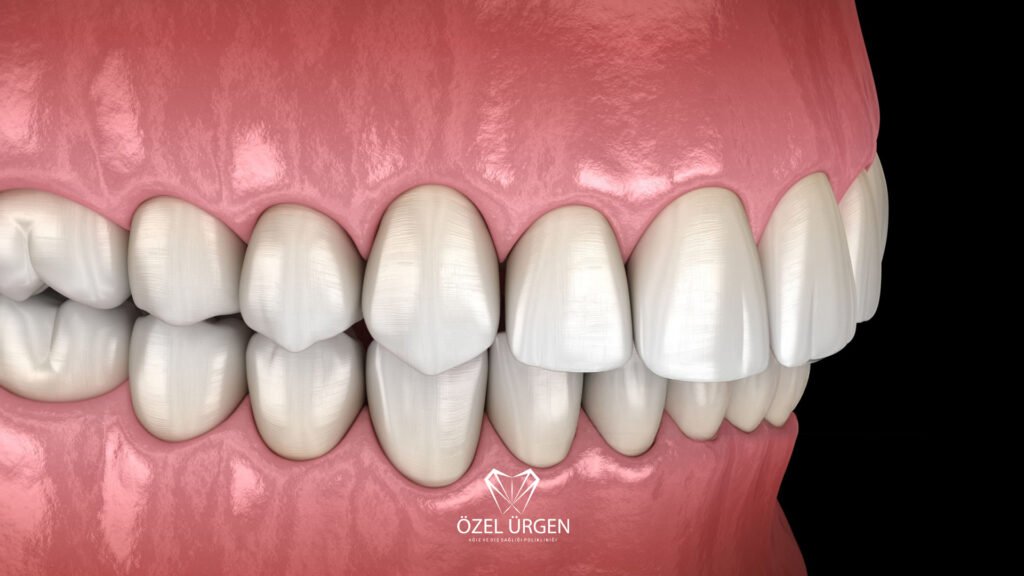
The duration of overbite treatment varies from person to person, and it is not possible to give a fixed timeline. In most cases, treatment is completed within 1 to 2 years. Mild cases may take less time, while more severe bite problems can require a longer process. One of the most important factors affecting treatment length is how well the patient follows the recommended instructions. Regular use of appliances and adherence to the dentist’s advice play a major role in achieving smooth and effective results.
Can Overbite Be Prevented?
Although genetic factors cannot be completely prevented, certain measures taken during childhood can help reduce the risk of developing overbite. Stopping habits like thumb sucking at an early age, avoiding prolonged pacifier or bottle use, and maintaining regular dental check-ups are all important steps. When necessary, early orthodontic evaluation can help identify potential issues before they progress and allow for simpler, more effective solutions.
Comments are closed