



Teething Period in Babies
When babies enter the world, everything is new and fascinating for them. Every day brings small surprises; their first smiles, first words, tiny steps… And of course, the emergence of their first teeth is one of these miracles. The teething process can sometimes be joyful and exciting, while other times it may require a little patience from both the baby and the parents.
As tiny white spots start to appear in your baby’s mouth, both excitement and curiosity begin. Which tooth will come first, will it cause discomfort, how will their sleep be affected… All these questions turn the teething period into a time of both learning and observation. Every baby is different; some hardly feel discomfort while teething, while others may be more fussy and irritable.
When Do Teeth Emerge?
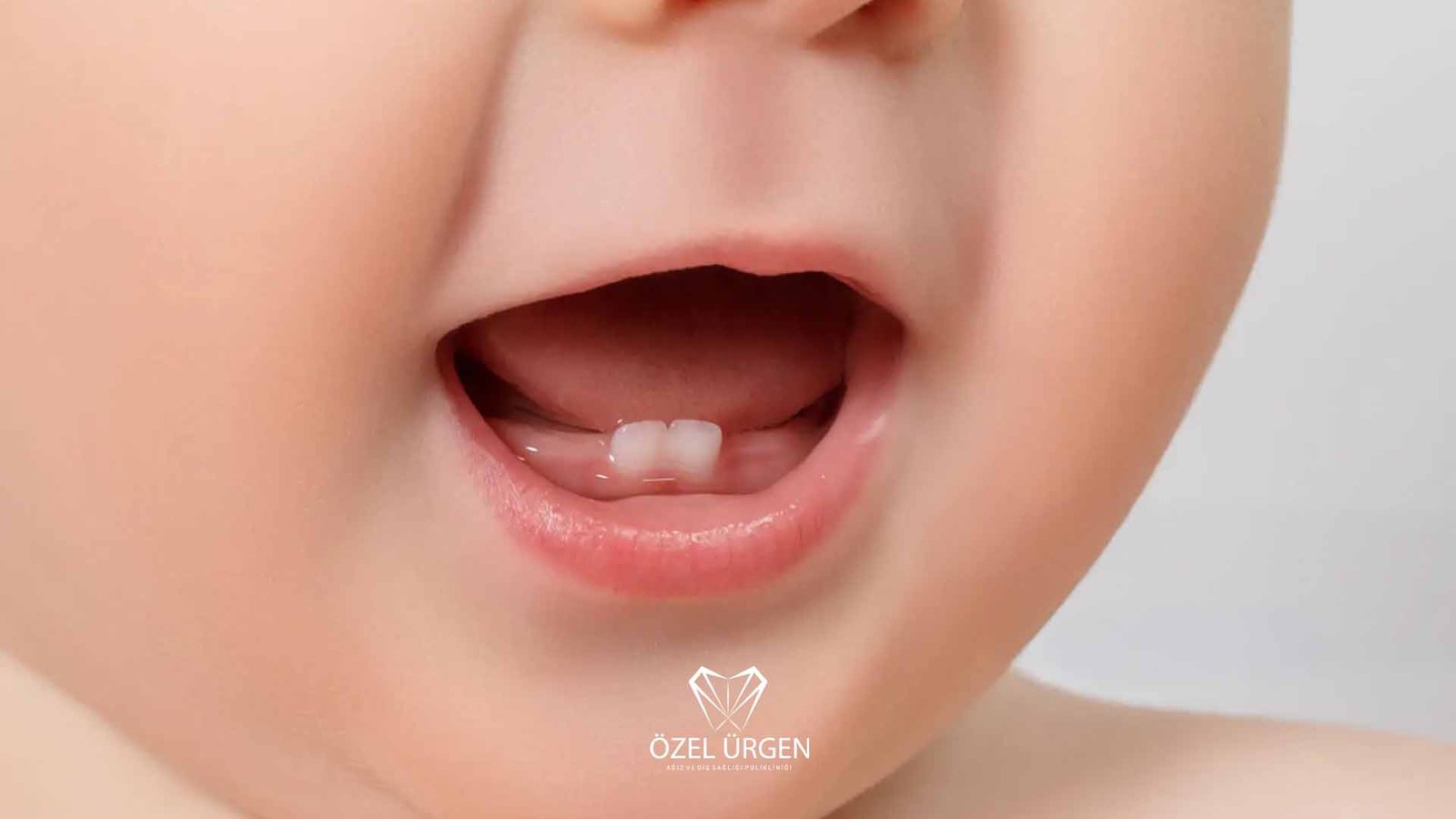
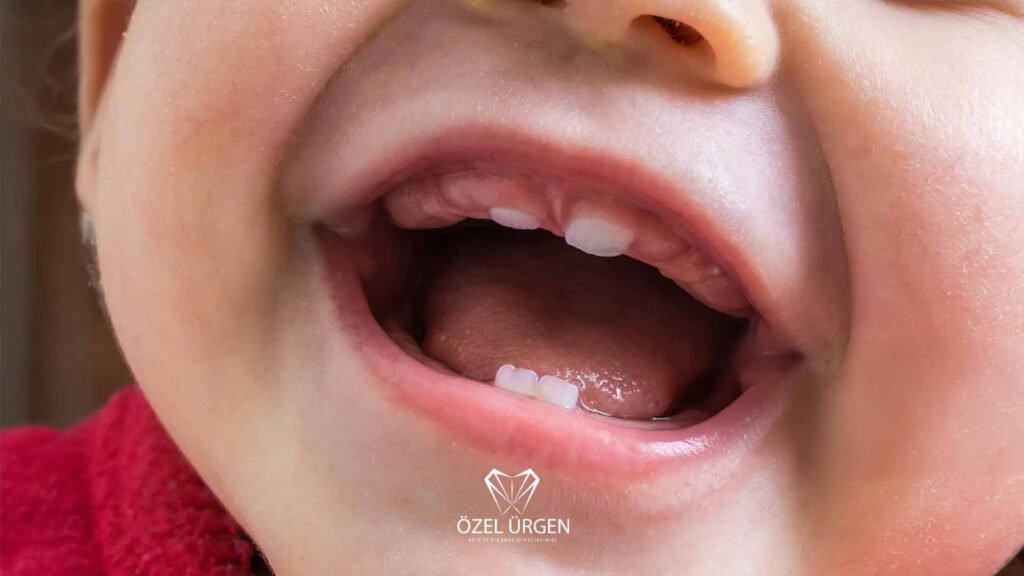
Teething in babies generally begins around the 6th month, but each baby progresses at their own pace. Some little ones may get their teeth earlier, while others may be a bit more patient. Typically, the first teeth to appear are the lower front teeth, followed by the upper front teeth. Full teething is usually completed by age 2-3, during which a total of 20 baby teeth develop.
Remember, every baby is different. There’s no need to compare your little one with a neighbor’s or friend’s baby who got their teeth early. Respecting your baby’s own rhythm is the healthiest approach for both of you. Early or late teething is usually completely normal, so there’s no need to panic!
Signs of Teething
The teething process in babies can sometimes pass almost unnoticed, while for some little ones it can be quite noticeable. Here are the most common signs:
Drooling: When the gums are stimulated, saliva production increases, so your baby may drool frequently.
Swollen and sensitive gums: Gums may appear red and slightly swollen. During this time, your baby may not like having their gums touched.
Chewing or gnawing objects: To relieve itching and discomfort, they may put their hands, toys, or anything they find into their mouth.
Fussiness and sleep disruption: Gum discomfort can disrupt sleep; they may wake more often or be more irritable than usual.
Changes in appetite: Some days they may not want to eat, while at other times they may be especially interested in cold and cool foods.
Every baby is different; some show these signs mildly, while others may express their discomfort with crying spells. The key is to understand your baby’s needs and navigate this period with patience and love.
Supporting Your Baby During Teething
When your baby is teething, being present and providing support can make a big difference. Here are some practical and loving ways to help during this period:
Teething toys and cold objects: Teething toys are excellent for soothing little gums. Cooling them slightly in the refrigerator can help reduce itching and discomfort.
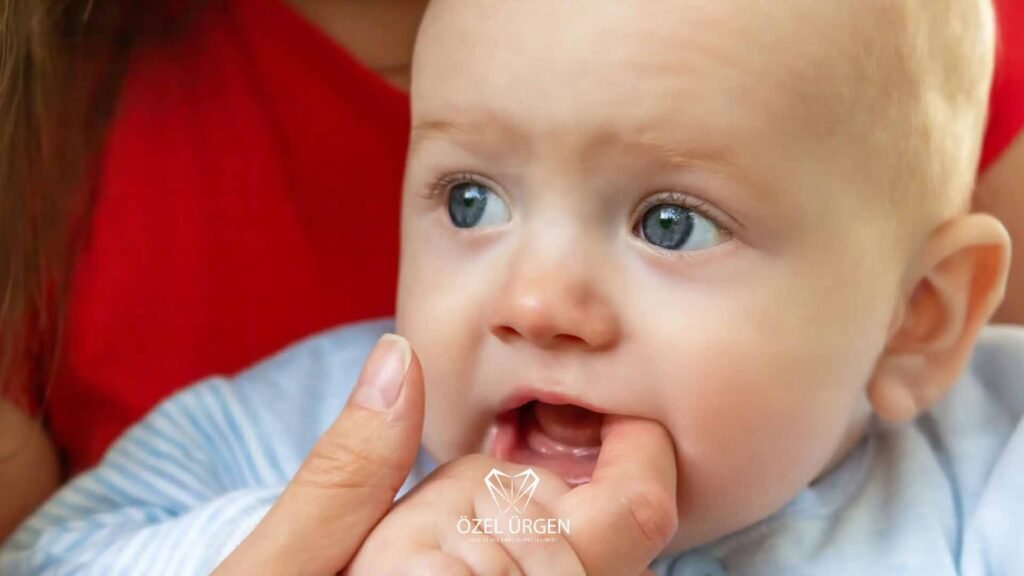
Gentle massage: Lightly massaging the gums with a clean finger can reduce your baby’s fussiness and give them a sense of comfort.
Cold foods: For babies older than 6 months, yogurt, puree, or slightly cold vegetable/fruit purees can be both nutritious and soothing.
Distract them: Games, songs, or cuddles can take your baby’s mind off discomfort. Sometimes just holding them in your arms is enough to soothe them.
Pain management: If your baby is really uncomfortable, an appropriate pain reliever can be used under your doctor’s guidance. Never give medication on your own; always follow the pediatrician’s instructions.
The most important thing during this period is to be patient and loving. Your baby is small but strong and will get through this process, and your loving presence will make these moments enjoyable.
Do Babies Get a Fever While Teething?
The teething process usually presents with gum itching, fussiness, and increased saliva production in babies. Some parents may notice that their babies have a slight fever during this period. Research shows that a very mild increase in body temperature can occur during teething; however, high fever is usually a sign of a more serious illness and is not directly related to teething.
Therefore, if your baby has a slight fever, there is no need to worry; soothing teething toys or a cold compress can help. However, if the fever exceeds 38°C (100.4°F), or if there are additional symptoms like diarrhea, vomiting, or lethargy, you should contact your doctor. Teething is usually a natural and harmless process, and simply being there with patience and love is enough support for your baby.
Comments are closed