



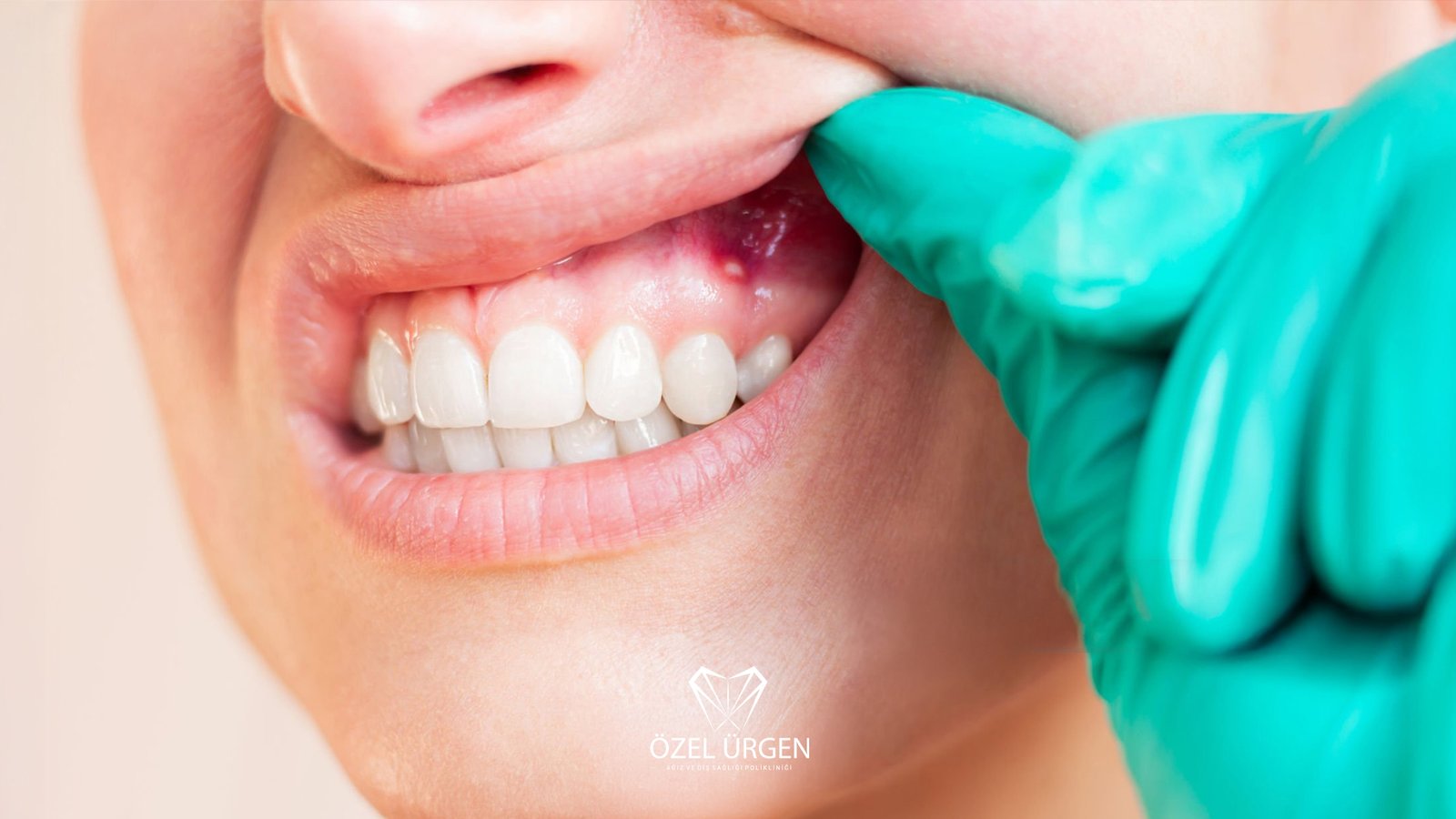
Causes of Gum Sores
One of the most uncomfortable problems that can happen inside your mouth is undoubtedly gum sores. They often start as a slight sensitivity, barely noticeable at first, but gradually they can become painful when eating, sensitive to hot or cold foods, and even noticeable when talking. Even in the simplest daily moments, these little sores are a reminder from your body that something needs attention.
Many people tend to ignore gum sores, thinking “it will pass.” However, while some sores are caused by minor irritations, others may signal poor oral care habits, lifestyle issues, or even underlying health problems. Frequent or long lasting sores shouldn’t be overlooked they’re worth paying attention to.
Oral health is deeply connected to overall health. That’s why even the smallest changes in your gums deserve attention, proper understanding of the causes, and timely care to prevent further problems.
What Is a Gum Sore?
A gum sore can be thought of as a small but bothersome injury on the gum surface. It might happen when you accidentally bite your gum, eat something too hard, or simply have sensitive oral tissues. In appearance, it can look red, white, or slightly yellow, and usually becomes noticeable when touched or when eating.
Sometimes these sores heal quickly and we hardly think about them. But other times, they linger in your mouth, reminding you constantly they sting while eating, bother you with hot or cold drinks, and sometimes even bleed slightly while brushing. This is when you realize that even a small sore can have a big impact.
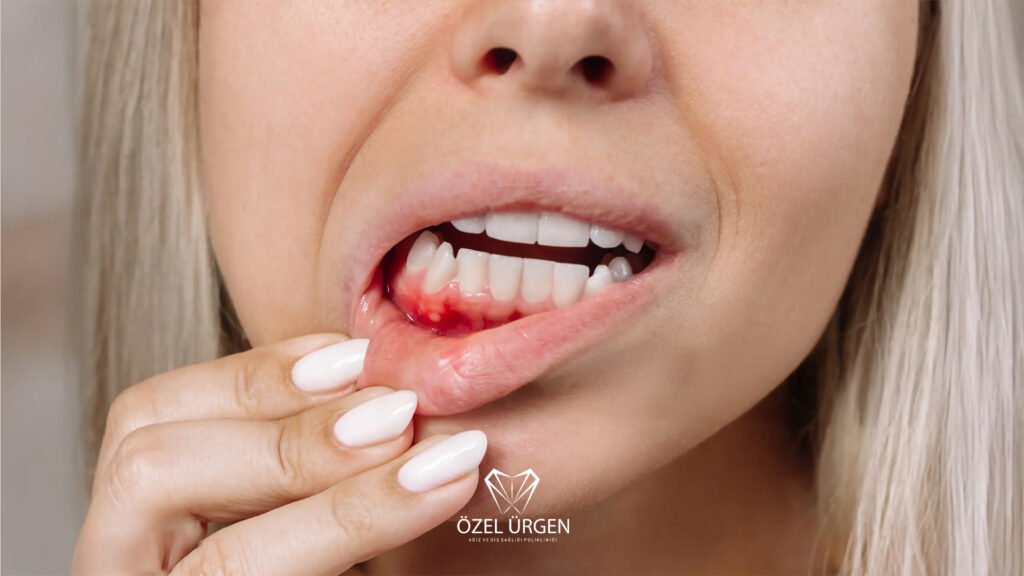
Although most gum sores arise from simple causes, they are also your body’s way of signaling that something isn’t quite right. So it’s important to pay attention to sores that recur often or take longer to heal, and to take extra care of your oral health.
Why Do Gum Sores Form?
There isn’t a single reason why gum sores appear. Often, they result from small, unnoticed habits in our daily lives. Biting your gum accidentally, eating something hard, or brushing too vigorously can all irritate these delicate tissues. Many people don’t even realize they’ve bitten their gums until that small twinge reminds them.
Neglecting oral hygiene also plays a significant role. When teeth aren’t cleaned properly, plaque and bacteria accumulate, irritating the gums and sometimes causing inflammation. This may come with redness, swelling, or bleeding while brushing. Essentially, when the balance inside your mouth is disrupted, your gums let you know immediately.
Another common cause is canker sores (aphthous ulcers). These sores usually have a white center with a red border and tend to appear during stressful periods, lack of sleep, or weakened immunity. Anyone going through a particularly busy or stressful time has probably experienced these small but painful sores.
Your diet also plays a bigger role than most people realize. Deficiencies in vitamin B12, iron, or folic acid make it harder for oral tissues to repair themselves, leaving gums more sensitive and prone to sores. Sometimes the problem isn’t just in your mouth it can be a reflection of your body’s overall balance.
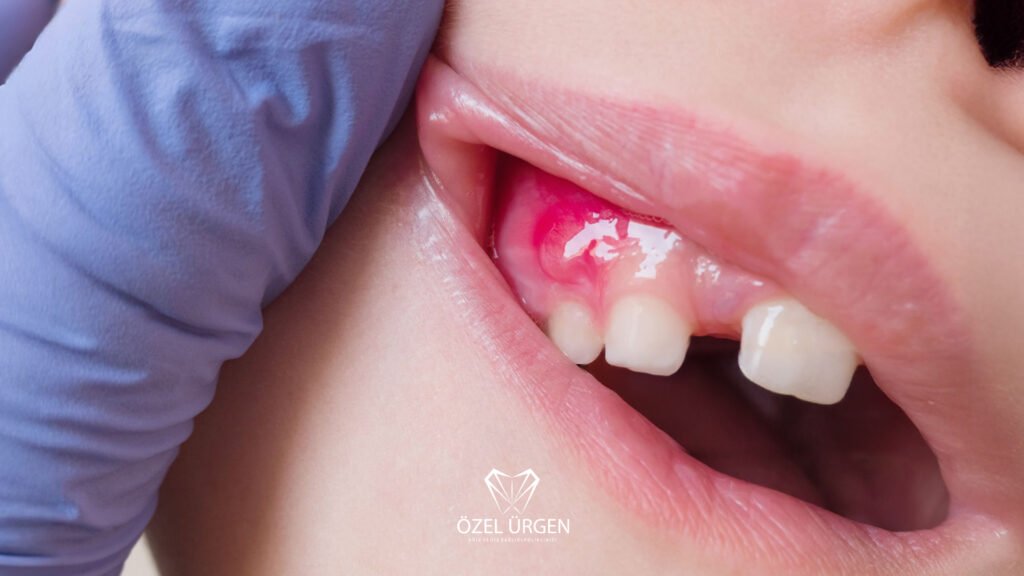
On top of all this, stress, smoking, and orthodontic treatments can trigger gum sores. High stress weakens the immune system, smoking slows down healing, and braces or wires can rub against the gums, causing small injuries, especially in the early stages.
Home Remedies for Gum Sores
Most gum sores aren’t anything to panic about and can be managed at home with the right approach. The key is to comfort your gums without causing further irritation. With a little care, you can make this healing process much more comfortable.
One of the simplest yet most effective methods is rinsing with warm salt water. It helps reduce bacteria in the mouth and supports faster healing. Gentle brushing is also crucial use a soft bristled toothbrush and avoid pressing too hard, which can speed up recovery.
What you eat can make a big difference too. Very hot, spicy, or acidic foods can irritate the sore and slow healing, so for a while, stick to softer, lukewarm foods. Drinking enough water throughout the day also helps prevent dryness, which can delay recovery.
If these sores keep coming back, it’s a good idea to look beyond just external causes. Your body might be signaling an internal deficiency. Eating a balanced diet rich in vitamins and minerals plays a far bigger role in protecting your oral health than most people realize.
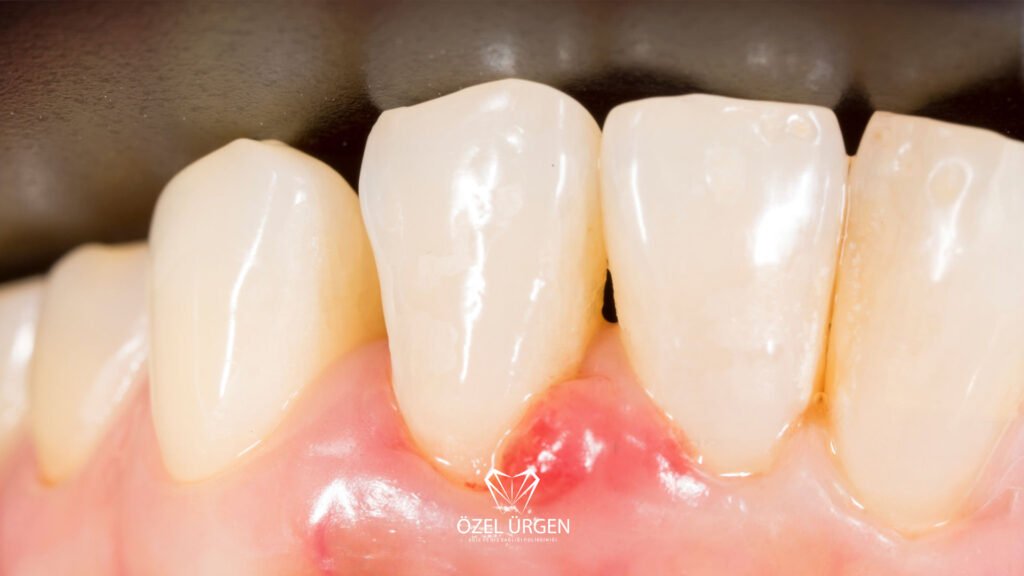
When Should I See a Doctor?
Most gum sores heal on their own and aren’t a cause for concern. But there are times when it’s important to take your body’s signals seriously. If a sore hasn’t healed after 10–14 days or keeps coming back, it’s worth paying attention.
Also, if the pain increases, swelling develops, or you notice excessive bleeding while brushing, don’t ignore these signs. If fever, fatigue, or general discomfort accompany the sore, your body could be indicating a more serious issue. In such cases, seeing a dentist is the safest step, as some sores may point to more than just minor irritation.
Comments are closed