



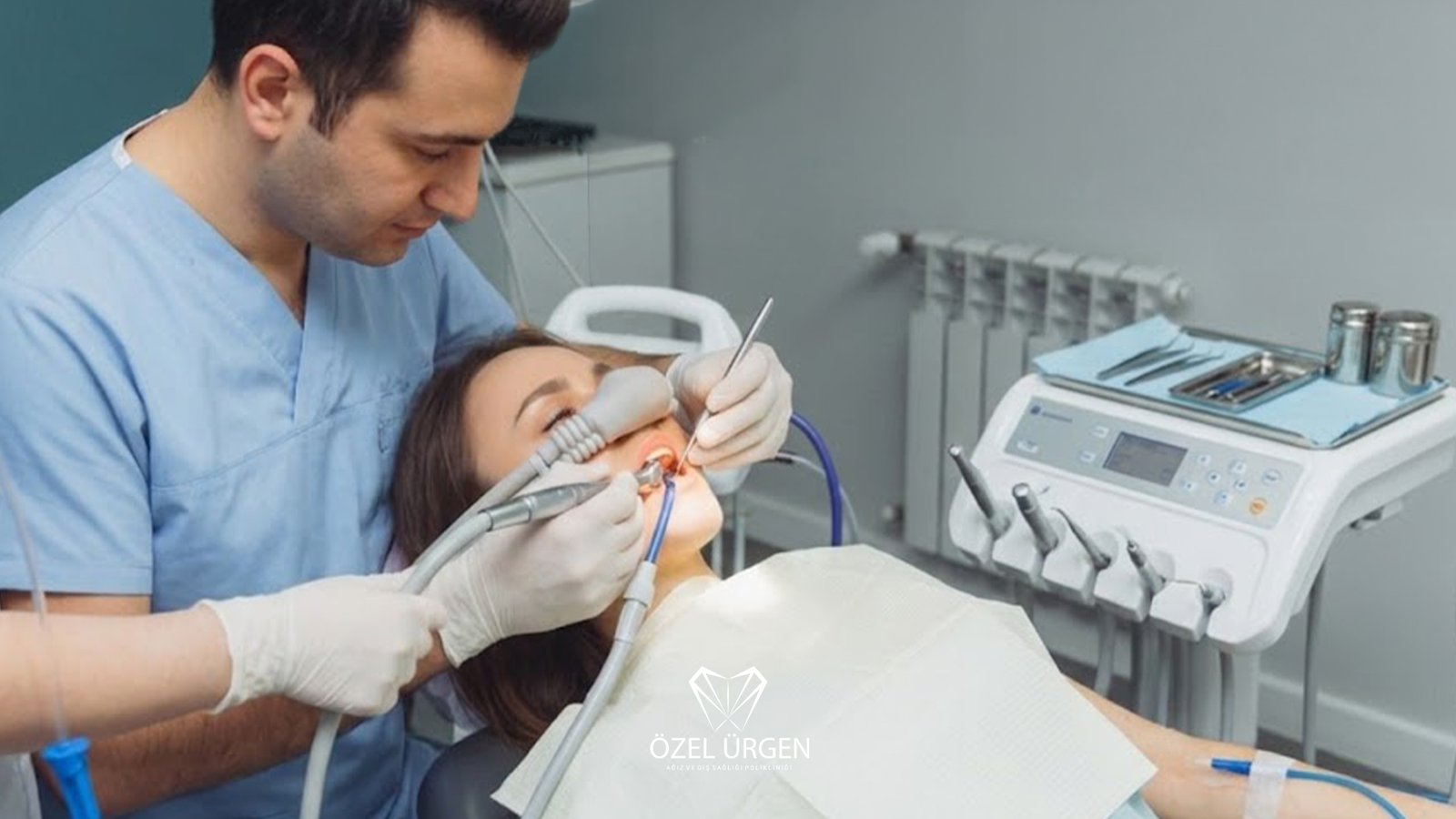
Sedation Dental Treatment
When it comes to dental treatment, most of us immediately feel a little nervous, excited, or sometimes even scared. This feeling is completely normal, as many of us have been influenced by unpleasant childhood experiences at the dentist. Those white coats, the sound of the drill, and the moment the needle goes in… Some moments are so vivid that even stepping through the clinic door makes our hearts race.
But don’t worry, you’re not alone. These feelings are a natural part of dental care and almost everyone experiences them from time to time. Nowadays, modern dentistry has developed many techniques to reduce fear and anxiety. With methods that help you relax and treatments that are comfortable and pain free, going to the dentist is no longer as intimidating as it once was.
What is Sedation?
Sedation is a method that makes dental treatment much more comfortable and stress free. Simply put, it helps calm you down and reduces anxiety during the procedure, but it doesn’t put you completely to sleep. You can still talk to your dentist, ask questions, and be aware of your surroundings; the stress and fear you normally feel are greatly reduced.
This method is especially ideal for people with dental phobia, those undergoing lengthy treatments, or children who need to stay in the dental chair for a long time. With sedation, a dental appointment is no longer a frightening task but rather a relaxing self care experience. Anxiety and nervousness are minimized, making the procedure much more comfortable for you.
Types of Sedation
Sedation can be applied in different ways to make dental treatment more comfortable, and it is generally divided into three main categories:
Oral Sedation:
In this method, a prescribed sedative is taken by mouth before the treatment. It helps the patient feel calm, and anxiety is greatly reduced. A mild sleepiness may occur, but the person is not completely unconscious, so communication with the dentist continues.
Intravenous (IV) Sedation:
IV sedation involves administering the sedative directly into a vein, and its effect is immediate. This method is ideal for long or intensive procedures. The patient is usually in a semi sleep state, relaxed, and stress is minimized, making the treatment easier for both patient and dentist.
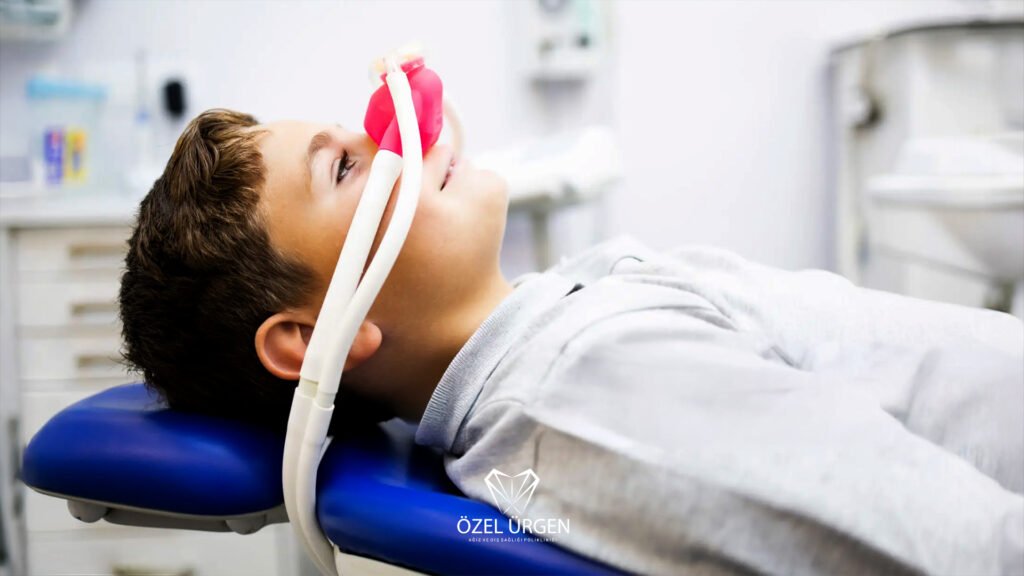
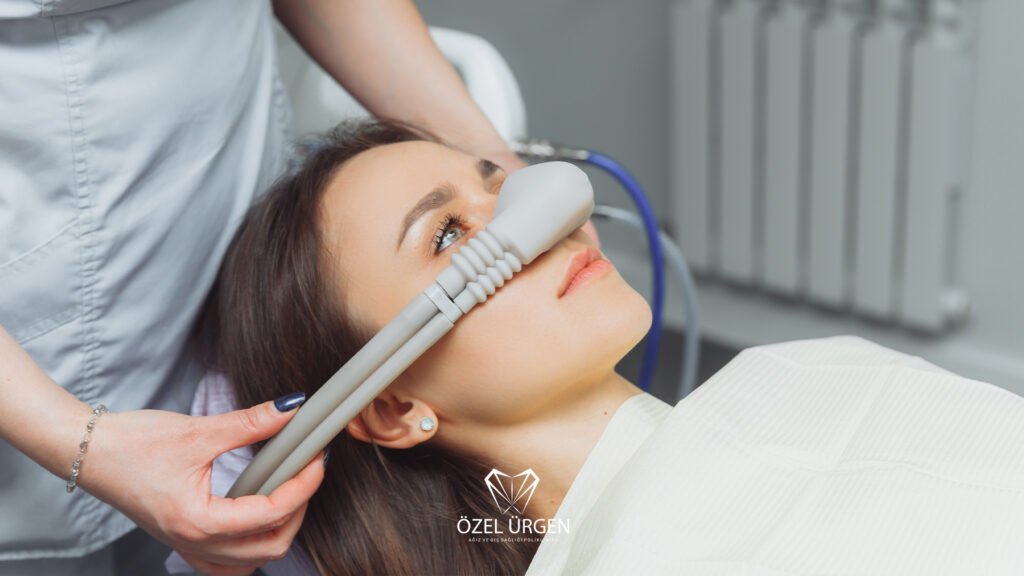
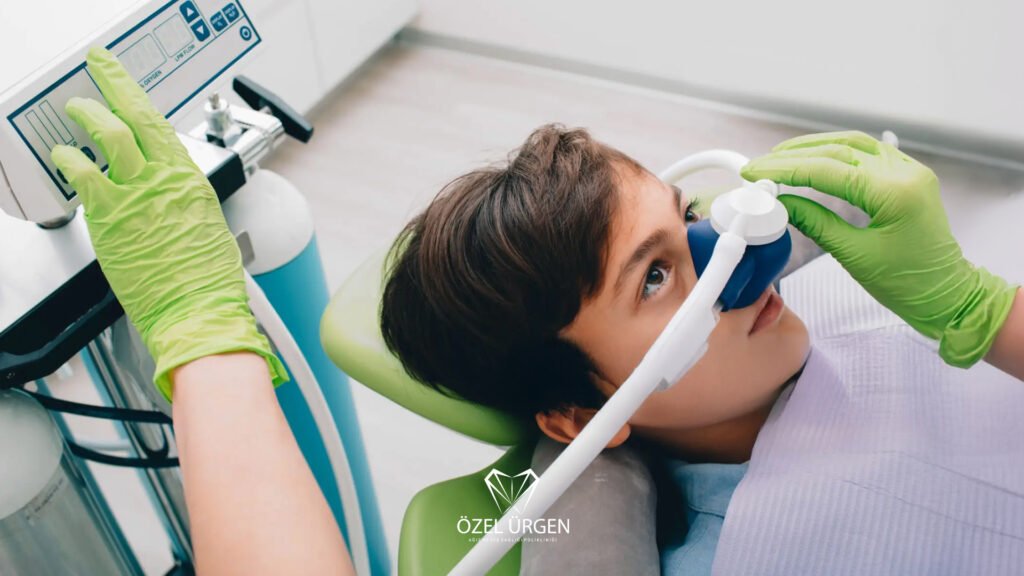
Gas Sedation (Nitrous Oxide / N2O – “Laughing Gas”):
Commonly known as laughing gas, this method quickly reduces anxiety and keeps you comfortable during the procedure. Its effect starts fast and wears off immediately after the treatment, allowing you to return to your daily activities. It is a safe and comfortable option for both children and adults.
Advantages of Sedation Dental Treatment
Sedation not only makes dental treatment easier but also transforms it into a much more comfortable experience. Even sitting in the chair is no longer intimidating, and the treatment becomes a calm journey. So, what are the main advantages of sedation?
Reduces Fear and Anxiety:
The dentist’s chair can sometimes trigger serious anxiety, especially when combined with childhood memories. Sedation significantly reduces this fear, making the treatment much more manageable.
Reduces Perceived Pain:
While sedation doesn’t completely remove pain, it reduces your sensitivity to it. This allows you to feel more comfortable during the procedure and makes the treatment experience smoother.
Easier for Long or Intensive Procedures:
For treatments like fillings, root canals, or implants, it’s normal to feel restless or anxious. Sedation helps you relax and stay focused, ensuring the procedure goes smoothly for both you and your dentist.
Great for Children:
Dental treatments at a young age can sometimes be traumatic. Sedation helps children relax, minimizes fear, and allows them to receive dental care without stress.
What to Know Before Sedation
Sedation is safe and comfortable when performed by experienced dentists and staff specially trained in sedation. However, some small preparations are important before the treatment. For example, if IV sedation is planned, fasting for a few hours is necessary to ensure the medication works safely and effectively.
Also, it’s very important to communicate openly with your dentist about your health condition. Conditions like heart, lung, or other chronic issues are considered during sedation planning, and necessary precautions are taken to keep you safe.
Any medications or vitamin supplements you take should also be shared with your dentist before sedation. This helps prevent potential side effects and ensures the treatment goes smoothly.
Post Sedation Care
After sedation, it’s important for the patient to rest for a while. Especially after IV or oral sedation, it’s recommended to have someone accompany you home to prevent any side effects and ensure your safety. Most people can return to their daily routine within a few hours, but it’s best to take it easy and give yourself some time.
Is Sedation Dental Treatment Really Safe?
Absolutely! Sedation dental treatment is considered a safe method in modern dentistry. Safety is ensured through an experienced dentist and a trained sedation team. During the procedure, the correct dosage is administered, and the patient’s heart rate, blood pressure, and breathing are continuously monitored. This minimizes potential risks, allowing you to complete your dental care comfortably.
Sedation Dental Treatment Prices
The cost of sedation dental treatment can vary depending on the chosen sedation method and the duration of the procedure. For example, oral sedation is more suitable for short treatments, while IV sedation is preferred for longer and more intensive procedures, and the price adjusts accordingly.
Comments are closed