



The Effects of Smoking on Teeth
Smoking… It’s something that has touched many of our lives in one way or another. Sometimes it’s justified as a way to “relieve stress,” other times it’s postponed with “I’ll quit, just not now.” But there’s a side of it that quietly shows up every time you look in the mirror often the most silent yet most noticeable damage begins right there: in your teeth and overall oral health.
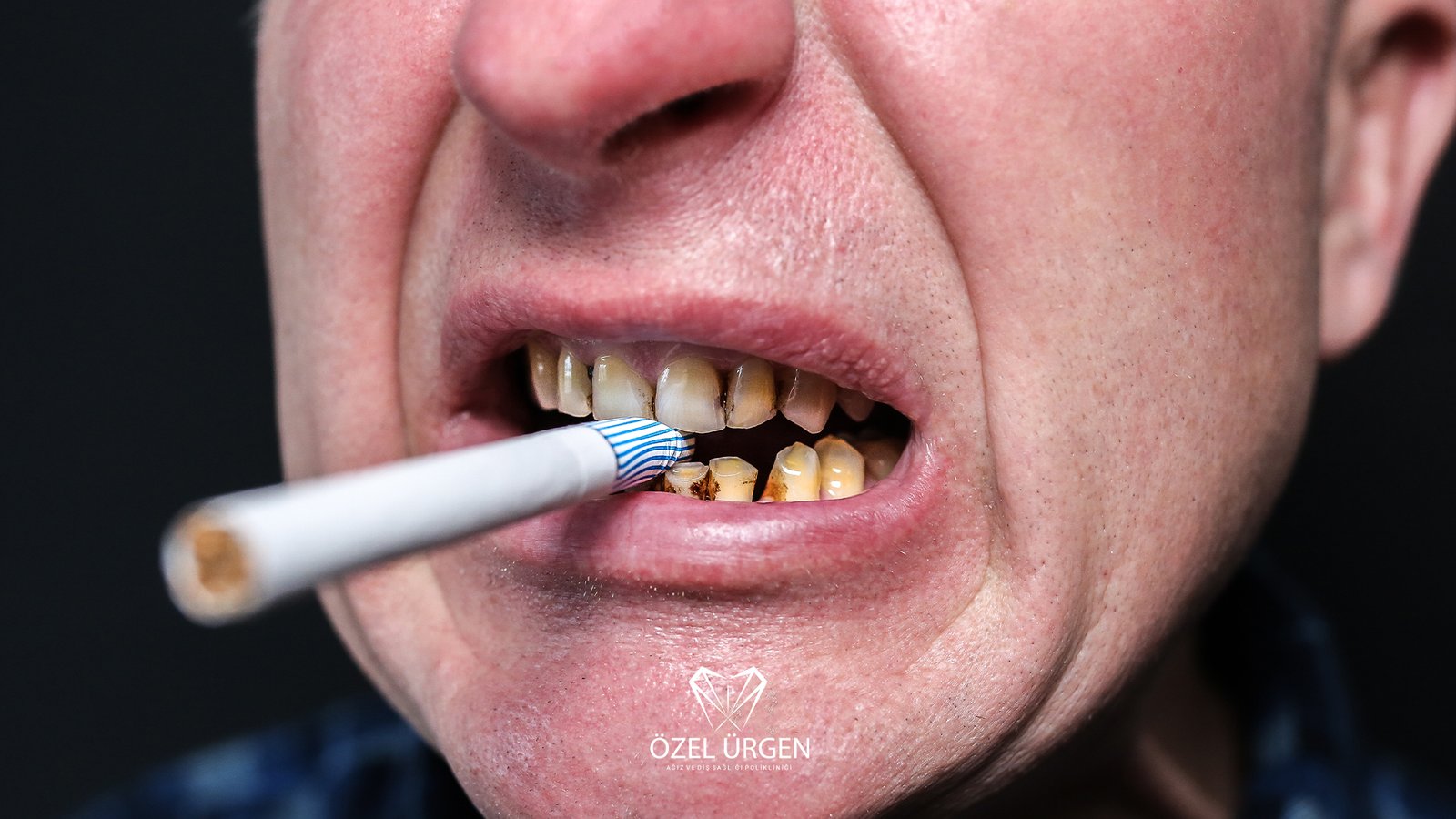
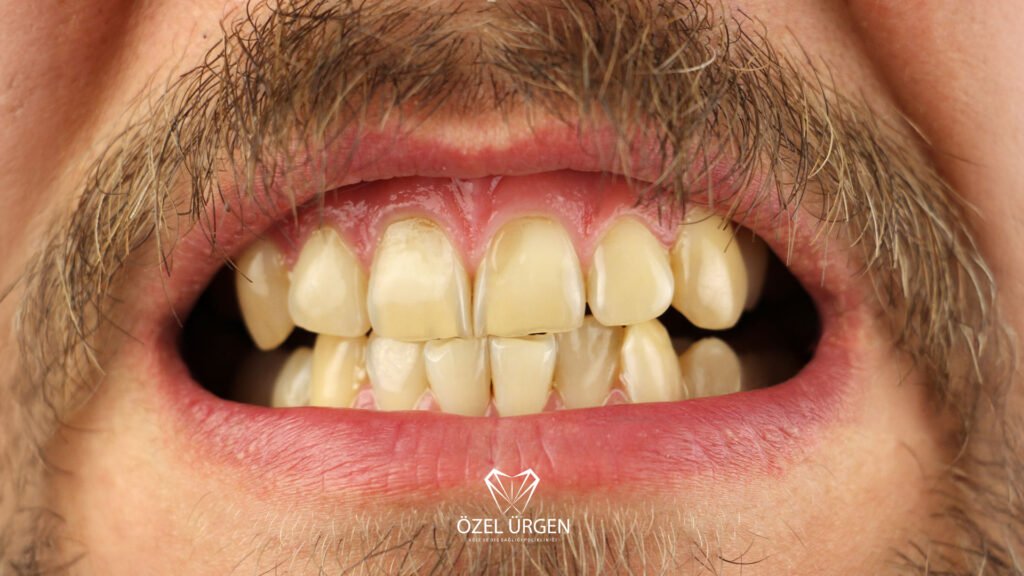
When people think about how smoking harms teeth, they usually imagine staining. And yes, that’s often the first thing you notice. Teeth gradually lose their natural whiteness, shifting from yellow to deeper brown shades over time. But honestly, that’s just the visible part the tip of the iceberg. The real issue lies beneath the surface, in what’s happening inside the tooth and around the gums.
Nicotine and tar in cigarettes stick to the enamel, creating stubborn, long term stains. Unlike tea or coffee stains, these marks are much more persistent. They don’t simply go away with brushing and often require professional cleaning. Beyond the physical effect, this can also impact confidence hesitating to smile, hiding your teeth in photos… small things that slowly start affecting everyday life.
But it’s not just about appearance. The real concern begins with the gums. Smoking reduces blood flow to the gum tissues. What does that mean? Even when your gums are unhealthy, they may not show it clearly. Normally, gum disease comes with warning signs like bleeding or redness. But in smokers, these signs are often less noticeable. So the problem exists, but you don’t really feel it. And that allows the disease to progress quietly to more advanced stages.
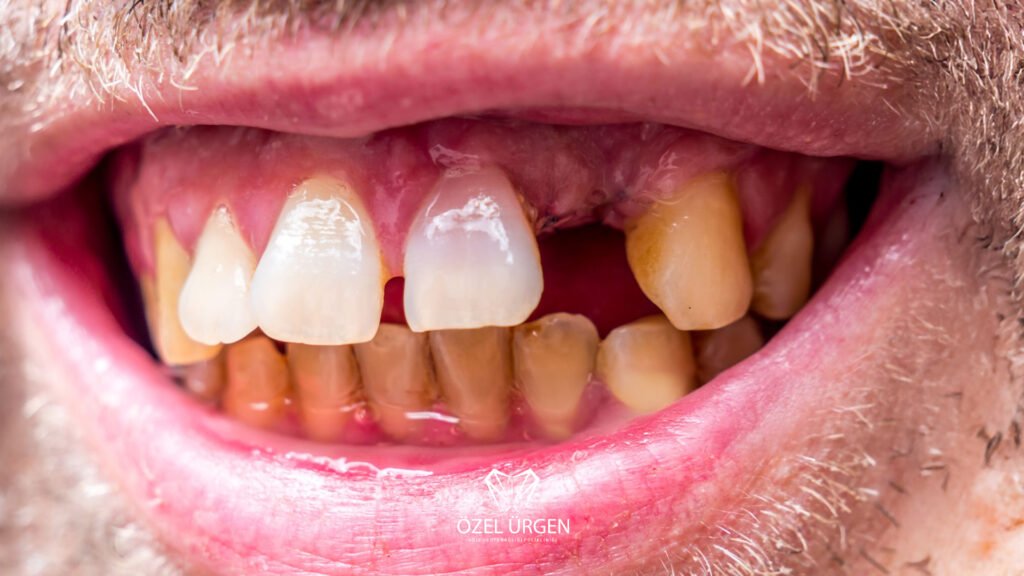
So what happens when gum disease progresses? The bone that supports your teeth starts to weaken. In simple terms, your teeth begin to lose their stability. It might start with slight movement, but over time it can lead to serious loosening and eventually tooth loss. The tricky part is that this process is often painless, which makes it easy to ignore until it becomes a major issue.
Then there’s the issue of bad breath. Many smokers aren’t even aware of it because they get used to the smell. But others can notice it clearly. Smoking increases the number of bacteria in the mouth, which leads to persistent bad breath. Chewing gum or using mouth spray may mask it for a short time, but as long as the root cause remains, the problem doesn’t really go away.
Another important effect of smoking is how it slows down healing. Let’s say you’ve had a dental procedure maybe an implant or a gum treatment. In smokers, recovery takes significantly longer. In some cases, treatments may even fail. Especially with dental implants, smoking can seriously interfere with the process of the implant bonding with the bone, which may lead to unsuccessful results.
Smoking also affects your sense of taste. Over time, it dulls the taste buds on your tongue. That’s why many smokers notice that food doesn’t taste the same as it used to. This can indirectly affect eating habits as well. So it’s not just about teeth your entire oral environment and even your overall well being are connected and influenced.
One of the most serious but least talked about risks is oral cancer. Smoking continuously damages the tissues inside the mouth. Over time, this can lead to changes at the cellular level. The tongue, lips, and inner cheeks are particularly at risk. At this point, it goes beyond aesthetics or tooth loss it becomes a much more serious health concern.
It’s important to be honest about one thing: if you smoke, you need to take extra care of your oral hygiene. But no matter how careful you are, it’s not possible to completely cancel out the damage caused by smoking. Thinking “I brush regularly, I’ll be fine” isn’t entirely realistic. Brushing helps, but it doesn’t eliminate the effects of smoking.
Sometimes we tend to convince ourselves otherwise. “I don’t smoke that much,” or “my teeth look fine” are often just ways of reassuring ourselves. But the truth is, the changes happen slowly. The color, the strength, the health of your teeth… they all shift gradually, often without you even realizing it.
The good news is that once you quit, your body starts to recover. This includes your mouth as well. Your gums begin to heal, blood circulation improves, and bad breath starts to fade. It may take time to fully recover, but at least the damage stops progressing and that alone is a big step.
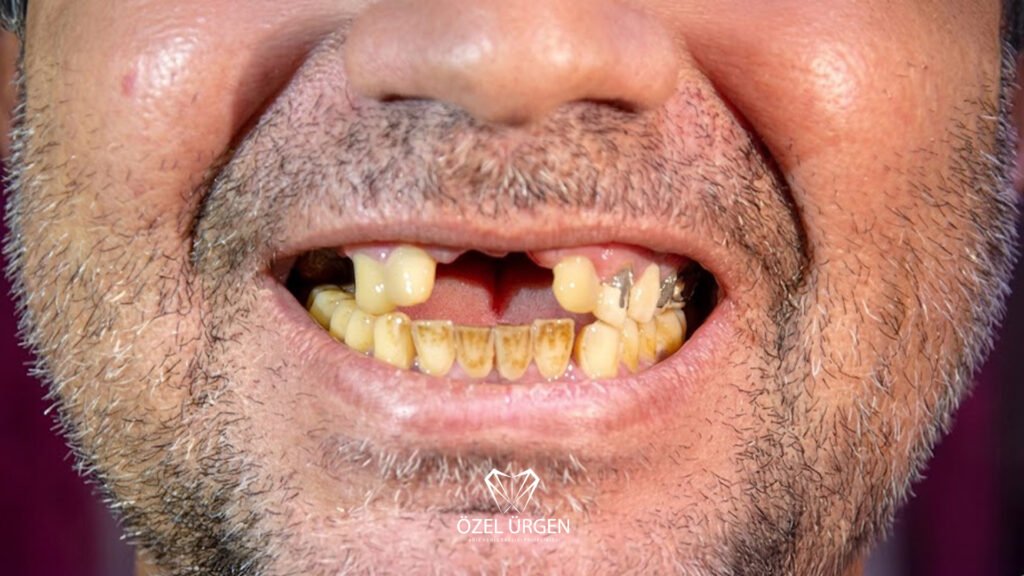
In the end, it’s not just about having white teeth. It’s about having healthy teeth, a comfortable smile, confidence, and most importantly, overall health. Smoking slowly takes away from all of these. Maybe it’s not obvious today, but over time, the impact becomes very clear.
Maybe it’s worth asking yourself one simple question: is it really worth it?
Because the smile you see in the mirror is far more valuable than you might think.
Comments are closed