



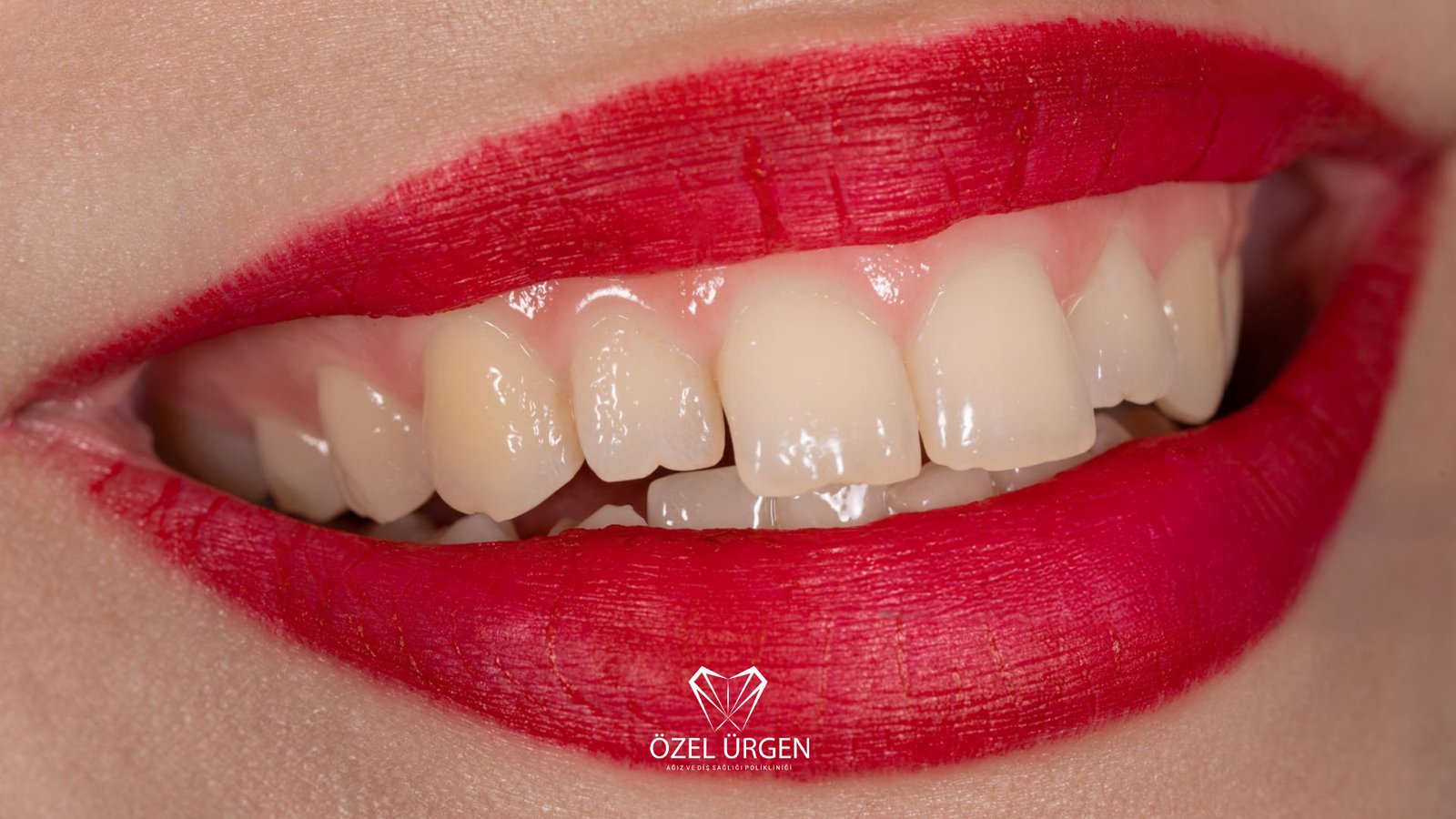
Tooth Enamel Erosion – Symptoms and Treatment
Our teeth… We use them every day, often without even realizing it, yet when their health is compromised, our quality of life can be seriously affected. Sipping a hot cup of tea, biting into a cold ice cream, or waking up in the middle of the night with a throbbing toothache reminds us how valuable our teeth truly are. Suddenly, even the simplest pleasures become difficult; eating, speaking, and even smiling can turn into moments filled with hesitation.
Most of us tend to postpone dental care until a real problem appears. Phrases like “It’s just a little sensitivity, it will pass” or “I can manage for now” are all too familiar. However, teeth are one of the body’s quietest warning systems. A mild ache, occasional sensitivity, or an unexplained discomfort can actually be early signs of a bigger issue. When detected early, many dental problems can be resolved easily; when ignored, they often become more complicated and costly.
Dental health is not limited to cavities or pain alone. Problems in the mouth are closely linked to overall health. From digestion and the immune system to self confidence in social life, many aspects of our well being are directly connected to healthy teeth. Being able to smile freely and speak without hesitation is a clear reflection of how important a healthy oral structure truly is.
What Is Tooth Enamel and Why Is It So Important?
Tooth enamel is the surface of the tooth that comes into direct contact with the outside world. Everything we eat, drink, and chew interacts with this layer first. While it is extremely hard and durable, this does not mean it is indestructible. In fact, many people unknowingly develop daily habits that gradually wear down their enamel.
Although tooth enamel is one of the hardest tissues in the human body, it has a critical limitation: it cannot repair itself. Just as a broken bone can heal over time, enamel cannot regenerate once it is damaged. When it becomes thinner, cracked, or worn away, the body cannot naturally restore it. This is exactly why protecting tooth enamel is so important.
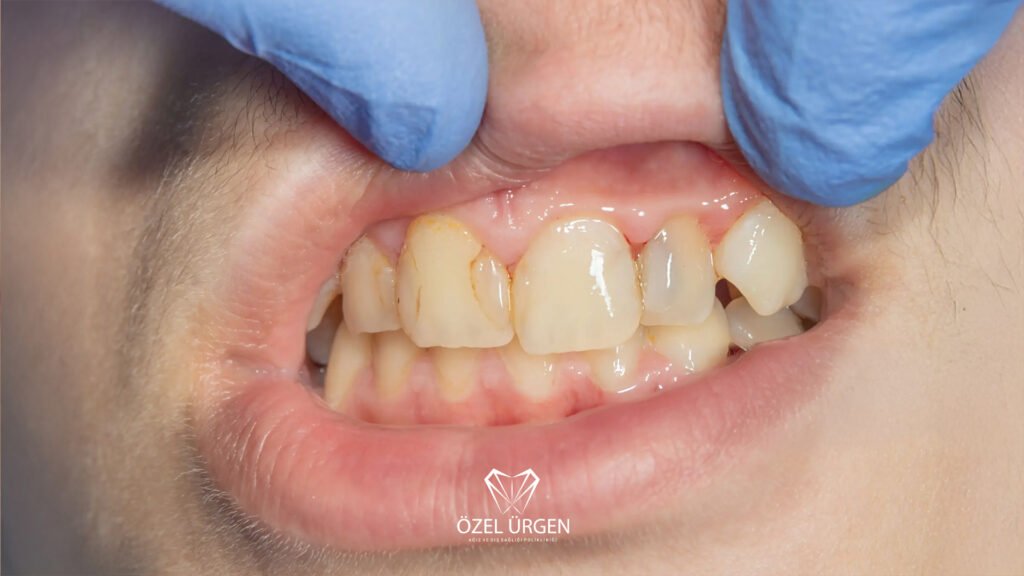
Tooth enamel acts like a protective shield for the dentin and nerve tissue inside the tooth. Hot coffee, cold drinks, acidic foods, and hard textures would directly damage the tooth without this shield. However, when enamel begins to weaken, teeth become more sensitive. Sudden pain from cold foods, discomfort when eating sweets, or unexplained sensitivity are often the first warning signs.
Loss of enamel strength does not only cause sensitivity. Over time, the risk of cavities increases, teeth become more fragile, and aesthetic changes such as a dull or yellowish appearance may develop. In short, tooth enamel is a structure that wears away quietly but can lead to serious problems if ignored.
What Is Tooth Enamel Erosion?
Tooth enamel erosion refers to the gradual thinning, wear, or partial loss of the protective outer layer of the teeth. This process rarely happens suddenly; it progresses slowly and often goes unnoticed. In the early stages, it may only present as mild sensitivity or a vague feeling that “something doesn’t feel right,” which is why many people tend to overlook it.
As enamel continues to thin, teeth become increasingly vulnerable. Sharp pain from cold drinks, discomfort when consuming sweets, or spontaneous tooth pain are common signals of enamel erosion. Over time, changes such as dullness, discoloration, and rough tooth surfaces may also appear.
Tooth enamel erosion is rarely caused by a single factor. Daily habits, dietary choices, teeth grinding, improper brushing techniques, and acid related stomach issues can all combine to accelerate this process. In most cases, erosion is the result of small but persistent influences over time.
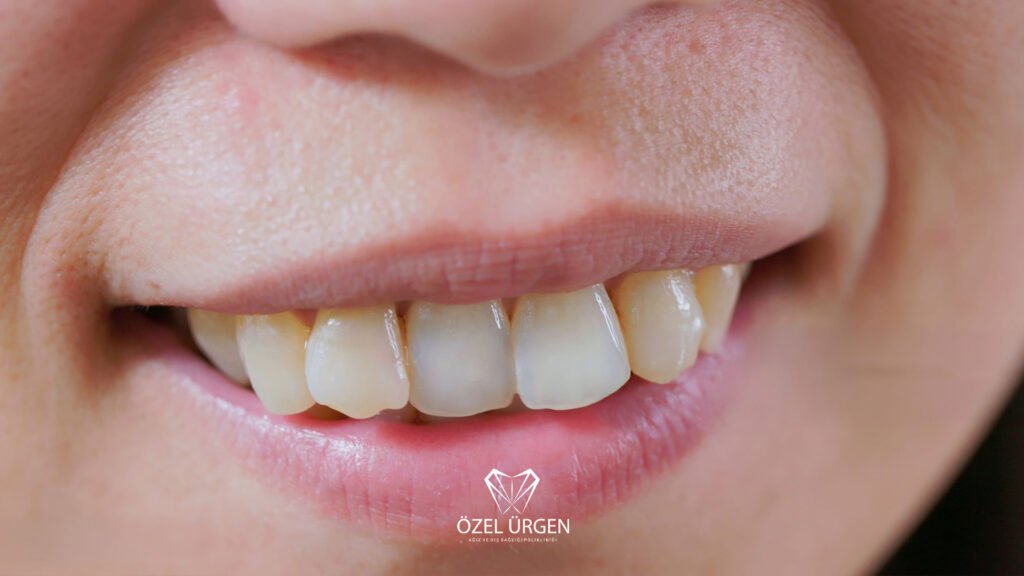
Causes of Tooth Enamel Erosion
Tooth enamel erosion usually develops as a result of accumulated daily habits rather than a single cause. Acidic beverages, carbonated drinks, energy drinks, citrus juices, and frequent consumption of acidic foods gradually weaken the enamel. When these are consumed throughout the day, teeth do not get enough time to recover. In addition, brushing too hard or using hard bristled toothbrushes can wear down enamel instead of protecting it.
Teeth grinding or clenching during sleep places constant pressure on the teeth, causing enamel to flatten and thin over time. Acid reflux can also expose teeth to strong stomach acids, leading to significant enamel damage. Waking up with a sour taste in the mouth may be an important warning sign. Reduced saliva production further increases the risk, as saliva plays a vital role in neutralizing acids and protecting tooth surfaces.
How Is Tooth Enamel Erosion Diagnosed?
Tooth enamel erosion is often difficult for individuals to recognize on their own. For this reason, dental examination is the most important step in diagnosis. During the examination, the dentist carefully evaluates the tooth surfaces for signs such as thinning, flattening, dullness, and discoloration. Patient complaints like sensitivity, pain, and daily habits also provide valuable clues.
In some cases, visual examination alone is not sufficient. Dental X-rays may be used to assess the internal structure of the tooth and determine how much enamel has been lost and whether the dentin is affected. Once the severity is identified, a personalized treatment plan is created based on the individual’s needs.
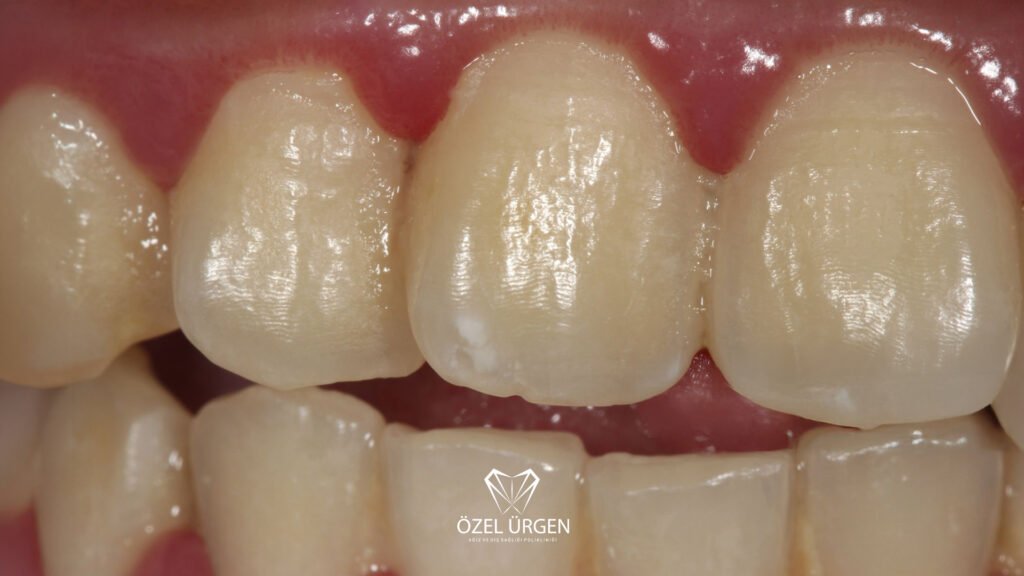
Treatment of Tooth Enamel Erosion
Treatment for tooth enamel erosion varies from person to person depending on the severity and underlying cause. In early stages, a conservative approach is often sufficient. Improving brushing habits, using fluoride-containing toothpaste, and applying desensitizing products can help slow the progression.
As erosion becomes more noticeable, professional fluoride treatments can strengthen enamel and reduce sensitivity. If aesthetic or functional problems arise, composite bonding may be used to restore worn surfaces. In advanced cases, porcelain veneers or crowns may be recommended to protect the teeth and restore a natural appearance. If teeth grinding is a contributing factor, wearing a night guard can be highly effective in preventing further enamel loss.
Can Tooth Enamel Erosion Be Prevented?
While it may not always be possible to completely prevent tooth enamel erosion, adopting the right habits can significantly reduce the risk. Using a straw for acidic drinks, waiting at least 30 minutes before brushing after consuming acidic foods, using a soft bristled toothbrush, and maintaining regular dental check ups all play an important role.
Remember, enamel loss progresses quietly but can have a major impact on daily life. Small preventive steps today can help you avoid bigger problems tomorrow. Don’t postpone your dental health taking action now means a healthier, more comfortable smile in the future.
Comments are closed