



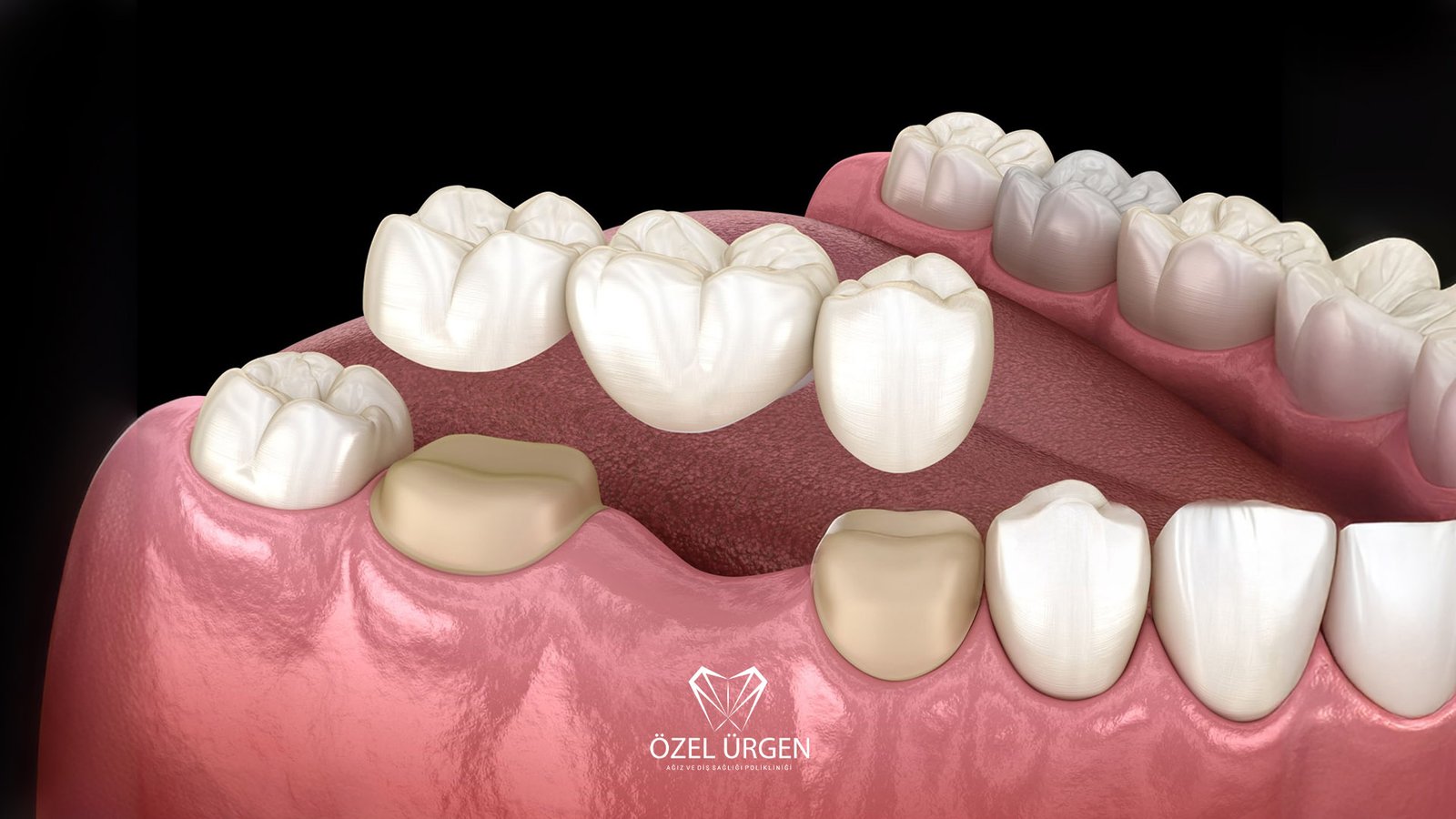
What is a Bridge Teeth?
A smile is the most natural expression that illuminates a person’s soul. A smile can sometimes convey what words cannot, and sometimes it conveys a sense of trust, sincerity, and warmth. But unfortunately, a missing tooth can hinder this beautiful expression. It can affect not only aesthetics but also chewing function, speech, and even self-confidence.
This is precisely where dental bridges, one of the most established and reliable solutions in dentistry, come into play. As the name suggests, a bridge is the process of creating a new “bridge” to replace the missing tooth, using adjacent healthy teeth as support. This method provides a natural-looking result and restores the function of the lost tooth.
With the advancements in cosmetic dentistry, bridges are no longer just for “filling the gap” but also for creating a natural smile. Thanks to modern materials, color matching, and digital impression techniques, bridges can look so natural that they are practically indistinguishable from your own teeth.
What is a Dental Bridge?
A dental bridge is a fixed prosthesis used to fill the space left by one or more missing teeth. In its simplest form, a new tooth is placed in the gap, supported by healthy teeth on either side of the missing tooth. This restores both aesthetic appearance and normalizes functions such as chewing and speaking. As the name suggests, a “bridge” is created between two teeth.
Bridge repair is a safe and reliable procedure used in dentistry for many years. It is both durable and offers a very similar appearance to natural teeth. Today, a wide variety of materials are used in this treatment. The most common are porcelain, zirconium, and metal-supported bridges. Zirconium bridges, in particular, offer significant aesthetic advantages because they closely mimic natural tooth color and light transmittance.
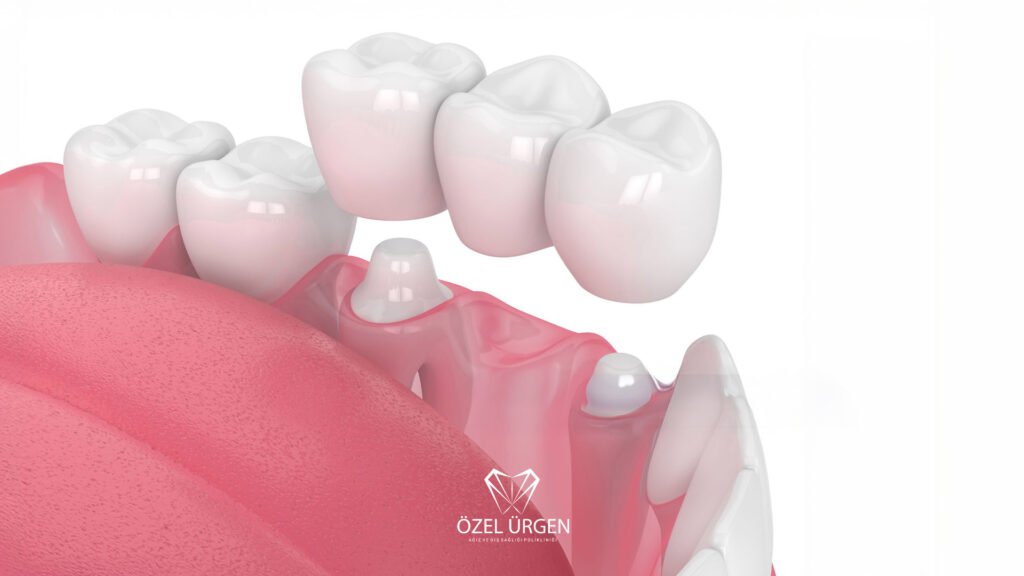
When is a Dental Bridge Placed?
When a tooth is lost, it’s not just a single tooth that’s missing. Over time, that small gap affects the balance in the mouth. The adjacent teeth begin to tilt towards the gap, the teeth in the opposite jaw can grow, and chewing patterns can be disrupted. In the long run, it can even cause pain in the jaw joint or an aesthetically unsightly appearance.
In such cases, a dental bridge is essential. If the bone structure isn’t suitable for implants, or if the patient doesn’t want one, a dental bridge is a highly effective and practical alternative. It’s often preferred, especially in cases where several adjacent teeth are missing, due to its durability and cost-effectiveness.
A dental bridge allows for aesthetic and functional replacement of lost teeth. This restores not only a beautiful smile but also a healthy chewing pattern. Because missing teeth aren’t just about appearance; if left untreated, they can negatively impact the overall balance of oral health.
How is a Dental Bridge Made?
Dental bridge treatment is a meticulous process involving careful planning and several stages. It’s usually completed in two or three appointments, resulting in a natural, aesthetically pleasing and functionally natural result.
Treatment begins with a detailed oral examination by the dentist. The area where the missing tooth is located, the strength of the surrounding teeth, and the jaw structure are assessed. If necessary, X-rays are taken to create the most appropriate treatment plan. Every patient’s oral structure is unique, and this planning phase is crucial for the bridge’s longevity.
In the next step, the teeth on either side of the gap are slightly reduced. These teeth are called “abutment teeth.” This support is essential for the bridge to hold. Local anesthesia is administered during the procedure, so there is no pain or discomfort.
Once preparation is complete, impressions of the teeth are taken using special molds. These impressions are sent to the dental laboratory, and a custom-made bridge is fabricated. This process can take several days. During this time, the patient will need a temporary bridge to minimize aesthetic concerns and prevent tooth sensitivity.
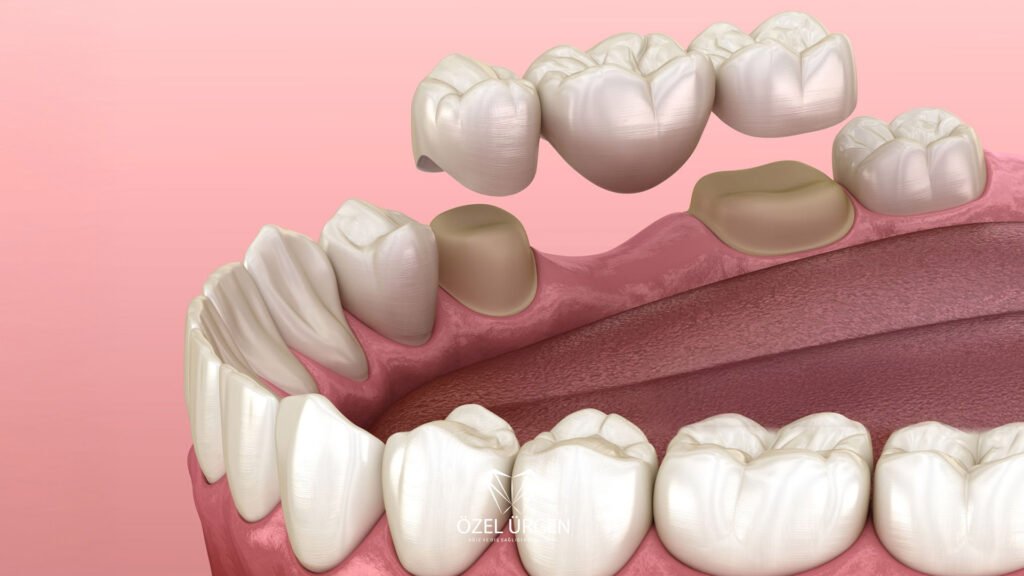
Once the bridge is ready, the dentist will check to see if the new tooth fits properly in the mouth and is compatible with chewing and occlusion. Minor adjustments are made if necessary. If everything is in place, the bridge is secured with special dental adhesives.
Once the treatment is complete, the patient will have a natural-looking, durable bridge replacing the missing teeth. This not only enhances the smile but also significantly improves speech, chewing, and overall oral comfort.
Advantages of Dental Bridges
Dental bridges offer numerous advantages, both aesthetically and functionally. Their most significant advantage is that they provide a result that closely resembles natural teeth. Bridges, especially those made of zirconium and porcelain, reflect light like natural teeth, creating a highly aesthetically pleasing smile. Furthermore, they are completed much quicker than implants; you can replace missing teeth without waiting weeks.
Because they are fixed, there’s no need for insertion or removal; you can chew and speak with confidence, just like your own teeth. They are also highly functional; they are barely noticeable when eating or smiling. Furthermore, they are generally a more affordable option than implants.
Are There Any Disadvantages of a Dental Bridge?
As with any treatment, dental bridges can have some disadvantages, but these can generally be easily avoided with proper care and regular checkups. With a bridge, the adjacent teeth need to be slightly reduced because they will serve as support. Even if these teeth are completely healthy, this procedure is performed to ensure a secure hold for the bridge. Furthermore, food debris can accumulate under the bridge over time, and if oral hygiene is not maintained, problems such as gingivitis or cavities can develop.
But there’s no need to worry. Brushing your teeth twice a day, using dental floss or an interdental brush, and regular dental checkups will reduce these risks to almost zero.
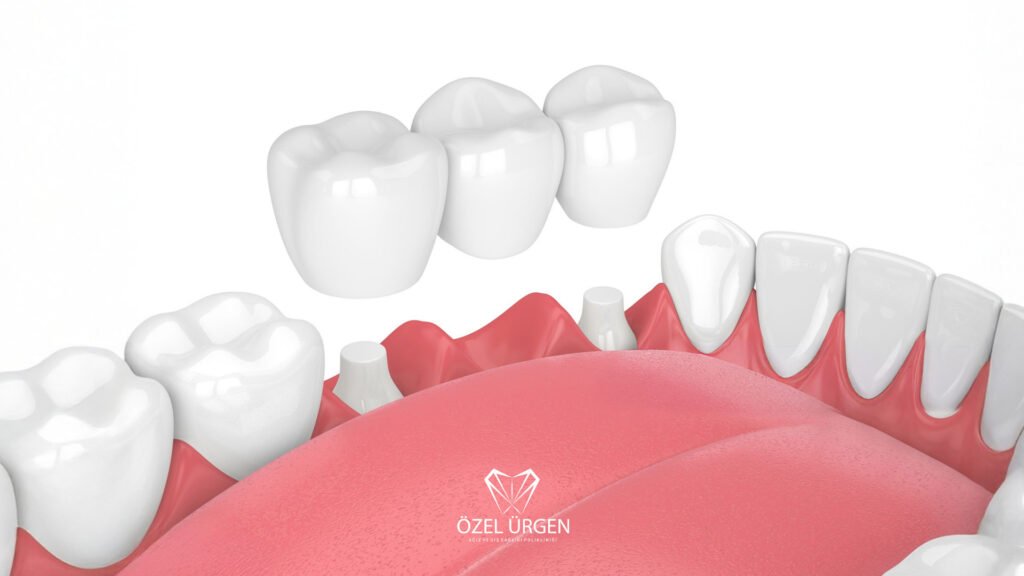
Dental Bridge Prices
The cost of dental bridge treatment can vary depending on many factors. These factors include the type of material used, the length of the bridge, the quality of the laboratory, and the dentist’s experience. Furthermore, because each patient’s oral structure, the number of missing teeth, and the treatment plan are unique, the price is determined individually.
For example, the cost may increase slightly when using more aesthetically natural and durable materials like zirconium; however, for those seeking a long-lasting and natural smile, this investment is definitely worthwhile.
The best way to get the most accurate pricing information is to schedule a consultation and receive a personalized evaluation. After examining your oral condition, your dentist will determine the most appropriate treatment option and provide a clear price range accordingly.
Remember, a dental bridge isn’t just a replacement for a missing tooth; it’s also an investment in your smile and quality of life.
Dentist Ali Ürgen
Comments are closed