



What is Tartar Cleaning?
We strive to regularly brush, floss, and maintain good oral hygiene for our oral and dental health. While all these efforts are certainly crucial, they may not always be enough. Over time, bacterial plaque accumulates in areas we can’t reach during daily care, and this plaque hardens, forming what we call tartar.
Tartar not only causes an unsightly yellowish-brown appearance on teeth, but it’s also one of the leading causes of gingivitis and, in the long run, serious gum disease. Furthermore, tartar isn’t just aesthetically pleasing; it’s also linked to problems that can lead to bad breath and tooth loss. Therefore, tartar is a problem that should be taken much more seriously than many people realize.
What is Dental Calculus?
Dental Calculus is a common and often unnoticed problem in oral health. It is essentially formed by the hardening of bacterial plaque that accumulates on teeth over time. Regular brushing can remove most of the plaque in our daily lives. However, plaque accumulates in areas where a toothbrush can’t reach, combines with the minerals in saliva, and forms a hardened layer called dental calculus.
Dental calculus is most common around the gum line, between teeth, and especially behind the lower front teeth. This is because plaque accumulates more easily in these areas and the salivary glands are more actively involved. Its color usually ranges from yellow to brown, but in some cases it can take on a darker appearance.
Dental tartar not only creates an aesthetically unsightly appearance, but can also cause gum irritation, inflammation, and, over time, gum recession. One of the most common causes of bad breath is tartar.

What is Tartar Cleaning?
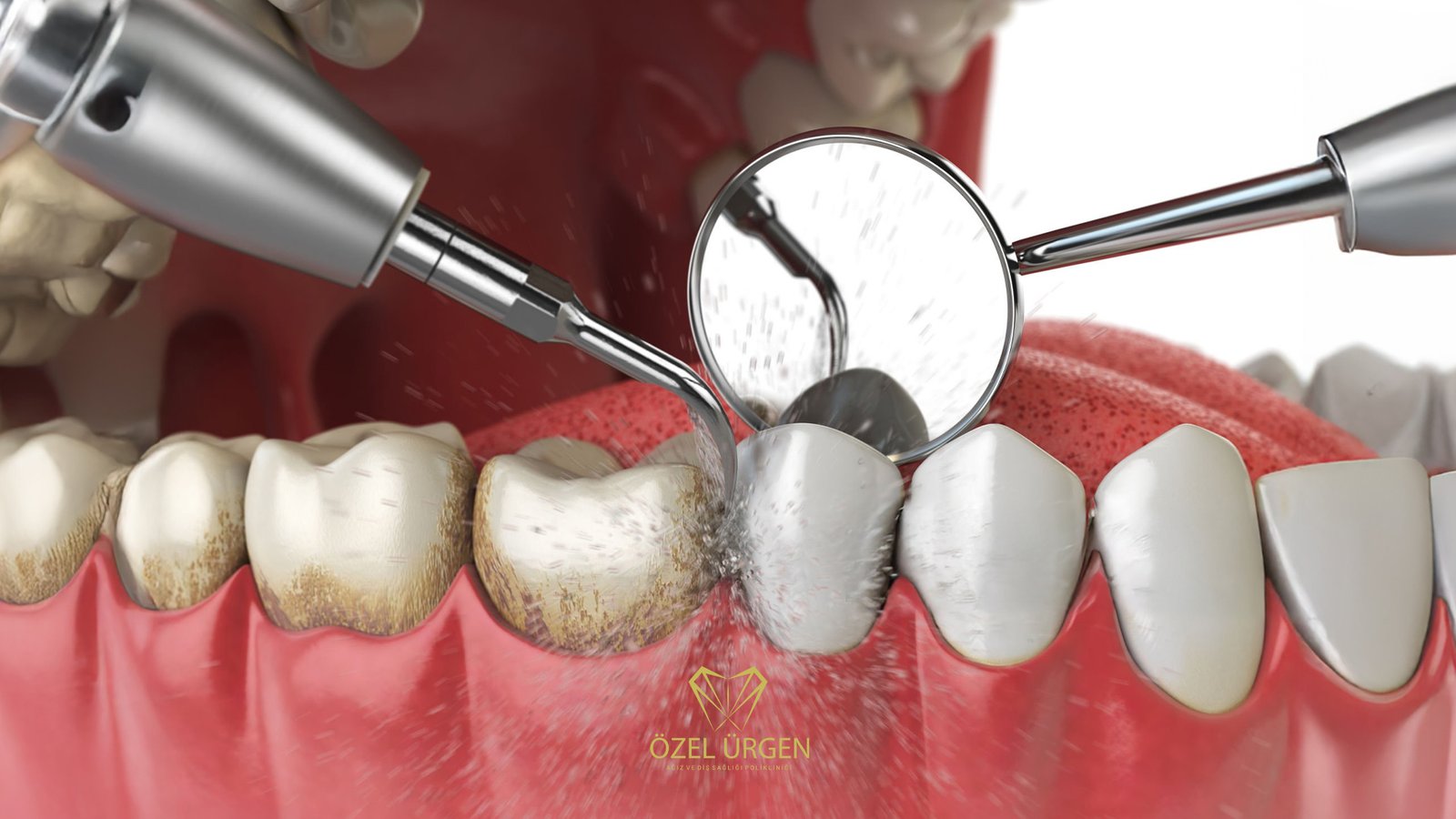
Stone cleaning is a very important procedure for maintaining oral health and is not performed solely for aesthetic reasons. This procedure, often referred to as “scaling” or “scaling,” is performed by a dentist using specialized equipment and professional techniques. Hardened plaque, which cannot be removed by daily brushing and flossing, is meticulously removed from the surface of the teeth using ultrasonic devices or hand tools.
Scaling not only removes tartar but also smooths the surface of the teeth. This smooth surface makes it difficult for bacteria to reattach and contributes significantly to the prevention of gum disease. During the procedure, the gums are also gently cleaned, thus supporting their health.
This cleaning is usually completed quickly and is a painless procedure for most people. The mouth feels fresh afterward, and the teeth appear brighter and cleaner. Regular scaling not only protects teeth; It reduces bad breath, keeps gums healthy and reduces the risk of tooth loss in the long term.
Why Should Tartar Be Removed?
Tartar isn’t just unsightly; if left untreated, it can seriously threaten the health of your teeth and gums. Here are the key points that demonstrate the importance of tartar removal:
-
Prevents Gum Disease: Tartar causes inflammation of the gums, or gingivitis. If this condition progresses, it can lead to more serious diseases like periodontitis. Regular cleaning is one of the most effective ways to stop this process.
-
Removes bad breath: Bacteria accumulated on tartar cause bad breath. After cleaning, the mouth feels fresh and clean.
-
Extends the life of teeth: Tartar can cause gum recession and, consequently, tooth loss. It is possible to extend the life of your teeth and protect your oral health with regular cleaning.
-
Provides an aesthetic appearance: Dental tartar usually appears as yellow or brown stains. After cleaning, teeth look whiter and healthier, and smiling becomes more enjoyable.

How is Tartar Cleaning Done?
Tartar cleaning is a quick and generally painless procedure for most people. It is performed professionally to maintain the health of teeth and gums and consists of several stages.
-
Examination: Before the procedure, the dentist performs a detailed examination of the mouth. The density of tartar deposits, the condition of the gums, and any inflammation are assessed. This determines the cleaning method to be used.
-
Cleaning: Tartar removal is usually done with ultrasonic devices. These devices gently break up tartar by vibrating to remove it from the teeth. If necessary, special hand tools are used for more detailed cleaning. This effectively cleans both the tooth surfaces and the spaces between the teeth.
-
Polishing: After tartar removal, the tooth surfaces are polished with special pastes and brushes. The polishing process smooths teeth, making it harder for bacteria and new plaque to adhere to them.
-
Fluoride Application (In Some Cases): Especially for people experiencing tooth sensitivity, fluoride gel can be applied after cleaning. Fluoride strengthens tooth enamel and reduces potential sensitivity.
Things to Consider After Dental Scaling
After dental scaling, it’s important to keep some important points in mind to maintain oral health. During the first few days after the procedure, teeth may be sensitive to hot and cold foods; this is generally normal and nothing to worry about. However, during this period, it’s important to gently brush your teeth with a soft-bristled brush and maintain good oral hygiene habits without irritating your gums.
Regular flossing and maintaining oral hygiene with antibacterial mouthwash also enhance the effectiveness of the cleaning. Furthermore, reducing smoking and excessive tea or coffee consumption can accelerate tartar formation, so it’s highly beneficial. Finally, to maintain long-term oral health after dental scaling, it’s crucial to schedule regular six-month dental checkups.

Is Stone Cleaning Harmful?
Unfortunately, the misconception that scaling damages teeth is quite common. Many people postpone this important procedure, thinking, “Stone removal will damage my teeth.” However, there is a scientifically proven fact: When performed correctly and with professional techniques, scaling does not harm teeth. Ultrasonic devices and hand tools are designed to remove only plaque and tartar without damaging the tooth surface.
On the contrary, regular scaling helps keep teeth and gums healthy for longer, prevents gingivitis, reduces bad breath, and significantly reduces the risk of tooth loss. In other words, scaling is one of the most effective ways to protect your teeth and ensure long-term oral health, rather than damaging them.
Scaling Prices
Scaling prices can vary depending on the scope of the procedure, the methods used, and the dentist’s experience. While a simple cleaning may be sufficient in some cases, in cases with gingivitis or extensive calculus accumulation, the procedure can be more detailed and time-consuming; this is another factor affecting the price.
The clinic’s location, the equipment used, and additional services also determine the cost. Generally, scaling can be considered a significant investment in maintaining oral health. For the most accurate and up-to-date pricing, it’s best to consult your dentist.
Comments are closed