



What Is Frenectomy?
Inside our mouths, there are small connective tissues that work with us every day while we talk, smile, and eat, yet most of the time we are not even aware of their existence. These thin structures, found under the tongue, on the inner side of the lips, and along the inner surface of the cheeks, are called “frenulum.” Under normal conditions, they help oral movements stay balanced and comfortable. However, sometimes these small tissues can be shorter, thicker, or tighter than they should be. When that happens, problems that quietly make daily life more difficult may begin to appear.
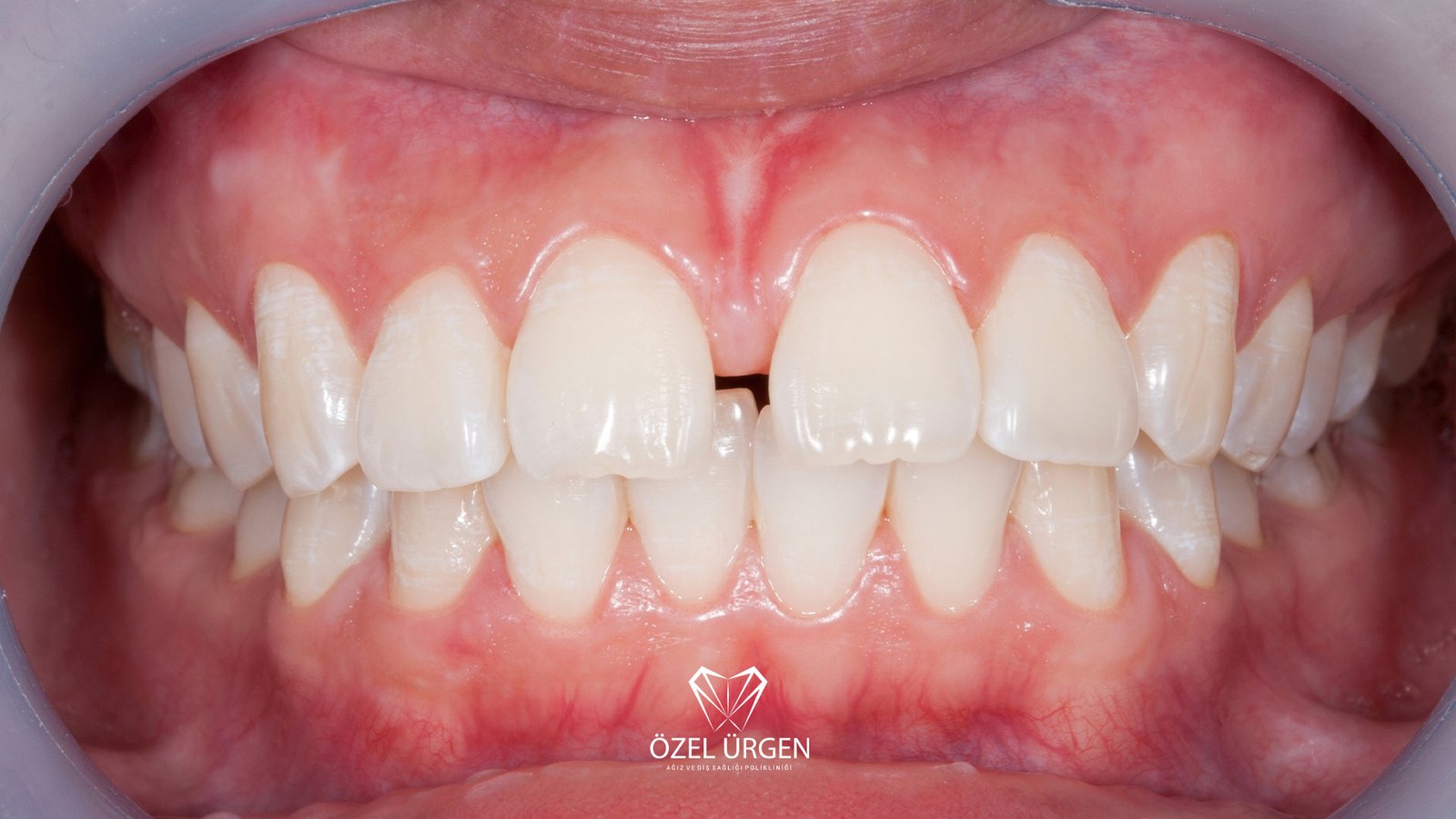
Difficulty pronouncing certain sounds, limited tongue movement, lips not closing comfortably, gaps forming between the teeth, or feeding difficulties in babies are often related to these frenulums. Many people do not realize the true source of their problem; questions like “Why can’t I move my tongue properly?”, “Why do I get tired while speaking?” or “Why are my teeth separating?” are often answered by these tiny tissues that are hard to notice at first glance.
Frenectomy is a surgical procedure performed when these connective tissues cause functional or aesthetic problems. Simply put, it is the controlled release or removal of frenulums that restrict movement and disrupt oral balance. The word “surgery” naturally creates anxiety for many people, especially when it involves the mouth. However, contrary to what it may sound like, frenectomy is actually a simple procedure that takes a short amount of time.
What Is a Frenulum and What Does It Do?
A frenulum is a thin yet important connective tissue that attaches movable oral structures such as the tongue, lips, and cheeks to their surrounding areas. It helps these tissues move in a controlled and comfortable way while speaking, eating, and swallowing. The lingual frenulum under the tongue, the labial frenulum connecting the lips to the gums, and the buccal frenulum between the cheek and the gum are quiet but essential elements of oral harmony.
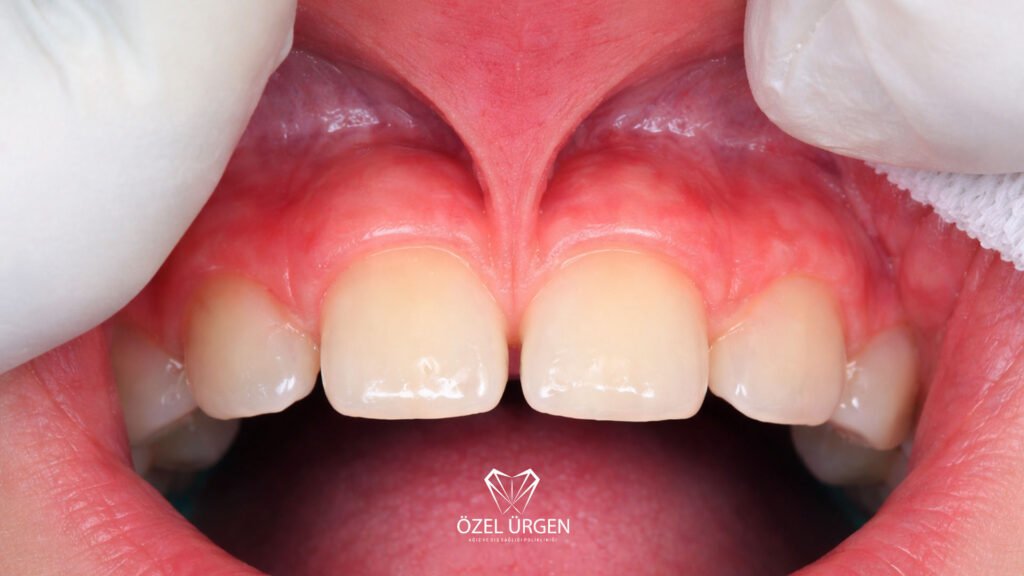
When they are normal, we barely notice they exist. But when frenulums are shorter, thicker, or tighter than they should be, speaking may become difficult, a feeling of tension can develop in the mouth, or dental problems may arise. Although they seem small, these connective tissues have a much greater impact on oral health and daily comfort than most people realize.
When Is Frenectomy Necessary?
Frenectomy is not a procedure that needs to be performed for every frenulum. In many cases, these tissues do their job quietly without causing any issues. However, sometimes a frenulum can turn into an obstacle that interferes with daily life. Especially in individuals with a tongue-tie, difficulty pronouncing certain sounds clearly, struggling to articulate words, or getting tired quickly while speaking may occur. In children, this can lead to shyness in self-expression, while in adults it may cause communication difficulties and loss of confidence.
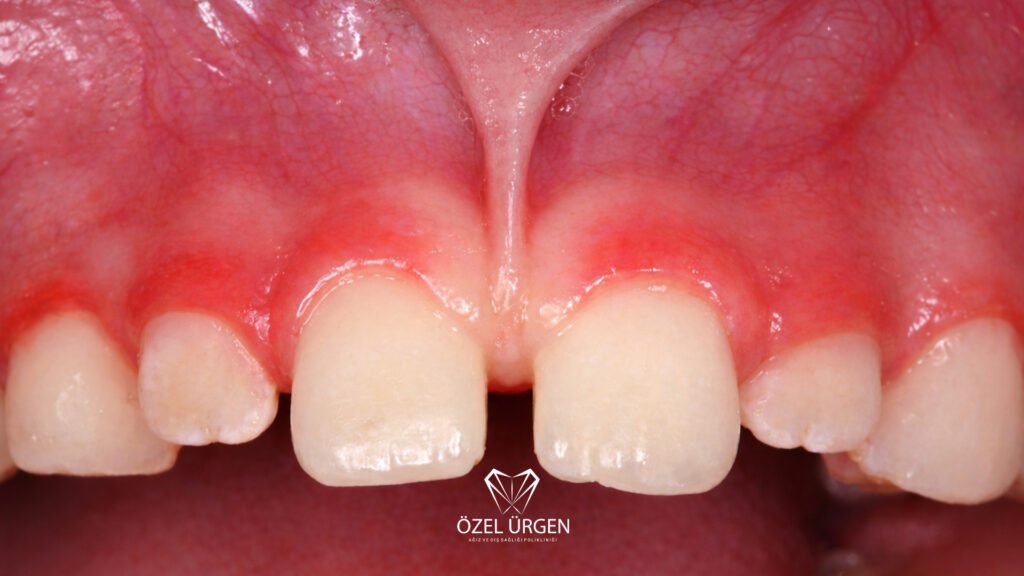
During infancy, the situation becomes even more sensitive. Newborns with a tongue-tie may not have a strong sucking reflex. The baby may tire quickly and struggle to feed adequately, while the mother may experience pain and discomfort during breastfeeding. In such cases, a simple frenectomy can significantly ease feeding for the baby and make the breastfeeding process much more comfortable for both mother and child. Similarly, later in life, a tight upper lip frenulum can cause a permanent gap between the front teeth. Even after orthodontic treatment aligns the teeth, this gap may reopen if the frenulum is not addressed.
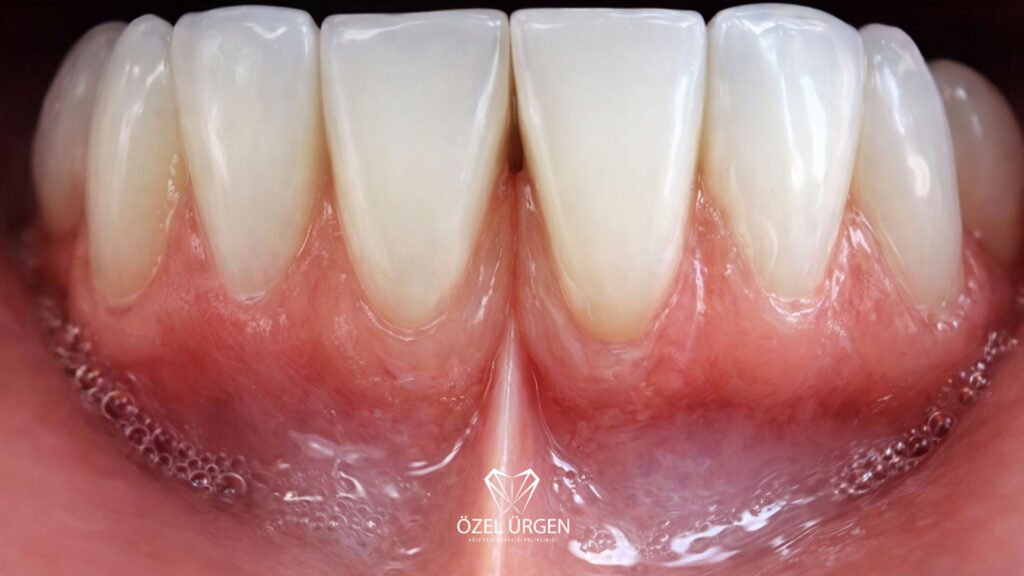
The problems caused by frenulums are not limited to speech or tooth alignment. Overly tight connective tissues can gradually pull on the gums, leading to sensitivity, gum recession, and, in the long term, periodontal problems.
How Is Frenectomy Performed?
Frenectomy is performed in a much simpler and more comfortable way than most people expect. It is usually done under local anesthesia, meaning the patient is awake during the procedure but does not feel pain or discomfort. Once the area is numbed, the dentist carefully releases or removes the problematic frenulum. The procedure is typically very short and is usually completed within 10–20 minutes, so it does not significantly disrupt daily plans.
Frenectomy can be performed using different techniques. While the traditional surgical method uses a scalpel, modern approaches such as laser and electrocautery are now commonly preferred. Laser frenectomy, in particular, offers many advantages for both the dentist and the patient. Minimal bleeding, often no need for stitches, and a faster healing process make this method stand out. As a result, many patients notice a sense of relief in their mouth shortly after the procedure.
What Should I Do After the Procedure?
The healing process after a frenectomy is usually much easier than expected. In the first few days, mild sensitivity, tightness, or slight soreness may be felt in the mouth. This is completely normal and typically subsides on its own in a short time. Many patients even say they notice a feeling of relief immediately after the procedure.
To ensure smooth healing, it is important to avoid very hot foods and drinks during the first 24 hours. Oral hygiene should be maintained with extra care, and any mouthwash or care products recommended by the dentist should be used regularly. If prescribed, pain relievers can be taken comfortably. Especially after tongue-tie procedures, simple exercises may be recommended to prevent the tissue from tightening again. These small exercises help make the results long-lasting.
Frenectomy Cost
When it comes to frenectomy costs, it is usually not possible to give a fixed price. This is because the cost of the procedure depends on several factors that vary from person to person. The technique used (laser or traditional surgery), the location of the frenulum, the extent of the procedure, the patient’s age, and the treatment plan determined by the dentist all play a role. In some cases, frenectomy may be planned as part of orthodontic or other dental treatments, making the evaluation completely individualized.
For this reason, the most accurate information about frenectomy costs can only be determined after a detailed oral examination. This allows the dentist to confirm whether the procedure is truly necessary and to create the most appropriate treatment plan for you. If you have questions about frenectomy or want to find out whether it is suitable for you, consulting a dentist for a personalized evaluation is the healthiest step you can take.
You can book an appointment now to improve your oral comfort and receive personalized information, and confidently begin your treatment with expert guidance.
Comments are closed