



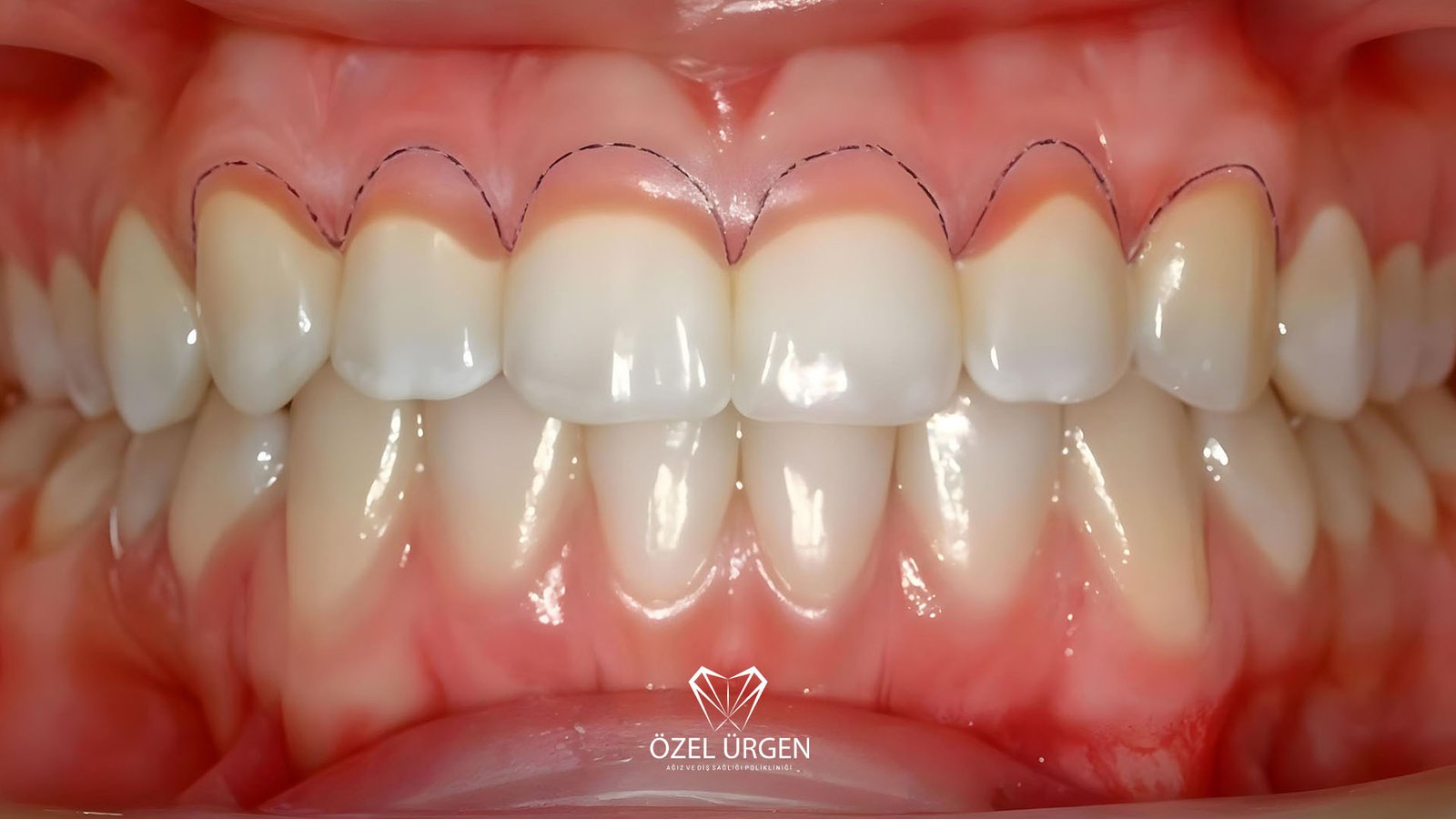
What Is Gingivectomy?
When you look in the mirror, have you ever noticed that your teeth seem shorter than they actually are, or that your gums stand out more than your teeth when you smile? Very often, the reason is not the teeth themselves, but the gums. Even if your teeth are healthy, clean, and well cared for, if your smile doesn’t fully feel right, the underlying cause may be excess gum tissue that you’ve unconsciously gotten used to. Many people accept this as normal for years and struggle to clearly identify why they are unhappy with their smile.
This is where gingivectomy comes into play a procedure that may sound technical and complex at first, but is actually quite common. Simply put, gingivectomy is the controlled removal of excess, overgrown, or unhealthy gum tissue. The goal is not only aesthetic; in many cases, it is performed to restore gum health and prevent more serious problems from developing in the future.
Gum diseases often progress slowly and silently if left unnoticed. Bleeding, swelling, or an uneven appearance of the gums can eventually affect both oral health and self-confidence. Gingivectomy targets these issues by reshaping the tissue around the teeth into a healthier form. In recent years, it has been increasingly preferred not only for treatment purposes but also by those seeking a more balanced and aesthetically pleasing smile.
Why Is Gingivectomy Performed?
When gums grow more than normal, cover part of the teeth, or become inflamed, both oral health and appearance can be negatively affected. This makes proper cleaning more difficult, increases bacterial buildup, and eventually creates a foundation for gum disease. Gingivectomy aims to remove excess or unhealthy gum tissue and restore the gums to a healthier level.
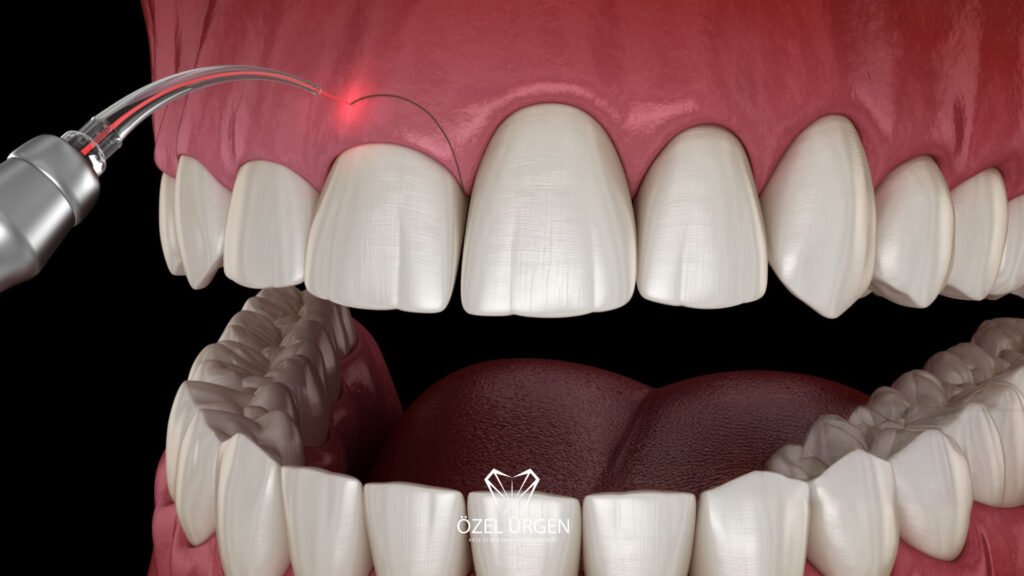
This procedure is commonly performed to treat gum overgrowth, advanced periodontal disease, and deep pockets that form between the teeth and gums. It is also preferred for aesthetic concerns such as excessive gum display when smiling. When the gum level is adjusted, the teeth become more visible and the smile gains a more balanced appearance.
How Is Gingivectomy Performed?
Gingivectomy is usually performed under local anesthesia to ensure patient comfort. This means no pain is felt during the procedure. After evaluating the condition of the gums and the extent of the intervention needed, the dentist determines the most suitable method for the patient. The procedure is planned individually.
In the conventional method, excess or unhealthy gum tissue is carefully removed using special surgical instruments. A more modern option, laser gingivectomy, has become especially popular in recent years. With laser treatment, bleeding is usually minimal and the gums can be shaped more precisely, making the healing process more comfortable for most patients.
The duration of the procedure varies depending on the size of the treated area, but it is generally completed within 30 minutes to one hour.
Does Gingivectomy Hurt?
One of the first concerns that comes to mind when gingivectomy is mentioned is, “Will it hurt?” Rest assured, since the procedure is performed under local anesthesia, no pain or discomfort is felt during the treatment. Most patients only notice a slight pressure, and the process is usually much easier than expected.
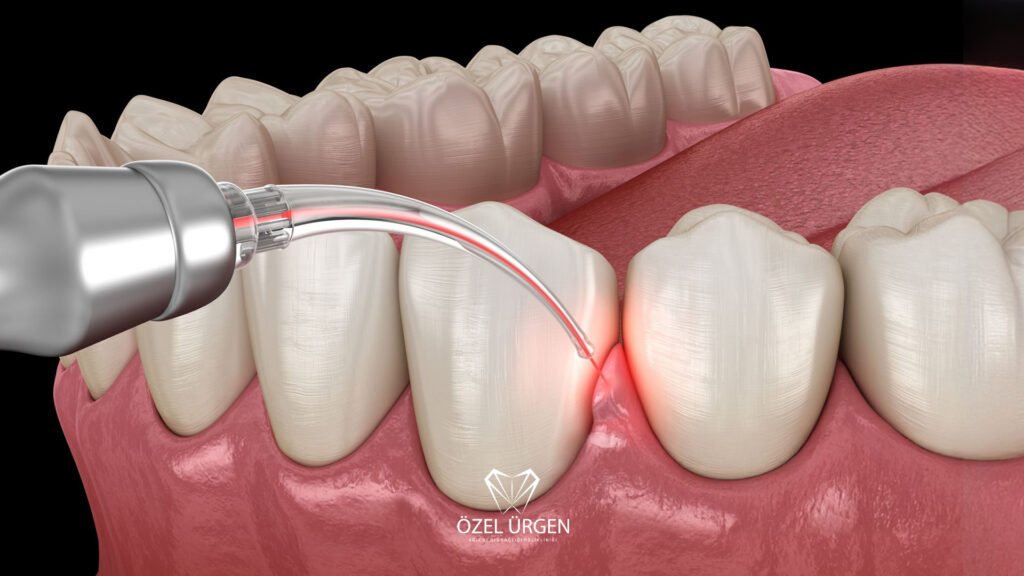
After the procedure, mild sensitivity, slight soreness, or minimal swelling may occur. This is completely normal and usually subsides within a few days. With simple pain relievers and care instructions recommended by the dentist, this period can be easily managed. Most patients realize that the recovery is far more comfortable than they initially expected.
Recovery Process After Gingivectomy
The healing process after gingivectomy may vary from person to person, but in most cases noticeable recovery occurs within the first 7 to 10 days. Full healing and stabilization of the gums may take a few weeks. This period is very important for achieving long-lasting and comfortable results.
During the first few days, it is advisable to avoid very hot, very cold, or hard foods, as the gums will be sensitive. Oral hygiene should not be neglected, but teeth and gums should be cleaned gently using soft movements. When the recommended mouthwashes and medications are used regularly, the healing process becomes faster and smoother.
Smoking and alcohol consumption can slow down gum healing during this period. Avoiding them as much as possible helps the gums recover in a healthier and stronger way. A little extra care for a few days can make a significant difference in long-term results.
Is It Suitable for Everyone?
Although gingivectomy is a safe procedure for many people, it may not be equally suitable for everyone. Certain health conditions can make it necessary to postpone the treatment. Especially in cases of uncontrolled diabetes, serious systemic diseases, or active oral infections, healthy healing of the gums may be compromised.
For this reason, a thorough examination and evaluation of the patient’s overall health is essential before gingivectomy. Based on this assessment, the dentist determines the correct timing for the procedure to ensure a safe and successful outcome.
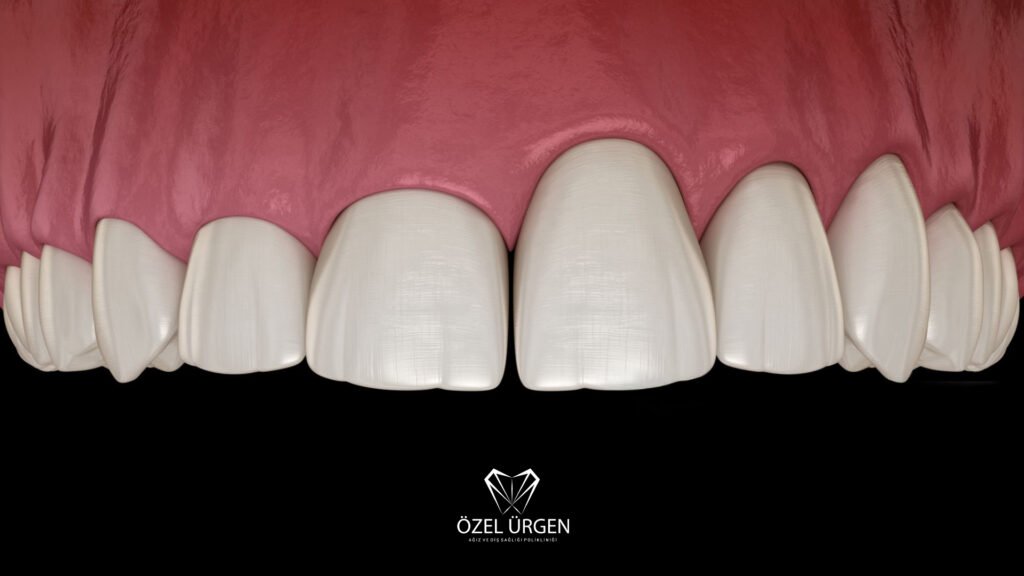
Do the Gums Grow Back After Gingivectomy?
This is another common question for those considering gingivectomy. If the factors that caused gum overgrowth are not eliminated, the gums may tend to grow back over time. Long term medication use or insufficient oral hygiene can play a role in this process.
However, with proper and regular oral care, this risk can be significantly reduced. Paying attention to daily oral hygiene, using dental floss, and not neglecting regular dental check-ups all help maintain healthy gums.