



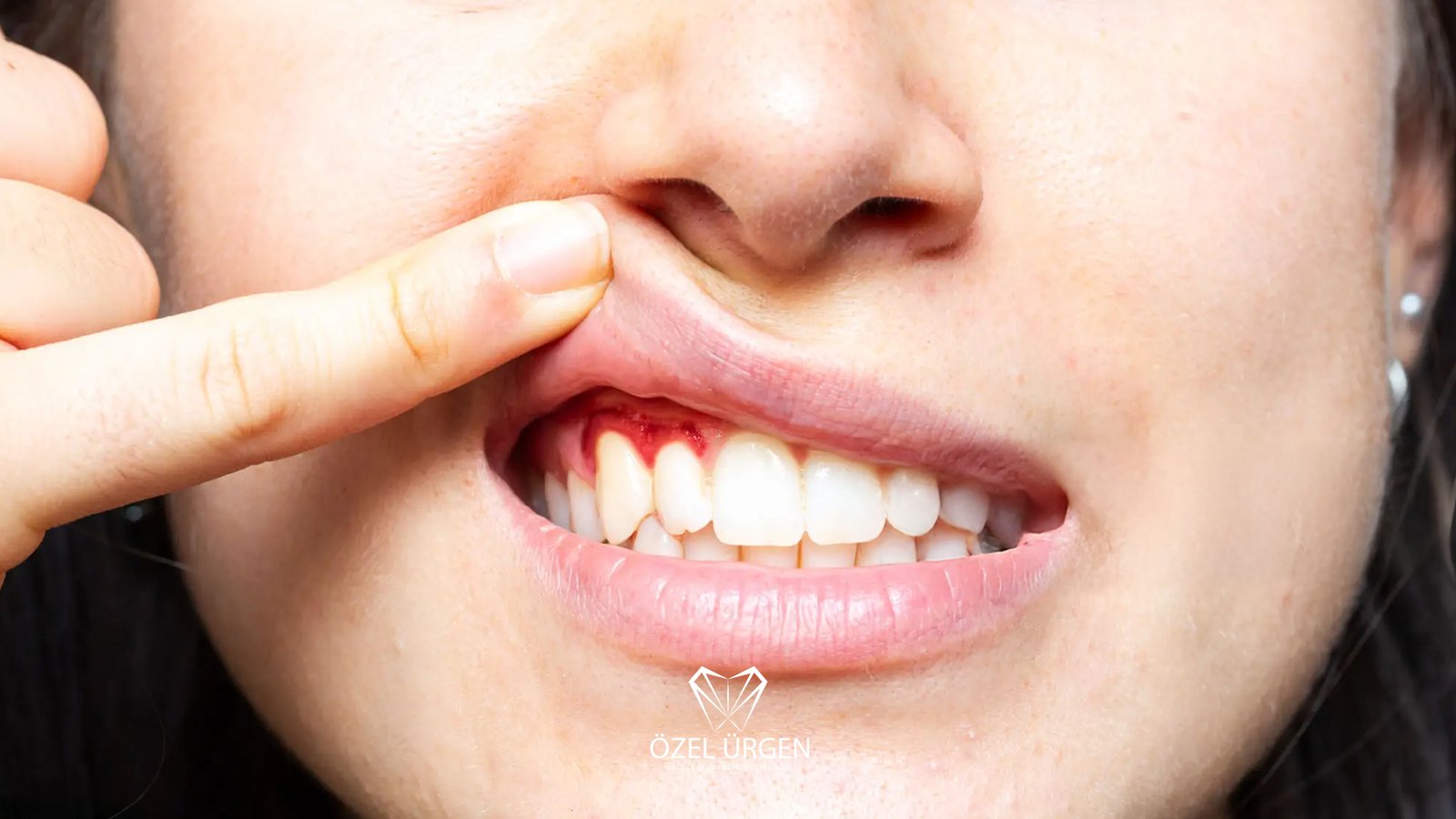
Causes of Gum Bleeding
Many people occasionally notice a pinkish color in the sink while brushing their teeth in the morning or evening. Most pause for a moment and think, “Maybe I brushed too hard,” and then continue on with their day. Sometimes the cause really can be that simple. However, gum bleeding is often a small but important signal from our oral health, trying to tell us something.
Oral and dental health is an inseparable part of our overall well being. The gums are among the most sensitive and vital parts of this system. Healthy gums are usually light pink, firm, and don’t bleed while brushing. If your gums bleed while brushing, using dental floss, or sometimes even when doing nothing at all, your body might be trying to tell you that something isn’t quite right.
Many people tend to overlook gum bleeding. It’s common to think, “A few drops of blood won’t hurt.” However, gum bleeding can be an early sign of bacterial buildup, gum inflammation, or incorrect oral hygiene habits. Catching these issues early can make them much easier and quicker to address, so it’s important not to ignore this small warning sign.
Of course, not every instance of gum bleeding signals a serious disease. Sometimes starting a new toothbrush, using dental floss for the first time, or brushing a little too hard can cause temporary bleeding. But if it happens frequently, occurs consistently while brushing, or if your gums appear swollen, red, and tender, the underlying cause should be investigated.
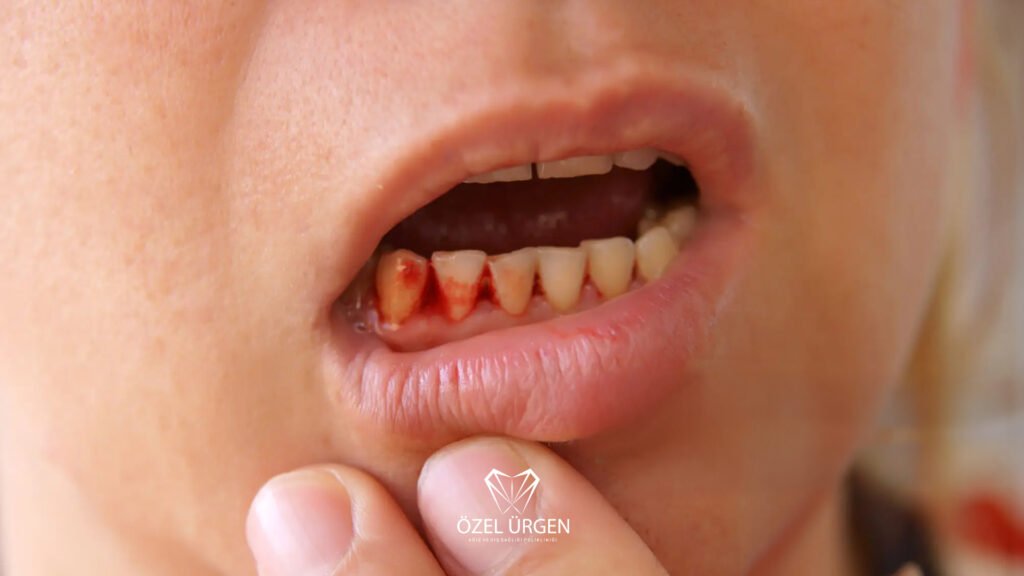
Our gums are essentially a mirror of our oral health. The small signals they give can help prevent bigger problems from developing in the future. Noticing gum bleeding early and taking necessary precautions is one of the most important steps to protect both your teeth and overall health.
Poor Oral Hygiene
One of the most common causes of gum bleeding is irregular or improper oral hygiene. Throughout the day, the foods and drinks we consume leave a thin layer of bacteria on our teeth, known as plaque. If plaque is not cleaned regularly, it can harden over time and form tartar, also called dental calculus.
Plaque and tartar usually accumulate between the teeth and gums. This buildup irritates the gums and can eventually cause redness, tenderness, and bleeding. People who don’t use dental floss may notice these problems developing more quickly, as bacteria tend to accumulate in the spaces between teeth.
For this reason, brushing your teeth at least twice a day and using dental floss is extremely important. These simple habits can prevent a large portion of gum bleeding issues.
Gum Inflammation (Gingivitis)
Another very common cause of gum bleeding is gum inflammation. Medically known as gingivitis, this condition occurs when bacteria accumulate on the gums and cause inflammation. When proper oral hygiene is not maintained, bacteria multiply around the teeth and negatively affect gum health.
Gingivitis usually shows itself through subtle but noticeable signs. One of the most common indicators is redness of the gums. Healthy gums are light pink, while inflamed gums may appear more red. Additionally, the gums may swell slightly, and bleeding can occur while brushing or using dental floss. Some people may also notice that their gums feel more sensitive to touch.
These symptoms are often mild, so they can easily be overlooked. Gingivitis generally does not cause pain in its early stages, which means many people may live with it for a long time without realizing it. However, ignoring it can set the stage for more serious gum problems later on.
The good news is that if gum inflammation is detected early, it is usually quite easy to manage. Maintaining regular oral hygiene, brushing correctly, and visiting a dentist when needed can help restore gums to a healthy state.
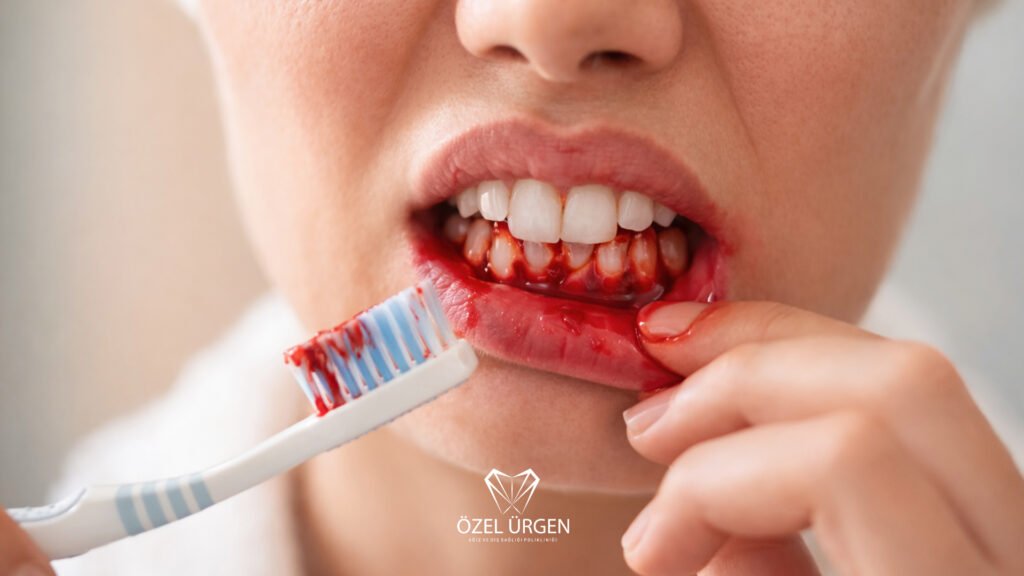
Periodontitis (Advanced Gum Disease)
If gum inflammation, or gingivitis, is left unnoticed or untreated for a long time, it can progress into a more serious condition. This advanced stage of gum disease is called periodontitis.
At this stage, the problem is no longer limited to the gums. The bone structure that supports and holds the teeth in place also starts to be affected. Over time, the gums may recede, teeth can become more sensitive, and slight mobility may even be noticed. Bad breath is also a common sign of this condition. Gum bleeding is often one of the key indicators during this process.
Brushing Too Hard
Sometimes the reason for gum bleeding isn’t as complicated as we think. Daily habits can also play a role. For example, brushing your teeth too hard can damage the gums.
Using hard bristled brushes or applying excessive pressure while brushing can irritate the gums. Fast, aggressive brushing can harm the delicate gum tissue and lead to bleeding.
For this reason, dentists usually recommend using soft bristled toothbrushes. Brushing gently in circular motions protects both tooth enamel and gum health.
Hormonal Changes
Hormonal changes in our bodies can also affect gum health. During certain periods, gums may become more sensitive, which can lead to bleeding.
These periods often include:
-
Pregnancy
-
Adolescence
-
Menstruation
-
Menopause
During these times, hormonal fluctuations can make gums more sensitive to bacteria, which may result in bleeding for some individuals.
Gum bleeding during pregnancy is quite common and is even referred to as “pregnancy gingivitis.”
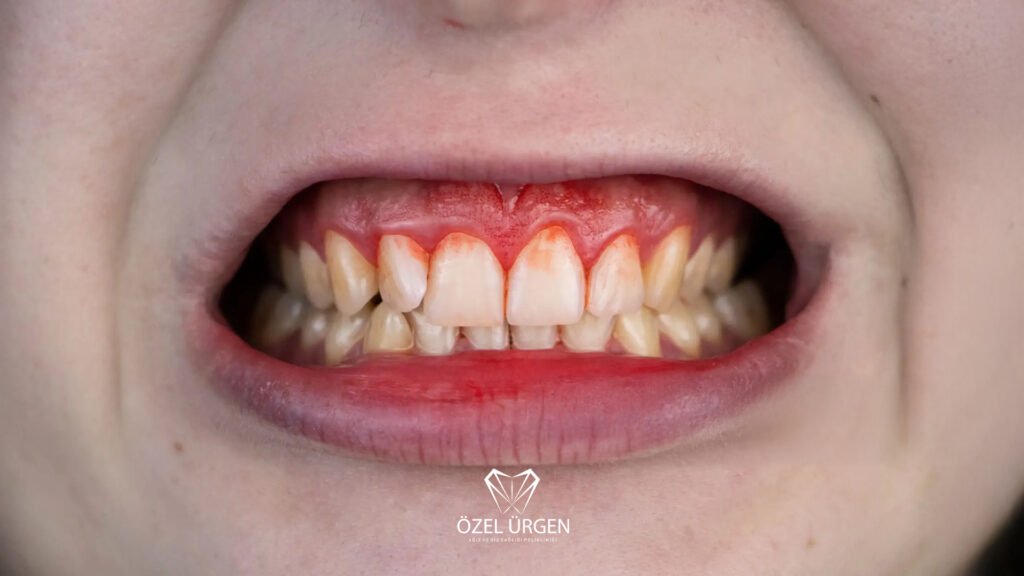
Vitamin Deficiencies
Our diet has a much bigger impact on oral health than we often realize. A deficiency in certain vitamins can lead to gum sensitivity and bleeding.
One of the most important vitamins in this context is vitamin C. Vitamin C helps keep gums strong and healthy. If intake is insufficient, gums can weaken and become more prone to bleeding.
Another key vitamin is vitamin K, which plays a critical role in blood clotting. A deficiency can make it harder for the body to stop bleeding.
Smoking
Smoking has serious negative effects on oral and dental health. In fact, it is one of the most important risk factors for gum disease.
Smoking reduces blood flow to the gums, weakening their ability to protect and repair themselves. It also makes it harder for the immune system to fight bacteria. As a result, gum disease can progress faster in smokers.
Interestingly, gum bleeding can sometimes be less noticeable in smokers because nicotine narrows blood vessels, which can hide the bleeding and delay the detection of disease.
Stress and the Immune System
The busy pace of daily life, work stress, or long term psychological pressure can affect not just our mood but also our physical health. Prolonged stress can weaken the immune system.
When the immune system is weakened, the body becomes more vulnerable to bacteria, making it easier for gum disease to develop.
Comments are closed