
Broken Tooth Treatment

Kırık Diş Tedavisi

Broken Tooth Treatment

Life really does have a way of surprising us when we least expect it. You might bite down on something hard without even realizing it, take a small hit while doing sports, or maybe just have a simple fall… And suddenly, your tongue goes straight to that spot and you notice something feels off with your tooth. In that moment, most people have the same reaction: “It’s probably nothing, I’ll deal with it later.”

Honestly, that reaction is completely human. If there’s no pain or it doesn’t look too bad, it’s easy to put it off. With the rush of daily life work, responsibilities, social plans that small crack often gets ignored. But the truth is, our teeth are much more delicate and important than we think. What seems like a minor fracture can grow over time, leading to sensitivity, pain, or even more serious dental issues.

There’s also the part we don’t see. Not every broken tooth shows immediate symptoms. Sometimes it’s just a slight sensitivity, and sometimes you feel nothing at all. But bacteria can start building up inside that crack, damaging the inner structure of the tooth. In other words, it can quietly progress without you even noticing. That’s why something that feels “not important” at first can turn into a more complicated and costly problem later on.

A broken tooth isn’t just about health it also affects your daily comfort. Not being able to eat properly, dealing with hot and cold sensitivity, or even feeling the need to hide your smile… These are small things that can slowly impact your quality of life. The good news is, with early intervention, most of these problems can be solved much more easily.
Broken Tooth Treatment

Why Do Teeth Break?

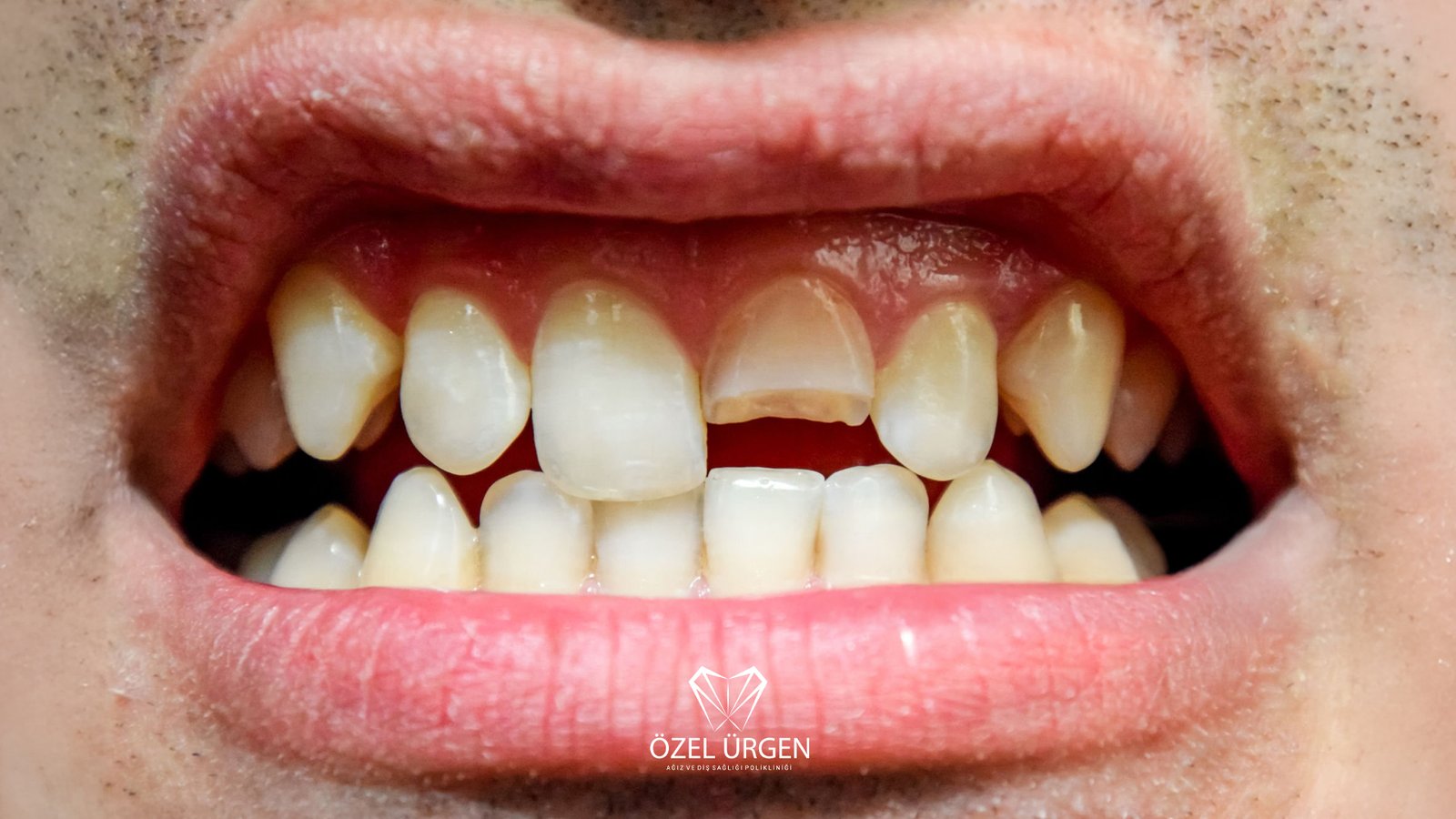
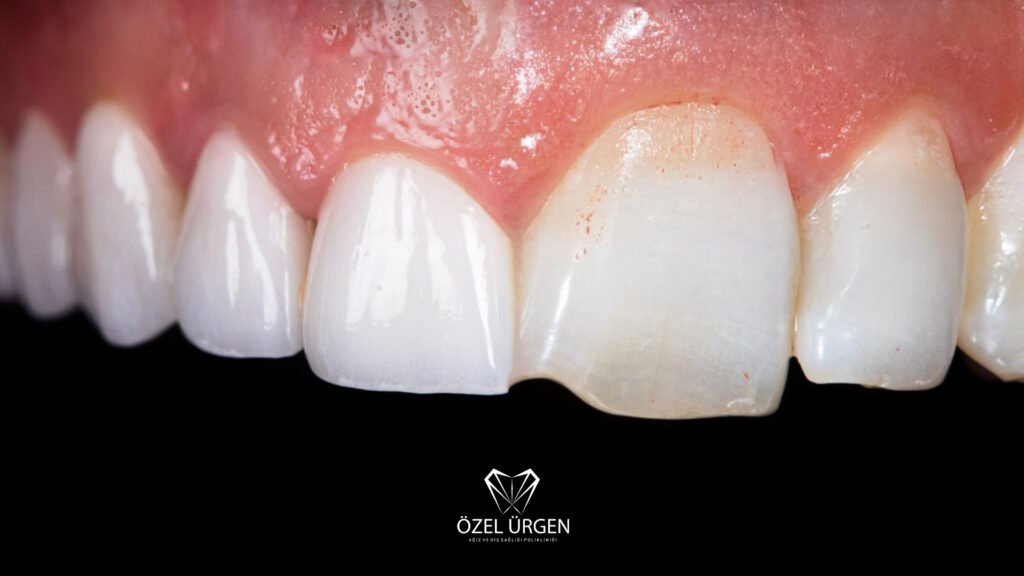
Tooth fractures are actually more complex than they seem. Sometimes it’s just a tiny crack you can barely notice in the mirror, and other times a visible piece of the tooth can break off. Either way, it’s a sign that the tooth is no longer as strong as it used to be. Even if it looks like a “small issue,” it’s still something that deserves attention.

In daily life, we often assume our teeth are incredibly strong and to some extent, they are. Tooth enamel is one of the hardest substances in the human body. But that doesn’t mean teeth are indestructible. Certain habits and conditions can slowly weaken them over time, making them more vulnerable to unexpected damage.

For example, biting into something hard… Trying to crack a walnut, chewing on ice, or biting hard candies might seem harmless in the moment. But teeth can only تحمل so much pressure. Sometimes, a single hard bite is enough to cause a fracture.

Another common cause is physical impact. A hit during sports, an accidental bump, or even a simple fall can lead to a broken tooth. Front teeth, in particular, tend to be more exposed in these situations.

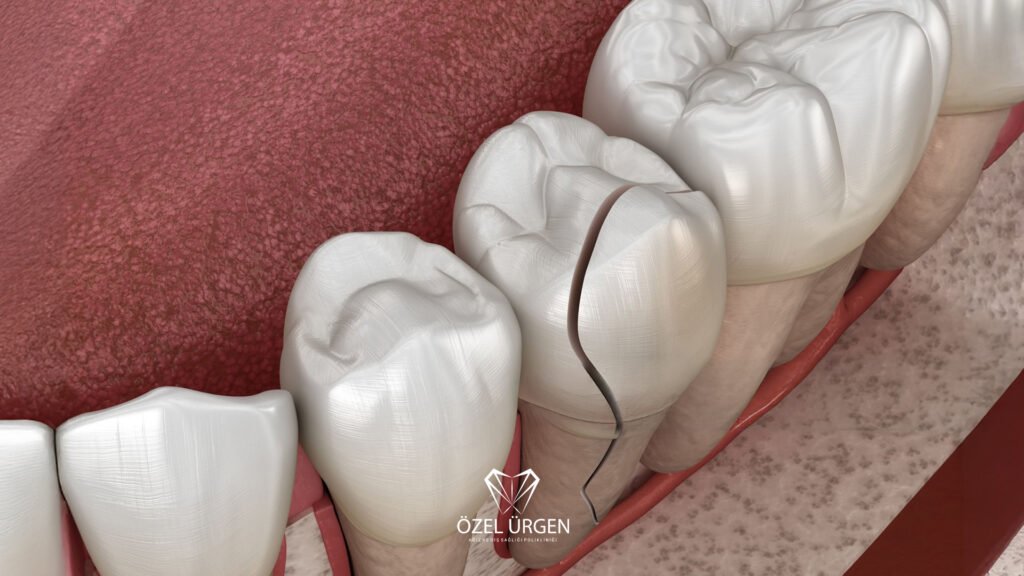
There’s also a more subtle factor: teeth grinding and clenching, known as bruxism. Many people do this without even realizing it, especially at night. Over time, this constant pressure can create tiny cracks in the teeth, which may eventually turn into a noticeable fracture.

Then there’s tooth decay. When a tooth is decayed, it doesn’t just affect the surface it weakens the entire structure. Even if it doesn’t look serious from the outside, the tooth may already be compromised on the inside, making it much easier to break.

Similarly, large or old fillings can reduce a tooth’s strength. If a significant portion of the tooth is already restored, it may become more fragile over time. That’s why sometimes a tooth can break seemingly “out of nowhere.”

“I Don’t Feel Pain, So It’s Not a Problem” Is That Really True?

This is one of the most common assumptions. When people notice a chipped or broken tooth and don’t feel any pain, they often think, “It’s probably not a big deal.” Some even delay treatment for weeks or months. After all, we tend to see pain as a warning sign if there’s no pain, everything must be fine, right?

Unfortunately, when it comes to teeth, that’s not always the case.

A broken tooth may not cause any immediate discomfort, especially if the damage is superficial or hasn’t reached the nerve yet. This can be misleading. Over time, however, that small crack can expand. Everyday chewing pressure can gradually make the fracture worse.

Broken Tooth Treatment

Another important factor is bacteria. The mouth naturally contains bacteria, and a broken tooth can act like an entry point. Even if nothing seems wrong at first, bacteria can gradually move into the inner parts of the tooth and cause infection. By the time pain appears, the situation is often more complicated.

If the fracture reaches the nerve, things can escalate quickly. What started as a silent issue can suddenly turn into intense, throbbing pain, often requiring more advanced treatment.

There’s also a practical side to this. Like many dental issues, delaying treatment usually makes things more difficult and more expensive. What could have been fixed with a simple filling might later require a root canal or a crown.

How Is a Broken Tooth Treated?

When you find out you have a broken tooth, the first question that comes to mind is usually, “What happens now?” The answer depends on the extent of the damage. Not all fractures are the same some are minor, while others go deeper. That’s why treatment is always planned individually. The good news is that modern dentistry offers effective solutions for most cases.

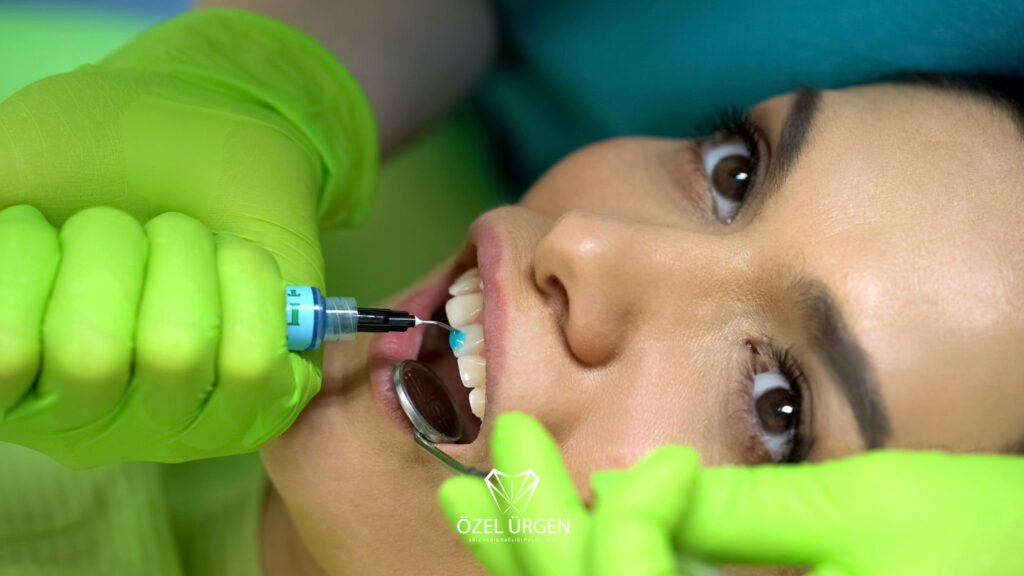
If the damage is minor and only affects the outer layer, a composite filling is usually the quickest and simplest option. A tooth colored material is used to rebuild the broken area, often in just one appointment. It’s fast, affordable, and blends naturally with your tooth.

For front teeth where appearance matters more, porcelain veneers can be a great option. A thin layer of porcelain is placed on the front surface of the tooth, covering the fracture and improving the overall look. In many cases, it’s almost impossible to tell that any treatment was done.

If a larger portion of the tooth is damaged, a crown may be needed. The tooth is reshaped and covered with a strong material like porcelain or zirconia, restoring both strength and function. This is especially common for back teeth, which handle more pressure during chewing.

In more serious cases where the fracture reaches the nerve, root canal treatment may be necessary. The damaged tissue inside the tooth is removed, the canals are cleaned and filled, and the tooth is usually protected with a crown. While it may sound intimidating, it’s actually a very effective way to save the natural tooth.

Broken Tooth Treatment

Can a Broken Tooth Heal on Its Own?

One of the most common misconceptions is thinking, “Maybe I should wait and see if it gets better on its own.” It would be nice if that worked but unfortunately, teeth don’t heal that way. Unlike some other parts of the body, they don’t repair themselves over time.

Once a tooth is broken, the damage stays as it is. There’s no natural “healing” or recovery like you might see with bones. In fact, if left untreated, that small crack can grow, lead to sensitivity, or turn into a much bigger issue unexpectedly.

So thinking “it’s manageable for now” usually just means postponing the problem. It might not bother you much today, but there’s a high chance it will become more complicated later on. In short, a broken tooth won’t fix itself but a simple, timely treatment can save you from a much bigger problem.

Dentist Ali Ürgen

Comments are closed

Do you need help?