



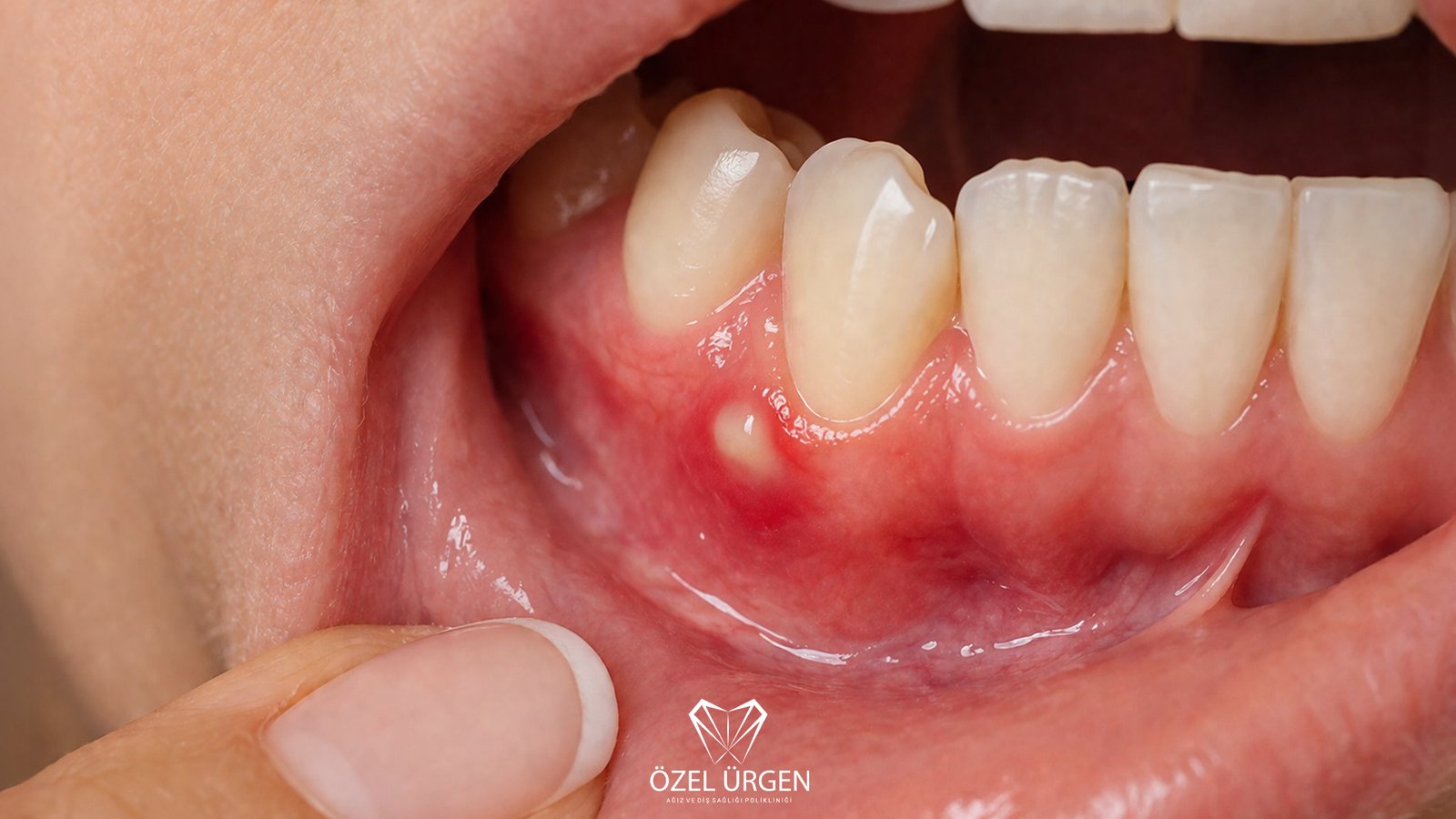
Gum Inflammation
Gum inflammation is actually a common oral health problem that many people experience from time to time but often ignore by thinking “it’s just a little sensitivity, it will go away.” In the rush of daily life, mild bleeding, redness, or swelling in the gums is usually overlooked. However, the truth is that these seemingly small signs are actually important warnings from the body.
At an early stage, gum inflammation may seem like a simple issue, but if neglected, it can gradually progress and start affecting the tissues that support the teeth, opening the door to more serious gum diseases. In some cases, it can even become the beginning of a process that leads to tooth loss.
The good news is this: when gum inflammation is detected early, it can usually be controlled quite easily. With proper oral hygiene, consistent cleaning habits, and timely dental check ups, this condition can largely be reversed. In other words, it mainly comes down to attention and building the right habits.
What is Gum Inflammation?
Gum inflammation is, in its simplest form, the irritation of the gums caused by bacteria, leading to redness, swelling, and sensitivity. It can actually be seen as a small “warning system” inside the mouth. The body is trying to tell you that something is not going right in that area.
The most common cause of this condition is the plaque layer that builds up on tooth surfaces and along the gum line. In other words, bacteria that naturally exist in the mouth form a sticky layer over time when not cleaned regularly, eventually irritating the gums.
When brushing habits are not sufficient or dental floss is never used, this plaque gradually thickens. After a while, the gums react to this buildup and the immune system responds. In fact, what we call inflammation is actually the result of this defense mechanism.
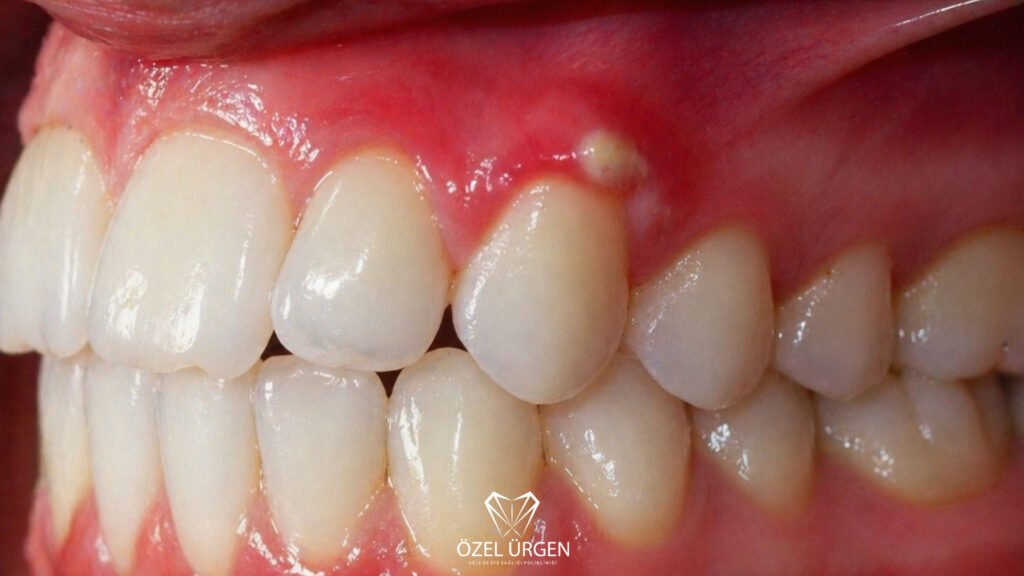
Interestingly, gum inflammation often does not cause significant pain in the early stages. You might only notice slight bleeding while brushing, mild sensitivity, or swelling. Because of this, many people ignore it or assume it will go away on its own. But this is exactly where the real problem begins, as it can gradually progress if not detected early.
What are the Symptoms?
Gum inflammation does not usually appear suddenly, like “I woke up one morning and it happened.” In fact, the body often gives small signals, but in the rush of daily life, we tend to ignore them or attribute them to other causes.
The most common symptoms are usually the following:
- Bleeding gums while brushing or flossing
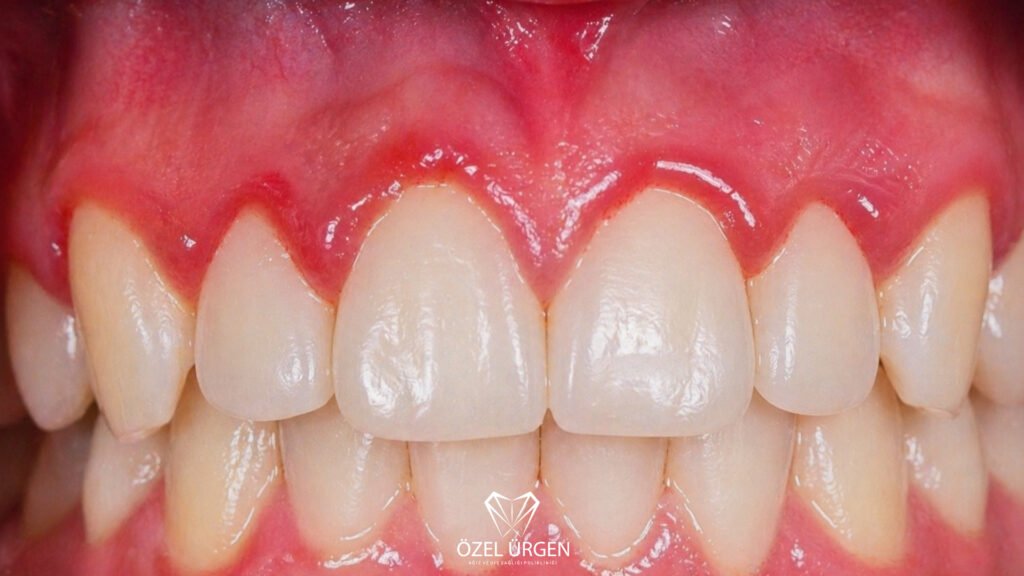
- Noticeable redness and occasional swelling of the gums
- Persistent bad breath that does not go away
- Sensitivity and discomfort when touching the gums
- Gums appearing more glossy, tight, or bright red than normal
- Sometimes mild pain or a constant feeling of discomfort
Especially gum bleeding is often ignored. Many people think “I brushed too hard, that’s why it happened,” and dismiss it. However, in most cases, it is not the brushing force but rather the gums already being inflamed and sensitive that causes the bleeding.
In other words, these symptoms are your body quietly saying “something is not right here.” Detecting it early makes it much easier to fully control the situation.
Causes of Gum Inflammation
The main cause of gum inflammation is usually poor oral hygiene. When teeth are not cleaned properly and regularly, bacteria start to accumulate, and the gums begin to react. But it is not only about that; there are also several daily habits that can speed up this process without us even realizing it.
The most common causes include:
- Not brushing teeth regularly or properly
- Neglecting dental floss use
- Smoking
- Frequent consumption of sugary and sticky foods
- Hormonal changes (especially during puberty and pregnancy)
- Weakened immune system
- Stressful and irregular lifestyle
In reality, gum inflammation is often not caused by a single mistake, but by the accumulation of small neglected habits over time. Missing one day usually does not cause a major issue, but if it becomes a habit, the gums will eventually stop tolerating it.
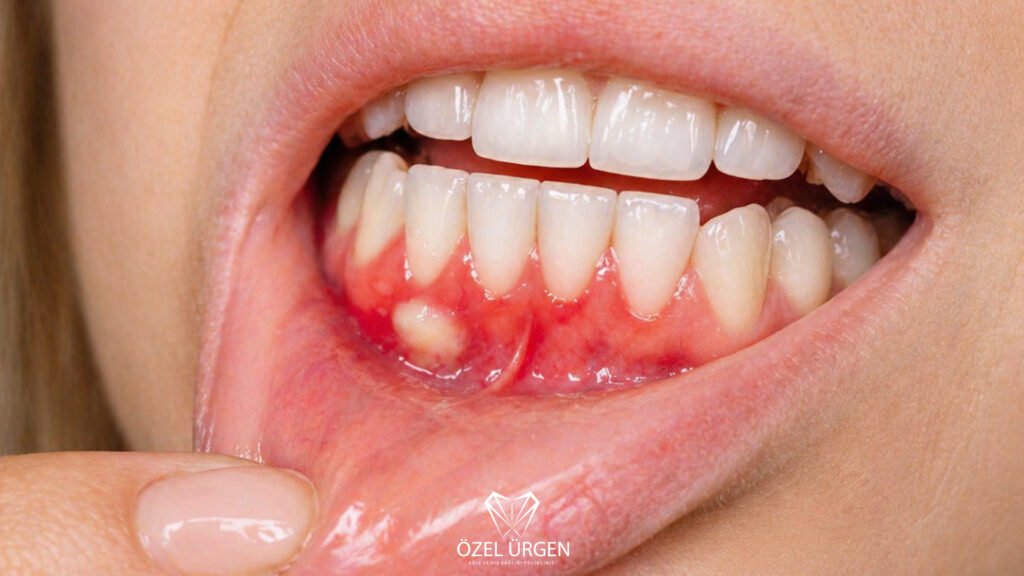
What Happens If It Is Not Treated?
Although gum inflammation may seem like a minor problem at first, if not treated in time, the situation gradually worsens. It can develop into a more serious gum disease called “periodontitis,” where not only the gums but also the bone structure supporting the teeth starts to be affected.
As the condition progresses, gum recession may occur, teeth may become more sensitive and even start to loosen. In the worst cases, tooth loss can happen. In addition, persistent bad breath may become permanent, and discomfort while chewing may also develop.
Perhaps the most challenging part is that this process often progresses silently. It may develop without noticeable pain, which is why many people realize there is a problem only when it has already advanced, making treatment more time consuming and requiring more attention.
How Is It Treated?
Let’s start with the good news: early stages of gum inflammation can usually be completely reversed. When the right steps are taken, gums can largely return to their healthy state. One of the most important steps in this process is professional cleaning performed by a dentist. Tartar and plaque are removed with special tools, eliminating the main source of inflammation.
The second important part of treatment is improving personal oral hygiene habits. Brushing teeth with the correct technique, being gentle with the gums, and using dental floss regularly are very important at this stage. Professional cleaning alone is not enough; without proper daily care, the problem may return.
In some cases, dentists may recommend antiseptic mouth rinses. These products help reduce bacteria in the mouth and support the healing process. If the condition is more advanced, deeper cleaning procedures may be required, but in most cases, proper care and regular check ups are enough to manage the situation successfully.
What Should We Pay Attention To?
When dealing with gum inflammation, the biggest responsibility actually lies in our daily habits. Treatment does not end at the dentist’s office; what we do at home every day directly affects the progress of the condition.
That’s why it is important to pay attention to a few simple but very important habits: brushing teeth at least twice a day, never neglecting dental floss, and turning oral care into a daily routine rather than something occasional. If you smoke, reducing or quitting it completely makes a big difference for gum health. Similarly, controlling sugary and sticky foods and drinking plenty of water during the day also helps maintain oral balance.
None of these are difficult or complicated things. But when done consistently, they have a significant positive impact on gum health.
Remember, if gum health is neglected, it can turn into problems that are difficult to reverse. Taking a small step today means preventing much bigger problems in the future. Take your gums seriously, because a healthy smile is actually the sum of small habits.
Comments are closed