



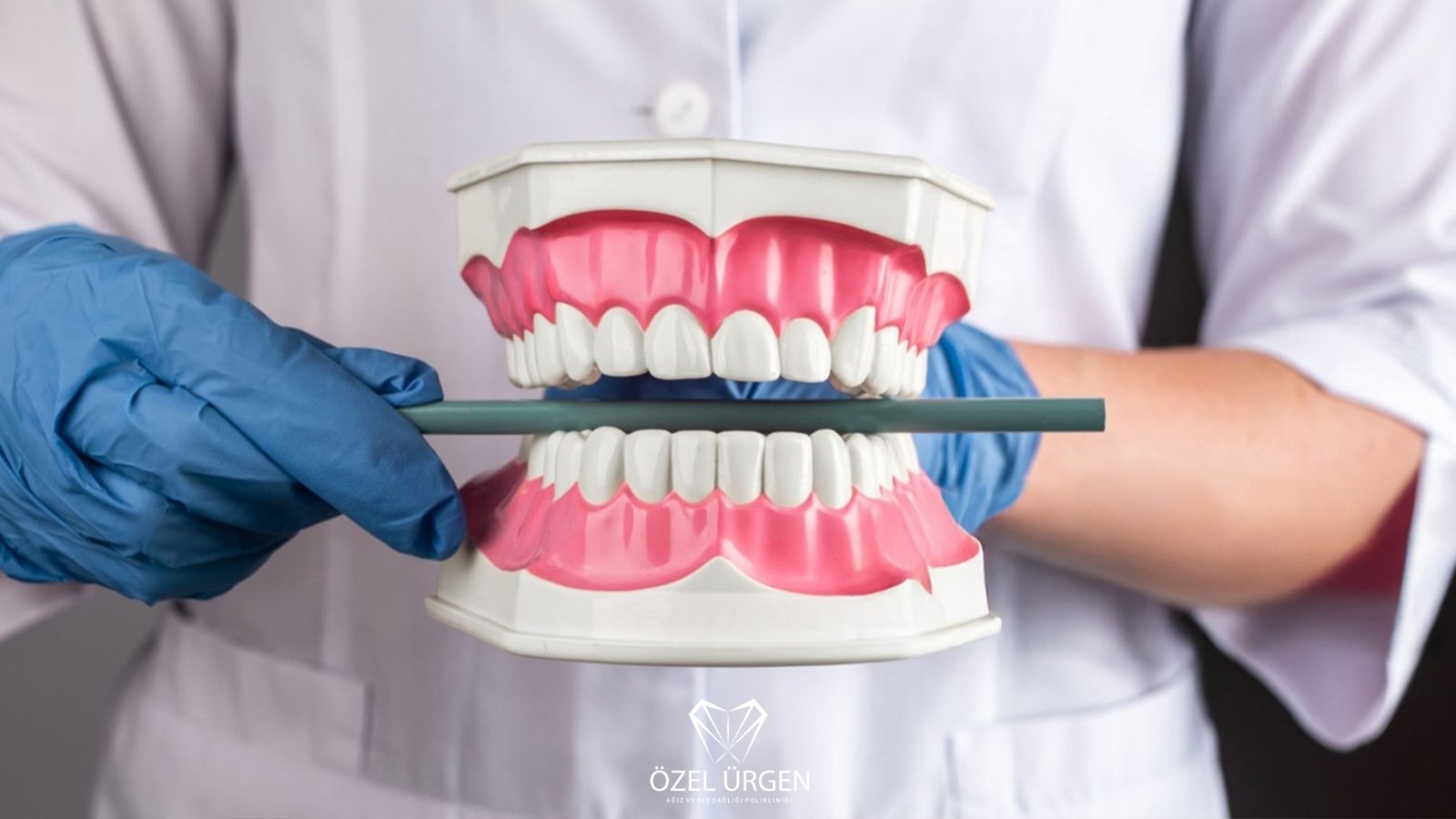
What Is Malocclusion?
One of the most important elements of a beautiful smile is our teeth. However, having a healthy and attractive smile is not only about having white, cavity free teeth. The alignment of the teeth and the harmonious relationship between the upper and lower jaws also play a major role in overall oral health. When this harmony is disrupted, orthodontic problems known as “malocclusion” can occur.
Malocclusion is a common condition that many people consider to be only an aesthetic concern. In reality, it involves much more than appearance alone. Crooked teeth, an upper or lower jaw positioned too far forward or backward, and teeth that do not meet properly when biting down are all considered forms of malocclusion. While some people experience only mild cases, others may develop conditions that can affect their daily lives.
What Causes Malocclusion?
Malocclusion does not develop for a single reason. In most cases, several factors come together and cause the teeth and jaws to lose their natural alignment. For some individuals, the condition is linked to genetic factors. If family members have crowded teeth, jaw discrepancies, or bite problems, there is a greater chance that similar issues may appear in their children.
Childhood habits can also have a significant impact on dental development. Prolonged pacifier use, thumb sucking, habitual mouth breathing, or tongue positioning that constantly pushes against the teeth may gradually affect the alignment of the teeth. In addition, losing baby teeth earlier than expected can influence how permanent teeth erupt, increasing the likelihood of crowding and other alignment issues.
In some cases, malocclusion may develop later in life. Pressure caused by erupting wisdom teeth, injuries to the jaw area, or structural conditions affecting jaw development can alter the way the teeth come together. For this reason, identifying the underlying cause of malocclusion is an important step in planning the most effective treatment.
Signs and Symptoms of Malocclusion
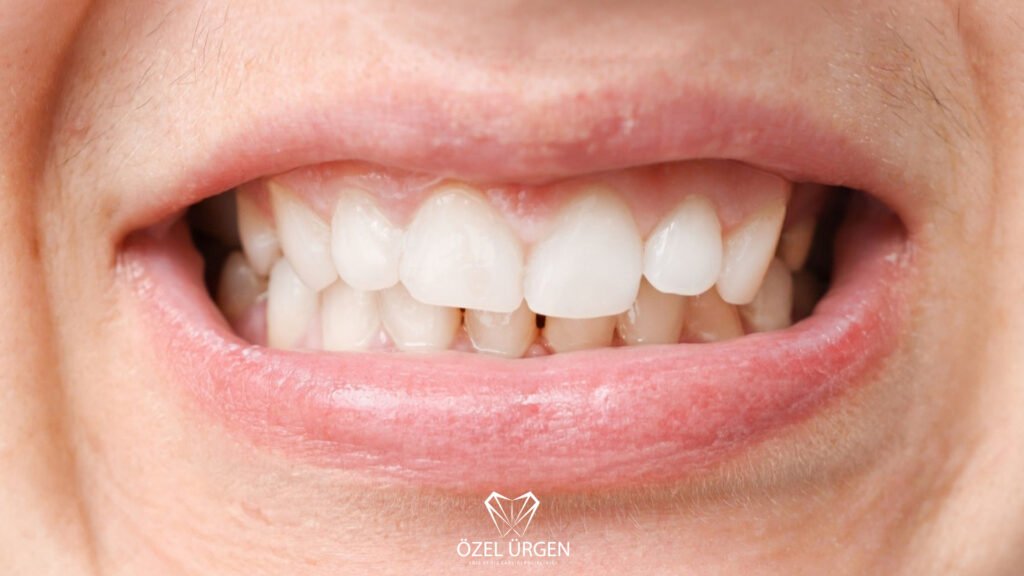
The symptoms of malocclusion can vary from person to person. In fact, some people may live for years without realizing that their teeth or jaws are not properly aligned. Mild cases may not cause noticeable discomfort at first. However, over time, certain signs may begin to appear, affecting both appearance and oral function.
One of the most common signs is an irregular appearance of the teeth. Teeth that overlap, appear crowded, or have excessive spacing between them are often the first things people notice. In addition, problems such as the upper and lower teeth not fitting together properly, or the lower jaw appearing too far forward or backward, can also indicate malocclusion.
For some individuals, the effects become noticeable in everyday life rather than through appearance alone. Difficulty chewing food comfortably, struggling to bite properly, or frequently biting the inside of the cheeks may occur. Clicking sounds when opening or closing the mouth, discomfort in the jaw joint, and occasional jaw pain can also be signs that the teeth and jaws are not functioning in harmony.
As malocclusion progresses, its effects may extend beyond the mouth. Some people may experience difficulties pronouncing certain sounds, changes in breathing habits, or persistent tension in the jaw muscles. For this reason, any noticeable changes in the teeth or jaw structure should be evaluated early to help prevent more significant problems in the future.
Types of Malocclusion
Malocclusion does not present itself in just one way. It can appear in different forms depending on the relationship between the teeth and jaws. During an orthodontic examination, specialists evaluate not only tooth alignment but also how the jaws come together when biting.
One of the most common forms is Class I malocclusion. In this situation, the overall relationship between the upper and lower jaws is considered normal, but the teeth may be crowded, rotated, misaligned, or irregularly positioned. Although there may be no obvious jaw problem, the arrangement of the teeth can affect both appearance and oral hygiene.
In Class II malocclusion, the upper teeth or upper jaw are positioned further forward compared to the lower jaw. Many people describe this as having a “receding lower jaw.” It is often more noticeable from the side profile and may lead to both aesthetic concerns and difficulties with chewing.
Class III malocclusion is essentially the opposite situation. In this case, the lower jaw extends further forward than the upper jaw. Often referred to as an “underbite,” this condition can significantly affect facial appearance in more severe cases. It may also make it difficult for the teeth to meet correctly, causing functional challenges in daily life.
Beyond jaw positioning, the way the teeth close together is also important. For example, in some individuals, the front teeth do not touch when the mouth is closed, leaving a gap known as an open bite. In others, the upper teeth excessively overlap the lower teeth, which is called a deep bite. A crossbite occurs when certain teeth close in the opposite position from where they should naturally be.
How Is Malocclusion Treated?
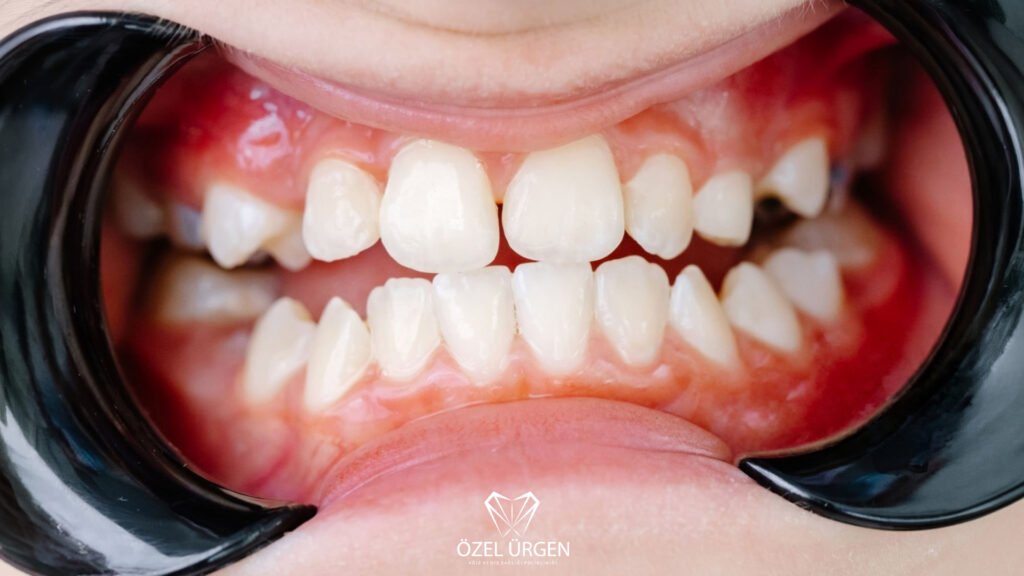
The most suitable treatment for malocclusion depends on the individual’s needs and the severity of the condition. Fortunately, modern dentistry offers highly effective treatment options for both children and adults.
Orthodontic treatment is among the most common approaches. Traditional braces and clear aligners can gradually move the teeth into their ideal positions, helping create a healthier bite. In recent years, clear aligners have become especially popular because they offer a more discreet appearance and greater convenience in daily life.
When jaw development problems are identified during childhood, special orthodontic appliances can be used to guide growth at an early stage. This may help prevent the need for more complex treatments later in life.
In advanced cases, moving the teeth alone may not be enough. Significant jaw discrepancies sometimes require a combination of orthodontic treatment and corrective jaw surgery. This is why early diagnosis and professional evaluation are so important for successful treatment outcomes.
What Happens If Malocclusion Is Left Untreated?
Because malocclusion often develops gradually, many people assume that treatment is unnecessary. While it may seem like a purely cosmetic issue at first, it can eventually contribute to a variety of oral health problems.
Misaligned teeth can make daily oral hygiene more challenging. Areas that are difficult to reach with a toothbrush or dental floss may allow plaque and food particles to accumulate more easily. Over time, this can increase the risk of cavities as well as gum disease.
When the teeth do not come together properly, the jaw and surrounding muscles may need to work harder than normal. Some individuals experience jaw fatigue upon waking, clicking sounds in the jaw joint, or even recurring headaches that may be linked to this imbalance.
Another potential consequence of untreated malocclusion is uneven tooth wear. Certain teeth may be subjected to greater pressure than others, leading to excessive wear, sensitivity, and even small cracks over time.
Why Is Early Diagnosis Important in Children?
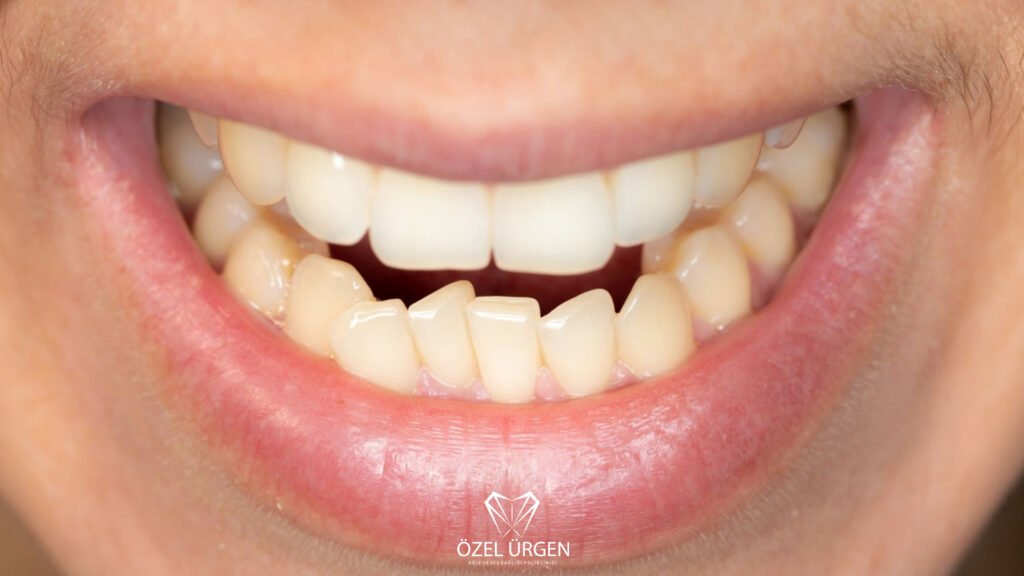
Childhood is one of the most important stages in the development of the teeth and jaw structure. Detecting orthodontic problems such as malocclusion early can help prevent many complications later in life. Since growth and development are still ongoing, treatment during childhood is often more effective than treatment in adulthood.
For this reason, children should not visit the dentist only when they experience pain. Regular dental check ups are essential. Sometimes a minor bite issue or a subtle difference in jaw development that parents may not notice can be identified during a professional examination.
Experts generally recommend that children undergo their first orthodontic evaluation around the age of seven. At this stage, the jawbones are still developing, making it possible to guide growth and address certain problems more easily.
Comments are closed