



What is Bone Grafting? How is Bone Grafting Performed?
Some dental treatments can sound a bit intimidating when you first hear about them. Especially when you come across a term like “bone graft,” it is natural for many people to immediately imagine a major and complicated surgery. In reality, however, things are often not as dramatic as they seem. In dentistry, bone grafting does not always mean a large operation; it is usually a controlled and well planned procedure that allows patients to return to their daily routine shortly after.
In the simplest terms, bone grafting can be thought of as a “bone strengthening” procedure used to rebuild or support insufficient jawbone. The jawbone may gradually resorb or weaken due to tooth loss, infections, trauma, or long term untreated dental issues. In such cases, adequate bone support is essential, especially when planning stable treatments such as dental implants.
Missing bone tissue is rebuilt using special materials, helping to restore the jaw to a suitable condition for treatment. This procedure is not applied in the same way for every patient; it is always customized based on the individual’s needs, the level of bone loss, and the planned dental treatment.
So why is bone grafting recommended before implant treatments in some cases? In which situations does it become necessary? And most importantly, is it really as complicated as it sounds?
What is Bone Grafting?
Bone grafting is, in its simplest form, a procedure used to support and strengthen areas where bone tissue is missing or insufficient. In areas of tooth loss, the jawbone may naturally begin to resorb over time. This is where bone grafting comes in, helping to compensate for that loss.
After a tooth is extracted, the bone in that area gradually begins to lose volume. The main reason for this is quite simple: the bone no longer receives stimulation from the tooth root. The body tends to reduce the use of unused tissues over time. This process usually goes unnoticed; the person continues their daily life while the changes in the bone occur silently. It is often only detected during a dental examination or through X ray and tomography images.
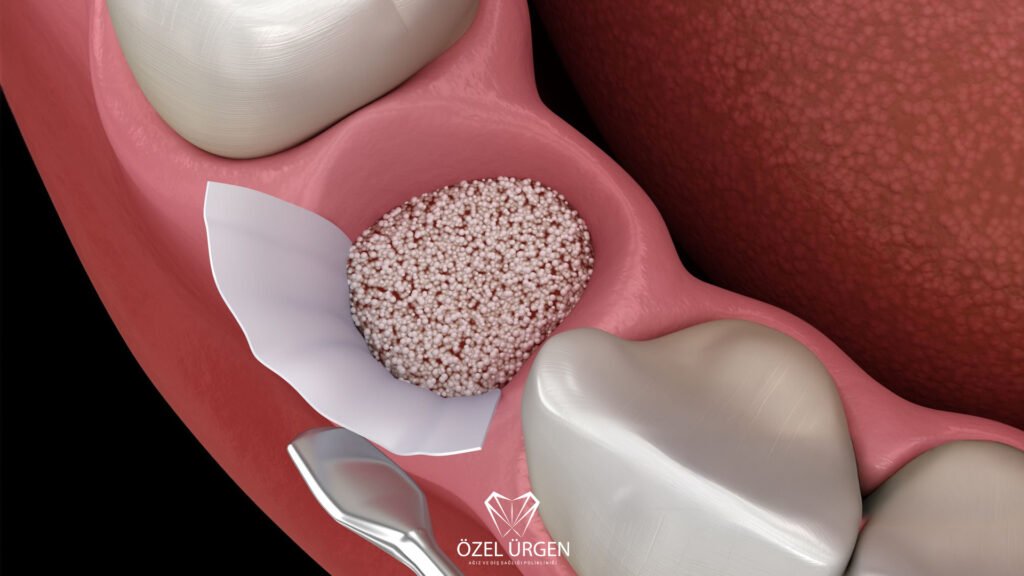
Bone grafting supports weakened or missing areas, allowing the bone to regenerate and rebuild itself. This procedure plays a crucial role especially in patients planned for dental implants. Because for an implant to remain stable and healthy for many years, sufficient and strong bone support is essential. Without it, the implant may fail to integrate properly or may not achieve an ideal long-term result.
Why is Bone Grafting Performed?
When people hear about bone grafting, they usually think it is only done before implants. While this is partly true, it is not the only reason. The indications for bone grafting are actually broader and relate to situations we encounter more often than we realize in daily life.
One of the most common reasons is bone resorption due to tooth loss. When a tooth has been missing for a long time, the bone in that area becomes less active and gradually starts to thin. This process is usually painless, so it often goes unnoticed. However, when an implant is planned, insufficient bone support may become apparent.
Another important cause is periodontal (gum) disease. If left untreated for a long time, gum problems can affect not only the gums but also the bone that supports the teeth. Over time, this leads to weakening and loss of bone structure.
Trauma is another key factor. Accidents or impacts to the jaw area can lead to localized bone loss. In such cases, the affected area may need to be rebuilt both functionally and aesthetically.
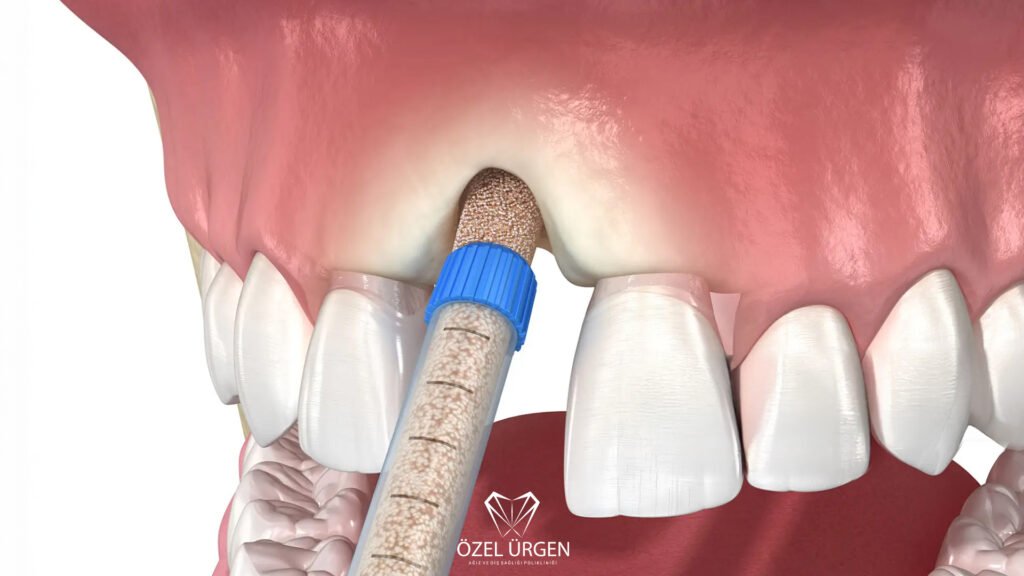
In some situations, bone grafting is performed preventively, before any major problem develops. For example, after a tooth extraction, bone support may be added to preserve the area and prevent future resorption. This approach, known as “alveolar preservation,” helps maintain bone structure from the very beginning.
What are the Types of Bone Grafts?
Bone grafts can be obtained from different sources, and although this may sound confusing at first, they are all carefully controlled and safe materials used in modern dentistry.
One of the most common options is using bone taken from the patient’s own body. This is called an “autograft,” and it has a high compatibility rate since it is the patient’s own tissue.
Another option includes donor derived bone materials that have been specially processed and sterilized. These materials go through strict safety procedures before use.
In some cases, animal derived materials especially bovine sources that are made biocompatible are also used. These are widely accepted and commonly applied in modern treatments.
Finally, synthetic bone graft materials produced in laboratory environments are also available. These modern alternatives can provide successful results in many clinical cases.
Bone grafting is usually performed under local anesthesia, meaning the area is numbed and the patient does not feel pain during the procedure. This makes the process much more comfortable than many people expect.
How is Bone Grafting Performed?
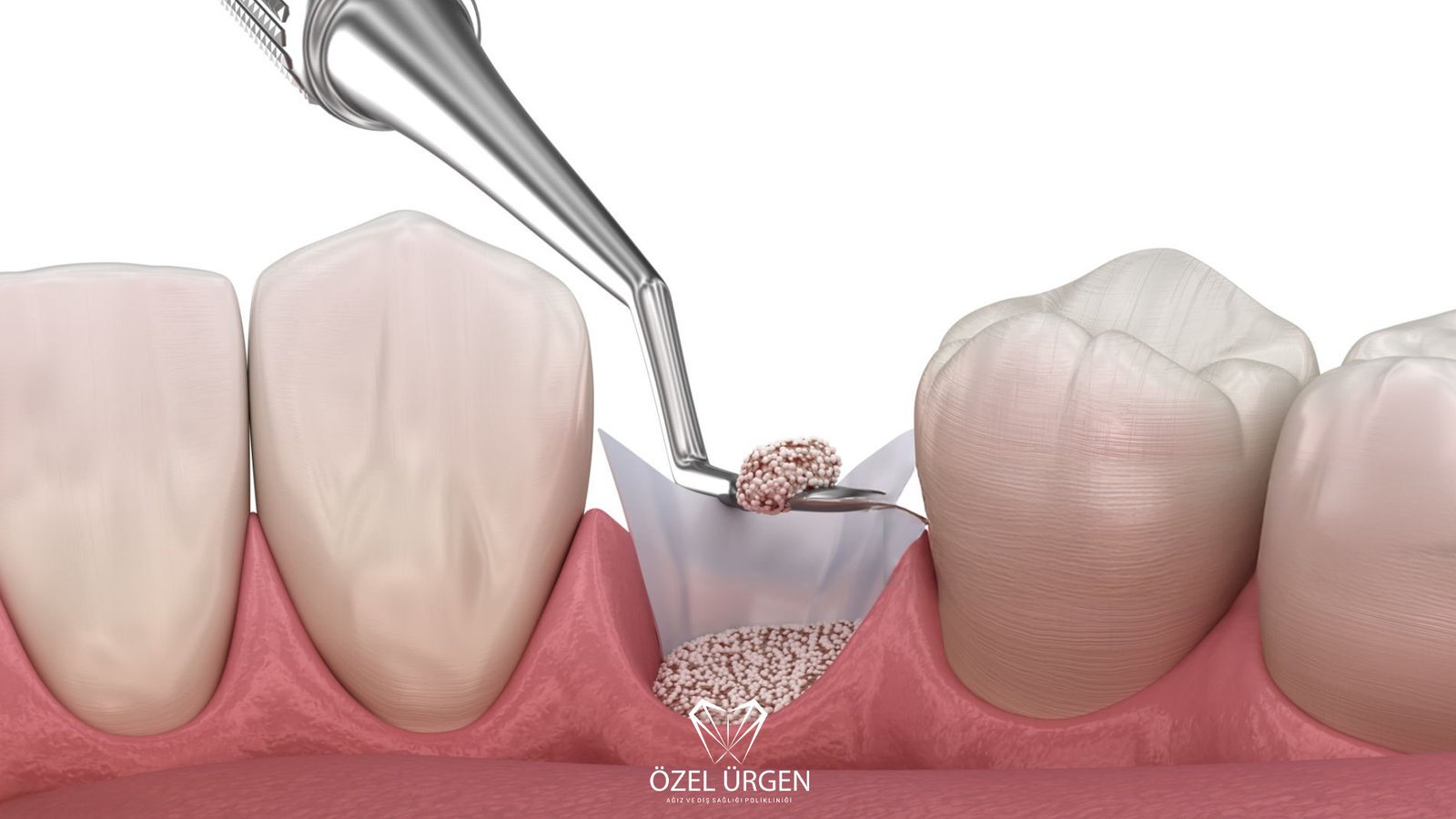
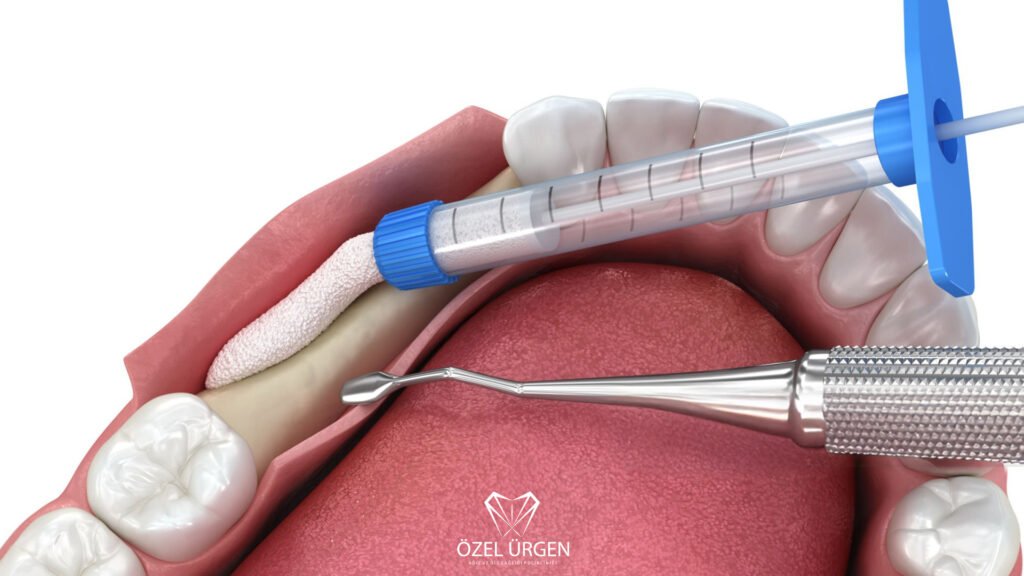
First, the treatment area is cleaned and prepared. Then, the appropriate bone material is placed into the area where support is needed. In some cases, special membranes may be used to protect the site. After that, the area is carefully closed and the healing process begins.
Although it may sound like a major surgical procedure from the outside, many patients report that it is much more comfortable than expected. Of course, pain tolerance and healing experience vary from person to person, but modern techniques make it a well managed procedure overall.
After the procedure, mild swelling, sensitivity, or slight discomfort may occur, which is normal and usually subsides within a few days. During this period, it is important to avoid very hot or hard foods and follow the dentist’s recommendations carefully.
Smoking can negatively affect healing, so it is strongly recommended to reduce or stop smoking during this period. Bone healing takes time, and complete integration usually requires a few months.
Is Bone Grafting Suitable for Everyone?
Bone grafting is not a procedure that is automatically applied to every patient. The most important factor here is a detailed evaluation of the individual’s oral and jaw structure. In other words, the same treatment plan does not apply to everyone.
Certain systemic conditions, regularly used medications, or the current state of the jawbone can directly affect the treatment decision. That is why the process is always personalized. In some cases, only minimal support is needed, while in others a more comprehensive plan may be required.
For this reason, detailed clinical examination, X rays, and sometimes 3D imaging are essential. These tools allow dentists to clearly understand the actual bone condition and create the most accurate treatment plan.
It is also important to remember that someone else’s experience does not necessarily apply to you. Thinking “my friend had it done, so I should too” is not always the right approach. Every person’s oral structure, bone density, and treatment needs are different. Therefore, the most reliable decision is made after a personalized evaluation.
Comments are closed