



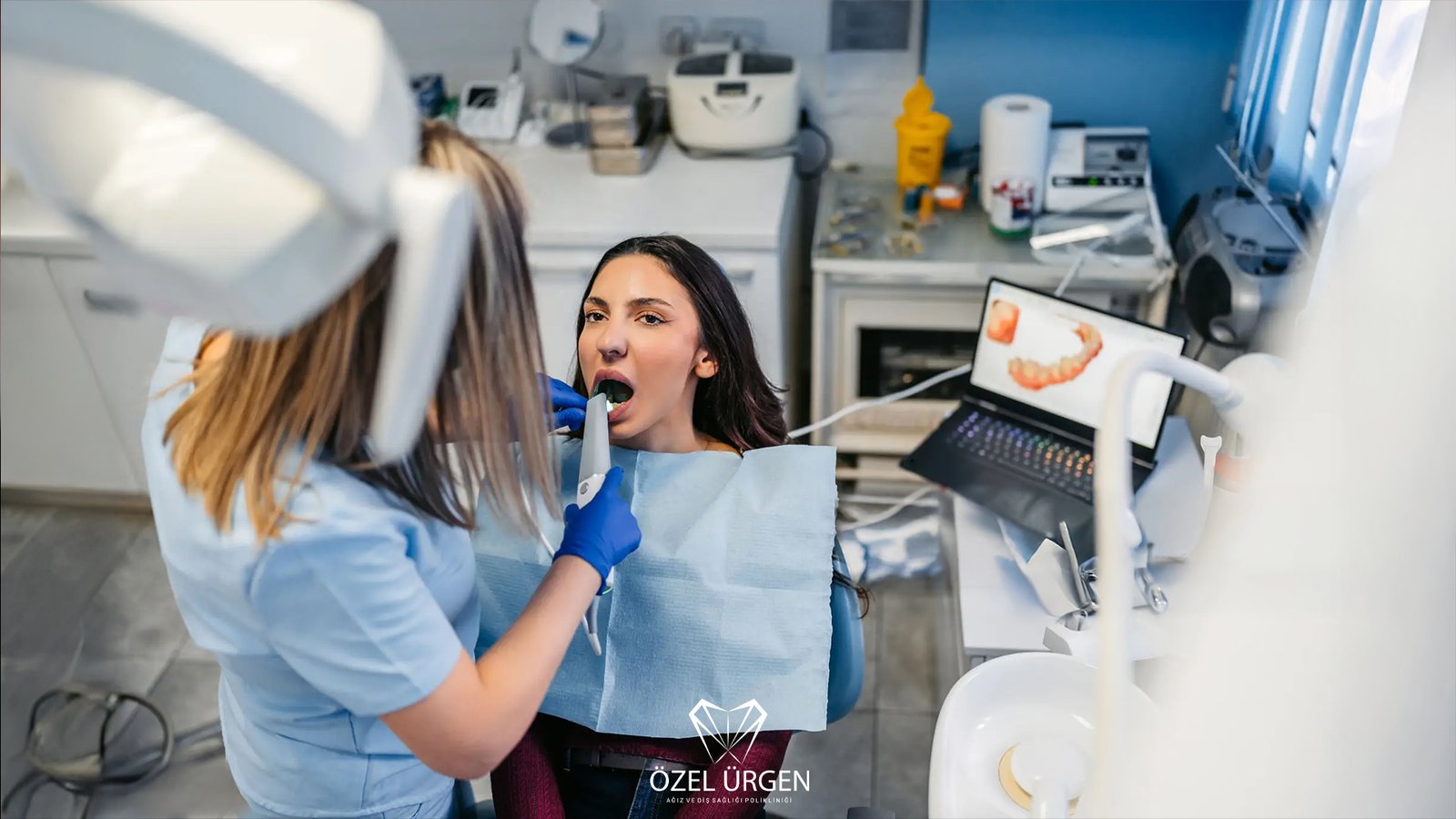
What is Digital Impression
When it comes to dental treatments, one of the first scenes that comes to many people’s minds is the old school impression taking process. Large trays placed inside the mouth, impression material that might overflow, and the obligation to stay completely still for a few minutes… Especially if you have a gag reflex, this process could really turn into a patience testing experience. For many patients, this stage of treatment was even more stressful than the treatment itself. In fact, some people would even postpone going to the dentist just because of this.
But honestly, things are no longer the same as before. Just like in every area of our lives, technology has also brought a major transformation in dentistry. Many methods that we once considered “essential” have now been replaced with much more practical, faster, and more comfortable alternatives. Digital impression is one of the best examples of this change. It offers a much more comfortable experience for patients while significantly improving the quality of the treatment process.
Digital impression is actually based on a very simple principle. It is the process of transferring teeth and oral tissues into a three dimensional digital environment using special intraoral scanners. In other words, without the need for traditional impression materials, waiting time, or that uncomfortable feeling, an exact digital copy of the mouth is created. The devices used during this process are quite small and ergonomic, ensuring maximum patient comfort.
These scanners work like a small camera, capturing your teeth step by step. With each pass, thousands of data points are collected and instantly combined to create a detailed 3D model. The best part is that you can actually see a digital model of your own teeth on the screen while the process is happening. So treatment is no longer just something the dentist explains to you; it becomes an experience you can actively follow.
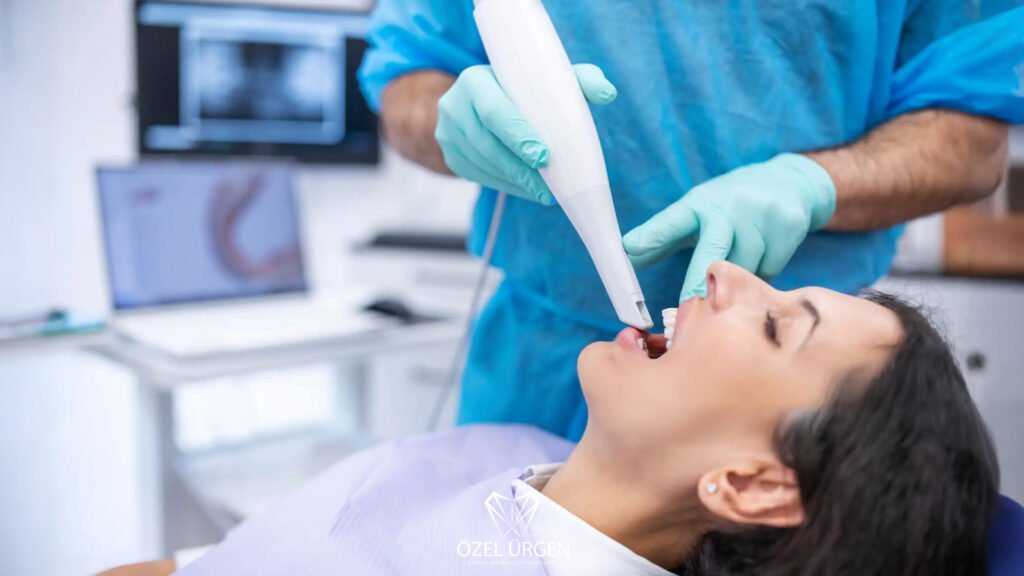
How is Digital Impression Taken?
If you are wondering how digital impressions are taken, there is actually nothing to worry about. In fact, most patients are surprised and say, “That’s it?” when they experience it for the first time. Because the process is really simple and comfortable.
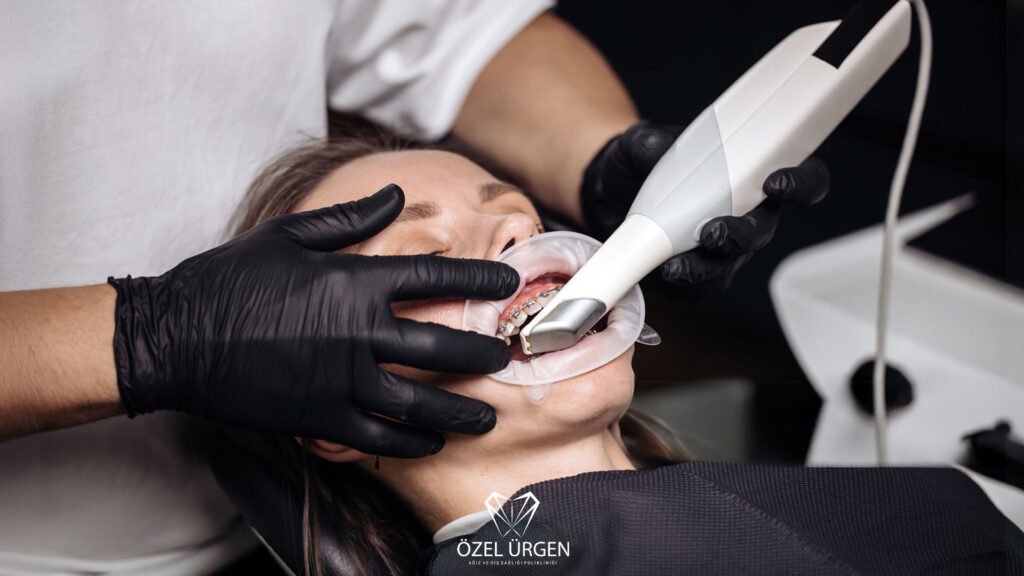
At the beginning, the dentist holds a thin, pen like intraoral scanner and gently places it inside your mouth. Then it is slowly moved over your teeth. There is no pressure, no messy material, and nothing that makes you uncomfortable. The best part is that you don’t need to hold your breath or stay tense while sitting still. The whole process is designed around your comfort.
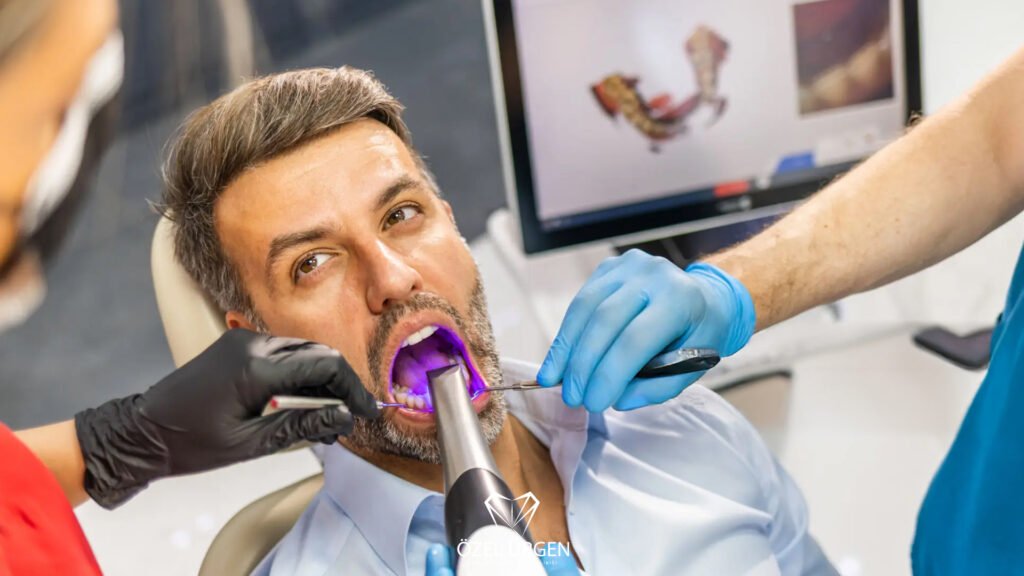
As the scanner works, the image of your teeth appears instantly on the computer screen. So while you are sitting in the chair, you can almost watch a 3D version of your teeth live. This makes the process more interesting and even enjoyable. Especially if you have experienced traditional impressions before, you immediately notice the difference.
Usually, the scanning process is completed within a few minutes. There is no long waiting time or holding a hard material in your mouth. If any area appears incomplete or unclear, there is no need to panic. The dentist can simply rescan that section immediately. So small details noticed during the process can be corrected on the spot.
This is actually one of the biggest advantages of digital impressions. Since everything can be checked instantly, the margin of error is significantly reduced. As a result, a much more accurate impression is obtained, and the following treatments proceed in a much healthier way.
What are the Advantages of Digital Impression?
When talking about the advantages of digital impressions, comfort should definitely come first, because that is the most noticeable difference. It provides a great relief especially for patients who are sensitive to impression materials or who experience a strong gag reflex. Since there is no bulky material staying in your mouth for minutes, the whole process feels much more relaxed.
Another important point is precision. Digital systems can scan your teeth in very fine detail, resulting in highly accurate and reliable impressions. This ensures that crowns, prosthetics, or aligners created afterward fit the mouth much better. When the fit is good, both aesthetics and functionality improve significantly. In other words, it is not just about looking good, but also about feeling comfortable while using it.
Time is another major advantage. In traditional methods, after taking the impression, most of the work depended on laboratory processes, which naturally took time. Sometimes even small errors in the impression meant starting over. With digital impressions, the data is instantly transferred digitally to the lab, which significantly speeds up the process.
Comments are closed