



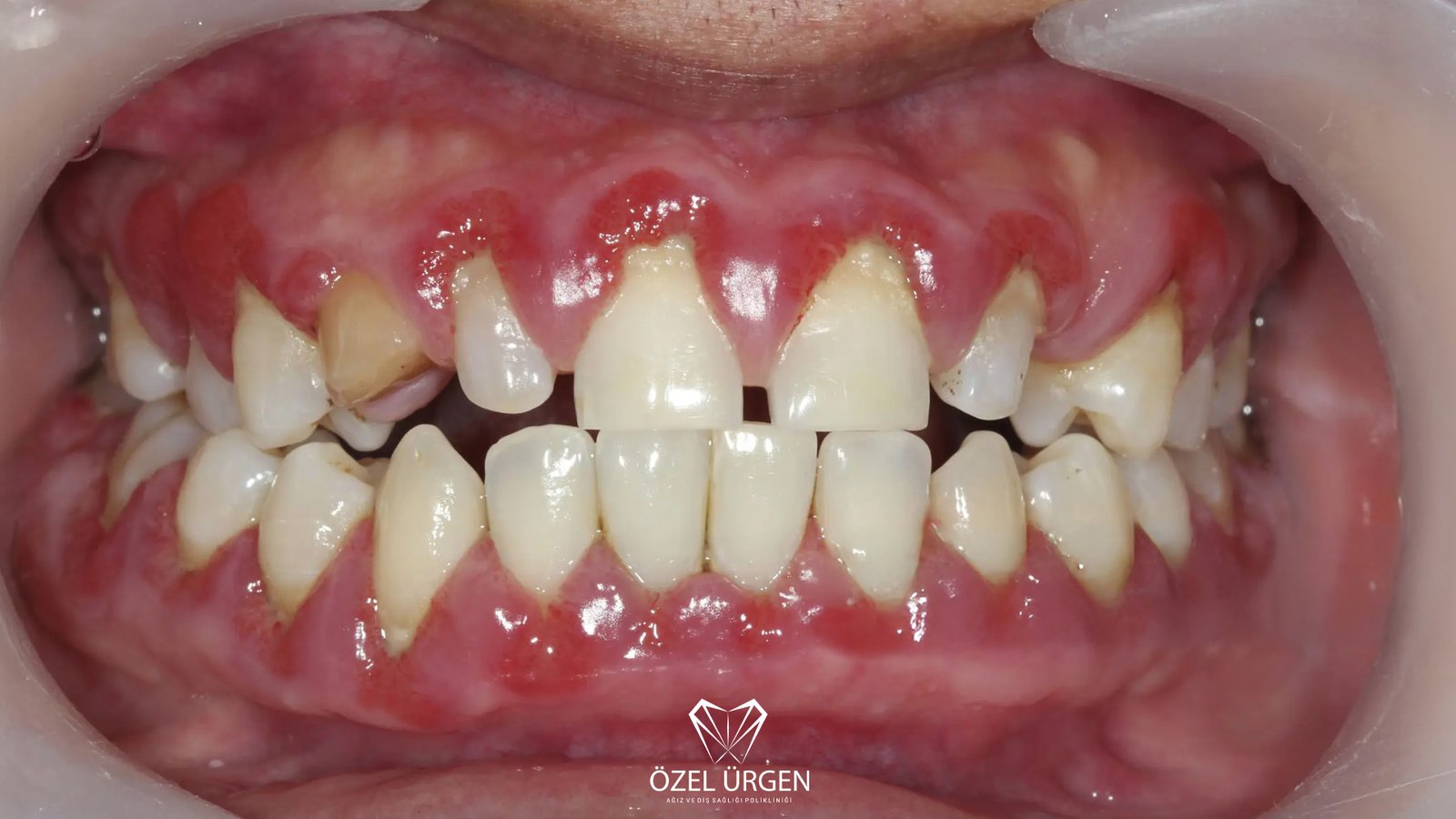
Gum Inflammation
When people think about oral and dental health, cavities are usually the first thing that comes to mind. However, one of the most common oral health problems that often develops quietly is gum inflammation. Small amounts of bleeding while brushing, tenderness in the gums, persistent bad breath, or occasional swelling are often ignored or considered “normal.” In reality, these small signs can actually be your gums trying to warn you that something is wrong.
Gum inflammation usually progresses slowly, which is why many people do not realize how serious it can become in the early stages. Since it does not always cause noticeable pain, the problem is often postponed with thoughts like “it will go away on its own.” But when left untreated, gum problems can eventually affect not only the gums but also the bone structure supporting the teeth. In advanced cases, this may lead to gum recession, loose teeth, and even tooth loss.
This condition is not just a small discomfort inside the mouth. It can directly affect a person’s daily quality of life. Sensitivity while eating, discomfort with hot or cold foods, anxiety caused by bad breath, or concerns about appearance while smiling can slowly begin to affect social confidence. Without even noticing it, people may start hiding their smile or feeling uncomfortable while speaking in public.
Healthy gums are actually the foundation of strong and healthy teeth. No matter how healthy teeth may look, maintaining long term oral health becomes difficult if the surrounding gum tissue is unhealthy. That is why gum bleeding should never be ignored. Healthy gums do not bleed easily under normal circumstances.
What Is Gum Inflammation?
Gum inflammation is a common oral health problem caused by bacteria that gradually build up inside the mouth and damage the gum tissue. In dentistry, this condition is commonly known as “gingivitis.” When oral hygiene is not maintained properly, the gums can become irritated, sensitive, and inflamed over time.
Food particles, drinks, and naturally occurring bacteria in the mouth create a thin layer on the teeth throughout the day. This layer is known as plaque. If the teeth are not cleaned regularly and properly, plaque hardens over time and turns into tartar. These tartar deposits constantly irritate the gums and may cause redness, swelling, and bleeding.
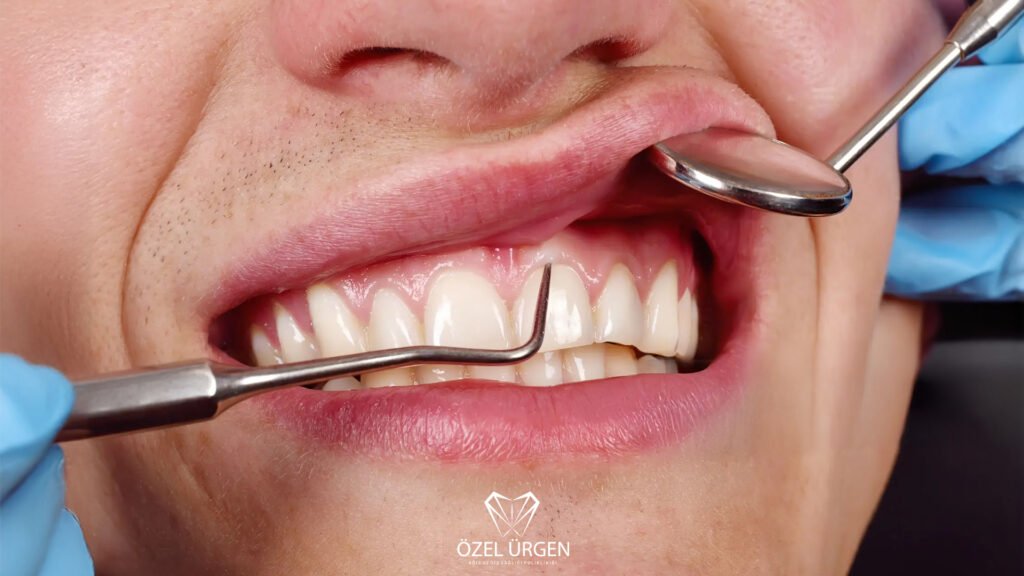
One of the most challenging things about gum inflammation is that it often does not cause obvious pain in the beginning. Many people ignore slight bleeding while brushing or assume bad breath is temporary. In reality, these symptoms are signs that the gums are struggling. If not noticed early, the inflammation can progress into more serious gum diseases.
The good news is that gum inflammation is usually easy to treat when detected early. With regular oral care, professional tartar cleaning, and healthy habits, gums can regain their healthy appearance and strength.
What Are the Symptoms of Gum Inflammation?
Gum inflammation does not usually appear suddenly. It often develops slowly and may not cause severe pain in the early stages, making it easy to overlook. Many people mistake the symptoms for temporary sensitivity. However, the mouth often gives small but important signals that the gums are no longer healthy.
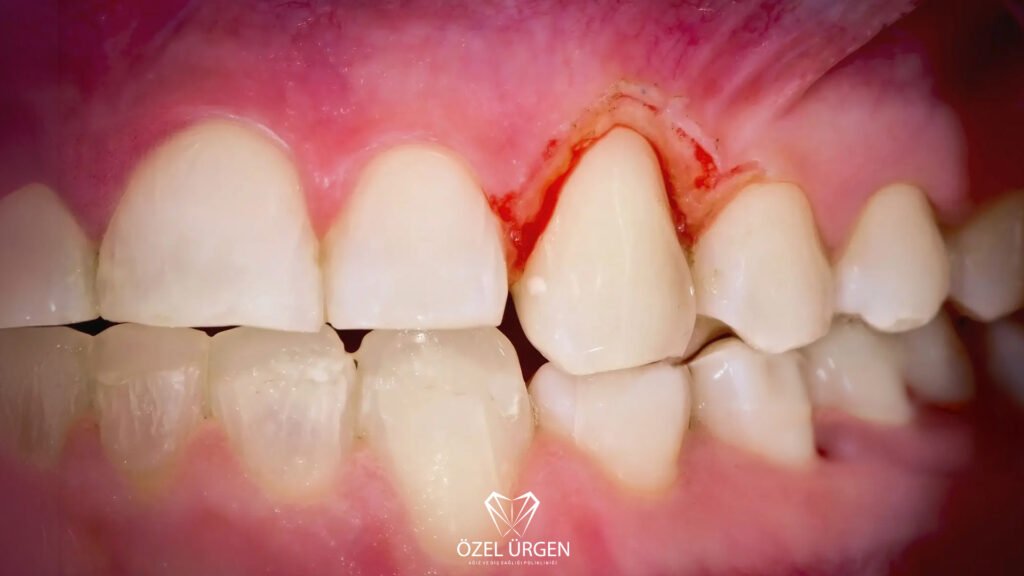
One of the most common signs is bleeding while brushing the teeth. Bleeding that happens frequently should never be considered normal. Many people think it happens because they brushed too hard, but in most cases, inflamed gums are the real reason. Healthy gums generally do not bleed easily.
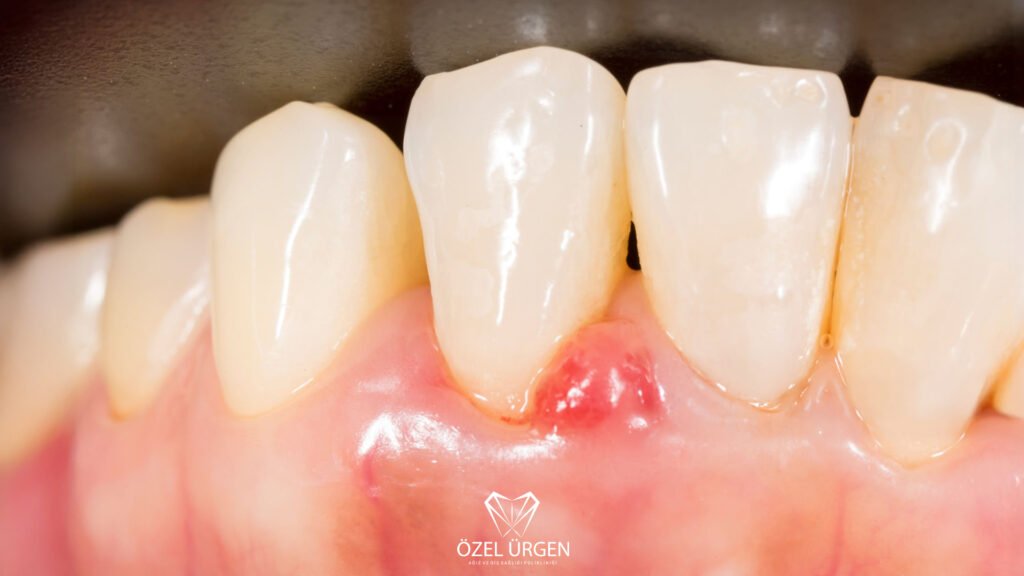
Redness and swelling in the gums are also common symptoms. Healthy gums are usually light pink, but inflamed gums may appear darker red and swollen. Some people also describe a feeling of pressure or mild throbbing in the gums.
Persistent bad breath can also be an important sign of gum inflammation. If bad breath continues even after brushing, it may indicate bacteria buildup inside the mouth. Especially when the smell becomes noticeable throughout the day, it is important to have the gums checked by a dentist.
As the condition progresses, gum recession may begin to occur. Teeth can appear longer than before, and sensitivity to hot or cold foods may increase. Some people may feel pain while eating, discomfort while chewing, or even slight looseness in the teeth. These are usually signs that the problem has advanced further.
What Causes Gum Inflammation?
The most common reason for gum inflammation is poor oral hygiene. Throughout the day, food particles and bacteria build up on the surface of the teeth. If the teeth are not brushed regularly and oral care is neglected, these bacteria begin to multiply. Especially skipping brushing before bedtime allows bacteria to remain active in the mouth for long hours, which can eventually irritate the gums and lead to inflammation.
Over time, plaque that is not cleaned properly hardens and turns into tartar. Tartar is not only a cosmetic issue but also a serious problem for gum health because it creates an ideal environment for bacteria to stick around the gumline. Unlike plaque, tartar cannot be removed with regular brushing at home and usually requires professional dental cleaning. Without routine dental checkups, gum problems can continue progressing unnoticed.
Certain daily habits can also speed up the development of gum inflammation. Smoking is one of the leading factors. It weakens the healthy structure of the gums and reduces blood circulation, making it harder for the gums to heal and defend themselves against infections. Stress can also negatively affect the immune system and reduce the body’s resistance to bacteria. Many people do not realize that stress can influence oral health, but long term stress can contribute to several dental and gum problems.
Hormonal changes during certain stages of life can make the gums more sensitive as well. Pregnancy, puberty, and menopause are common periods when gum swelling or bleeding may become more noticeable. In addition, poor nutrition and vitamin deficiencies can directly affect gum health. A lack of vitamin C, for example, may weaken the gums and make them more vulnerable to inflammation.
How Is Gum Inflammation Treated?
The treatment for gum inflammation depends on how advanced the condition is. The good news is that when detected early, gum problems can usually be controlled quite easily. That is why it is important not to ignore symptoms and to visit a dentist before the condition worsens.
The first step of treatment is usually professional tartar cleaning. Since bacteria responsible for gum inflammation often hide inside plaque and tartar buildup, these hardened deposits need to be removed. Dentists use special tools to clean the teeth thoroughly and help the gums recover. Many people say their mouth feels much cleaner and fresher after the procedure. Despite what some may think, the process is generally comfortable and not as intimidating as it sounds.
In reality, the most important part of treatment begins after leaving the dental clinic. Maintaining healthy gums requires consistent daily oral care. Brushing at least twice a day, using dental floss, and keeping up with oral hygiene routines are all essential. Cleaning the tongue regularly is also important because bacteria can collect there as well. These simple habits may seem small, but they make a major difference in long term gum health.
If gum inflammation has progressed further, more advanced periodontal treatments may be necessary. In some cases, deep gum cleaning, laser supported procedures, or surgical treatments may be recommended. However, the earlier the problem is identified, the easier and more comfortable the treatment process becomes. That is why symptoms such as gum bleeding, persistent bad breath, or sensitivity should never be ignored.
What Can Be Done to Prevent Gum Inflammation?
Preventing gum inflammation is often much easier than treating it later. Small but consistent habits in daily life can make a big difference in protecting gum health. The most important step is maintaining proper oral hygiene. Brushing the teeth regularly at least twice a day helps remove bacteria from the mouth. However, brushing alone may not always be enough because toothbrushes cannot reach every area. Food particles trapped between the teeth can lead to plaque buildup over time, which is why dental floss is also an important part of oral care.
Regular dental checkups are equally important. Many people only visit a dentist when they feel pain, but gum problems often progress silently without obvious discomfort in the beginning. Routine checkups allow potential problems to be detected early before they become more serious. Professional tartar cleaning is also very beneficial for maintaining healthy gums.
Eating habits can also directly affect oral health. Excessive sugar consumption may encourage bacteria to multiply more quickly inside the mouth. In addition, not drinking enough water can cause dry mouth, creating an environment where bacteria can grow more easily. Drinking plenty of water throughout the day helps keep the mouth cleaner and supports overall oral health.
Comments are closed