



What is an Implant Supported Prosthesis?
When we think about dental health, most of us immediately think about brushing, flossing, and regular dental check ups. These habits are definitely important, but sometimes oral health can get a lot more complicated. Especially when it comes to missing teeth, the issue goes beyond aesthetics. A missing tooth can affect your daily life much more than you might think; chewing function can be impaired, speaking may become awkward, and you might even feel self conscious when smiling.
Tooth loss isn’t just a physical matter it can be a psychological one too. People may feel the need to hide missing teeth, act more reserved in social settings, or experience a drop in self confidence. That’s why thinking about dental health as simply “whiter, cleaner teeth” isn’t enough. Our oral health directly impacts our quality of life, and seeking solutions when teeth are missing is crucial for both our health and how we feel about ourselves.
Today, we’ll talk about what can be done in the face of tooth loss, the solutions modern dentistry offers, and how options like implant supported prostheses can make a real difference in our lives.
Difference Between Implant and Prosthesis
When we lose a tooth, we often hear two terms: implant and prosthesis. But what exactly do they do? Let’s break it down simply.
A dental implant can be thought of as a small screw placed into the jawbone. This screw mimics the root of your missing tooth and creates a stable foundation for the tooth to stay in place.
A prosthesis, on the other hand, replaces the visible part of missing teeth. In other words, the part that restores your tooth’s appearance and chewing function is the prosthesis.
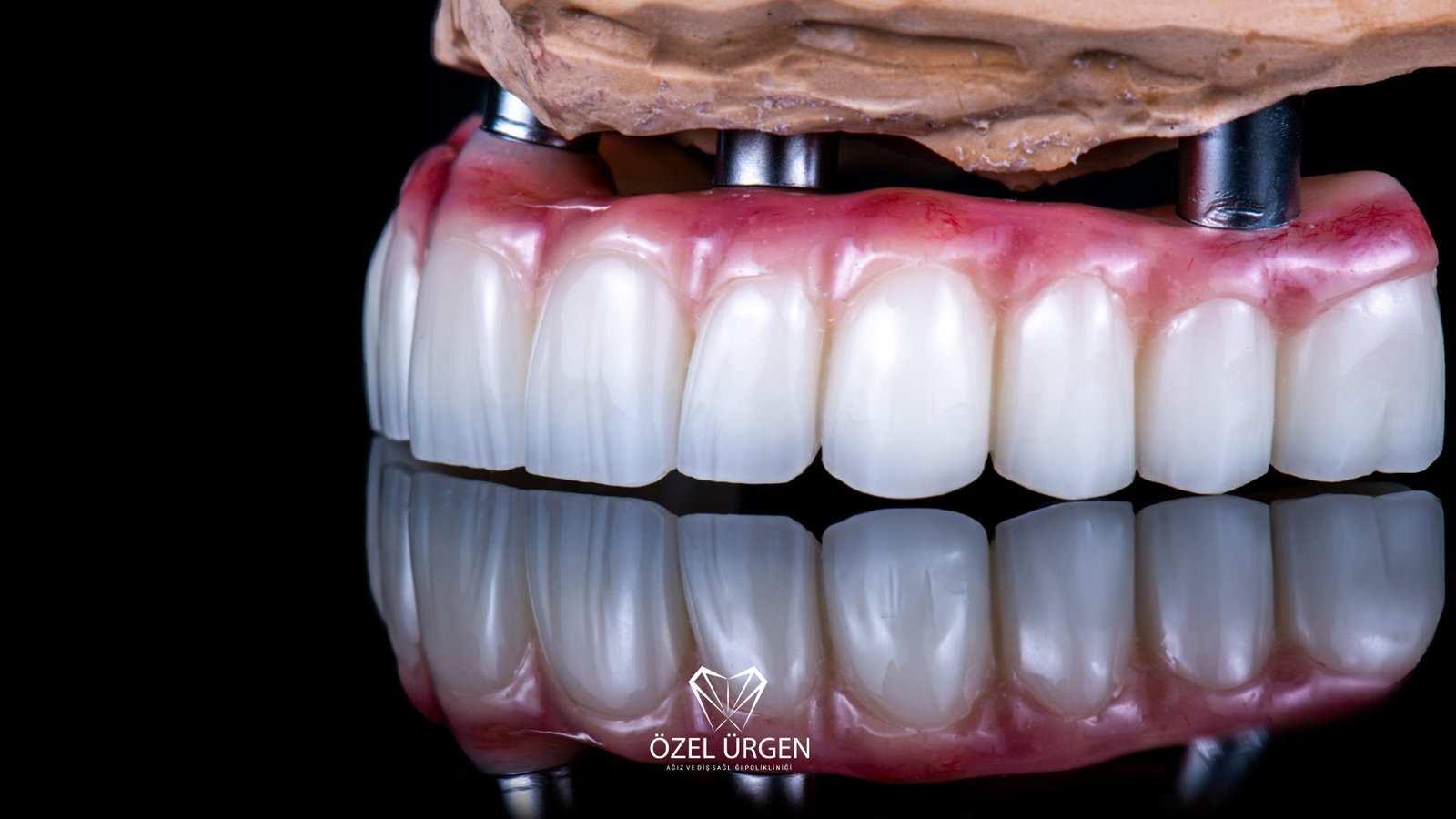
So what is an implant supported prosthesis? It’s the perfect combination of the two: the implant anchors into the bone, and the prosthesis is placed on top either fixed or removable in some cases. This way, you get a strong foundation and a natural, aesthetically pleasing smile.
Why Choose an Implant Supported Prosthesis?
When we lose a tooth, many of us immediately think of bridges or traditional removable dentures. But implant supported prostheses truly stand out compared to these conventional methods. Let’s take a closer look at their advantages:
Natural Look and Comfort
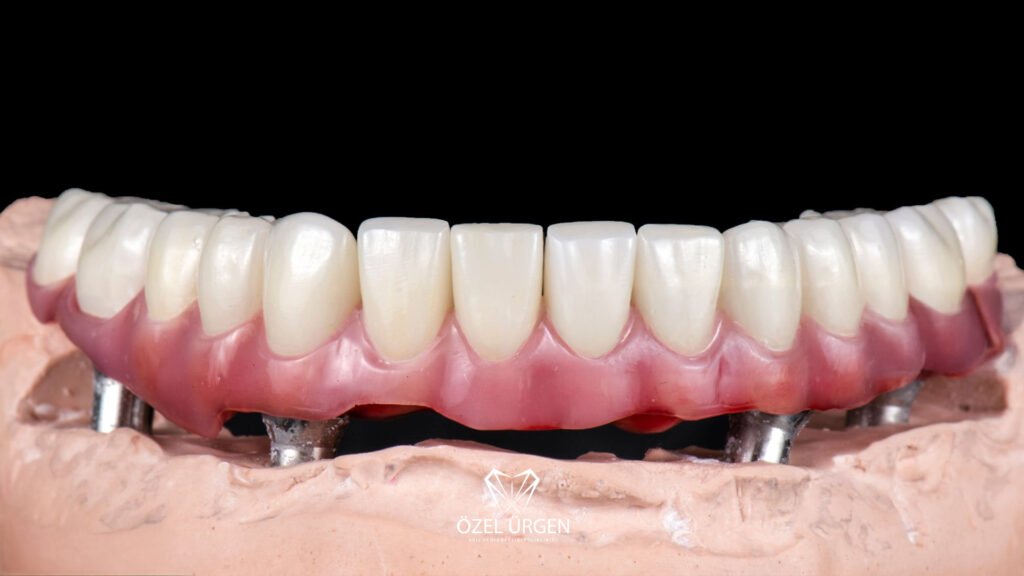
Implant supported prostheses are designed to perfectly match your gums and neighboring teeth. They feel almost like your natural teeth when you talk, smile, or eat. Many people even say that those around them can’t tell the prosthesis from a real tooth.
Strong and Comfortable Chewing
Removable dentures can sometimes slip or feel uncomfortable when biting into hard foods. With implant supported prostheses, it’s a completely different experience. The prosthesis is firmly anchored to the jaw via the implant, making chewing safer and more effective. You can easily enjoy a crisp apple or a crunchy piece of bread.
Preserves Bone Health
After tooth loss, the jawbone can gradually shrink because the tooth root no longer stimulates it. Implants restore this stimulation and significantly prevent bone loss. This also helps maintain your facial contours over the long term.
Longevity and Durability
With proper care, implant supported prostheses can last for many years, even a lifetime in some cases. Compared to removable dentures that often need replacement, this offers great convenience and confidence.
Doesn’t Harm Existing Teeth
Traditional bridges require healthy teeth to be shaved down to support the prosthesis. Implant supported prostheses don’t need this, so your existing teeth remain untouched and healthy.
Is an Implant Supported Prosthesis for Everyone?
Can anyone get an implant supported prosthesis? It really depends on the individual. First, your jawbone needs to be strong and healthy enough to support the implant. Also, maintaining good oral hygiene and being able to care for the implant is crucial for its long term success.
Age is usually not a limiting factor. What matters most is that the jawbone is mature and healthy. However, in some cases—such as severe gum issues or certain systemic conditions—these problems need to be addressed first.
Types of Implant Supported Prostheses
Implant supported prostheses come in different options depending on your needs and lifestyle. Let’s take a closer look:
Fixed Prostheses
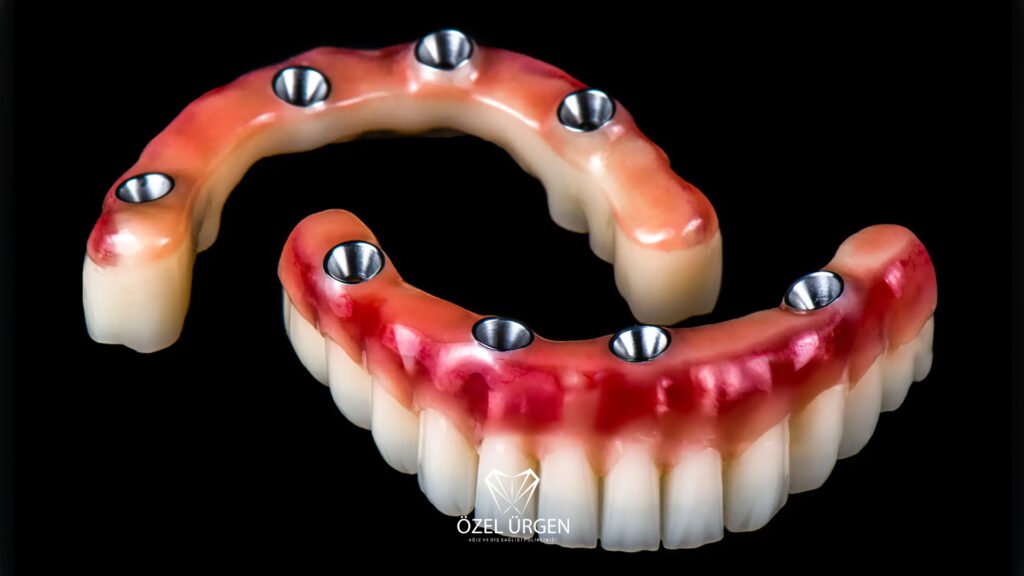
These are permanently screwed onto the implants and don’t need to be removed. The comfort feels almost like natural teeth. For cleaning, dental floss and special brushes are enough. Ideal for those who want comfort and a natural look.
Removable Prostheses
These prostheses sit on the implants but can be removed when necessary. They are especially suitable when all teeth in the upper or lower jaw are missing. Cleaning is easy, and you can take the prosthesis out and put it back in as needed. A practical daily solution.
All on 4 Prostheses
This is a special method: a full arch prosthesis supported by four implants. It provides great convenience for people with multiple missing teeth. You get maximum support with fewer implants, making it both economical and functional.
Care and Longevity
After getting an implant supported prosthesis, care is very important. Brushing your teeth regularly, using dental floss, and visiting the dentist for check ups are essential. Being careful to prevent inflammation around the implant (peri implantitis) helps extend the prosthesis’s lifespan.
Also, biting hard objects or habits like nail biting can damage your implant. Keep this in mind. However, normal chewing and speaking activities in daily life won’t harm your implants.
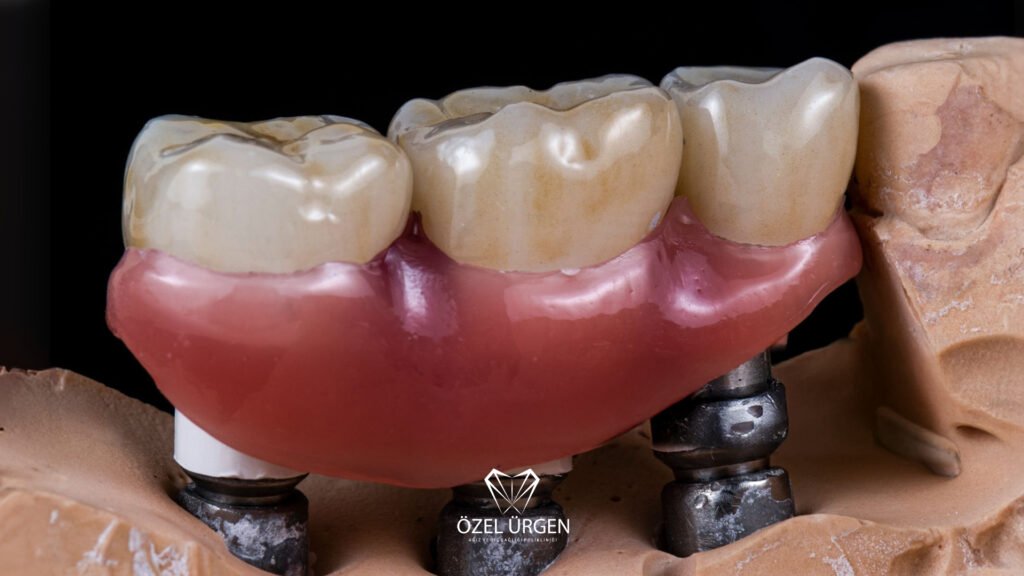
An implant supported prosthesis is a fantastic solution for both the aesthetic and functional issues caused by tooth loss. It offers a feel and look very close to natural teeth, prevents bone loss, and provides a long lasting solution. Of course, it may not be suitable for every patient, but with proper planning and care, implant supported prostheses can significantly improve confidence and quality of life affected by missing teeth.
Comments are closed