



How to Relieve a Toothache Caused by Tooth Decay
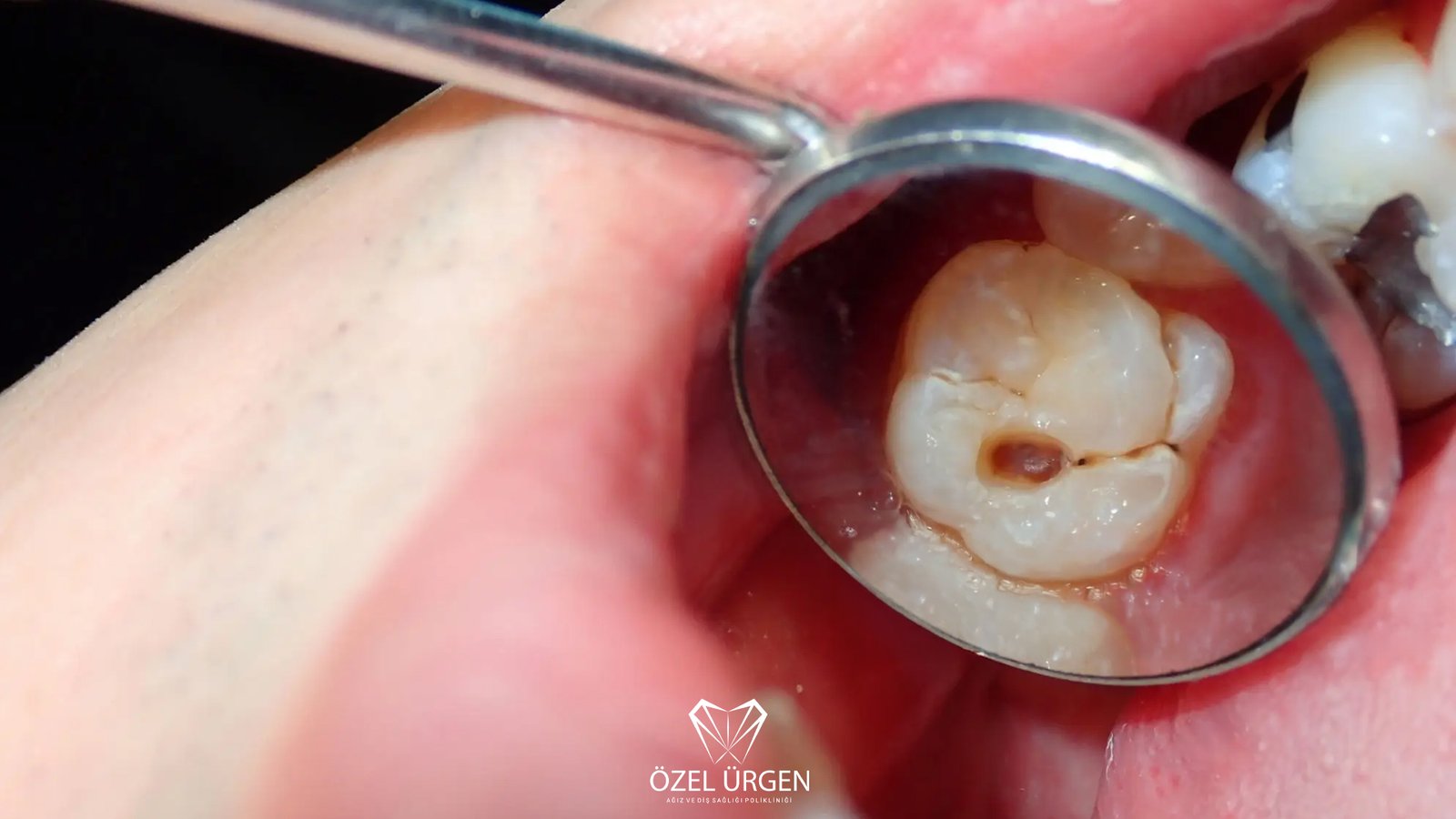
Toothache is one of the most common dental problems that almost everyone experiences at some point in life, and it can significantly affect daily activities. Toothaches caused by decay often begin as a mild sensitivity felt only while eating, but over time they may develop into severe pain that becomes difficult to tolerate. Anyone who has been awakened in the middle of the night by a throbbing toothache knows just how distressing it can be.
In such situations, many people look for ways to quickly relieve the pain. Some search for home remedies, while others rely on painkillers for temporary relief. However, it is important to remember that pain caused by tooth decay is actually an important warning sign from your body. Even if the pain subsides, the underlying problem usually remains and may lead to more serious complications over time.
Tooth decay often begins as a small stain or slight sensitivity. If left untreated, it can gradually progress into the deeper layers of the tooth, approaching the nerves and eventually causing pain. For this reason, instead of simply trying to suppress the pain, it is essential to understand why it occurs and learn about the appropriate treatment options.
If you have recently been experiencing throbbing pain, sensitivity to hot and cold foods or drinks, or a persistent toothache, you are certainly not alone. In this article, we will explain in a clear and approachable way what causes pain from tooth decay, which methods may provide temporary relief at home, and which treatments offer a long term solution. After all, early intervention in oral and dental health can help relieve pain more quickly and preserve your natural teeth for many years.
Why Do Teeth Decay?
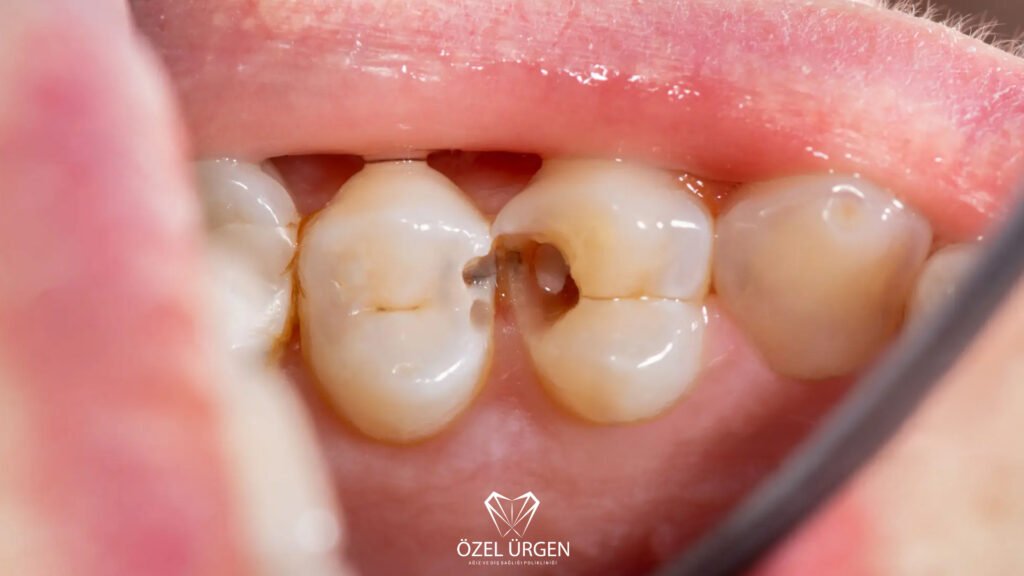
Tooth decay occurs when bacteria naturally present in the mouth feed on sugars left behind from the foods and beverages we consume. These bacteria produce acids that gradually damage the enamel, the protective outer layer of the tooth. As this process continues over time, small areas of damage develop on the tooth surface, eventually leading to cavities.
In reality, tooth decay does not develop overnight. When oral hygiene is neglected, a sticky layer called plaque accumulates on the teeth. The bacteria within this plaque multiply and expose the teeth to repeated acid attacks. Frequent consumption of sugary foods, drinking carbonated beverages, and inadequate tooth brushing habits can all increase the risk of developing cavities.
Some people may be more prone to tooth decay than others, even when they maintain regular oral hygiene. Factors such as saliva composition, genetics, oral microbiota, and the structural characteristics of the teeth can all play a role. In addition, dry mouth, smoking, and poor dietary habits may accelerate the development of cavities.
Tooth decay may not cause any noticeable symptoms in its early stages. However, if it is not detected and treated promptly, it can gradually progress into the deeper layers of the tooth. For this reason, regular dental check ups and proper oral care habits remain among the most effective ways to prevent tooth decay.
Why Does a Decayed Tooth Hurt?
Many people believe that tooth decay appears suddenly, but in reality it is usually a slow and gradual process. Cavities often begin as a small discoloration on the tooth surface or a mild sensitivity that is easy to overlook. At this stage, there is usually little or no pain, which is why many people fail to notice the problem or do not consider it important.
However, tooth decay does not stop progressing on its own. Over time, it penetrates the enamel, the tooth’s outer protective layer, and advances into the deeper structures of the tooth. At this point, the tooth becomes more vulnerable to external stimuli.
Inside every tooth is living tissue that contains nerves and blood vessels. As the decay approaches these structures, consuming hot tea, cold water, sweet foods, or acidic beverages may trigger brief episodes of sensitivity or discomfort. Initially, these sensations may last only a few seconds, but they often become more frequent as the decay progresses.
If treatment is delayed, the cavity moves even closer to the nerves, and the pain may no longer occur only while eating. Instead, it can begin to appear at different times throughout the day. Some people experience pain while chewing, while others notice throbbing discomfort that starts when they lie down at night and continues for long periods. Toothaches that are severe enough to wake a person from sleep are often an important sign that the decay has advanced and that the living tissues inside the tooth have started to become affected.
Can a Toothache Caused by Decay Go Away on Its Own?
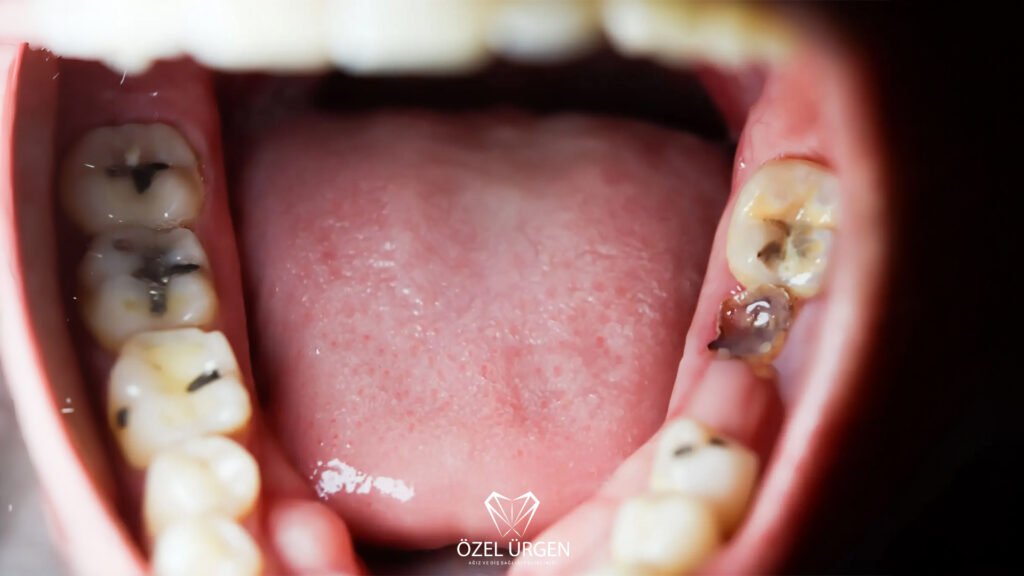
One of the most common questions people ask when experiencing a toothache is whether the pain will eventually disappear on its own. When a toothache that has lasted for several days suddenly becomes milder or goes away completely, many people assume that the problem has resolved itself. Unfortunately, this is often not the case.
Pain caused by tooth decay may decrease at certain times or even disappear completely for a short period. However, this does not mean that the cavity has healed. Tooth decay is not a condition that can repair itself. Once a cavity forms, it generally continues to progress and may cause further damage to the tooth structure if left untreated.
In some cases, a sudden disappearance of pain may not be as positive as it seems. It can actually be a sign that the nerve tissue inside the tooth has been severely affected or has lost its vitality. Even if the pain subsides, the infection may continue to progress and eventually lead to more severe pain, swelling, or other oral health problems.
For this reason, even if you experience relief after a toothache caused by decay, it is important not to ignore the underlying problem.
How Can a Toothache Caused by Decay Be Relieved?
When a toothache caused by decay begins, the first thing most people want is immediate relief. Pain that appears at night or interferes with daily activities can be especially exhausting. In such situations, there are several methods that may provide temporary comfort until you can see a dentist. However, it is important to remember that these measures are not a substitute for treatment. As long as the cavity causing the pain remains untreated, the problem will persist.
During periods of intense pain, paying extra attention to oral hygiene may be helpful. In some cases, food debris trapped around the decayed area can increase discomfort. Gently brushing the teeth, using dental floss, and keeping the mouth clean may help reduce pressure in the affected area. Gargling with warm salt water can also support oral cleanliness and may temporarily ease sensitivity.
If the pain is accompanied by mild swelling in the cheek, applying a cold compress externally may provide relief. Cold therapy can help reduce sensitivity in the area and make you feel more comfortable. It is also advisable to avoid very hot or very cold foods and beverages for a while. Teeth affected by decay often become more sensitive to temperature changes, which may trigger or worsen pain.
Paying attention to your diet may also help you get through this painful period more comfortably. Sugary and acidic foods can increase sensitivity around the decayed tooth. Choosing softer, lukewarm foods that are less likely to irritate the tooth is often a more comfortable option while the pain persists. Nevertheless, it is important to remember that all of these methods provide only temporary support, and a dental examination is necessary for a permanent solution.
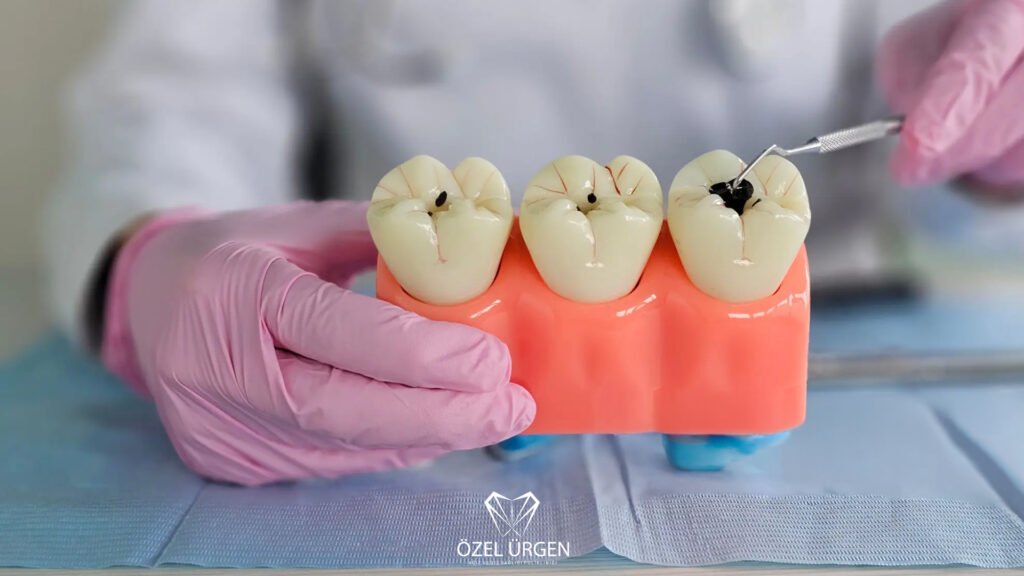
A toothache is often an important warning sign from your body. While it may be possible to relieve the pain temporarily, the real solution is to treat the decay itself. Painkillers, mouth rinses, and home remedies can only provide short term relief. If the underlying cause is not addressed, the pain may return and potentially lead to more serious complications.
For this reason, if you are experiencing a toothache caused by decay, the best approach is to consult your dentist rather than waiting for the pain to disappear on its own.
Comments are closed