



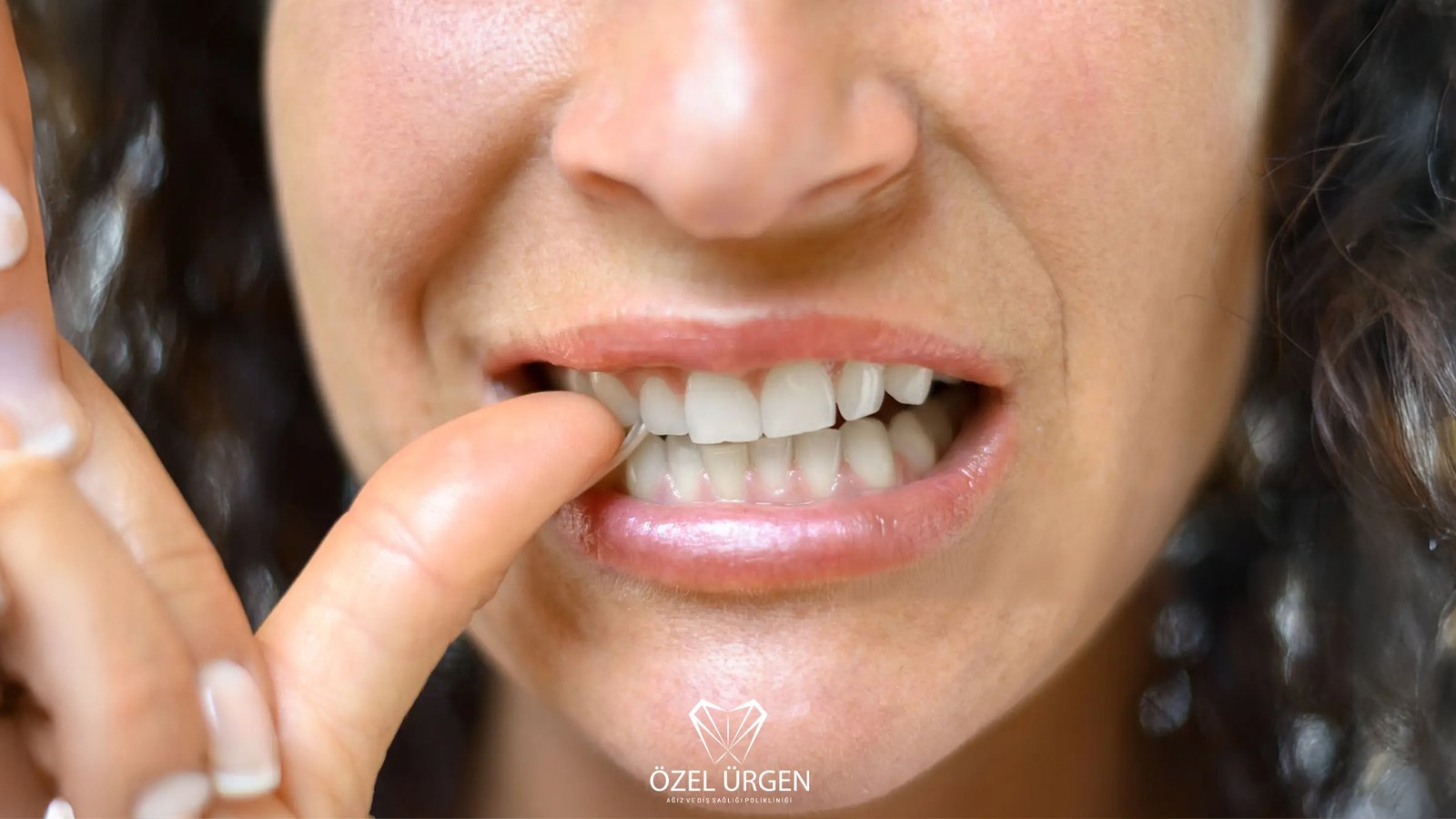
Loose Teeth in Adults
As adults, we naturally expect our teeth to stay strong, healthy, and firmly in place for many years. That’s why noticing a loose tooth while looking in the mirror or eating can be both surprising and worrying. Many people initially assume it’s only temporary, telling themselves, “Maybe I bit into something too hard,” or “It will probably settle down in a few days.” However, the truth is that a loose tooth in adulthood is often your body’s way of warning you that something isn’t right, and it should never be ignored.
Unlike childhood, when loose teeth are a completely normal part of growing up, adult teeth should remain stable throughout life. Baby teeth naturally loosen to make room for permanent teeth, but if a permanent tooth starts moving, there is usually an underlying reason. Gum disease, bone loss, dental trauma, an improper bite, teeth grinding, or other oral health conditions can all contribute to tooth mobility. Even a slight amount of movement that seems harmless at first can gradually worsen and affect both the tooth and the surrounding supporting tissues if left untreated.
Fortunately, a loose tooth does not automatically mean it has to be removed. Thanks to modern diagnostic techniques and advanced dental treatments, many loose teeth can be successfully treated and preserved for years to come. The key is recognizing the problem early and seeking professional dental care before the condition progresses.
Is It Normal for Adult Teeth to Become Loose?
The simple answer is: No, it is not.
A healthy adult tooth is securely supported by the jawbone, healthy gums, and the surrounding connective tissues. Because of this, you should never feel your tooth moving while eating, speaking, or brushing your teeth. If you notice that one of your teeth shifts, wiggles, or feels unstable, it should be evaluated by a dentist as soon as possible.
It is worth mentioning that every healthy tooth has a tiny amount of natural movement that cannot be seen or felt in daily life. This slight flexibility comes from the ligament that connects the tooth to the jawbone and is completely normal. However, if the movement becomes noticeable with your fingers or causes discomfort while chewing, there is likely an underlying issue that needs professional attention.
Many people hope that a slightly loose tooth will tighten on its own if they simply wait long enough. Unfortunately, the opposite is often true. When the underlying cause remains untreated, the supporting tissues may continue to deteriorate, allowing the tooth to become increasingly unstable over time. Seeking treatment early not only improves the chances of saving the tooth but can also help prevent more complex and extensive dental procedures later on.
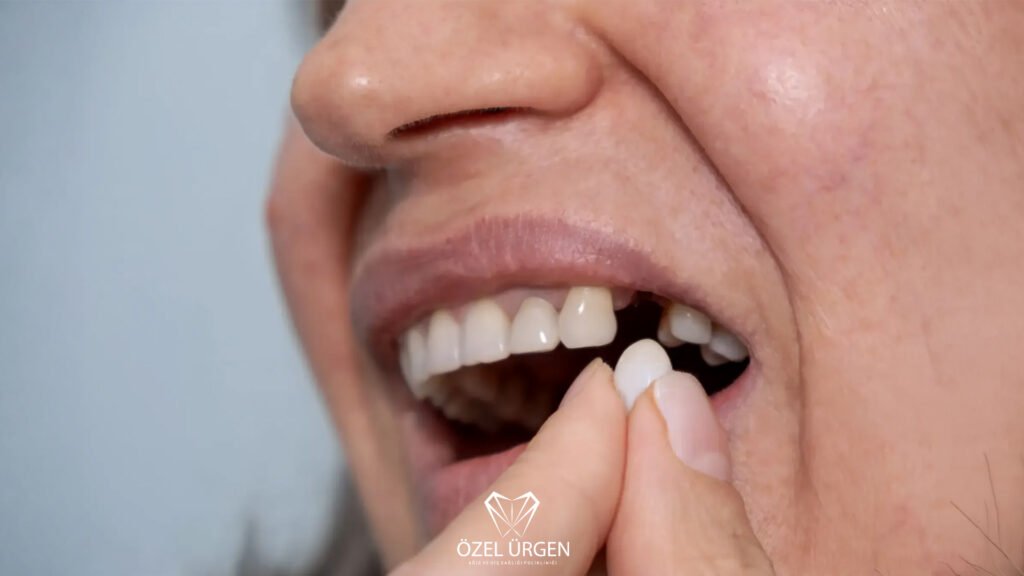
Why Do Adult Teeth Become Loose?
There is no single reason why an adult tooth may become loose. In some cases, the problem develops because of an untreated gum disease that has progressed over time. In others, it may result from an injury, a sports accident, or even the habit of clenching or grinding the teeth during sleep. Identifying the exact cause is essential because the most effective treatment always depends on the underlying problem. Below are some of the most common reasons why adult teeth become loose.
Gum Disease
The most common cause of loose teeth in adults is gum disease. When daily oral hygiene is neglected, plaque begins to build up on the surfaces of the teeth. Over time, this sticky layer hardens into tartar, creating an environment where harmful bacteria can thrive and cause inflammation of the gums.
At first, the symptoms may seem minor, such as bleeding gums while brushing or slight swelling and tenderness. However, if treatment is delayed, the infection can spread beneath the gum line and begin damaging the tissues and bone that hold the tooth firmly in place. As this supporting bone gradually deteriorates, the tooth loses its stability and may eventually start to move.
One of the biggest challenges is that gum disease often progresses without causing significant pain. As a result, many people do not realize anything is wrong until they notice that one or more of their teeth have become loose. This is one of the reasons why regular dental check ups are so important they allow potential problems to be detected and treated long before permanent damage occurs.
Dental Injuries and Trauma
Sometimes, a loose tooth isn’t caused by a disease but by an unexpected accident. A blow to the face during sports, a fall, a car accident, or even hitting a hard object can damage the ligaments and tissues that hold a tooth securely in place.
After an injury, you may notice slight tooth movement, discomfort while chewing, pain, or even a gradual change in the tooth’s color. These symptoms should never be ignored. With early diagnosis and appropriate treatment, many teeth affected by trauma can be successfully preserved for years to come.
Teeth Clenching and Grinding (Bruxism)
Many people have no idea that they clench or grind their teeth while sleeping. However, this habit places far more pressure on the teeth than they are designed to handle during normal chewing.
When this excessive force continues for months or even years, it can strain the ligaments supporting the teeth and gradually damage the surrounding bone. As a result, some teeth may begin to feel slightly loose.
Waking up with jaw pain, frequent morning headaches, or increased tooth sensitivity are all common signs of teeth grinding. If you experience these symptoms, it is important to have your dentist evaluate the condition before it causes further damage.
Advanced Tooth Decay
Not every cavity remains limited to the surface of the tooth. If left untreated, deep decay can eventually reach the dental pulp and the root of the tooth. Once this happens, an infection may develop around the root, leading to damage and bone loss in the surrounding area.
As the supporting bone weakens, the affected tooth may gradually become loose. In some cases, patients may also experience swelling, a dental abscess, or severe pain. This is why advanced tooth decay should always be treated as soon as possible.
Bite Problems
Every tooth is meant to share chewing forces evenly. However, when the bite is not properly aligned, certain teeth may be forced to absorb much more pressure than they were designed to handle.
Over time, this constant overload can wear down the supporting tissues around the tooth and cause noticeable looseness, particularly in a single tooth. In these situations, dentists evaluate not only the loose tooth itself but also the overall bite and jaw alignment to identify the root cause.
Medical Conditions That Affect Overall Health
Oral health is closely connected to your overall health. Certain medical conditions can make the gums and jawbone more vulnerable, increasing the risk of dental problems.
Uncontrolled diabetes, osteoporosis, immune system disorders, and certain hormonal changes can all contribute to the faster progression of gum disease. Looking after your overall health is just as important as caring for your teeth when it comes to maintaining a healthy smile.
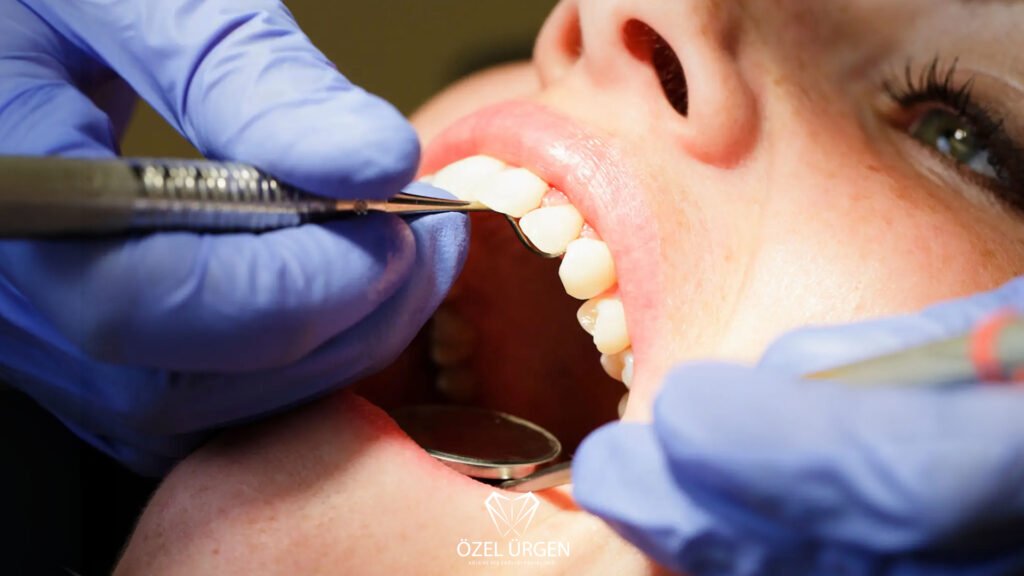
What Are the Symptoms of a Loose Tooth?
A loose tooth does not always become obvious right away. In fact, many people believe everything is fine until the tooth begins to move noticeably. However, our bodies often give us subtle warning signs long before the problem becomes severe. Recognizing these early symptoms can make a significant difference in saving the tooth.
For example, you may notice unusual movement when gently pushing the tooth with your tongue or lightly checking it with your finger. Discomfort when biting, pain while chewing, or tenderness when putting pressure on a specific tooth are also important signs that should not be ignored.
Other symptoms may include bleeding gums, gum recession, persistent bad breath, or new spaces developing between your teeth. Some people also notice that their teeth seem to shift position over time, that their bite feels different, or that their teeth become increasingly sensitive to hot, cold, or sweet foods.
In short, if you are experiencing one or more of the following symptoms, it is best not to delay seeing a dentist:
- Noticeable movement in a tooth
- Discomfort when biting or chewing
- Pain or tenderness while chewing
- Bleeding gums
- Receding gums
- Persistent bad breath
- New gaps forming between the teeth
- Teeth appearing to shift from their usual position
- Increased sensitivity to hot, cold, or sweet foods and drinks
Although these symptoms do not always indicate a serious condition, they should never be ignored. A simple dental examination can identify the underlying cause early, allowing treatment to begin before the problem becomes more complicated.
What Should You Do If Your Tooth Feels Loose?
First of all, try not to panic. Discovering that one of your teeth is loose can certainly be worrying, but it does not necessarily mean that you are going to lose it. Today, many loose teeth can be successfully treated and preserved for many years with timely and appropriate dental care.
One of the most common mistakes people make is constantly checking the tooth. Many individuals repeatedly push it with their tongue, wiggle it with their fingers, or keep testing whether it is still moving. Unfortunately, this can place additional stress on already weakened supporting tissues and may actually make the tooth even looser.
The best thing you can do is leave the tooth alone as much as possible and schedule an appointment with your dentist without delay. Early diagnosis greatly improves the success of treatment.
Until your dental appointment, these simple precautions may help protect the tooth:
- Avoid chewing hard or crunchy foods on the affected side.
- Continue brushing your teeth and maintaining good oral hygiene, but clean the affected area gently.
- Avoid constantly checking or moving the loose tooth with your tongue or fingers.
- If you clench or grind your teeth, be sure to discuss this with your dentist during your examination.
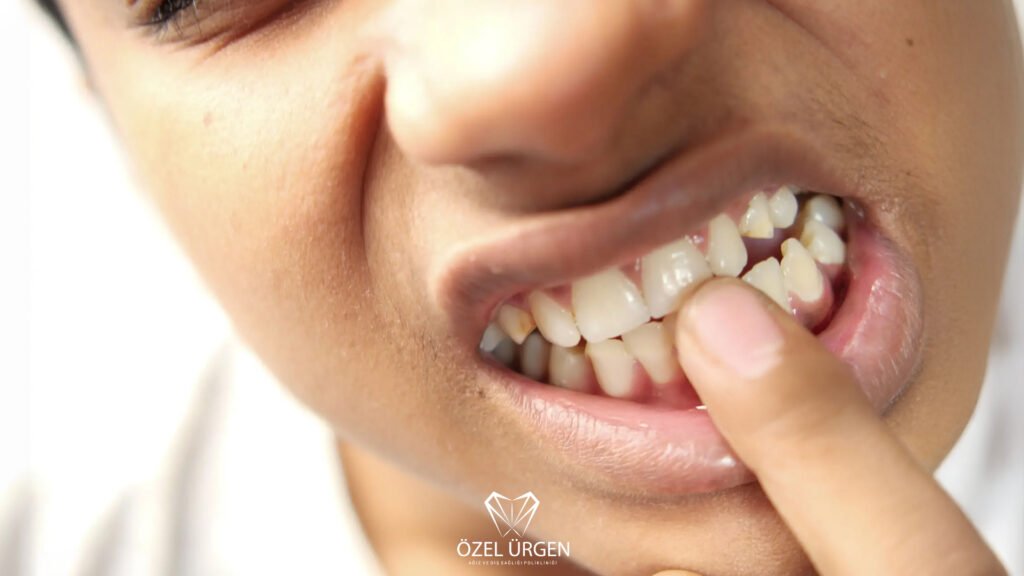
Can a Loose Tooth Tighten on Its Own?
One of the first questions people ask themselves after noticing a loose tooth is usually, “Should I just wait a few days and see if it gets better?” Unfortunately, in most situations, the answer is no.
A loose tooth in adulthood is usually a sign of an underlying dental problem. Simply waiting for the symptoms to disappear rarely solves the issue. In fact, delaying treatment may allow the supporting tissues to continue deteriorating, making treatment more complicated in the future.
There are, however, a few exceptions. If the tooth became loose shortly after an injury or accident, the supporting tissues may heal with proper monitoring and treatment provided by your dentist. In these cases, the tooth can often regain much of its original stability over time.
However, when tooth mobility is caused by gum disease, bone loss, or an infection, it will not improve without professional treatment. These conditions tend to progress if left untreated, gradually weakening the structures that support the tooth and increasing the risk of tooth loss.