



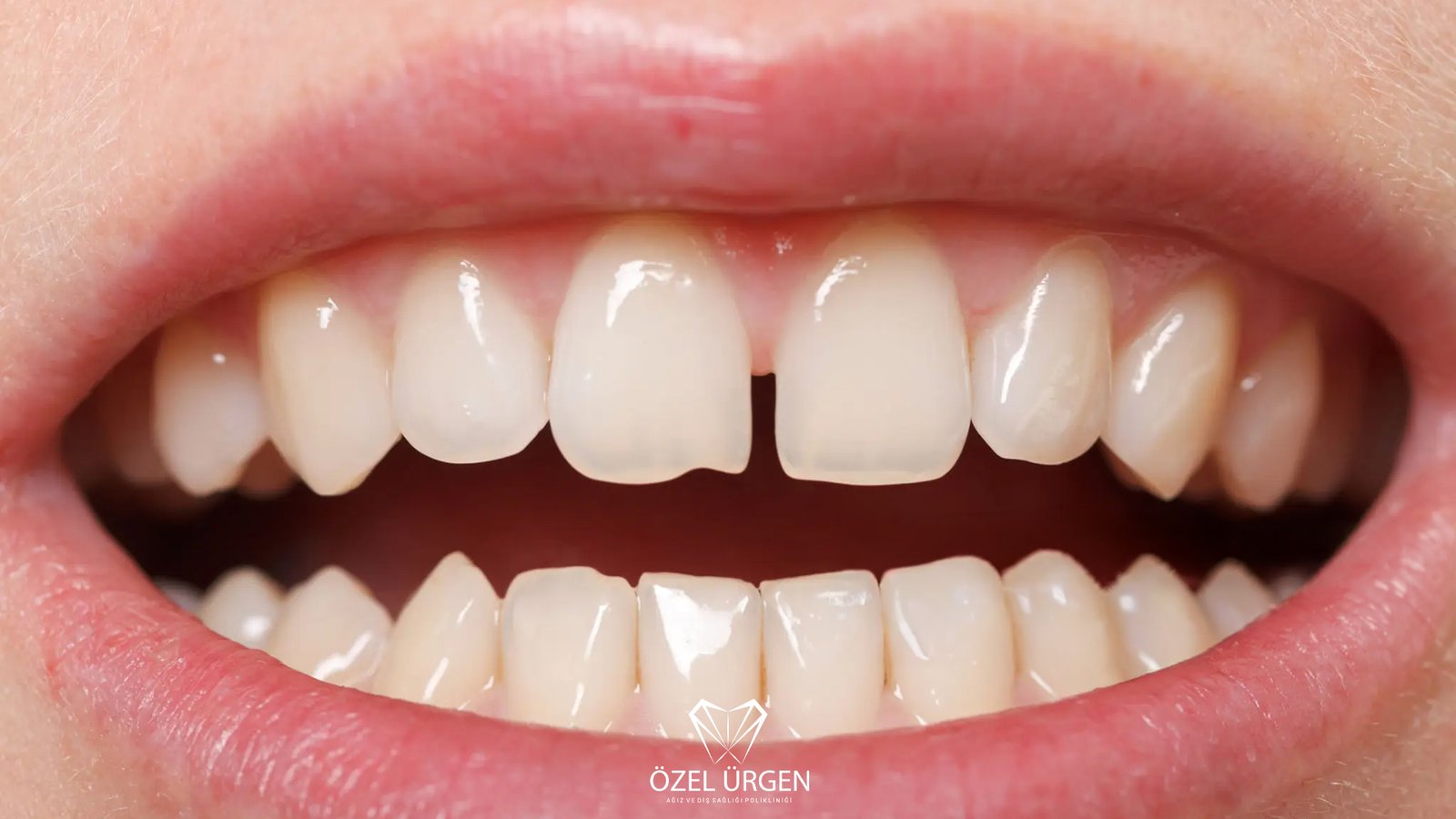
What Is Diastema?
Smiling is one of the most natural ways we express ourselves. For some people, however, the first thing others notice when they smile is the small gap between their front teeth. While some embrace it as a unique part of their appearance, others may feel self conscious about it when talking or posing for photos. This space between the teeth is known as diastema.
Diastema is much more common than many people realize, and it does not always indicate a dental problem. In fact, for many individuals, it is simply a natural anatomical feature. During childhood, gaps between the teeth are often considered a normal part of jaw and tooth development, and they frequently close on their own as the permanent teeth erupt. However, gaps that remain into adulthood or develop later in life may sometimes be a sign of an underlying dental condition.
There is no single cause of diastema. Factors such as jaw size, genetics, gum disease, and certain oral habits can all contribute to the formation of spaces between the teeth. For this reason, simply noticing a gap is not enough to determine whether treatment is necessary. Identifying the underlying cause is the first step, as the most appropriate treatment depends entirely on why the gap has developed.
Another important point to remember is that not every case of diastema requires treatment. If the gap does not affect oral health, chewing function, or speech, and the individual is happy with the way it looks, no intervention may be needed. On the other hand, if the gap causes cosmetic concerns, speech difficulties, or contributes to gum problems, various treatment options can be considered.
Thanks to advances in cosmetic dentistry, highly successful and natural looking results can now be achieved when treating diastema. Depending on each person’s needs, treatment may include dental bonding, porcelain veneers, orthodontic treatment, or clear aligners.
What Is Diastema?
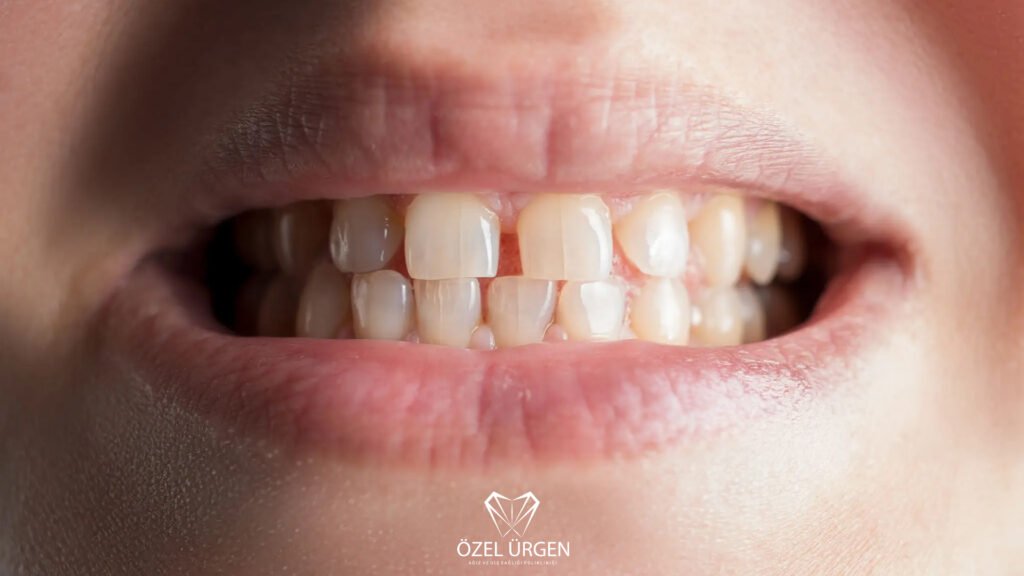
Diastema is the term used to describe an unusually wide space between two teeth. It is most commonly seen between the two upper front teeth, making it one of the first things people notice when someone smiles. However, diastema is not limited to the front teeth it can occur between any teeth in the mouth.
In some people, the gap is so small that it is barely noticeable, while in others it is more pronounced and becomes a distinctive part of their smile. In fact, many people appreciate this feature and choose not to have it corrected.
On its own, diastema is not considered a disease. Many individuals are simply born with this tooth arrangement and experience no problems with chewing, speaking, or maintaining good oral health throughout their lives. In these cases, the gap is purely a cosmetic characteristic, and whether to treat it is entirely a personal choice.
However, not every gap between the teeth should be considered normal. If a space develops where there was none before, or if an existing gap gradually becomes wider, it may be a sign of gum disease, bone loss, or another underlying oral health issue.
What Causes Diastema?
There is no single reason why gaps develop between the teeth. For some people, they are simply inherited, while for others they appear over time due to various oral health conditions. This is why identifying the cause of the gap is an essential part of planning the most appropriate treatment.
Genetic Factors
One of the most common causes of diastema is genetics. Some people naturally have a jaw that is larger than the size of their teeth. As a result, the teeth do not completely fill the dental arch, leaving spaces between them. If other family members have a similar smile, genetics are likely to play a role.
A Thick Labial Frenum
The frenulum, the tissue that connects the upper lip to the gums, may be thicker or positioned lower than usual in some individuals. This can prevent the two front teeth from coming together, resulting in a gap between them.
Missing Teeth
Missing teeth, whether congenital or caused by tooth loss later in life, can allow neighboring teeth to shift over time. As the teeth move, new spaces may develop within the dental arch.
Gum Disease
Advanced gum disease can weaken the bone that supports the teeth. As this support is lost, the teeth may begin to loosen and drift apart. In adults, gum disease is one of the most common reasons for newly developed diastema.
Thumb Sucking and Similar Habits
Prolonged thumb sucking, extended pacifier use, or similar childhood habits can gradually affect the position of the teeth. Over time, these habits may create a noticeable gap between the front teeth.
Tongue Thrusting
Tongue thrusting, where the tongue repeatedly presses against the front teeth during swallowing, can gradually push the teeth forward. When this habit continues for many years, it may lead to visible gaps developing between the front teeth.
Is Diastema Normal in Children?
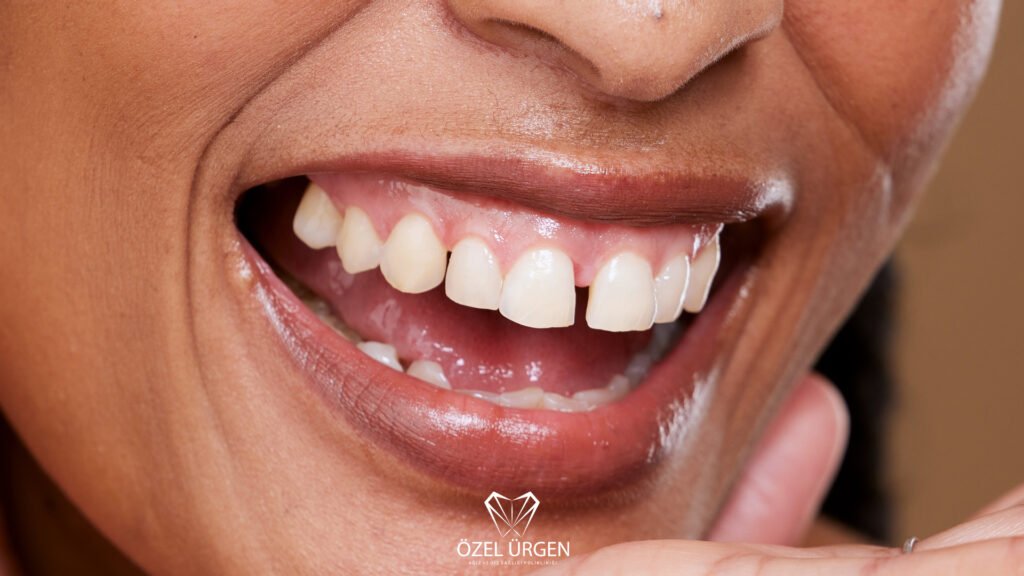
Gaps between children’s teeth are one of the most common concerns parents have.
In most cases, spaces between baby teeth are completely normal. In fact, they provide the room needed for the larger permanent teeth to erupt properly and are considered a natural part of healthy dental development.
As the permanent teeth come in, these gaps often close naturally without any treatment.
However, if noticeable spaces remain even after all permanent teeth have erupted, it is a good idea to consult a dentist or orthodontist to determine whether an underlying issue requires attention.
Can Diastema Cause Health Problems?
Not every gap between the teeth is a sign of a health problem. For this reason, it is not correct to assume that every case of diastema requires treatment.
If the gap does not interfere with chewing, affect speech, or result from an underlying oral health condition, it is generally considered a cosmetic characteristic rather than a medical concern.
However, in some cases, diastema may:
- Allow food particles to become trapped between the teeth more easily.
- Make daily oral hygiene more difficult.
- Increase the risk of developing gum disease.
- Influence the pronunciation of certain sounds.
- Negatively affect bite balance and chewing efficiency.
How Is Diastema Treated?
The most appropriate treatment for diastema depends entirely on the underlying cause of the gap. Since every case is different, there is no single treatment that works for everyone. After a thorough examination, your dentist will recommend the option that best suits your oral health and aesthetic goals.
Orthodontic Treatment
If the space between the teeth is caused by misalignment, orthodontic treatment is often one of the most effective solutions. Clear aligners or traditional braces are used to gradually move the teeth into their proper positions, allowing the gap to close over time. This approach is particularly effective in younger patients and provides long lasting results.
Composite Bonding
Composite bonding is one of the most popular cosmetic treatments for closing small gaps between the teeth. A tooth colored composite resin is carefully applied and shaped to restore the natural contours of the teeth while closing the space. The procedure is usually completed in a single appointment and preserves the healthy tooth structure.
Porcelain Veneers
When more comprehensive cosmetic improvements are desired, porcelain veneers may be recommended. Thin porcelain shells are bonded to the front surfaces of the teeth, allowing both the tooth shape and the gap between the teeth to be corrected at the same time. Their natural appearance and long lasting aesthetic results make them a highly preferred treatment option.
Frenectomy
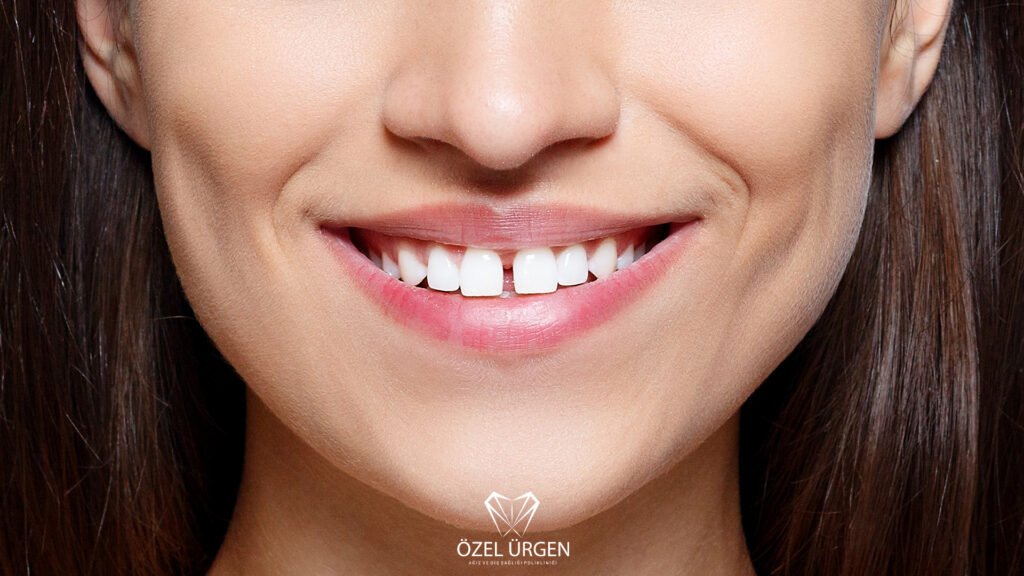
In some individuals, the gap between the front teeth is caused by an unusually thick or low positioned tissue connecting the upper lip to the gums. In these cases, a minor surgical procedure known as a frenectomy may be recommended. When necessary, this procedure is often combined with orthodontic treatment to achieve the best possible outcome.
Dental Implants or Prosthetic Restorations
If the diastema is the result of a missing tooth, simply closing the gap is not a permanent solution. In such cases, replacing the missing tooth with a dental implant or another suitable prosthetic restoration is usually the most effective approach. This not only restores the appearance of the smile but also improves proper chewing function.
Comments are closed