



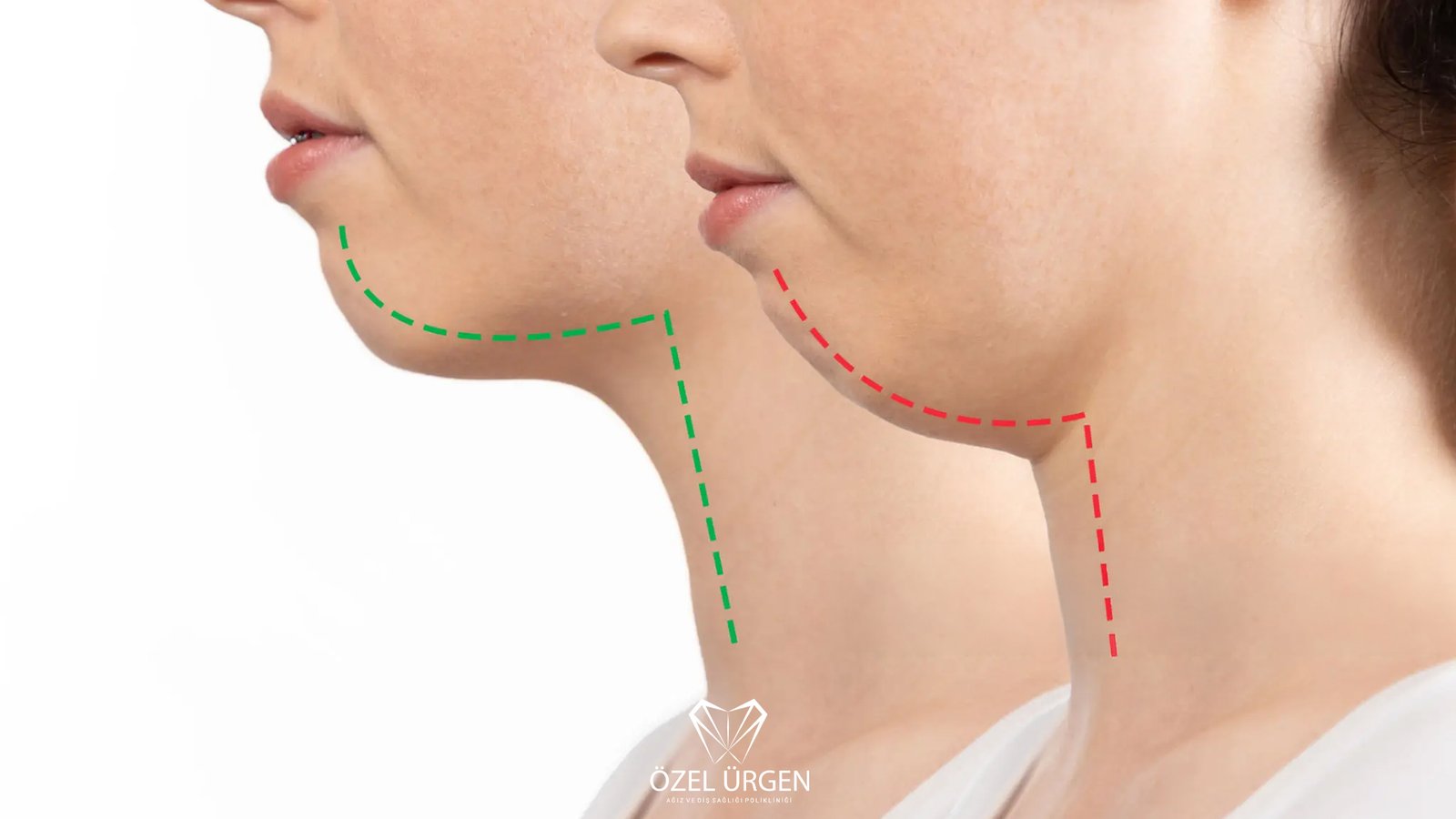
What Is Orthognathic Surgery? Who Is It Suitable For?
Although the jaw is often associated only with facial appearance, it actually plays a vital role in everyday quality of life. Speaking, chewing, swallowing, breathing, and even the way your teeth come together all depend on the upper and lower jaws working in harmony. When this balance is disrupted, it can affect not only facial aesthetics but also many essential daily functions.
For some people, jaw misalignment is present from birth, while for others it develops during the growth process. Genetic factors, developmental differences, trauma, or certain medical conditions can all contribute to these structural problems. In some cases, people are mainly concerned about changes in their facial profile, while others experience difficulties with chewing, speech, jaw joint discomfort, improper bite, or even breathing issues.
When these problems originate from the jaw bones rather than the teeth themselves, orthodontic treatment alone may not be enough. Since the underlying issue lies in the position of the jaws, achieving a long lasting and functional result often requires a more comprehensive treatment approach. This is where orthognathic surgery, planned together with orthodontic treatment, becomes an effective solution.
Orthognathic surgery is a modern surgical procedure designed to reposition the upper and lower jaws into their ideal alignment, improving both facial harmony and jaw function. With a treatment plan tailored to each individual, patients can achieve a more balanced facial profile while enhancing essential functions such as chewing, speaking, and proper bite alignment. Thanks to advances in surgical techniques and digital planning technologies, orthognathic surgery has become safer, more predictable, and more successful than ever before.

What Is Orthognathic Surgery?
Orthognathic surgery is a surgical procedure performed to correct skeletal misalignments involving the upper jaw, lower jaw, or both. By bringing the jaw bones into proper alignment, it helps improve oral function while creating a more balanced and harmonious facial appearance.
This treatment is not performed solely for cosmetic reasons. Jaw misalignment can lead to a wide range of functional problems, including difficulty chewing, speech issues, improper bite alignment, excessive strain on the jaw joints, and in some cases, breathing difficulties. The primary goal of orthognathic surgery is to correct these functional concerns while naturally enhancing the overall facial profile.
Orthognathic surgery requires careful planning and close collaboration between different dental specialties. The treatment is planned jointly by an oral and maxillofacial surgeon and an orthodontist. In most cases, orthodontic treatment is carried out before surgery to prepare the teeth for their new position. This coordinated approach helps ensure optimal harmony between the jaws and teeth, leading to stable, functional, and long lasting results.
Who Is a Candidate for Orthognathic Surgery?
Not every bite problem requires surgery. Mild bite irregularities caused by tooth alignment can often be corrected with orthodontic treatment alone. However, when the problem is related to the position or development of the jaw bones rather than the teeth, braces by themselves may not provide a sufficient solution. In these cases, orthodontic treatment is combined with orthognathic surgery to achieve a healthier and more permanent outcome.
Orthognathic surgery may be recommended for patients with the following conditions:
- A lower jaw positioned too far forward
- A lower jaw positioned too far back
- An upper jaw that is excessively forward or backward
- Open bite (front teeth do not meet when the mouth is closed)
- Crossbite
- Noticeable facial asymmetry
- Difficulty chewing
- Speech problems related to jaw position
- Breathing difficulties caused by jaw structure
- Skeletal jaw discrepancies that cannot be corrected with orthodontic treatment alone
Because every patient’s jaw structure and concerns are unique, the decision to proceed with surgery is made on an individual basis. The severity of the jaw discrepancy, the patient’s symptoms, and a comprehensive clinical evaluation are all taken into consideration. A definitive diagnosis is established through an oral examination, facial analysis, radiographic imaging, and a detailed orthodontic assessment.
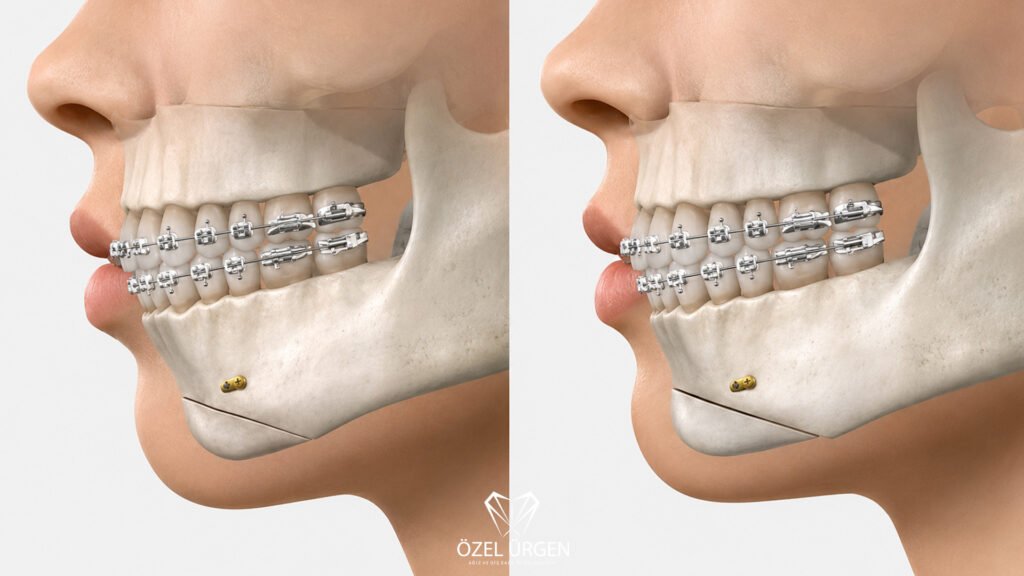
How Is Orthognathic Surgery Performed?
Orthognathic surgery is performed under general anesthesia in a fully equipped hospital, ensuring that the patient remains comfortable throughout the procedure. Before the operation, detailed planning is carried out to determine the exact position of the jaw bones, allowing the surgery to be performed with a high level of precision.
During the procedure, the surgeon repositions the upper jaw, lower jaw, or both, depending on the treatment plan. Once the jaws are placed in their ideal position, they are secured using specially designed titanium plates and screws. These biocompatible materials are well tolerated by the body and, in most cases, do not need to be removed later.
One of the most common concerns patients have is whether the surgery will leave visible scars. Since the incisions are typically made inside the mouth, there are usually no visible scars on the face after the procedure. This provides an important cosmetic advantage while also supporting a more comfortable recovery.
The surgical approach is tailored entirely to the patient’s jaw structure and treatment needs. Some patients require correction of only the upper or lower jaw, while others benefit from surgery involving both jaws in the same procedure. If necessary, additional chin reshaping procedures may also be included to create a more balanced facial profile.
The length of the operation varies depending on the complexity of the case. Procedures involving a single jaw are generally shorter, whereas surgery on both jaws may take several hours to complete.
“`html
Does Orthodontic Treatment Continue After Orthognathic Surgery?
Yes. For most patients, orthognathic surgery is not the final step of treatment. After the operation, orthodontic treatment usually continues for a period of time. This is because once the jaw bones have been repositioned, the teeth also need to be aligned properly with their new jaw relationship.
Following surgery, the orthodontist makes the necessary adjustments to achieve a more balanced bite and an ideal relationship between the upper and lower jaws. This process helps create a more natural appearance while also improving essential functions such as chewing and proper bite alignment.
Once the active treatment is complete, the retention phase begins to help preserve the results for many years. During this stage, clear retainers or fixed retainers may be used to keep the teeth in their new positions and minimize the risk of unwanted tooth movement over time.
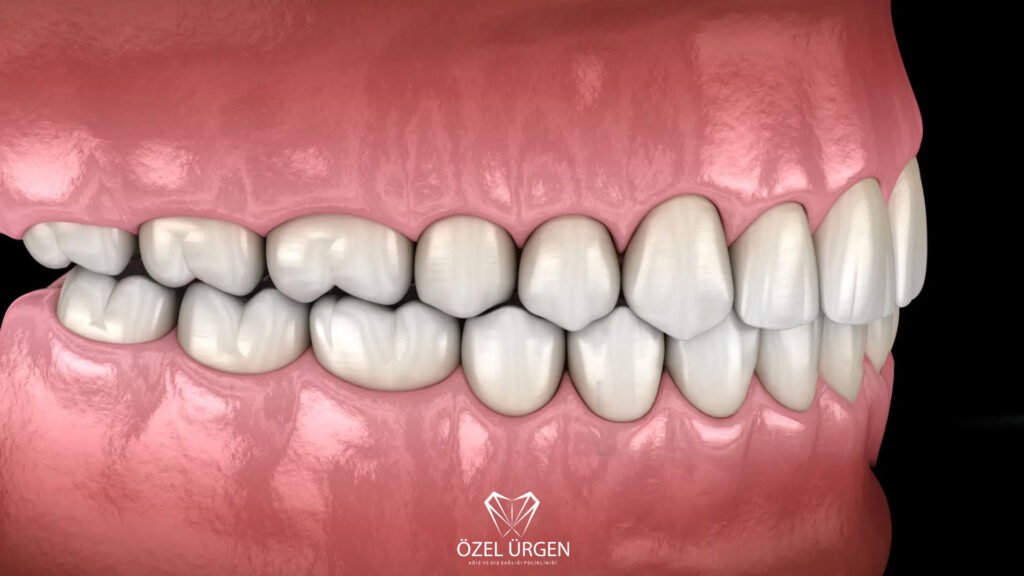
Can Orthognathic Surgery Be Performed at Any Age?
Orthognathic surgery is not a procedure that can be performed at every age. For the most stable and long lasting results, the jaw bones should have completed most of their growth and development. For this reason, treatment planning is based not only on the patient’s age but also on the stage of jaw development.
Because the jaw bones continue to develop during the growth period, performing surgery too early may lead to changes in jaw position as growth continues. Rather than rushing into surgery, specialists usually recommend waiting until jaw growth has been largely completed before proceeding with treatment.
It is important to remember that every individual develops at a different pace. While some people complete jaw growth earlier, others may require more time. Therefore, the decision to perform orthognathic surgery is based not simply on age, but on a comprehensive clinical examination and radiographic evaluation. After carefully assessing these findings, the specialist determines the most appropriate timing for treatment.
Comments are closed