


What Is a Dental Filling? Types, Procedure, and Aftercare
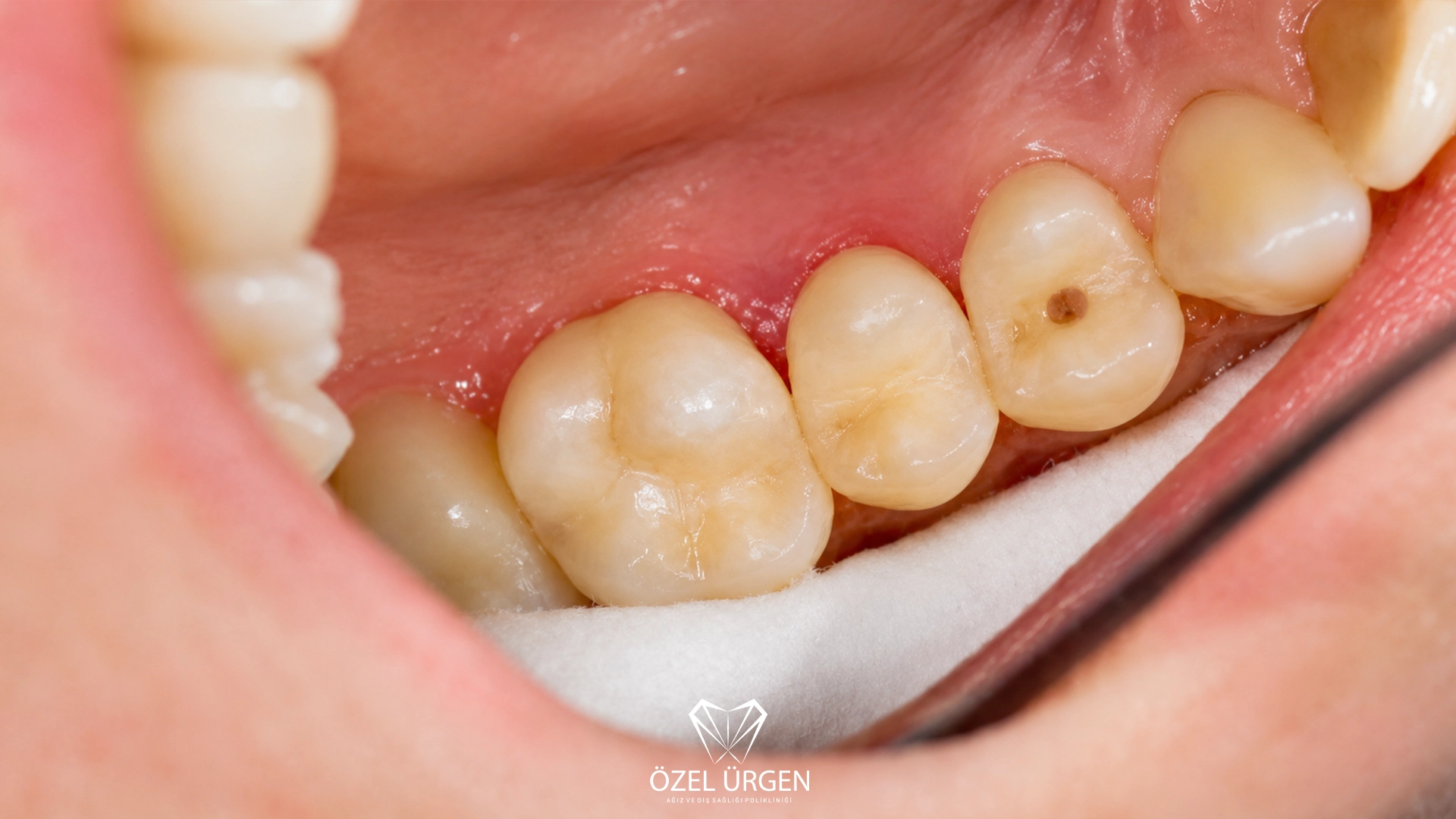
A small hole in a tooth, sensitivity while eating, or a broken existing filling can all be reasons to visit a dentist. In these situations, the question what is a dental filling concerns more than the material used. It also involves understanding how the tooth can be preserved. In suitable cases, filling treatment replaces missing tooth structure to restore the tooth’s shape and function.
Not every toothache requires a filling, and not every area of decay needs the same treatment. The depth of the decay, the remaining healthy structure, and the condition of the living tissue inside the tooth must be assessed. Symptoms alone are not enough to determine the right treatment at home.
Prepared for Ürgen Ağız ve Diş Sağlığı Polikliniği, referred to here as Ürgen Oral and Dental Health Polyclinic, this guide explains what is a dental filling, when it may be appropriate, the available types, and what to consider after treatment. Its purpose is to make examination and treatment easier to understand.
What Is a Dental Filling?
A dental filling restores a cavity or another suitable area of lost tooth structure using a restorative material. When treating decay, the dentist assesses the affected tissue and places an appropriate material in the prepared area. The restoration is shaped to suit the tooth, its contact with neighboring teeth, and the bite.
A filling does not mean that lost enamel or dentin has biologically grown back. Instead, the missing area is repaired with a suitable material. Oral hygiene and dietary habits also need attention to reduce the risk of further decay.
An important part of answering what is a dental filling is understanding the limits of treatment. Extensive damage, disease affecting the tissue inside the tooth, or certain fractures may require other approaches.
When Might a Dental Filling Be Needed?
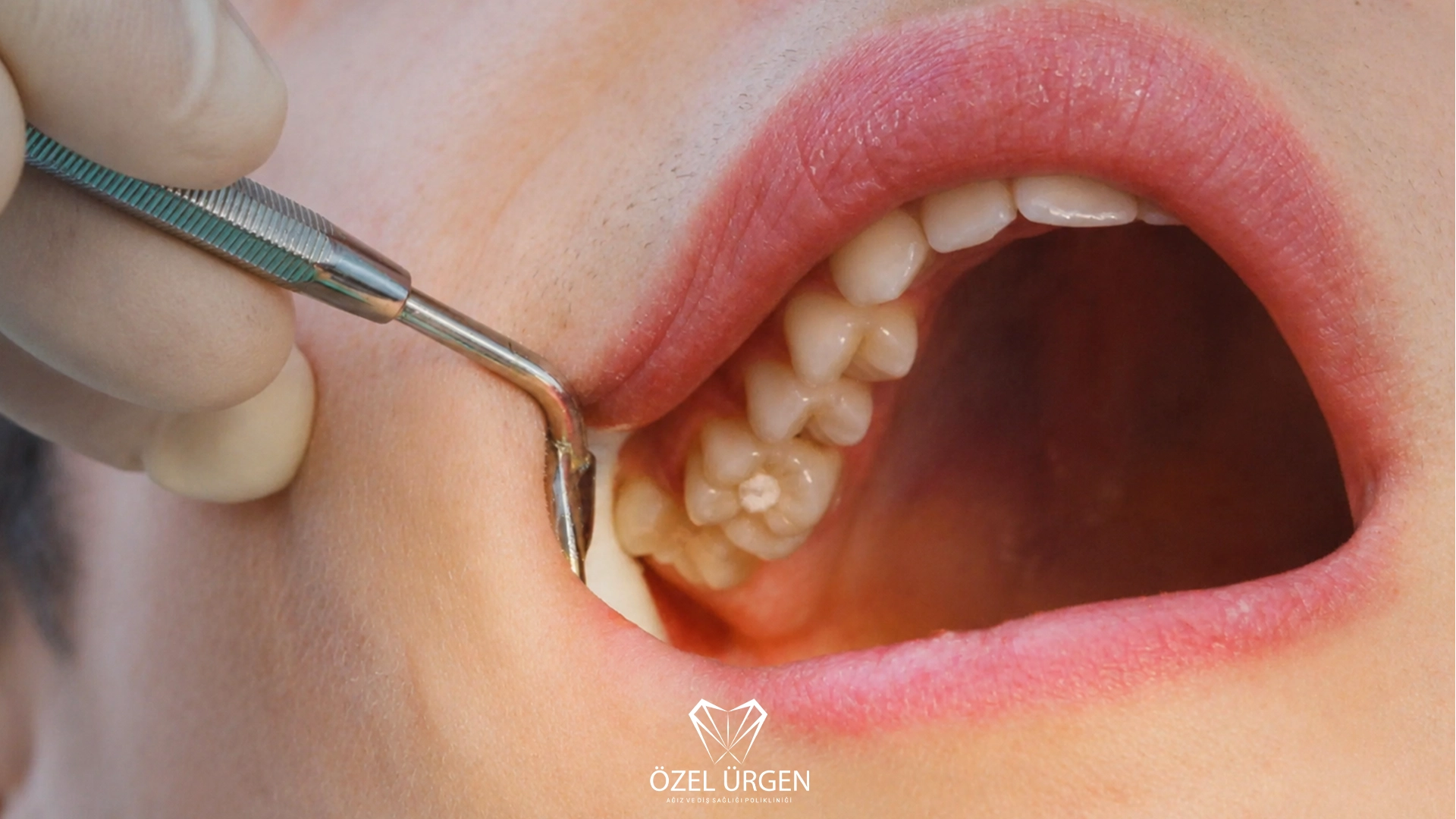
The need for a filling cannot be identified only by looking for a visible hole. Some decay occurs between teeth and may not be noticeable to the patient. An examination and imaging, when indicated, help assess the location and extent of the problem.
A dentist may consider a filling or another restoration for:
- Tooth structure lost because of decay.
- Suitable areas of chipped or fractured teeth.
- Existing fillings that have broken or lost their marginal integrity.
- Certain types of tooth wear and surface damage.
- Appropriate cosmetic concerns requiring tooth-shape restoration.
These situations do not all require the same material or technique. The position and depth of a crack can particularly affect treatment planning. When researching what is a dental filling, remember that an examination is needed to establish whether it is suitable for your tooth.
Does Every Area of Tooth Decay Need a Filling?
For some early decay lesions where the surface has not yet developed a cavity, preventive approaches may be considered. Fluoride, effective cleaning, and dietary changes can help control progression in suitable cases. Once a definite cavity has formed, the tooth may need restorative treatment.
If decay reaches the pulp at the center of the tooth, a filling alone may not be enough. Root canal treatment or another approach may be considered. In some severely damaged teeth, extraction may be necessary.
Decisions should not be based on pain alone. Decay without pain may need treatment, while pain can also arise from problems unrelated to decay. Scheduling dental visits only when symptoms begin can delay the detection of some conditions.
What Types of Dental Fillings Are Available?
After asking what is a dental filling, many patients want to know which material will be used. The choice depends on the tooth’s location, cavity size, chewing forces, isolation conditions, and appearance requirements.
Composite Fillings
Composite fillings are resin-based restorative materials that can be matched to the tooth’s color. They may be used for cosmetic repairs to front teeth and appropriate restorations in back teeth. Keeping the tooth clean and dry is an important part of placement.
Although “white filling” is a common expression, not every tooth-colored material is the same. The dentist considers the material’s properties alongside cavity shape and the patient’s needs. Marginal integrity and function matter as well as color matching.
Glass Ionomer Fillings
Glass ionomer materials are tooth-colored options used in particular clinical situations. Their applications vary according to the product. Not every material performs equally well in large, load-bearing restorations, so glass ionomer should not be treated as a direct substitute for composite in every application. [5]
Amalgam Fillings
Amalgam is a filling material made from a mixture of metals. Whether it is suitable for a new restoration depends on the patient’s circumstances and applicable clinical and regulatory conditions. An existing amalgam filling does not necessarily need replacement simply because of its color.
The FDA does not recommend removing intact amalgam fillings without decay underneath unless removal is medically necessary. Pregnancy, certain health conditions, or sensitivity to materials should be discussed with the treating professional.
Inlays and Onlays
Some areas of tooth damage may be treated with an indirect restoration made from an impression or digital record rather than a filling shaped directly in the mouth. Inlays and onlays are among these options. The method depends on the remaining tooth structure and restorative requirements.
Comparing Filling and Restoration Options
| Restoration | General Characteristic | Selection Considerations |
|---|---|---|
| Composite | Can match the natural tooth color | Isolation, cavity size, and chewing forces |
| Glass ionomer | Used in particular clinical situations | Material type and load-bearing requirements |
| Amalgam | Metal-based restoration | Patient circumstances and clinical need |
| Inlay/onlay | Can be produced using an indirect technique | Remaining structure, design, and extent of restoration |
| Temporary filling | May be used between treatment stages | Follow-up and completion of definitive treatment |
This table is not sufficient for choosing a material independently. For someone asking what is a dental filling, it is more useful to understand why a particular material is being recommended for their own tooth.
How Is a Dental Filling Placed?
1. Examination and Treatment Planning
The dentist discusses your symptoms and examines the tooth and surrounding tissues. Radiographs may be taken when needed. Information about when pain started, whether it is triggered by hot or cold, and whether chewing causes discomfort can assist the assessment.
2. Local Anesthesia When Needed
Local anesthesia may be used depending on the procedure. Treatment continues after numbness and patient comfort have been assessed. Medicines, allergies, and relevant medical conditions should be disclosed beforehand.
3. Tooth Preparation and Isolation
The treatment area is prepared and appropriately isolated. Saliva and moisture control are particularly important for adhesive procedures. The steps vary with the material; not every filling is placed using the same technique.
4. Placement of the Restorative Material
The material is placed according to its application protocol. Depending on the composite product, layered placement or another approved technique may be used. Appropriate curing and shaping are completed.
5. Checking the Bite, Contacts, and Surface
The restoration’s relationship with the bite and neighboring teeth is assessed. Necessary adjustments and finishing procedures are performed. In practice, the answer to what is a dental filling involves creating a functional repair rather than simply filling a space.
Does Getting a Dental Filling Hurt?
Sensations during treatment vary with the tooth’s condition, procedure, and need for anesthesia. When local anesthesia is used, the aim is to control pain. Pressure, vibration, and the sounds of instruments may still be noticeable.
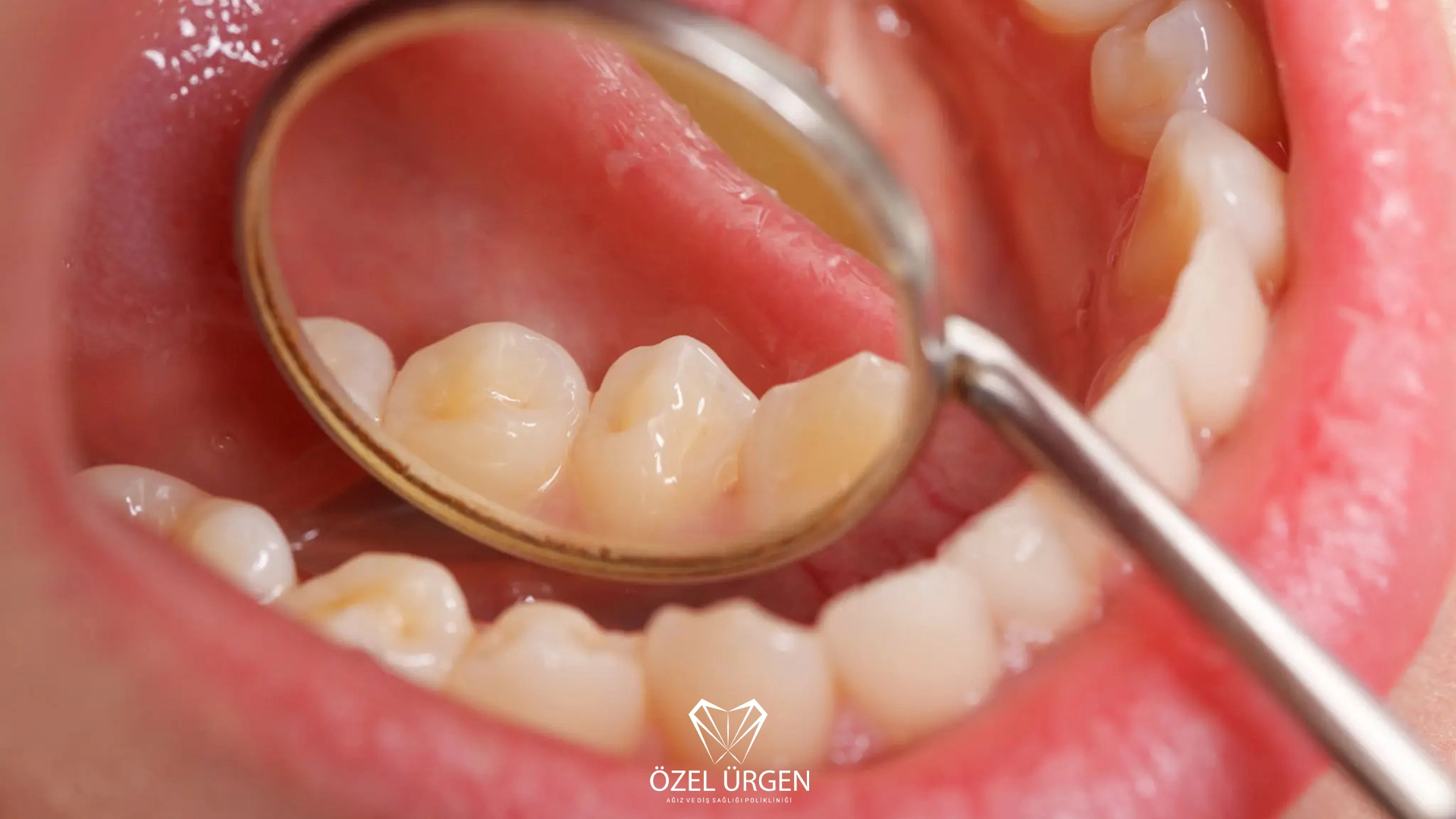
Tell your dentist if you experience pain. Agreeing on a signal to pause can make communication easier than trying to tolerate discomfort silently. People who feel anxious about dental treatment can discuss this at the start of the appointment.
When explaining what is a dental filling, it would be inappropriate to guarantee that every patient will feel absolutely nothing. A better approach is to assess comfort needs and treatment options individually.
How Long Does a Dental Filling Take?
There is no exact treatment time that applies to every patient. Tooth position, restoration size, anesthesia requirements, and the material’s placement steps may all affect the appointment length.
If several fillings are needed, appointments may be arranged accordingly. Indirect restorations may involve recording, manufacturing, and placement stages. A temporary filling also does not necessarily mean that treatment has been completed.
Before your appointment, ask which procedures are planned, what can be completed that day, and whether another visit will be needed. A shorter appointment does not, on its own, indicate better treatment.
What Should You Consider After a Dental Filling?
Understanding aftercare is just as important as asking what is a dental filling. Follow the advice specific to the material and procedure provided by your dentist. The same waiting period or eating rule does not apply to every filling.
General considerations include:
- Avoid biting your lips, cheeks, or tongue while numbness persists.
- Ask when you can eat and what precautions apply to hot drinks.
- Request a review if the filling feels unusually high when biting.
- Do not postpone definitive treatment or follow-up for a temporary filling.
- Continue cleaning using the method recommended for the treated area.
- Avoid using teeth to crack hard objects or open packaging.
New fillings may cause cold sensitivity for a period. Avoiding accidental bites to numb soft tissues is also important. Persistent or worsening symptoms should be assessed. [8]
When Should Sensitivity or Pain After a Filling Be Assessed?
The duration and nature of sensitivity can vary with the tooth’s condition. A brief sensation is different from pain that starts spontaneously, lingers, or becomes progressively worse. Do not delay a review simply because an online article mentions a particular recovery period.
Contact your dentist if chewing causes significant pain, the filled tooth appears to meet first when you close your mouth, or the filling breaks or falls out. The cause cannot be established reliably without an examination.
Facial swelling, fever, or signs of spreading infection require prompt assessment. Swelling accompanied by difficulty breathing or swallowing requires emergency medical attention. These symptoms should not be considered ordinary post-filling sensitivity.
How Long Does a Dental Filling Last?
A filling’s service life depends on the material, restoration size, remaining tooth structure, and oral hygiene. Grinding or clenching, chewing forces, and the risk of recurrent decay should also be considered. Fillings do not all need replacement after the same number of years.
New decay can develop around a filling, and fractures, wear, or problems with its fit can arise over time. Filled teeth therefore still need regular checks. A restoration remaining in place does not necessarily mean that all its margins are healthy.
A complete answer to what is a dental filling should explain that it is not a maintenance-free, lifelong solution. Rather than replacing sound restorations unnecessarily, the need for treatment should be determined through examination.
Can a Filled Tooth Develop Decay Again?
Yes. A filling does not completely protect the rest of the tooth from new decay. Decay can develop at its margins or on other tooth surfaces, which is why preventive care remains important.
Brush with fluoride toothpaste twice a day for about two minutes and clean between your teeth using an appropriate method. After brushing, spit out excess toothpaste rather than immediately rinsing with water, helping fluoride remain in contact with the teeth.
The frequency of sugary foods and drinks should also be reviewed. For people at higher risk of decay, review intervals and additional preventive measures can be planned with a dentist.
What Is the Difference Between a Filling and Root Canal Treatment?
A filling repairs lost tooth structure in suitable situations. Root canal treatment addresses certain conditions affecting the pulp inside the tooth. After root canal treatment, the upper part of the tooth still needs an appropriate restoration.
Deep decay does not automatically mean that every tooth requires root canal treatment. Likewise, the absence of pain does not prove that the pulp is healthy. Examination findings and any necessary tests are assessed together.
When researching what is a dental filling, it is important not to regard fillings and root canal treatment as interchangeable procedures. Treatment depends on which tooth tissues have been affected.
How Are Dental Filling Costs Determined?
Knowing the material name alone is not enough to determine the cost. The number of surfaces being restored, extent of tissue loss, technique, and any additional treatment requirements should be considered.
A temporary filling, direct composite restoration, and indirect inlay or onlay are different procedures. Discovering another problem while replacing an old filling may also change the treatment plan.
When contacting Ürgen Oral and Dental Health Polyclinic, describe your symptoms and ask about the scope of the recommended procedure after examination. The final fee and treatment plan should be established following an individual assessment.
Frequently Asked Questions
What Should I Do If a Filling Falls Out?
Arrange a dental appointment. Do not try to repair the area with household glue or clean it using sharp or hard objects. Mention any pain or swelling when requesting care.
Can I Brush a Tooth After It Has Been Filled?
Oral hygiene should generally continue. Follow your dentist’s instructions if there are specific circumstances affecting the treated area. Having a filling is not a reason to stop cleaning between teeth.
Can Children Have Fillings in Baby Teeth?
Yes, in suitable cases. The decision depends on the damage, symptoms, the child’s circumstances, and how long the tooth is expected to remain in place. A baby tooth eventually falling out does not make assessment unnecessary.
Should I Wait Until a Tooth Hurts Before Getting a Filling?
No. Decay does not always cause pain. Early assessment allows appropriate treatment and preventive options to be planned in time.
Discuss Treatment Options with Ürgen Oral and Dental Health Polyclinic
Answering what is a dental filling requires understanding the tooth’s condition as well as the material. Appropriate planning considers the extent of decay, remaining tooth structure, bite, and individual care needs together.
This guide prepared for Ürgen Oral and Dental Health Polyclinic can help you organize questions before an examination. Noting when pain began, what makes it worse, and any changes around existing restorations can provide useful information during your appointment.
Comments are closed