



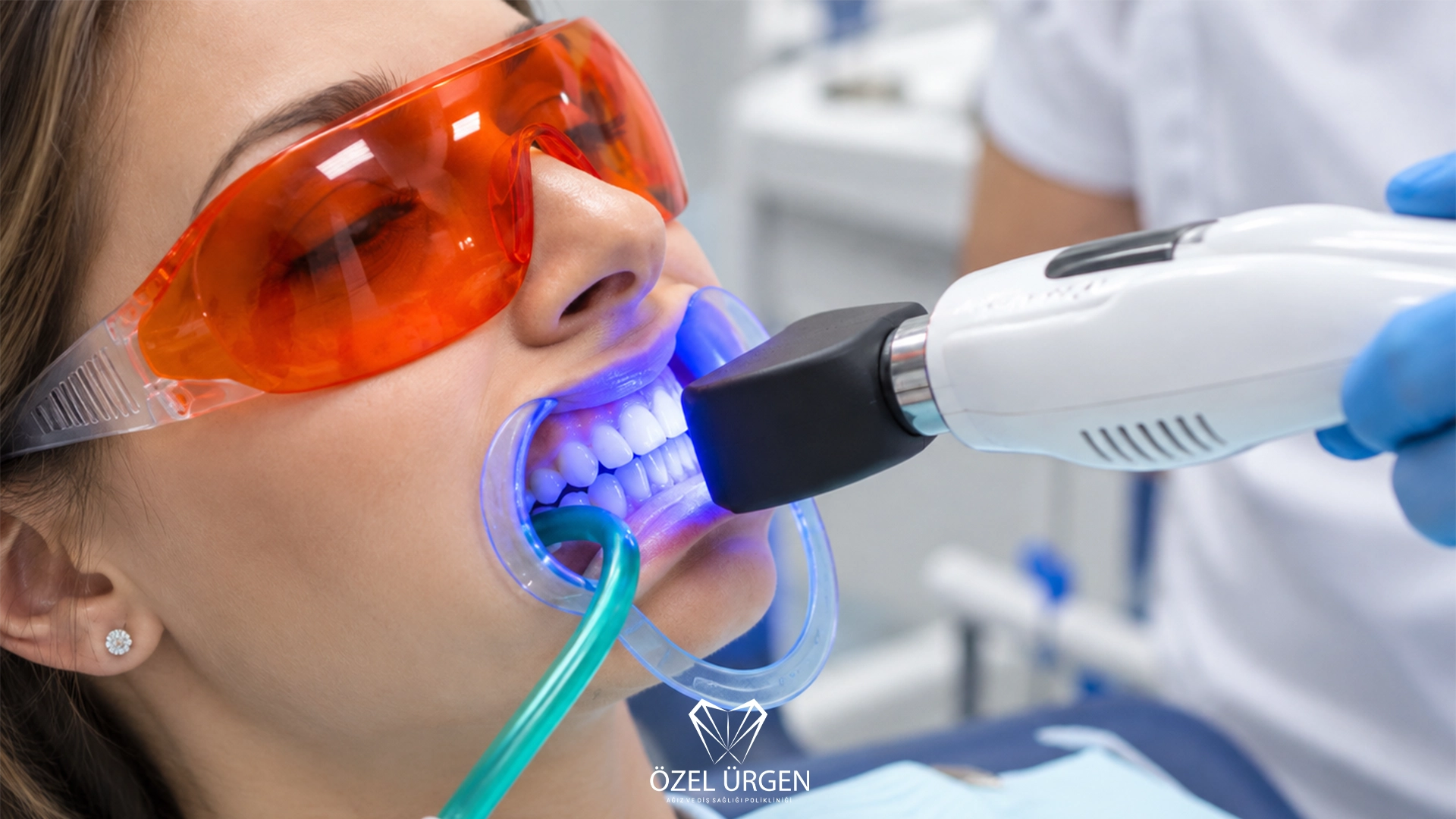
Is Teeth Whitening Harmful? What You Need to Know About Safe Whitening
One of the most common questions asked by people who want whiter and brighter teeth is: “Is teeth whitening harmful?” Tea, coffee, smoking, colored beverages, certain foods, and natural changes that occur over time can cause teeth to appear more yellow or dull. For this reason, teeth whitening treatments are among the most commonly preferred procedures in cosmetic dentistry.
However, not every method used to lighten tooth color is the same. There are important differences between treatments performed under the supervision of a dentist and high-concentration products used without professional guidance. At this point, the answer to the question “is teeth whitening harmful?” depends on the whitening method used, the duration of the application, the condition of the teeth and gums, and whether the procedure is performed under professional supervision.
When applied correctly, professional whitening treatments can be controlled and safe for many people. On the other hand, using the wrong products, overusing whitening agents, or ignoring existing dental problems may lead to tooth sensitivity, gum irritation, and other unwanted effects.
At Ürgen Oral and Dental Health Polyclinic, in this article, we explain whether teeth whitening can harm your teeth, who should be more cautious, the possible side effects, and the safest whitening approaches in detail.
What Is Teeth Whitening?
Teeth whitening is a cosmetic dental procedure designed to reduce discoloration on the tooth surface or within the tooth structure and make the teeth appear lighter.
Natural tooth color varies from person to person. Some people naturally have lighter teeth due to genetics, while others may have a more yellowish natural tooth shade.
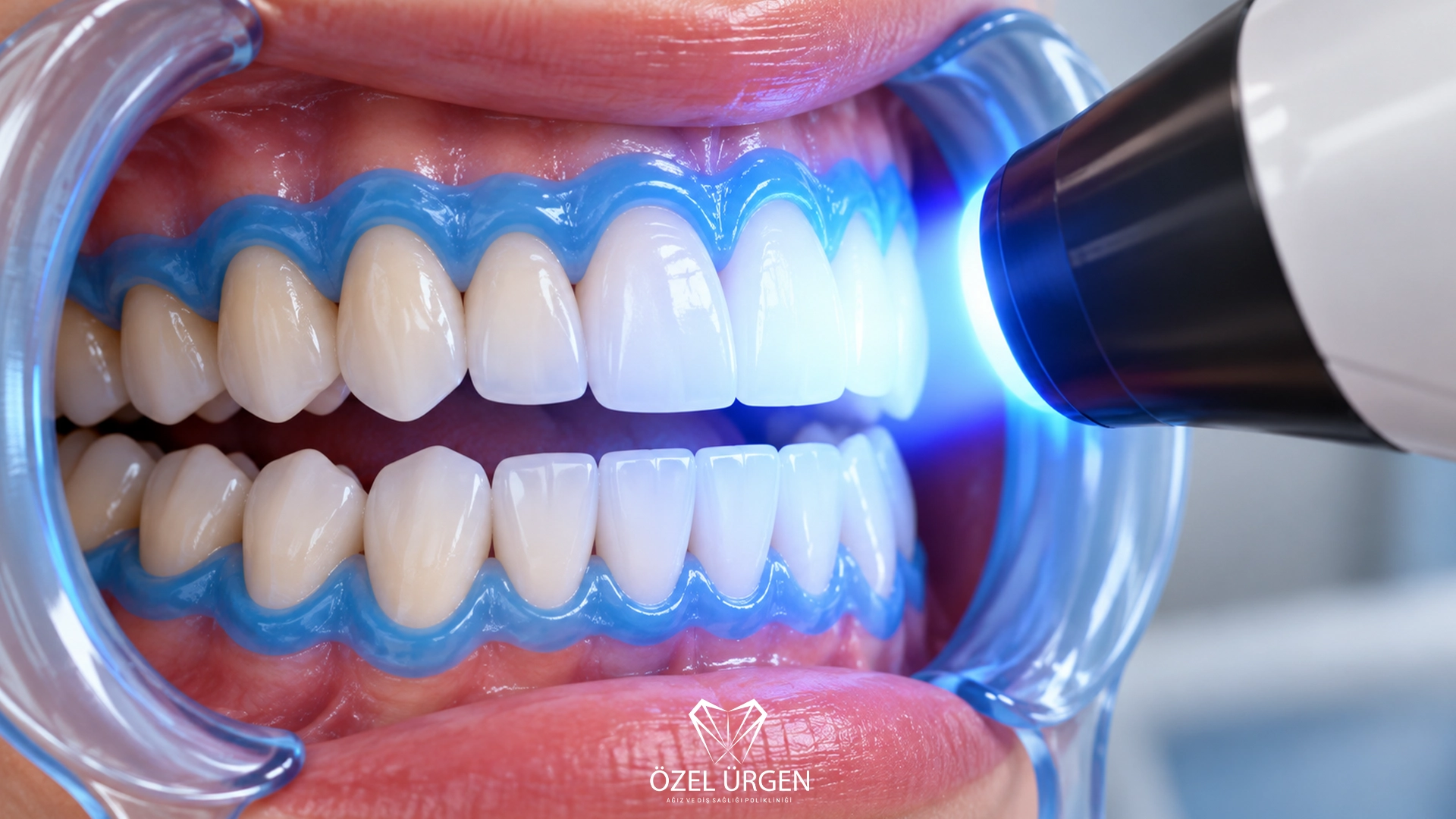
Over time, factors such as:
- Coffee consumption
- Tea consumption
- Smoking and tobacco use
- Cola and colored beverages
- Red wine
- Certain strongly pigmented foods and spices
- Aging
- Some medications
- Poor oral hygiene
may cause changes in tooth color.
Teeth whitening treatments generally aim to lighten stains and discoloration located on the tooth surface and within the tooth structure.
Is Teeth Whitening Harmful?
Let us address the main question directly: Is teeth whitening harmful?
When performed after a professional dental evaluation, using suitable products for the right candidates and within the recommended duration, teeth whitening treatments are generally not intended to cause permanent damage to tooth enamel. However, temporary tooth sensitivity and gum irritation may occur during or after the procedure.
The key point is that whitening should not be performed without control.
Frequent use of products with unknown ingredients purchased online, contact of high-concentration whitening agents with the gums, or leaving whitening products on the teeth longer than recommended may lead to undesirable effects.
Therefore, it is not accurate to answer the question “is teeth whitening harmful?” with a simple yes or no. The safety of the treatment depends on the patient’s oral health and the whitening method used.
Is Professional Teeth Whitening Safe?
Before professional teeth whitening is performed by a dentist, the teeth and oral structures are evaluated.
This evaluation generally includes:
- Dental cavities
- Gum problems
- Enamel cracks
- Tooth sensitivity
- Fillings
- Crowns
- Oral hygiene
- Surface stains on the teeth
If there is a condition that makes whitening unsuitable, that problem may need to be treated first.
For this reason, professional whitening treatments may offer a safer approach than uncontrolled methods because the procedure is planned according to the patient’s individual condition.
Does Teeth Whitening Damage Tooth Enamel?
After asking “is teeth whitening harmful?”, one of the most common concerns is whether whitening damages tooth enamel.
Tooth enamel is the hard outer layer of the tooth. Whitening products are designed to affect the pigments responsible for tooth discoloration and make the teeth appear lighter.
Whitening products used at appropriate concentrations and in a controlled manner are generally applied according to professional dental protocols.
However, whitening too frequently, using strong products without professional guidance, or leaving whitening agents on the teeth longer than recommended is not appropriate for oral and dental health.
For this reason, the frequency and method of whitening should always be evaluated individually.
Is Tooth Sensitivity Normal After Teeth Whitening?
One of the most common side effects after teeth whitening is temporary tooth sensitivity.
Sensitivity may especially be felt when the teeth come into contact with:
- Cold water
- Hot drinks
- Sweet foods
- Cold air
This condition is usually temporary. However, if the sensitivity becomes severe or lasts for a long time, a dental evaluation is recommended.
People who already have sensitive teeth should always inform their dentist before undergoing whitening treatment.
What Are the Possible Side Effects of Teeth Whitening?
Some temporary side effects may occur after professional or at-home teeth whitening procedures.
Tooth Sensitivity
This is one of the most common side effects. It may become more noticeable during the first few days after whitening.
Gum Irritation
If the whitening product comes into contact with the gums, it may cause irritation, burning, or redness.
Oral Sensitivity
Some people may experience temporary sensitivity inside the mouth depending on the product used.
Temporary Shade Differences
Immediately after treatment, some areas of the teeth may appear lighter or slightly different in color. This appearance may become more balanced over time.
Failure to Achieve the Expected Result
Not every type of discoloration responds to whitening in the same way. In particular, discoloration originating from deeper layers of the tooth may not respond sufficiently to standard whitening treatments.
Who May Not Be Suitable for Teeth Whitening?
Not everyone is an ideal candidate for teeth whitening.
A dentist should first evaluate the patient in situations such as:
- Active dental cavities
- Severe gum disease
- Significant tooth sensitivity
- Enamel cracks
- Active sores or infections in the mouth
- Advanced tooth wear
- Known sensitivity to whitening agents
In addition, during pregnancy or breastfeeding, professional dental advice should be considered before undergoing cosmetic whitening treatments.
Is At-Home Teeth Whitening Harmful?
When it comes to home-use products, the question “is teeth whitening harmful?” becomes even more important.
Products sold in pharmacies, supermarkets, or online may include:
- Whitening strips
- Whitening gels
- Whitening pens
- Powder products
- Highly abrasive toothpastes
These products may contain different active ingredients and concentrations.
Uncontrolled or excessive use of such products may lead to gum irritation, increased sensitivity, or wear on the tooth surface.
Some home remedies that become popular on social media may also be unsafe.
Is Whitening Teeth With Baking Soda Harmful?
Baking soda may have an abrasive effect that can mechanically remove some surface stains.
However, frequent and aggressive use may wear down the tooth surface.
As the tooth surface becomes worn, teeth may become more sensitive and may even appear more yellow over time.
For this reason, baking soda should not be considered an alternative to professional teeth whitening.
Is Whitening Teeth With Lemon Harmful?
Lemon is highly acidic.
Frequent contact between acidic substances and the tooth surface may increase the risk of enamel erosion.
For this reason, applying lemon, vinegar, or similar acidic substances directly to the teeth for whitening purposes is not recommended.
A method being “natural” does not necessarily mean that it is safe for dental health.
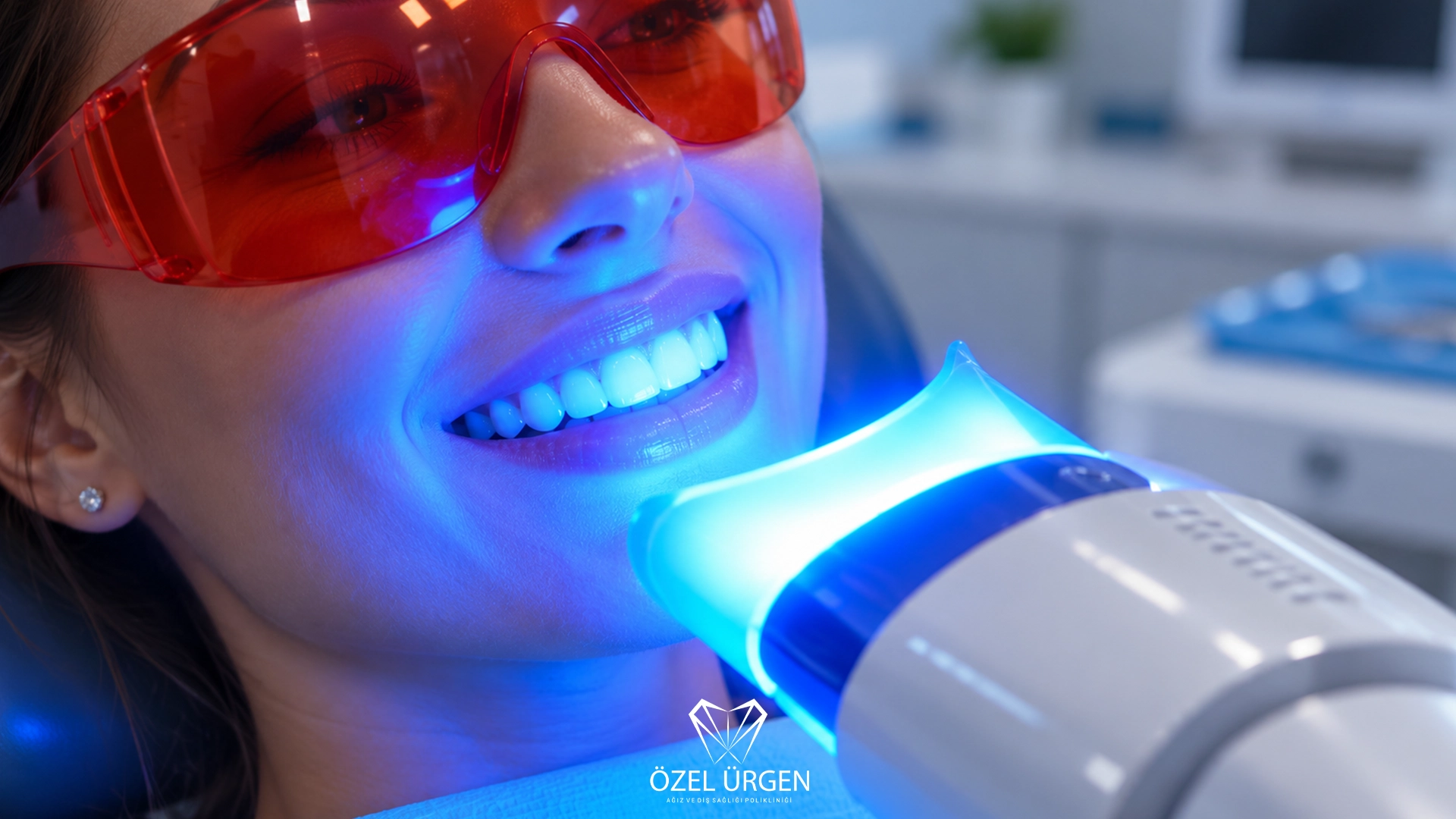
Are Whitening Toothpastes Harmful?
Many whitening toothpastes contain abrasive or polishing agents that help remove surface stains.
These products may not provide the same degree of color change as professional teeth whitening.
Long-term or excessive use of highly abrasive toothpastes may increase tooth sensitivity in some people.
Therefore, choosing a toothpaste based on your dentist’s recommendation may be a healthier approach.
Does Teeth Whitening Damage Fillings or Crowns?
Whitening treatments are effective on natural tooth structure.
The color of fillings, porcelain crowns, zirconia restorations, and other restorative materials does not change in the same way as natural teeth.
For this reason, people with fillings or crowns in the front teeth may notice a color difference between natural teeth and restorations after whitening.
In such cases, the color of existing restorations should be taken into account when planning the whitening treatment.
How Long Do Teeth Whitening Results Last?
The durability of whitening results varies depending on lifestyle habits.
The following habits may cause the whitening effect to fade more quickly:
- Frequent coffee consumption
- Black tea consumption
- Smoking
- Colored beverages
- Red wine
- Poor oral hygiene
Regular oral care and limiting habits that cause staining may help preserve the whitening result for longer.
What Should You Avoid After Teeth Whitening?
Especially during the first few days after whitening, it may be helpful to avoid foods and beverages with intense pigments.
After teeth whitening, it may be beneficial to:
- Reduce coffee consumption
- Limit tea consumption
- Avoid smoking
- Stay away from cola and colored beverages
- Limit red wine
- Maintain regular oral hygiene
- Brush with the proper technique
- Follow your dentist’s recommendations
How Often Should Teeth Whitening Be Done?
The frequency with which whitening can be repeated varies from person to person.
The initial tooth color, lifestyle habits, previous whitening treatments, and tooth sensitivity can all affect the timing.
For this reason, there is no single whitening interval that is suitable for everyone.
Very frequent and uncontrolled whitening treatments are not recommended.
Are Teeth Whitening and Dental Cleaning the Same Thing?
No.
Dental cleaning is performed to remove plaque and tartar deposits from the tooth surfaces.
Teeth whitening, on the other hand, is a cosmetic procedure designed to make the natural tooth color lighter.
After professional cleaning, teeth may look cleaner and brighter because surface stains have been reduced. However, dental cleaning is not the same as professional teeth whitening.
Why Is a Dental Examination Important Before Teeth Whitening?
A dental examination before whitening is important because some oral health problems should be treated before the procedure.
For example, applying a whitening product to a tooth with an undetected cavity may increase sensitivity.
Similarly, people with gum recession may have exposed root surfaces that are more sensitive.
An examination helps determine whether the patient is suitable for whitening and which method may be more appropriate.
What Are the Advantages of Professional Teeth Whitening?
One of the main advantages of professional teeth whitening under dentist supervision is that the procedure can be individually planned.
During this process:
- The existing tooth shade is evaluated.
- Oral health is checked.
- Gum tissues are protected.
- The appropriate whitening method is selected.
- The risk of sensitivity is assessed.
- The results can be monitored.
For this reason, people who are concerned about “is teeth whitening harmful?” should first undergo a professional dental evaluation.
Is Teeth Whitening Harmful or Beneficial?
Teeth whitening is primarily a cosmetic procedure.
It does not treat tooth decay, cure gum disease, or replace proper oral hygiene.
However, it may help people who are unhappy with the appearance of their teeth achieve a brighter and more aesthetic smile.
For this reason, the purpose of the treatment should be understood correctly.
Does Teeth Whitening Make Teeth Thinner?
The purpose of teeth whitening is not to physically wear down or thin the teeth.
Professional whitening products are designed to act on the pigments responsible for tooth discoloration.
However, uncontrolled home methods involving abrasive substances may damage the tooth surface.
Therefore, professional whitening treatments and abrasive home remedies should not be considered the same thing.
Can Teeth Whitening Cause Cancer?
There are many claims about teeth whitening on the internet.
Professional teeth whitening products should be used at specific concentrations and according to recommended protocols. However, improper or inappropriate use of any product may create health risks.
For this reason, products with unknown ingredients or concentrations should not be used.
Frequently Asked Questions
Is teeth whitening harmful?
When performed on suitable patients with the correct method and under dentist supervision, teeth whitening can generally be planned safely. However, excessive or uncontrolled whitening may cause sensitivity or gum irritation.
Does teeth whitening cause cavities?
Teeth whitening is not designed to cause tooth decay. However, if cavities already exist, they may need to be treated before whitening.
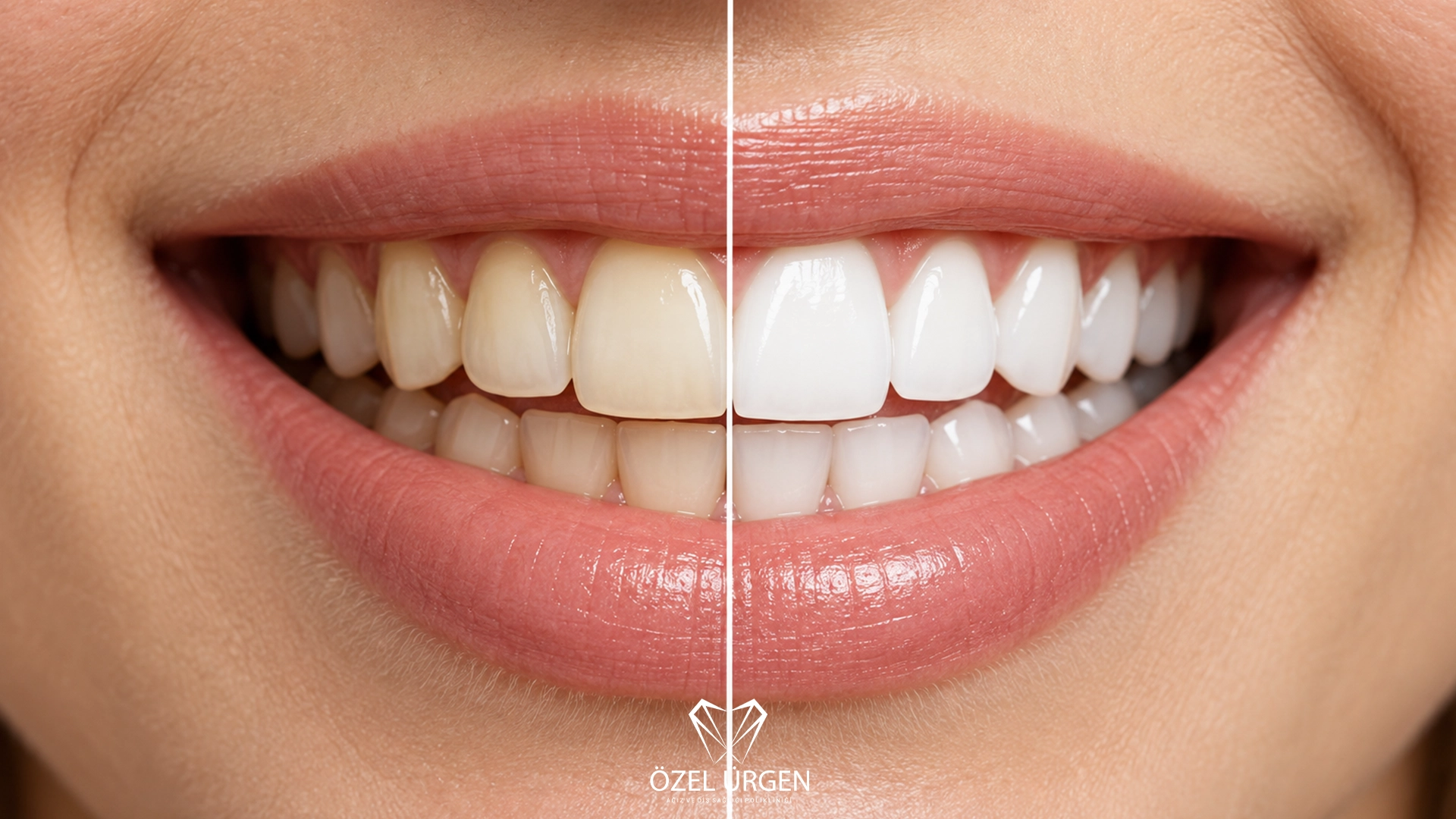
Is tooth pain after teeth whitening normal?
Temporary sensitivity may occur in some people. If sensitivity is severe or continues for a long time, a dentist should be consulted.
Is teeth whitening permanent?
Teeth whitening is not permanent for life. Diet, smoking habits, and oral hygiene can affect how long the results last.
How many shades can teeth whitening lighten?
The amount of whitening varies depending on the initial tooth color, the cause of discoloration, and the method used.
Can everyone undergo teeth whitening?
No. In cases such as cavities, advanced gum disease, or severe sensitivity, whitening may need to be postponed or a different approach may be required.
Conclusion: Is Teeth Whitening Harmful?
The answer to the question “is teeth whitening harmful?” depends on the method used and how the treatment is performed.
Professional whitening treatments planned according to the patient’s condition after a dental examination may be considered among the cosmetic dental options for people who want a whiter smile.
However, uncontrolled use of whitening products, overly frequent applications, and home remedies involving lemon, vinegar, or highly abrasive substances may lead to undesirable effects on oral and dental health.
Therefore, if you are wondering “is teeth whitening harmful?”, the first step should be to determine whether your teeth and gums are suitable for whitening.
At Ürgen Oral and Dental Health Polyclinic, evaluating the patient’s oral and dental structure, choosing the appropriate treatment method, and planning the whitening process professionally are important parts of cosmetic dentistry care.
If you are looking for a brighter smile, you can consult your dentist before starting treatment and evaluate the whitening options that are most appropriate for you.
Disclaimer: This content is intended for general informational purposes only and does not replace diagnosis or treatment advice. A dental examination is required to determine whether teeth whitening is suitable for you.
Comments are closed