



How Long Does Teeth Whitening Last? How Many Years Can the Results Last?
White, healthy-looking teeth are an important part of an attractive smile. Tea, coffee, highly pigmented foods, and tobacco products can gradually alter the natural color of teeth. In addition, aging, genetics, and oral hygiene habits can contribute to yellowing or tooth discoloration. As a result, many people who want a brighter smile consider professional teeth whitening treatments.
One of the most frequently asked questions among people considering treatment is how long does teeth whitening last? The duration of whitening results depends on several factors, including the treatment method, the individual’s tooth structure, oral hygiene practices, and lifestyle habits.
Professional teeth whitening treatments can lighten the natural shade of teeth by several shades. However, these results should not be expected to remain unchanged for a lifetime. Gradual discoloration is a natural process, and maintaining good oral care habits can help extend the longevity of teeth whitening results.
In this comprehensive guide prepared for Ürgen Oral and Dental Health Polyclinic, we explain how long teeth whitening treatments take, how many years the results may last, why teeth can become discolored again, and what precautions should be taken after treatment.
What Is Teeth Whitening and How Is It Performed?
Teeth whitening is a cosmetic dental procedure designed to reduce discoloration and lighten the natural shade of teeth using appropriate whitening agents. Also known as dental bleaching, this treatment is commonly preferred by individuals who are dissatisfied with their natural tooth color or want to address discoloration that has developed over time.
Professional whitening treatments generally use specialized gels containing hydrogen peroxide or carbamide peroxide. These substances interact with the compounds responsible for discoloration within the tooth structure, helping teeth achieve a lighter appearance.
Before undergoing teeth whitening, it is important to have your oral health evaluated by a dentist. Dental cavities, gum disease, excessive tooth sensitivity, and existing dental restorations may affect the treatment plan.
Professional teeth whitening can generally be performed using two main methods:
- In-office teeth whitening: A professional procedure performed in a dental clinic under the supervision of a dentist, often providing noticeable results within a relatively short period.
- At-home teeth whitening: A dentist-supervised treatment performed at home using custom-made whitening trays and appropriate whitening gels.
Both methods offer distinct advantages. The most suitable option should be determined based on the patient’s natural tooth color, oral health condition, and treatment expectations.
How Long Does Teeth Whitening Last?
How long does teeth whitening last? Although the answer varies from person to person, professional teeth whitening results may last approximately 6 months to 3 years for many individuals.
However, this timeframe is not guaranteed. Some people may experience renewed discoloration sooner, while others may maintain their whitening results for a longer period.
The longevity of teeth whitening is not determined solely by the technique used. Everyday habits, oral hygiene routines, dietary choices, and the original characteristics of tooth discoloration can also influence how long the results remain visible.
For example, individuals who smoke regularly, frequently consume coffee, or neglect their oral hygiene may notice that their teeth become discolored again relatively quickly.
In contrast, people who brush their teeth consistently, clean between their teeth, avoid tobacco products, and attend regular dental appointments may preserve their whitening results for longer.
It is important to understand that teeth whitening does not make teeth permanently resistant to discoloration. Teeth continue to be exposed to environmental factors after treatment, which means that new stains may gradually develop.
The most accurate personalized answer to how long does teeth whitening last can be provided after a professional dental examination and treatment assessment.
What Factors Affect the Longevity of Teeth Whitening?
Maintaining the results of teeth whitening depends on several important factors. Understanding these factors can help patients make informed decisions about their oral care routine following treatment.
1. Tea and Coffee Consumption
Tea and coffee contain pigments and compounds that can contribute to external tooth staining. Frequent consumption throughout the day may increase the likelihood of discoloration developing again over time.
Reducing tea and coffee intake after whitening treatment may help preserve the lighter shade of your teeth for longer.
Rinsing your mouth with water after consuming these beverages may also help remove some of the pigmented residues left behind.
2. Smoking and Tobacco Products
Smoking and other tobacco products are significant contributors to yellow and brown stains on teeth.
Continued tobacco use may negatively affect the longevity of teeth whitening results. Quitting smoking is therefore beneficial not only for maintaining a brighter smile but also for supporting overall oral and dental health.
3. Oral and Dental Hygiene
Consistent oral hygiene is one of the most important factors influencing how long teeth whitening results last.
Brushing at least twice daily with fluoride toothpaste and cleaning between the teeth using appropriate methods can help reduce plaque accumulation and surface staining.
Poor oral hygiene may lead to plaque and tartar buildup, causing teeth to appear darker or less vibrant.
4. Natural Tooth Structure and Color
Every individual has a different natural tooth shade. Enamel thickness, dentin structure, age, and genetic characteristics all influence tooth appearance.
Consequently, two individuals receiving the same whitening treatment may experience different outcomes.
Whether discoloration is located on the tooth surface or originates within the tooth structure can also affect the response to whitening treatment.
5. Dietary Habits
Red wine, dark-colored fruits, certain sauces, and highly pigmented foods can contribute to tooth discoloration over time.
Maintaining a balanced diet and being mindful of how frequently staining foods are consumed may help preserve whitening results.
6. Regular Dental Checkups
Routine dental visits allow dentists to evaluate oral health and monitor the development of new stains.
Professional dental cleaning may be recommended when necessary. However, dental cleaning and chemical teeth whitening are different procedures.
Dental cleaning primarily removes plaque, tartar, and external stains, while teeth whitening aims to lighten the natural color of the teeth.
How Long Does In-Office Teeth Whitening Last?
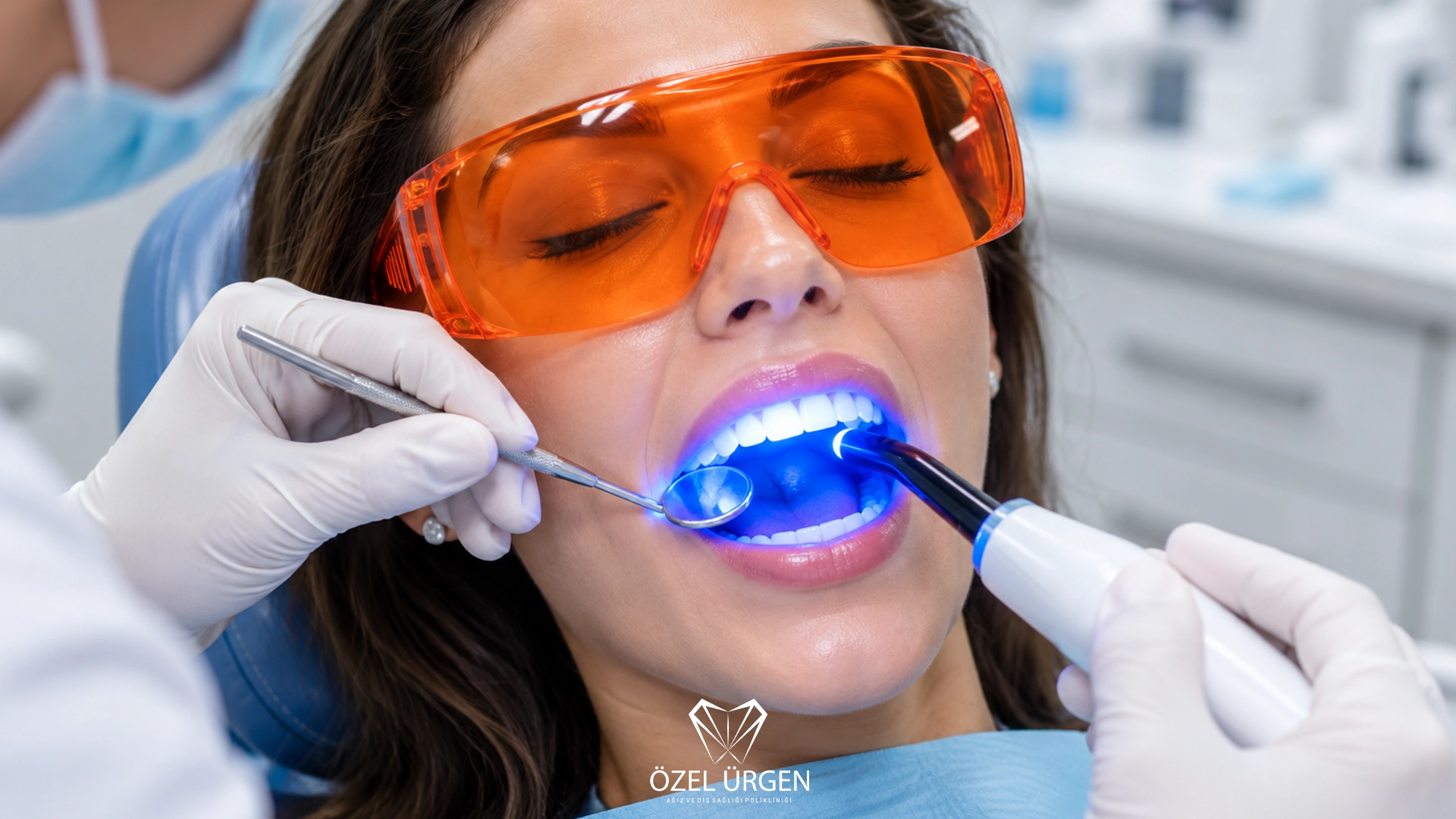
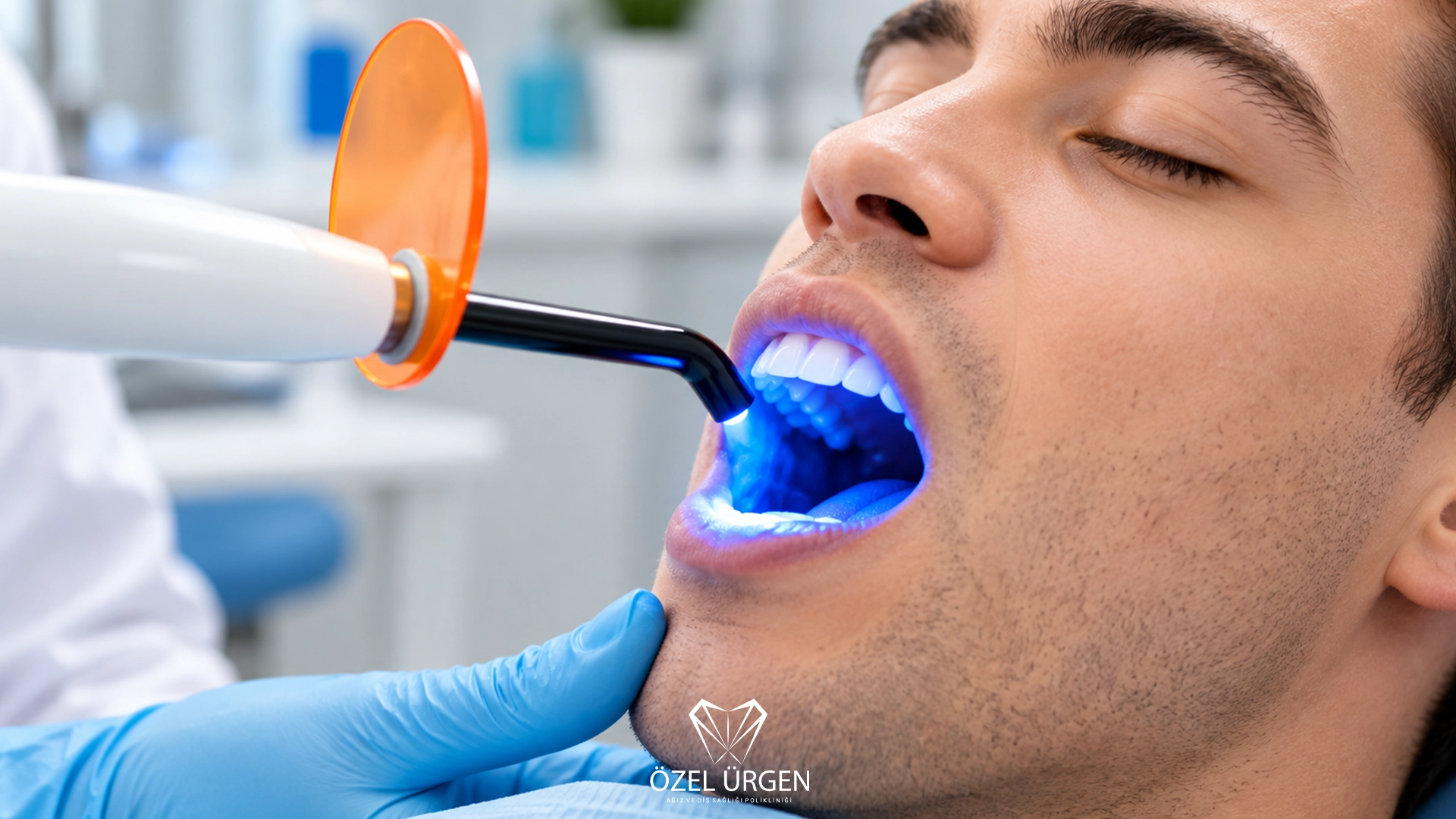
In-office teeth whitening is a professional procedure performed by a dentist in a clinical environment. During treatment, protective measures are taken to safeguard the gums before a whitening gel is applied to the tooth surfaces.
Treatment duration and the number of sessions may vary depending on the whitening system used. Some patients may achieve noticeable improvements during a single appointment, while others may require additional sessions.
The answer to how long does in-office teeth whitening last also depends on the individual’s daily habits.
Although in-office whitening can produce visible results relatively quickly, maintaining the achieved shade is closely associated with proper oral care.
Faster whitening results do not necessarily mean that in-office treatment will last longer than dentist-supervised at-home whitening.
When evaluating durability, it is important to consider not only the brightness achieved immediately after treatment but also any color changes that may occur over time.
Temporary tooth sensitivity may develop following the procedure, particularly in response to hot or cold temperatures. The severity and duration of sensitivity can differ among patients.
If sensitivity persists after treatment, a dentist should be consulted.
How Long Does At-Home Teeth Whitening Last?
Dentist-supervised at-home teeth whitening involves applying specially formulated whitening gels using trays designed to fit the patient’s teeth.
This approach generally takes place over a longer period than in-office whitening. The duration of tray use and the concentration of the whitening gel should be determined by the dentist according to the patient’s individual needs.
The question how long does at-home teeth whitening last is frequently asked by patients comparing professional whitening options.
Dentist-supervised at-home whitening can also provide results that remain visible for an extended period. However, it is not possible to guarantee the same duration of results for every individual.
One of the most important aspects of at-home whitening is following the dentist’s instructions carefully.
Using more whitening gel than recommended or wearing trays for longer than instructed does not guarantee better results. Instead, these practices may increase the risk of tooth sensitivity and gum irritation.
Additionally, using whitening products purchased online without sufficient knowledge of their ingredients may pose risks to oral health.
Is Laser Teeth Whitening Permanent?
Laser-assisted teeth whitening is one of the techniques used in certain professional dental whitening systems. These procedures may involve using a whitening gel together with a specific light or laser device.
However, not every in-office whitening procedure uses laser technology. The equipment and application protocol vary depending on the whitening system.
Laser-assisted teeth whitening does not provide permanent, lifelong protection against tooth discoloration. New stains can still develop after treatment.
Therefore, it would be inaccurate to claim that laser-assisted whitening is always more durable than other professional whitening methods.
The most appropriate whitening technique should be determined by considering the patient’s tooth structure, sensitivity, type of discoloration, and the dentist’s professional assessment.
Can Teeth Become Yellow Again After Whitening?
Yes, teeth may gradually become yellow again after whitening treatment.
This is because teeth whitening does not completely prevent future discoloration.
Even after treatment, teeth continue to come into contact with foods, beverages, and other substances in everyday life. As a result, new stains may develop over time.
Common causes of renewed tooth discoloration include frequent consumption of tea and coffee, smoking, inadequate oral hygiene, and natural age-related changes in tooth color.
In some cases, patients may notice that the shade achieved immediately after whitening changes slightly during the following days. This may be related to the normalization of temporary changes in tooth hydration after treatment.
This process should be distinguished from new staining.
People wondering how long does teeth whitening last should understand that maintaining the results requires consistent oral hygiene and healthy daily habits.
The return of yellowing does not necessarily mean that the original whitening treatment was unsuccessful. Because teeth naturally remain susceptible to discoloration, periodic dental evaluations may be necessary.
What Should You Avoid After Teeth Whitening?
Following the recommended care instructions after teeth whitening can help maintain the appearance achieved through treatment.
Patients should pay particular attention to the individualized instructions provided by the dentist who performed the procedure.
Dietary Recommendations During the First 24–48 Hours
Some dentists may recommend limiting highly pigmented foods and beverages during the first 24–48 hours following whitening treatment.
Recommendations concerning tea, coffee, red wine, and strongly colored sauces may vary according to the whitening system used and the patient’s sensitivity.
There is no universally mandatory white diet that every patient must follow for an identical period.
For this reason, patients should follow their dentist’s specific recommendations regarding food and beverage consumption after whitening.
Regular Tooth Brushing
Brushing your teeth twice daily for approximately two minutes using the correct technique supports good oral hygiene.
A soft-bristled toothbrush is generally recommended, and excessive pressure should be avoided during brushing.
Flossing and Interdental Cleaning
Cleaning only the visible surfaces of the teeth is not sufficient for maintaining optimal oral health.
Plaque and food particles can accumulate between teeth, potentially contributing to oral health problems.
Using dental floss or another interdental cleaning tool recommended by a dentist can help keep these areas clean.
Limiting Acidic and Highly Pigmented Beverages
Frequent consumption of acidic beverages and drinks containing strong pigments may negatively affect the health and appearance of tooth surfaces.
Drinking water afterward and maintaining consistent oral hygiene can be beneficial habits.
Aggressive brushing immediately after consuming acidic foods or beverages should be avoided.
Avoiding Smoking
Smoking is a major contributor to tooth staining. Continuing to smoke after whitening treatment may cause teeth to become discolored again more quickly.
Avoiding tobacco products is beneficial not only for preserving whitening results but also for maintaining healthy gums and supporting long-term oral health.
How Can You Make Teeth Whitening Results Last Longer?
To maintain a brighter smile after whitening treatment, patients should focus on long-term oral hygiene habits rather than only the first few days following the procedure.
One of the most important factors influencing how long does teeth whitening last is the consistency of the individual’s oral care routine.
The following practices may help extend the longevity of teeth whitening results:
- Brush your teeth regularly with fluoride toothpaste.
- Use dental floss or appropriate interdental cleaning tools.
- Reduce the frequency of tea, coffee, and highly pigmented beverage consumption.
- Avoid smoking and other tobacco products.
- Attend regular dental checkups.
- Avoid unsupervised and abrasive whitening methods.
- Receive professional dental cleaning when recommended.
- Consult your dentist before considering additional whitening treatments.
Adopting these habits can help teeth maintain a cleaner and brighter appearance for longer.
However, even with excellent oral care, natural aging and individual tooth characteristics may cause gradual changes in tooth color.
The objective should therefore be to minimize new discoloration while maintaining dental health, rather than expecting whitening results to remain completely unchanged forever.
Does Teeth Whitening Damage Tooth Enamel?
One of the most common concerns about teeth whitening is whether the procedure can damage tooth enamel.
Professional whitening treatments performed using appropriate products under dental supervision are generally considered safe for suitable patients.
However, whitening procedures are not entirely free of risks.
The concentration of the whitening product, treatment duration, and individual tooth characteristics can influence possible side effects.
The most frequently reported side effects include temporary tooth sensitivity and gum irritation.
Excessive, repeated, or incorrectly performed whitening treatments may increase the risk of damage to dental tissues.
In particular, using lemon juice, vinegar, charcoal powder, or abrasive mixtures to whiten teeth is not recommended.
The effectiveness of these home remedies is not sufficiently supported by scientific evidence, and some may damage tooth surfaces.
Before whitening treatment, it is important to evaluate whether the patient has cavities, cracks, gum recession, or existing tooth sensitivity.
Professional dental assessment is essential for planning an appropriate and safe whitening procedure.
How Many Sessions Does Teeth Whitening Require?
The number of sessions required for teeth whitening varies depending on the treatment method and the extent of tooth discoloration.
Some in-office whitening treatments can be completed in a single appointment.
However, additional appointments or supportive at-home whitening may be recommended to achieve the desired results.
Professional at-home whitening treatments generally take place over several days or weeks.
The underlying cause of discoloration is an important factor influencing the treatment process.
For example, superficial staining and discoloration originating within the tooth structure may require different treatment approaches.
Therefore, a realistic treatment plan should be developed after evaluating the patient’s dental condition and expectations.
Along with asking how long does teeth whitening last, patients should discuss the expected number of whitening sessions with their dentist during the initial consultation.
Is Teeth Whitening Suitable for Everyone?
Although teeth whitening is a widely used cosmetic dental procedure, it may not be appropriate for every patient.
Individuals with untreated cavities, active gum disease, or significant tooth sensitivity may need to have these conditions evaluated and addressed before undergoing whitening treatment.
Cosmetic teeth whitening is generally not recommended during pregnancy or breastfeeding.
Special considerations and applicable age-related regulations should also be taken into account when evaluating whitening treatments for children and adolescents.
Additionally, porcelain veneers, dental crowns, implant-supported restorations, and composite fillings do not respond to whitening agents in the same way as natural teeth.
As a result, patients with fillings or crowns on their front teeth may notice differences in color between their natural teeth and existing restorations after whitening.
In some cases, the condition of these restorations may need to be reassessed to achieve a consistent aesthetic appearance.
Identifying such factors is one of the main reasons why a thorough dental examination is important before starting teeth whitening treatment.
How Often Should Teeth Whitening Be Repeated?
There is no universal schedule requiring every patient to repeat teeth whitening at fixed intervals.
The need for additional whitening depends on the initial results, the extent of renewed discoloration, the patient’s sensitivity, and their overall oral health.
Some individuals may maintain satisfactory results for a long time without requiring further treatment.
Others may experience staining sooner.
However, when teeth become discolored again, patients should consult a dentist before immediately repeating a whitening procedure.
In some cases, professional dental cleaning may be sufficient to remove surface stains.
Not every change in tooth color requires another chemical whitening treatment.
When determining the appropriate time for further treatment, the dentist should consider the condition of the tooth enamel and any sensitivity symptoms.
Frequent and unsupervised whitening procedures should be avoided.
How Long Does Tooth Sensitivity Last After Whitening?
Tooth sensitivity is a temporary side effect that some patients may experience after teeth whitening.
It is commonly noticed when consuming cold beverages, breathing in cold air, or eating sweet foods.
For many people, sensitivity decreases within a relatively short period. However, its intensity and duration vary from person to person.
When necessary, a dentist may recommend products or treatments designed to reduce sensitivity.
If sensitivity is severe, becomes progressively worse, or continues for an extended period, a dental examination is recommended.
Persistent pain following whitening should not simply be ignored as a normal consequence of the procedure.
Pain concentrated in a particular tooth may indicate an underlying dental problem that requires professional evaluation.
What Is the Difference Between Teeth Whitening and Dental Scaling?
Teeth whitening and dental scaling are different procedures performed for different purposes.
Dental scaling aims to remove hardened plaque deposits, commonly known as tartar, from tooth surfaces. Professional cleaning may also remove certain external stains.
This procedure is important for maintaining oral health.
Teeth whitening, on the other hand, is designed to chemically lighten the natural shade of the teeth.
After professional dental cleaning, teeth may appear cleaner and brighter.
However, this does not necessarily mean that the natural tooth color has been lightened in the same way as it would be through a whitening treatment.
For individuals with significant tartar accumulation or surface staining, a dental examination is necessary to identify the underlying cause of their aesthetic concerns.
In some cases, professional cleaning alone may provide a satisfactory improvement, eliminating the need for an additional whitening procedure.
What Factors Affect Teeth Whitening Costs?
Teeth whitening costs may vary depending on the selected treatment method and the patient’s oral health condition.
Factors that can influence pricing include whether in-office or at-home whitening is selected, the materials used, the number of treatment sessions, and any additional dental treatment requirements.
Before whitening, the dentist may also evaluate whether professional cleaning or other oral health procedures are necessary.
When researching teeth whitening prices, patients should consider not only the cost but also the importance of receiving treatment in a professional setting with a personalized treatment plan.
A dental consultation is the most appropriate starting point for obtaining individualized treatment information and pricing.
Frequently Asked Questions About Teeth Whitening
How Long Does Teeth Whitening Last?
Professional teeth whitening results may last approximately 6 months to 3 years for many individuals.
However, the duration varies depending on oral hygiene, tobacco use, dietary habits, and individual tooth characteristics.
The same degree of whiteness cannot be guaranteed for every patient over an identical period.
Is Teeth Whitening Permanent for Life?
No, teeth whitening is not a lifelong permanent treatment.
New stains and natural changes in tooth color may develop over time.
Maintaining a consistent oral hygiene routine can help extend the duration of whitening results.
Can You Drink Coffee After Teeth Whitening?
Recommendations regarding coffee consumption after whitening depend on the treatment method and the dentist’s assessment.
Some patients may be advised to limit highly pigmented beverages during the initial period after treatment.
Over the long term, reducing coffee consumption frequency may help prevent renewed staining.
Can Yellow Teeth Become White Through Whitening?
Many types of yellow discoloration can respond to professional whitening treatments.
However, the underlying cause is important.
Age-related color changes, surface stains, and discoloration originating within the tooth structure may respond differently to treatment.
Do Teeth Return to Their Original Color After Whitening?
Teeth may gradually become darker over time.
However, the rate and extent of discoloration vary among individuals.
It is not possible to state that every patient’s teeth will necessarily return completely to their original shade.
Does Teeth Whitening Wear Down Teeth?
Professional teeth whitening performed correctly under dental supervision is generally considered safe.
However, inappropriate whitening products, excessive treatment, and abrasive home remedies may damage dental tissues.
Can Teeth Whitening Be Repeated?
Yes, additional whitening may be performed when appropriate.
However, the timing and method should be determined through a professional dental assessment.
Not every instance of renewed discoloration requires another whitening procedure.
Which Teeth Whitening Method Lasts the Longest?
There is no single whitening method that can be considered the longest-lasting option for every individual.
Both in-office whitening and dentist-supervised at-home whitening can provide effective results.
The most suitable method should be selected according to the patient’s dental condition and individual needs.
Conclusion: How Long Does Teeth Whitening Last and How Can You Maintain a Brighter Smile?
The answer to how long does teeth whitening last depends not only on the whitening technique but also on the patient’s oral hygiene habits and lifestyle.
Professional whitening results may remain visible for an extended period in some individuals, while others may experience discoloration sooner.
Regular tooth brushing, interdental cleaning, reducing frequent consumption of tea and coffee, and avoiding tobacco products may help maintain whitening results.
However, dental and gum health should remain just as important as the aesthetic appearance of the smile.
For this reason, whitening treatment should be planned by a qualified dentist following an appropriate oral examination.
Ürgen Oral and Dental Health Polyclinic is a healthcare facility where patients can seek information about teeth whitening, have their natural tooth color evaluated, and learn about suitable treatment options.
A professional assessment can help establish an individualized treatment plan based on tooth structure, oral health, and aesthetic expectations.
When working toward a brighter smile, maintaining long-term oral health should always remain a priority.
Comments are closed