



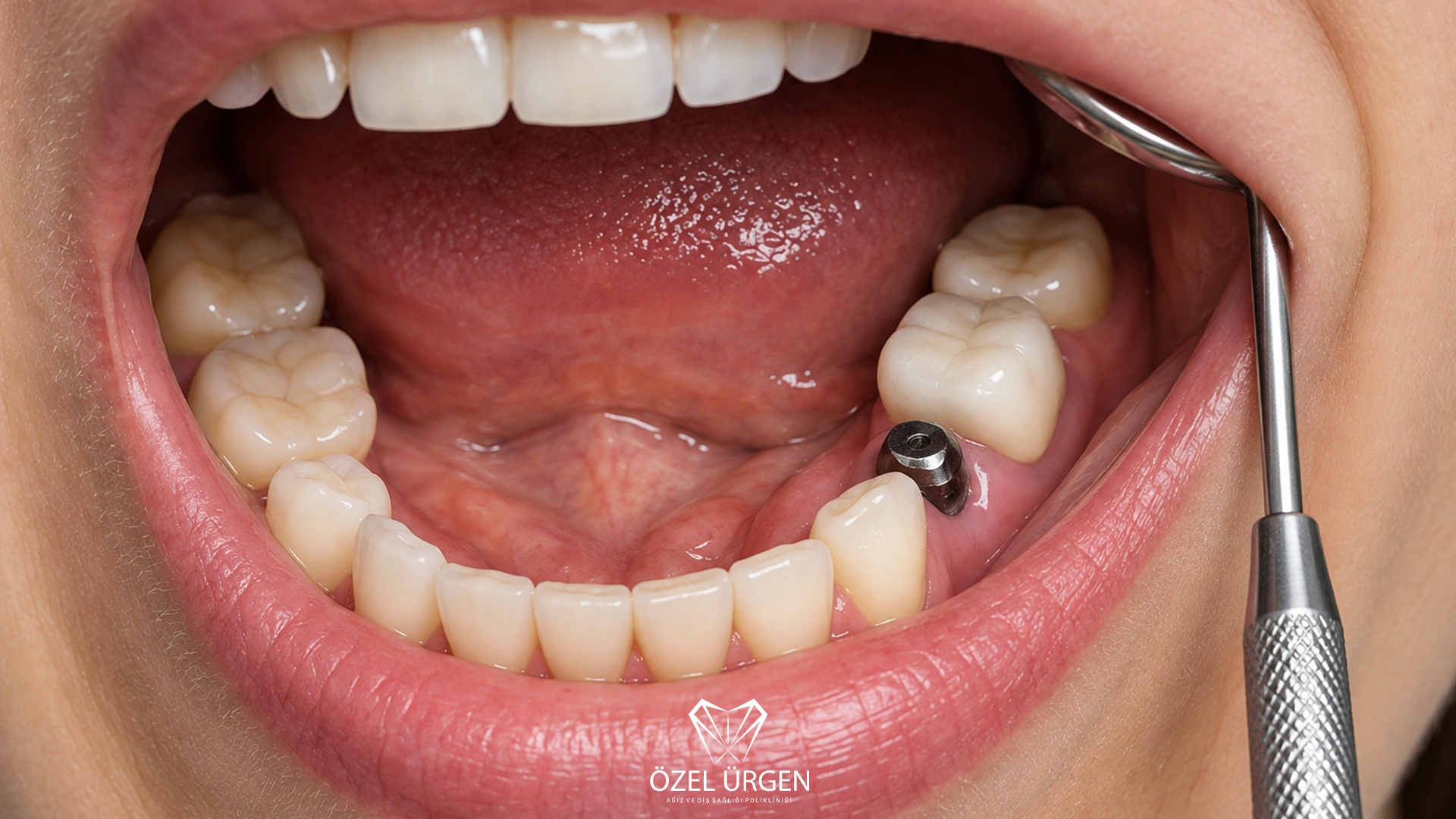
How Long Does a Dental Implant Take to Heal? Dental Implant Healing Process
Missing teeth can affect both appearance and chewing function, making tooth loss an important oral health concern. Today, dental implants are among the most commonly preferred treatment options for replacing missing teeth. One of the most frequently asked questions among patients considering implant treatment is: how long does a dental implant take to heal?
The dental implant healing process may vary from one patient to another. The location of the implant, the condition of the jawbone, the number of implants placed, the patient’s general health, oral hygiene, and whether additional surgical procedures are required can all influence recovery time.
After implant surgery, the initial healing of the gums usually begins within a few days. In many patients, gum tissue may heal within approximately 1–2 weeks. However, the biological integration of the implant with the jawbone takes considerably longer. This process is known as osseointegration.
According to Cleveland Clinic, the integration of an implant with the jawbone may take approximately 3 to 9 months depending on the patient. Leeds Teaching Hospitals NHS Trust states that implants may require approximately 2 to 6 months to integrate with the bone in many cases.
For this reason, there is no single answer that applies to everyone asking how long does a dental implant take to heal.
At Ürgen Oral and Dental Health Polyclinic, implant treatment planning involves evaluating the patient’s oral structure, jawbone condition, and individual treatment needs in order to create a personalized treatment plan.
What Is a Dental Implant?
A dental implant is an artificial tooth root placed into the jawbone to support a replacement tooth or dental prosthesis. After an appropriate healing period, a crown, bridge, or prosthetic restoration can be attached to the implant.
The primary purpose of dental implant treatment is not only to fill the space left by a missing tooth. It also aims to support chewing function, improve comfort during speech, and provide an appearance similar to natural teeth.
After an implant is placed, one of the most important stages of treatment is its integration with the jawbone. Therefore, the question how long does a dental implant take to heal actually involves several different phases of recovery.
How Long Does a Dental Implant Take to Heal?
In general, the dental implant healing process can be evaluated in two main stages:
- Healing of the gums and surgical area
- Integration of the implant with the jawbone
Initial soft tissue healing may occur within approximately 1–2 weeks after implant placement. However, complete integration between the implant and bone may take several months.
According to Leeds Teaching Hospitals NHS Trust, the gums usually heal within approximately 1–2 weeks, while implant integration with the bone may take around 2–6 months.
Cleveland Clinic states that initial recovery may take approximately one week, whereas osseointegration may require approximately 3–9 months.
Therefore, when patients search for how long does a dental implant take to heal, they may encounter different timeframes. These figures do not necessarily contradict one another because one source may be referring to gum healing while another is referring to bone integration.
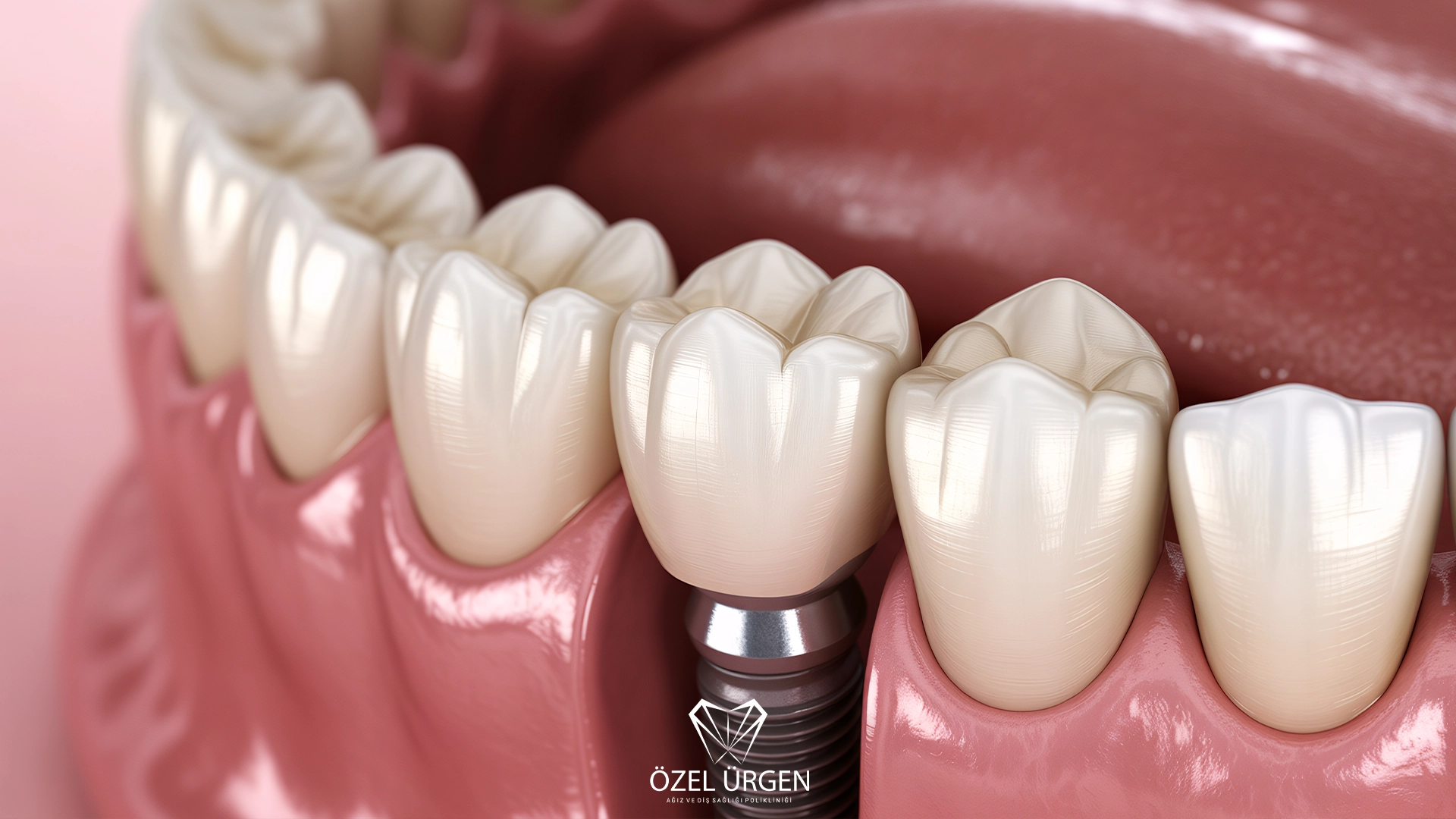
The First 24 Hours After Dental Implant Surgery
The first 24 hours after implant surgery are an important part of the healing process.
After the procedure, patients may experience mild pain, tenderness, swelling, or a small amount of bleeding around the implant area. Following the dentist’s postoperative instructions is important during this period.
Excessive pressure should not be applied to the implant site during the first few days. The surgical area should be protected from trauma, and oral care should be performed according to the dentist’s instructions.
Because postoperative requirements may differ from one patient to another, medications and oral care methods should always be used according to the recommendations of the treating dentist.
What Happens During the First 3 Days After an Implant?
Swelling and tenderness may occur during the first few days after implant placement.
According to Leeds Teaching Hospitals NHS Trust, swelling and bruising following implant surgery may be more noticeable during the first 24–48 hours.
During this period, patients should avoid chewing hard foods directly on the implant area and should continue oral hygiene according to the dentist’s recommendations.
For many patients, postoperative discomfort gradually decreases within several days. However, if pain or swelling continues to increase, signs of infection appear, or an unexpected problem develops, the dentist should be contacted.
What Happens During the First Week After a Dental Implant?
When answering how long does a dental implant take to heal, the first week is an important stage.
Tenderness and swelling around the surgical site are generally expected to decrease significantly during the first week.
According to Cleveland Clinic, the initial recovery period following dental implant surgery may last approximately one week.
If stitches were used, a follow-up appointment may be scheduled depending on the type of sutures and the treatment plan.
Cambridge University Hospitals also notes that patients may be reviewed approximately one week after implant surgery to evaluate healing.
How Long Does the Gum Take to Heal After a Dental Implant?
During implant surgery, the gum tissue surrounding the implant area may be affected by the procedure.
For this reason, patients often wonder how long gum healing takes after implant placement.
Initial gum healing is generally much faster than bone healing. In many patients, the gum tissue around the implant may heal within approximately 1–2 weeks.
However, the fact that the gum appears healed from the outside does not necessarily mean that the implant has fully integrated with the jawbone.
This distinction is especially important when researching how long does a dental implant take to heal.
How Long Does It Take for a Dental Implant to Fuse With the Bone?
One of the most important stages of dental implant treatment is osseointegration.
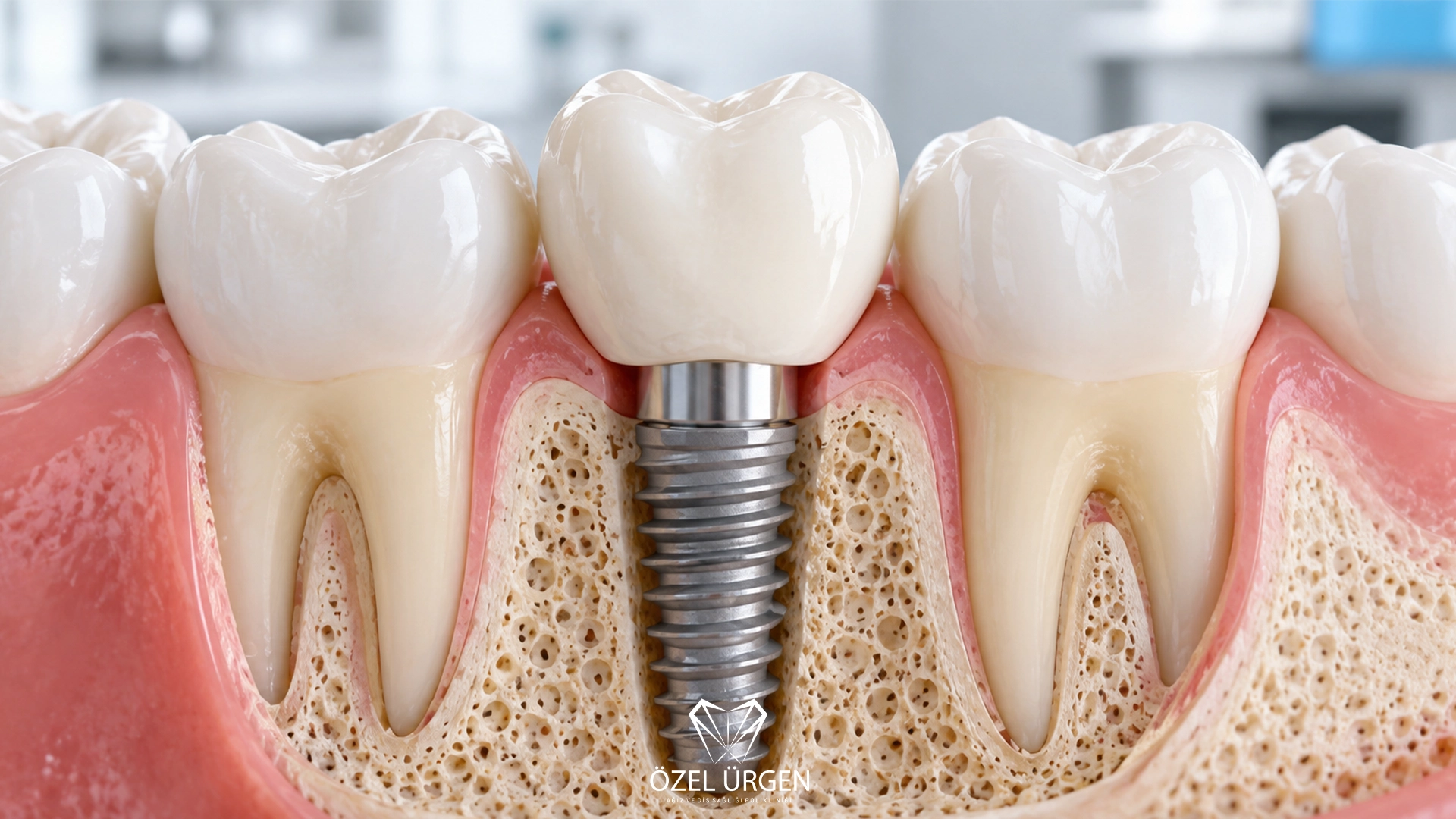
Osseointegration refers to the biological process in which the implant surface integrates with the surrounding jawbone. This process plays an important role in helping the implant become stable and functional.
The time required for an implant to integrate with the bone may vary from patient to patient.
Cleveland Clinic states that osseointegration may take approximately 3–9 months.
Cambridge University Hospitals indicates that healing of the implant within the bone generally takes approximately 3–6 months, although it may take longer in certain cases.
Therefore, when planning the placement of the permanent restoration, dentists do not consider only how much time has passed. The clinical condition of the implant and its integration with the bone must also be evaluated.
What Is Osseointegration?
Osseointegration is a term frequently encountered when researching dental implant treatment.
In simple terms, osseointegration is the process through which the implant develops a stable biological connection with the surrounding bone.
When an implant is first placed, it is mechanically stabilized within the jawbone. However, for long-term function, the bone must heal around the surface of the implant.
Once this process has progressed sufficiently, planning for the prosthetic restoration can begin.
Therefore, osseointegration is one of the most important factors when answering how long does a dental implant take to heal.
What Factors Affect Dental Implant Healing Time?
Dental implant healing time is not the same for every patient because several factors may influence the process.
Condition of the Jawbone
An adequate amount of healthy bone is important for implant treatment planning.
If the bone volume is insufficient, additional procedures such as bone grafting may be required. In such cases, the overall treatment period may become longer.
Cambridge University Hospitals notes that implant treatment may take longer in patients who require bone grafting.
Location of the Implant
The anatomical structure of the upper and lower jaw differs.
Bone density may also vary between the front and back regions of the mouth. Therefore, the location of the implant may influence the healing plan.
General Health
The body’s ability to heal wounds and regenerate bone varies from one person to another.
The patient’s general health condition and medications should therefore be evaluated by the dentist before implant treatment.
Smoking
Smoking is one of the factors that may negatively affect implant healing and the health of oral tissues.
Patient information from Cambridge University Hospitals also notes that smoking may affect the predictability and outcome of implant treatment.
Oral Hygiene
Maintaining proper oral hygiene is essential for protecting the tissues surrounding dental implants.
After surgery, patients should follow the dentist’s instructions regarding how and when the implant area should be cleaned.
Number of Implants
The surgical extent of a single implant procedure may differ from a procedure involving several implants placed during the same appointment.
As a result, tenderness, swelling, and recovery during the first few days may vary depending on the number and complexity of implants placed.
Does Bone Grafting Make Dental Implant Healing Take Longer?
Some patients may not have enough jawbone to support an implant.
In these cases, the dentist may recommend a bone graft procedure.
When bone grafting is performed, additional healing time may be required for new bone formation or for the existing bone to become strong enough to support an implant.
Therefore, the answer to how long does a dental implant take to heal may be different for patients who have undergone bone grafting.
The overall treatment period can be estimated more accurately after clinical examination and radiographic evaluation.
How Long Does Pain Last After a Dental Implant?
It is normal to experience a certain degree of pain or tenderness after dental implant surgery.
Discomfort is generally expected to gradually decrease during the first few days.
Patients should use only medications recommended by their dentist and follow the prescribed instructions carefully.
If pain becomes more severe, continues for an extended period, or is accompanied by significant swelling, fever, or discharge, the patient should contact a dentist.
When Does Swelling Go Down After Dental Implant Surgery?
Swelling may also occur after dental implant surgery.
The amount of swelling can vary depending on the extent of the procedure and may become more noticeable during the first 24–48 hours.
After this period, swelling is generally expected to gradually decrease.
However, if swelling continues to worsen after several days or symptoms suggesting infection develop, evaluation by a dentist is recommended.
When Can You Eat Normally After a Dental Implant?
Patients also frequently ask when they can return to their normal diet following implant treatment.
Immediately after surgery, it may be necessary to avoid hard or very hot foods that could place pressure on the implant site.
During the first few days, soft and easy-to-chew foods may be more comfortable.
The time required to return to a normal diet depends on the extent of the procedure and the individual healing process.
Therefore, personalized dietary recommendations provided by the dentist should always take priority.
How Can You Support Healing After a Dental Implant?
In addition to asking how long does a dental implant take to heal, patients should also understand how to support the recovery process.
After implant treatment, patients should generally:
- Follow all postoperative instructions provided by the dentist.
- Protect the implant area from trauma.
- Maintain proper oral hygiene.
- Attend scheduled follow-up appointments.
- Avoid applying excessive chewing pressure to the implant until approved by the dentist.
- Consider the negative effects of smoking on healing.
- Use prescribed medications only as directed.
Proper and consistent oral care around the implant is important not only during the initial healing period but also for the long-term health of the dental implant.
How Do You Know If a Dental Implant Has Healed?
The disappearance of pain and tenderness may make patients feel that the implant has completely healed.
However, it is not possible to determine whether the implant has fully integrated with the bone based only on how it feels.
During follow-up examinations, the dentist evaluates the clinical condition and stability of the implant.
Radiographic imaging may also be used when necessary.
Once the implant has reached sufficient stability, the prosthetic stage of treatment can be planned.
Therefore, the decision to place the permanent restoration is not based solely on statements such as “three months have passed” or “six months have passed.”
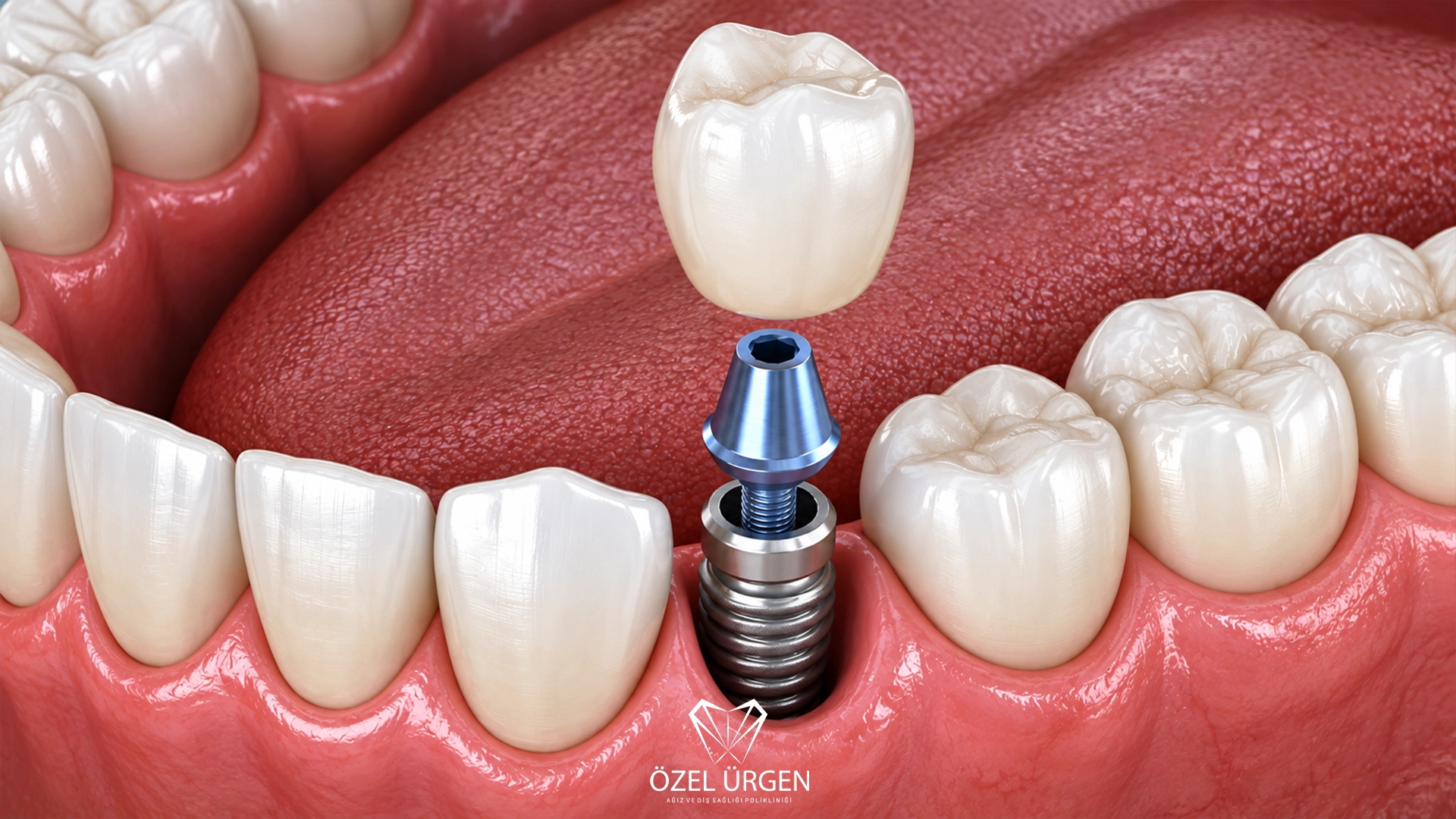
When Is the Permanent Tooth Placed on the Implant?
The timing of permanent crown placement depends on the patient’s treatment plan.
With conventional implant treatment, sufficient integration between the implant and jawbone is usually allowed to occur before the prosthetic stage begins.
In certain suitable cases, temporary teeth or different loading protocols may be possible.
However, not every patient is suitable for immediate or early loading.
Bone quality, primary implant stability, the location of the implant, and the planned restoration should all be evaluated before making this decision.
What Happens If a Dental Implant Does Not Heal Properly?
Most dental implants successfully integrate with the jawbone.
However, in some situations, an implant may not achieve the expected degree of osseointegration.
If mobility, persistent pain, infection, or another problem around the implant is detected, the implant should be evaluated by a dentist.
According to Cambridge University Hospitals, an implant that does not integrate successfully with the jawbone may sometimes need to be removed.
Depending on the cause of the problem, another implant may potentially be considered after the area has healed.
For this reason, regular dental implant follow-up appointments should not be neglected.
When Should You Contact a Dentist After Implant Surgery?
A certain degree of swelling, tenderness, and discomfort may occur after dental implant treatment.
However, some symptoms require professional evaluation.
Patients should contact their dentist if they experience:
- Increasing or persistent pain
- Significant or worsening swelling
- Discharge from the implant area
- Fever or general illness
- Uncontrolled bleeding
- A feeling that the implant is moving
- Unexpected or persistent numbness of the lips, jaw, or tongue
Early evaluation may help identify potential complications and determine whether additional treatment is necessary.
Frequently Asked Questions
How Many Months Does a Dental Implant Take to Heal Completely?
There is no single answer to how long does a dental implant take to heal because recovery depends on the individual patient.
The gums may heal within approximately 1–2 weeks, while integration between the implant and jawbone generally requires several months.
Depending on the case, different medical sources describe healing periods ranging from approximately 2 to 9 months.
Can a Dental Implant Heal in 1 Month?
The gums and surgical tissues may heal significantly within one month.
However, complete integration between the implant and the bone usually takes longer.
Therefore, an implant may appear healed externally while osseointegration is still continuing underneath the gum.
How Many Months Does It Take for an Implant to Fuse With the Bone?
Bone integration generally takes several months.
Some clinical information describes a period of approximately 3–6 months, while certain cases may require 3–9 months depending on the patient’s condition.
Is Pain Normal After a Dental Implant?
A certain level of pain and tenderness may be expected during the first few days after surgery.
However, pain that becomes more severe or continues for an unusually long period should be evaluated by a dentist.
How Long Does Swelling Last After Dental Implant Surgery?
Swelling may be most noticeable during the first 24–48 hours after surgery.
Afterward, it is generally expected to gradually decrease.
If swelling continues to increase after several days, the patient should contact a dental professional.
When Can I Return to Work After a Dental Implant?
This depends on the extent of the surgical procedure and the type of work performed by the patient.
Some patients undergoing a relatively simple implant procedure may be able to return to normal activities within a short period.
However, recovery recommendations should always be individualized.
How Long Does a Dental Implant Take to Heal? Summary
In conclusion, there is no single timeframe that can answer how long does a dental implant take to heal for every patient.
In general, the dental implant healing process may look like this:
First Few Days:
Pain, tenderness, and swelling may occur.
Approximately 1–2 Weeks:
The gums and surgical tissues may undergo initial healing.
Several Months:
Osseointegration between the implant and jawbone continues.
Final Stage:
Once the dentist determines that the implant has healed sufficiently and achieved adequate stability, the permanent prosthetic restoration may be planned.
Every patient has a different jawbone structure, oral health condition, and treatment requirement.
For this reason, the most accurate answer to how long does a dental implant take to heal can only be provided after an oral examination and, when necessary, radiographic evaluation.
At Ürgen Oral and Dental Health Polyclinic, the teeth, gums, and jawbone can be evaluated before dental implant treatment to create a personalized treatment plan.
If you are considering dental implant treatment, you can schedule a dental examination to learn more about the treatment stages, estimated healing period, and suitable treatment options for your individual needs.
This content is intended for general informational purposes only and does not replace professional diagnosis or personalized dental treatment. Always follow the recommendations of your dentist regarding dental implant treatment and postoperative care.
Bu İngilizce sürüm, gönderdiğin Türkçe makalenin yapısını, aşamalarını, SSS bölümünü ve klinik yönlendirmesini koruyor. Pasted markdown