


What Is a Dental Filling? Types, Procedure, Benefits and Aftercare
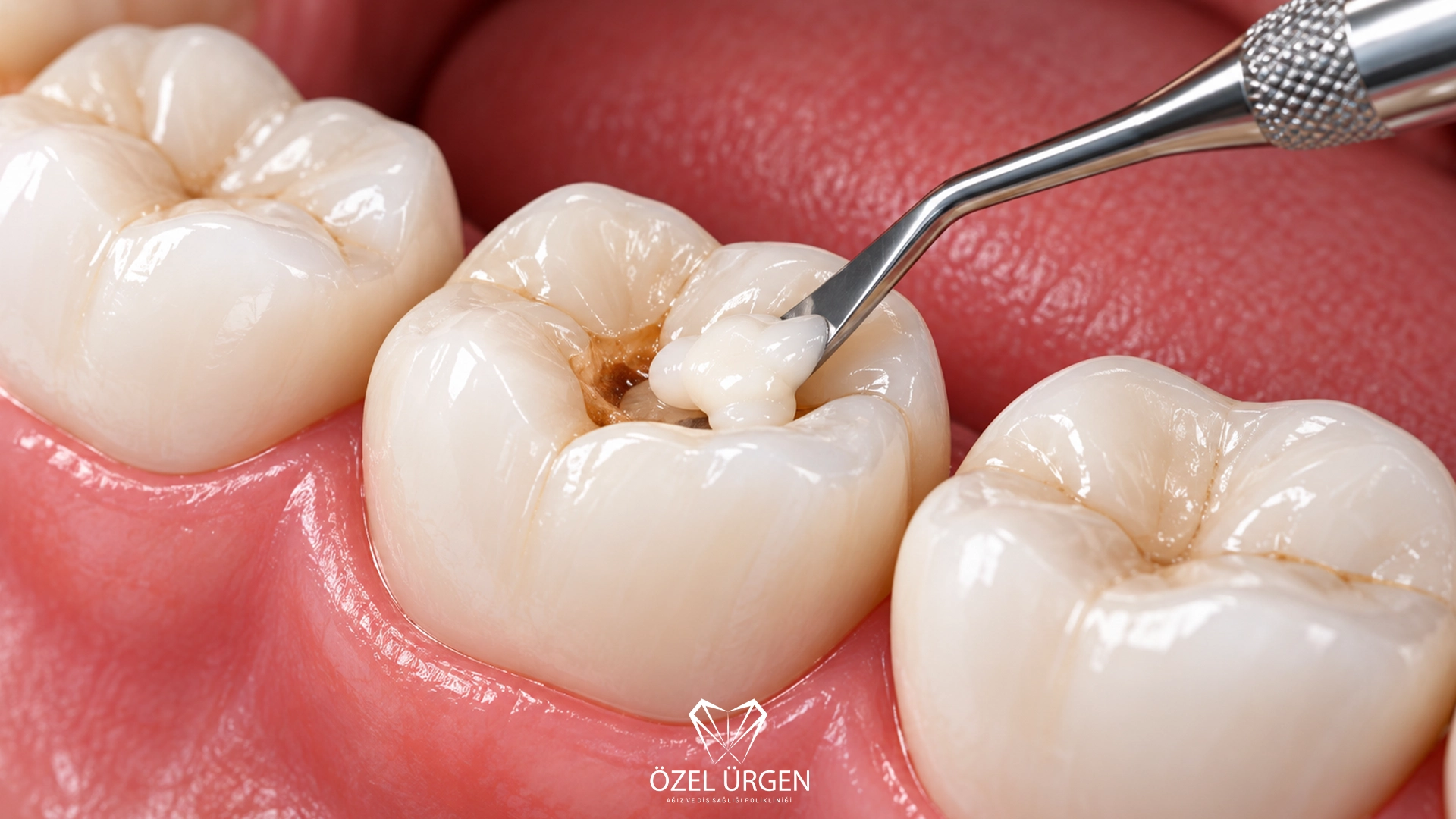
What is a dental filling? A dental filling is a restorative dental treatment used to repair teeth damaged by decay, fractures, wear, or other forms of tooth structure loss. The procedure involves preparing the affected area and restoring the missing tooth structure using an appropriate dental material.
Dental fillings play an important role in preserving natural teeth and supporting oral health. Modern restorative dentistry offers a variety of materials designed to restore tooth function, shape, and, when appropriate, natural appearance.
Tooth decay often develops gradually and may not cause noticeable symptoms in its early stages. As the condition progresses, however, patients may experience tooth sensitivity, discomfort while chewing, or persistent dental pain.
Early diagnosis and appropriate treatment can help preserve more natural tooth structure and reduce the likelihood of extensive restorative procedures.
So, what is a dental filling, how is the procedure performed, and what types of dental fillings are available? Are fillings painful, how long do they last, and what should patients do after treatment?
In this comprehensive guide prepared for ÜRGEN Oral and Dental Health Polyclinic, we explain the dental filling procedure, available materials, recovery considerations, and the most frequently asked questions.
What Is a Dental Filling and Why Is It Necessary?
Understanding what is a dental filling begins with recognizing how teeth become damaged.
Teeth are composed of several important structures, including enamel, dentin, pulp, and root tissues.
Enamel is the hard outer layer that protects the tooth. Although it is highly mineralized, enamel can gradually lose minerals when exposed to acids produced by bacteria in dental plaque.
These bacteria metabolize sugars from food and drinks, producing acids that can damage the tooth surface.
During the earliest stages of tooth decay, preventive measures such as fluoride treatment may support remineralization.
However, when a cavity develops, restorative treatment is often necessary.
A dental filling replaces missing or damaged tooth structure with a suitable material to restore the tooth’s form and function.
Main Purposes of Dental Fillings
Dental fillings may be recommended to:
- Repair cavities caused by dental decay.
- Restore teeth affected by small fractures.
- Improve chewing function.
- Replace missing tooth structure.
- Restore tooth shape and appearance.
- Protect remaining healthy tooth structure.
- Repair specific types of tooth wear.
- Support the long-term preservation of natural teeth.
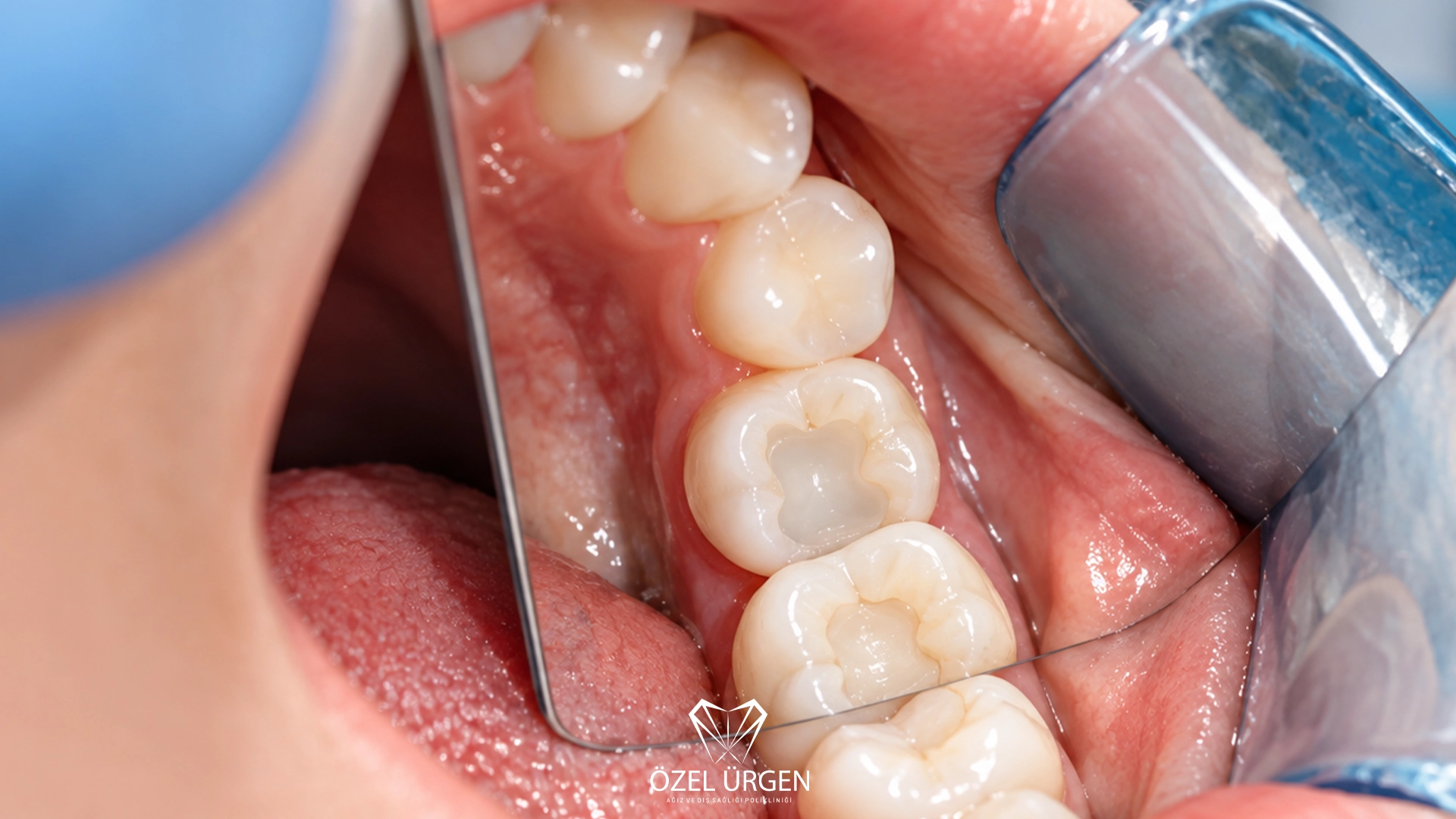
A filling is not suitable for every damaged tooth. The extent of the damage, remaining tooth structure, and condition of the dental pulp determine whether a filling or another treatment is appropriate.
When Is a Dental Filling Needed?
Patients researching what is a dental filling often want to know which symptoms or dental conditions may require treatment.
A dentist may recommend a filling in several situations.
Tooth Decay
Dental caries is one of the most common reasons for placing a filling.
When decay causes a cavity, the affected area may need to be prepared and restored.
Untreated cavities can continue progressing and may eventually affect deeper tooth structures.
Chipped or Broken Teeth
Dental trauma, biting hard objects, or accidental impacts can cause tooth fractures.
Depending on the size and location of the damage, composite resin may be used to restore the missing area.
More extensive fractures may require other restorative treatments.
Tooth Wear
Tooth grinding, frequent exposure to acidic substances, and certain brushing habits may contribute to tooth wear.
In suitable cases, dental fillings can restore areas where tooth structure has been lost.
The underlying cause of the wear should also be addressed.
Damaged Existing Fillings
Older fillings may become worn, fractured, or defective over time.
A dentist may recommend repairing or replacing a restoration when clinically necessary.
However, an intact filling does not automatically need replacement simply because it is old.
Cosmetic Dental Restoration
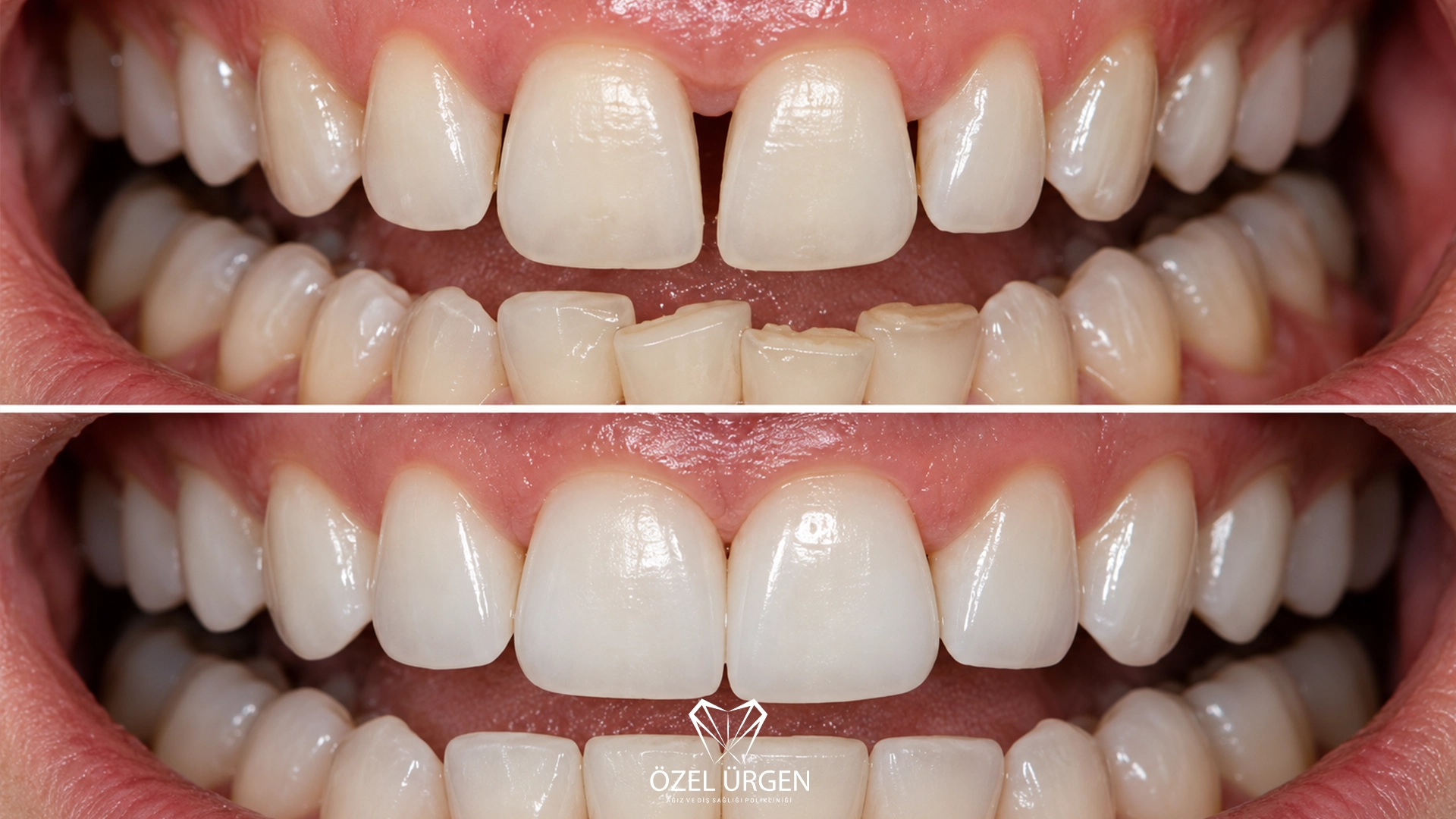
Small gaps, minor chips, and certain irregularities may be corrected using tooth-colored restorative materials.
These procedures should be planned according to the condition of the teeth and the patient’s oral health needs.
Types of Dental Fillings
An important part of understanding what is a dental filling is learning about the materials used in restorative dentistry.
Different filling materials offer distinct characteristics in terms of appearance, strength, application, and clinical suitability.
The choice depends on the tooth’s location, extent of damage, chewing forces, and the patient’s individual needs.
1. Composite Resin Fillings
Composite resin fillings are tooth-colored restorations made from resin-based materials containing reinforcing particles.
They can be selected to closely match the appearance of natural teeth.
Composite fillings are frequently used for both front and back teeth when clinically appropriate.
Advantages of composite fillings include:
- Natural-looking appearance.
- Availability in different tooth shades.
- Adhesive bonding to dental tissues.
- Suitability for many small and medium-sized restorations.
- The possibility of repairing certain defects.
- Completion in one appointment in many cases.
Composite fillings require appropriate handling and moisture control during placement.
Their durability depends on the restoration’s size, location, and the patient’s oral habits.
2. Amalgam Fillings
Dental amalgam is a metallic restorative material that has historically been used in posterior teeth.
It contains a combination of metals, including mercury.
Amalgam has been used because of its mechanical properties, but its use is subject to health, environmental, and regulatory considerations.
Recommendations and restrictions vary between jurisdictions.
Existing amalgam fillings that are intact and functioning properly generally should not be removed without a clinical reason.
Patients should discuss material choices and possible alternatives with their dentist.
3. Glass Ionomer Fillings
Glass ionomer materials are commonly associated with fluoride release.
They may be considered for selected pediatric restorations, certain cervical lesions, and areas exposed to relatively limited chewing forces.
Their mechanical characteristics mean they may not be appropriate for every large or heavily loaded restoration.
4. Ceramic Restorations
Ceramic materials can provide aesthetic restorations that imitate natural tooth color and shape.
Indirect ceramic restorations, including inlays and onlays, may be considered when a tooth has lost a substantial amount of structure.
These restorations may be manufactured using laboratory or digital technologies.
They generally differ from traditional direct fillings in their preparation and placement processes.
5. Temporary Fillings
Temporary fillings are placed when the tooth requires protection between treatment appointments.
They may be used during certain root canal procedures or while a permanent restoration is being prepared.
Patients should follow their dentist’s instructions regarding chewing and the recommended replacement appointment.
How Is a Dental Filling Done?
Understanding what is a dental filling also involves knowing what happens during the appointment.
Although individual treatments vary, a typical direct filling procedure involves several stages.
Step 1: Dental Examination
The dentist examines the affected tooth and evaluates the patient’s symptoms.
Dental X-rays may be recommended when necessary to assess the extent of decay and surrounding structures.
The examination helps determine whether a filling is sufficient or another treatment is required.
Step 2: Local Anesthesia
Local anesthesia may be administered to control pain during the procedure.
Not every small filling requires anesthesia.
The need depends on the depth of the cavity, the treatment area, and the patient’s sensitivity.
Step 3: Removal of Affected Tooth Structure
The dentist prepares the tooth and removes decayed tissue as clinically appropriate.
Modern restorative approaches aim to preserve as much healthy tooth structure as possible.
Deep cavities may require particular care to protect the dental pulp.
Step 4: Tooth Preparation
The prepared tooth is conditioned according to the selected restorative material.
For composite fillings, appropriate bonding procedures and moisture control are important.
Isolation techniques may be used to protect the treatment area from saliva.
Step 5: Placement of the Filling
The dentist places and shapes the filling material.
Composite materials are commonly hardened using a dental curing light.
The restoration is formed to reproduce the required tooth anatomy.
Step 6: Bite Adjustment and Polishing
The dentist checks how the restored tooth contacts opposing teeth.
Adjustments may be made if the filling feels too high.
The restoration may then be finished and polished to improve its surface characteristics.
Does Getting a Dental Filling Hurt?
A common question related to what is a dental filling is whether the procedure causes pain.
When local anesthesia is needed, it usually helps control pain during treatment.
Patients may still notice pressure, vibration, or movement.
These sensations are different from sharp pain.
Anyone experiencing significant discomfort during treatment should inform their dentist.
Mild sensitivity after a filling can occur, particularly when the cavity was deep.
However, severe, spontaneous, or progressively worsening pain requires professional assessment.
How Long Does a Dental Filling Take?
The treatment duration depends on several factors:
- Size and depth of the cavity.
- Location of the tooth.
- Number of tooth surfaces involved.
- Type of restorative material.
- Need for anesthesia.
- Number of teeth requiring treatment.
- Additional clinical procedures.
Many straightforward direct fillings can be completed during a single visit.
A relatively simple procedure may take approximately 20–40 minutes, although individual appointments can be shorter or longer.
Indirect restorations may require additional appointments or digital manufacturing steps.
The dentist can provide a more appropriate estimate after examination.
How Long Do Dental Fillings Last?
When discussing what is a dental filling, patients frequently ask how long the restoration will remain functional.
There is no universal lifespan that applies to every dental filling.
Some restorations remain functional for many years, while others require earlier repair or replacement.
Factors Affecting Filling Longevity
Filling Material
Different materials have different mechanical and clinical characteristics.
Restoration Size
Larger fillings may face greater mechanical demands than smaller restorations.
Tooth Location
Back teeth typically experience substantial chewing forces.
Oral Hygiene
Effective brushing and interdental cleaning help reduce the risk of new decay around restorations.
Teeth Grinding
Bruxism can increase mechanical stress on teeth and fillings.
Dietary Habits
Frequent sugar exposure can increase the risk of dental caries.
Regular Dental Examinations
Professional assessments can help identify defects or recurring decay.
A filling should be evaluated if it becomes loose, fractured, painful, or difficult to clean.
What to Do After a Dental Filling
Dental filling aftercare helps protect the restoration and improve comfort following treatment.
Wait Until Numbness Wears Off
If local anesthesia was administered, the lips, cheek, or tongue may remain numb temporarily.
Eating before sensation returns can increase the risk of accidentally biting soft tissues.
Follow Material-Specific Instructions
Light-cured composite fillings harden during treatment.
However, patients should still follow their dentist’s advice regarding eating, chewing, and sensitivity.
Other materials may have different setting characteristics.
Maintain Good Oral Hygiene
Filled teeth require regular oral care.
Patients should brush twice daily with fluoride toothpaste and clean between the teeth using an appropriate method.
Avoid Using Teeth as Tools
Biting extremely hard objects or using teeth to open packages can damage natural teeth and restorations.
Report an Uneven Bite
A filling that contacts opposing teeth prematurely may cause discomfort while chewing.
The dentist can assess and adjust the restoration when appropriate.
Is Tooth Sensitivity Normal After a Filling?
Some patients experience temporary sensitivity to hot or cold temperatures following dental treatment.
This can happen when the affected tooth was already irritated by decay or when the cavity was relatively deep.
Mild symptoms may gradually improve.
However, patients should seek dental advice when experiencing:
- Increasing tooth pain.
- Spontaneous pain.
- Pain that interrupts sleep.
- Persistent pain when biting.
- Sensitivity that continues long after a temperature stimulus is removed.
- Swelling or fever.
- A fractured or dislodged filling.
Rapidly increasing facial swelling or difficulty breathing or swallowing requires urgent medical attention.
These symptoms may indicate a condition requiring treatment beyond a routine filling adjustment.
Dental Filling vs. Root Canal Treatment
Dental fillings and root canal treatment address different dental problems.
Dental Filling
A filling generally repairs damaged or missing hard tooth structure.
It may be suitable when the remaining tooth structure and pulp condition allow the tooth to be restored without root canal treatment.
Root Canal Treatment
Root canal treatment may be required when the pulp becomes irreversibly inflamed or infected.
During treatment, the affected pulp tissue is removed, root canals are cleaned, and the canals are filled and sealed.
Not every deep cavity requires root canal treatment.
The decision depends on clinical examination, diagnostic testing, and appropriate imaging.
Front Tooth Fillings vs. Back Tooth Fillings
The position of a tooth influences the requirements of a restoration.
Front Tooth Fillings
For front teeth, aesthetic appearance is particularly important.
Composite materials can be selected to match the natural tooth shade.
These restorations may be used to repair minor chips, fractures, or suitable cosmetic irregularities.
Back Tooth Fillings
Posterior teeth experience substantial chewing forces.
The size of the restoration, the remaining tooth structure, and the patient’s bite should be considered.
For extensive damage, an onlay or crown may sometimes provide a more suitable restorative option.
Can Children Have Dental Fillings?
Yes. Children may need fillings in primary or permanent teeth when clinically indicated.
Primary teeth are important for chewing, speech development, and helping guide the eruption of permanent teeth.
For this reason, untreated decay in baby teeth should not automatically be ignored.
The dentist evaluates the child’s age, the affected tooth, the extent of decay, and other relevant factors.
Depending on the circumstances, preventive care, restorative treatment, or another intervention may be recommended.
Regular dental assessments help identify problems at earlier stages.
Can You Get a Dental Filling During Pregnancy?
Dental treatment may be necessary during pregnancy.
Appropriate restorative procedures can be planned with consideration of the patient’s health, pregnancy, materials, and medication needs.
Pregnant patients should inform the dentist about their pregnancy and any relevant medical circumstances.
The dentist can determine suitable treatment methods and coordinate with other healthcare professionals when appropriate.
Necessary dental care should not be postponed without professional advice, particularly when pain or infection is present.
What Happens If a Dental Filling Falls Out?
A filling may become dislodged because of wear, fracture, trauma, or changes in the underlying tooth.
A missing filling can expose vulnerable tooth structure and may cause sensitivity.
If a filling falls out:
- Contact a dentist to arrange an assessment.
- Avoid chewing hard foods on the affected tooth.
- Keep the area clean.
- Avoid foods or temperatures that trigger discomfort.
- Do not use household adhesives to reattach the filling.
The dentist will evaluate whether another filling is appropriate or whether a different restoration is necessary.
What Determines Dental Filling Costs?
The cost of a dental filling varies according to the treatment requirements.
Factors may include:
- Number of teeth requiring restoration.
- Size and depth of the cavity.
- Number of tooth surfaces involved.
- Material selected.
- Tooth location.
- Need for additional diagnostic or restorative procedures.
An accurate treatment plan and corresponding cost assessment generally require a clinical examination.
Patients should discuss available treatment options and associated expenses with their dental provider.
How to Prevent Tooth Decay and Future Fillings
Preventive dental care is essential for maintaining oral health.
Although restorations repair existing damage, preventing new decay remains an important long-term goal.
Brush Twice Daily
Use fluoride toothpaste and an appropriate brushing technique.
Clean Between Your Teeth
Dental floss or other interdental cleaning tools can help remove plaque from areas that a toothbrush cannot easily reach.
Reduce Frequent Sugar Exposure
Frequent consumption of sugary foods and drinks increases the risk of tooth decay.
Attend Regular Dental Assessments
Dental examinations allow clinicians to evaluate teeth, restorations, and individual risk factors.
The recommended interval depends on the patient’s oral health needs.
Address Teeth Grinding
Patients who grind or clench their teeth should discuss the issue with their dentist.
Appropriate management may help reduce excessive forces on teeth and restorations.
Dental Filling Information at ÜRGEN Oral and Dental Health Polyclinic
Understanding what is a dental filling can help patients make informed decisions about their oral healthcare.
Each patient has different dental needs. The extent of decay, the remaining tooth structure, the condition of the pulp, and the patient’s oral habits all influence treatment planning.
ÜRGEN Oral and Dental Health Polyclinic provides a point of contact for patients seeking information about dental fillings and other oral healthcare concerns.
Patients experiencing tooth sensitivity, suspected cavities, broken teeth, or problems with existing fillings can seek a professional dental examination to discuss appropriate treatment options.
Preserving natural teeth and maintaining long-term oral health require both suitable clinical care and consistent daily hygiene practices.
Frequently Asked Questions About Dental Fillings
What is a dental filling?
What is a dental filling? It is a restorative procedure used to repair tooth structure damaged by decay, wear, or fractures using suitable dental materials.
Are dental fillings painful?
Local anesthesia can be used to manage pain when necessary. Temporary sensitivity may occur afterward.
How long does a dental filling last?
The lifespan depends on the material, restoration size, chewing forces, oral hygiene, and other individual factors.
Can I eat after a dental filling?
Eating instructions depend on the material and whether anesthesia was used. Patients should generally avoid chewing while their mouth remains numb.
Can a filled tooth develop decay again?
Yes. New decay can develop around the margins of a filling, particularly when oral hygiene is inadequate or other risk factors are present.
Are white dental fillings durable?
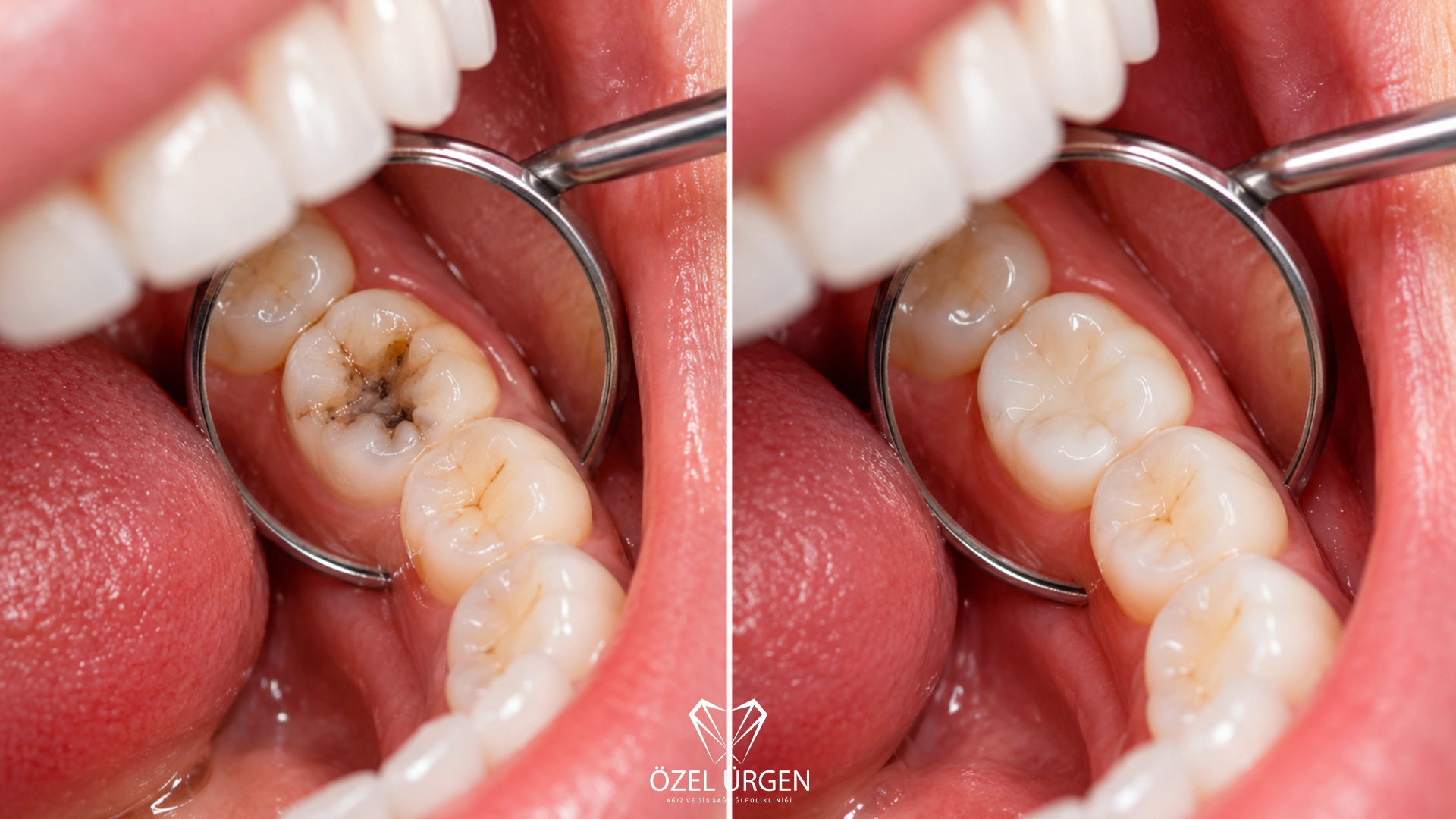
Composite fillings can provide durable restorations in suitable clinical situations. Longevity depends on many factors.
Can a filling replace a large portion of a tooth?
In some cases, extensive tooth structure loss may require an indirect restoration or crown instead of a traditional direct filling.
Can children receive dental fillings?
Yes. Dentists may recommend fillings for primary or permanent teeth when necessary.
Can a pregnant patient receive a dental filling?
Necessary dental treatment can generally be planned during pregnancy with appropriate clinical precautions.
Should an old filling always be replaced?
No. A restoration should be evaluated according to its condition, not simply its age.
What should I do if my filling feels too high?
Contact your dentist. An occlusal adjustment may be necessary.
Is a dental filling better than a root canal?
These treatments have different indications. The correct approach depends on the tooth’s condition and the health of its pulp.
Conclusion: What Is a Dental Filling and Why Is It Important?
What is a dental filling? It is an important restorative dental procedure designed to repair damaged tooth structure and support the preservation of natural teeth.
Modern dental fillings use different materials, including composite resin, glass ionomer, amalgam, and ceramic restorations. Each material has specific indications and limitations.
Choosing an appropriate restoration requires a detailed evaluation of the tooth’s condition, location, remaining structure, and functional demands.
Patients can support the longevity of their restorations through regular brushing, interdental cleaning, appropriate dietary habits, and professional dental assessments.
At ÜRGEN Oral and Dental Health Polyclinic, patients can seek information about dental filling treatment and arrange an evaluation for concerns affecting their oral health.
Medical disclaimer: This article is intended for general educational purposes only and does not replace professional dental diagnosis or individualized treatment advice.
Comments are closed