


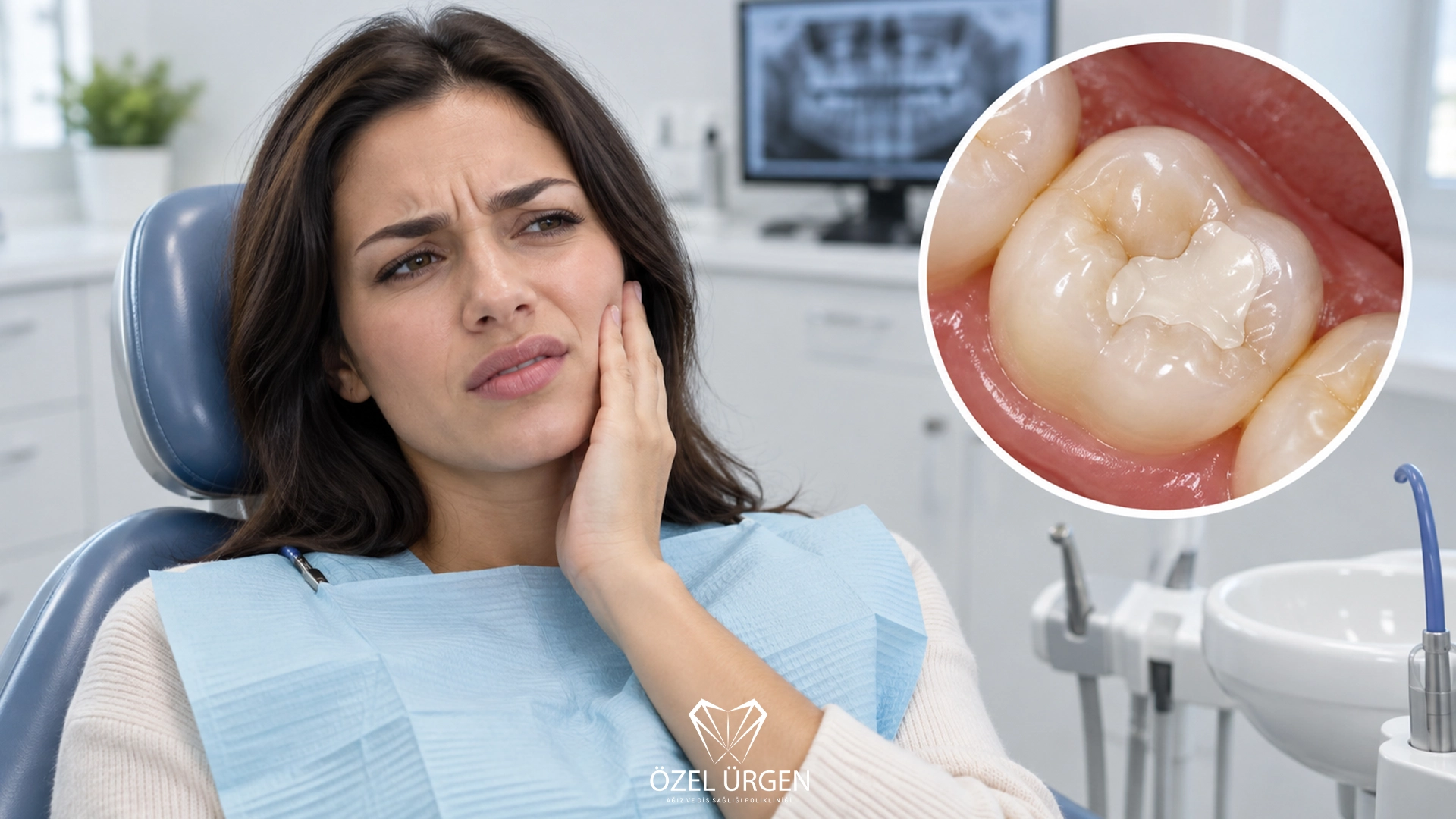
Tooth Pain After Filling: Causes, Duration, and How to Relieve It
Dental fillings are among the most commonly performed restorative dental treatments. They help repair teeth damaged by cavities, fractures, or other structural problems while restoring their natural appearance and function. Although dental fillings are generally straightforward procedures, some patients experience discomfort, sensitivity, or pain after treatment.
This often raises an important question: Why does tooth pain after filling occur, and how long does it take to disappear?
Tooth pain after filling can develop for several reasons, including temporary irritation of the dental pulp, sensitivity caused by deep cavities, an uneven filling, or changes in how the teeth come together when biting. In many cases, mild discomfort gradually improves as the tooth recovers from the procedure.
However, persistent, worsening, or severe pain may indicate an underlying problem that requires professional dental evaluation.
Understanding the possible causes of discomfort can help patients distinguish between normal post-treatment sensitivity and symptoms that should not be ignored.
In this comprehensive guide prepared for Ürgen Oral and Dental Health Polyclinic, we explain why dental fillings may cause discomfort, how long sensitivity can last, which symptoms require attention, and what patients can do to support recovery.
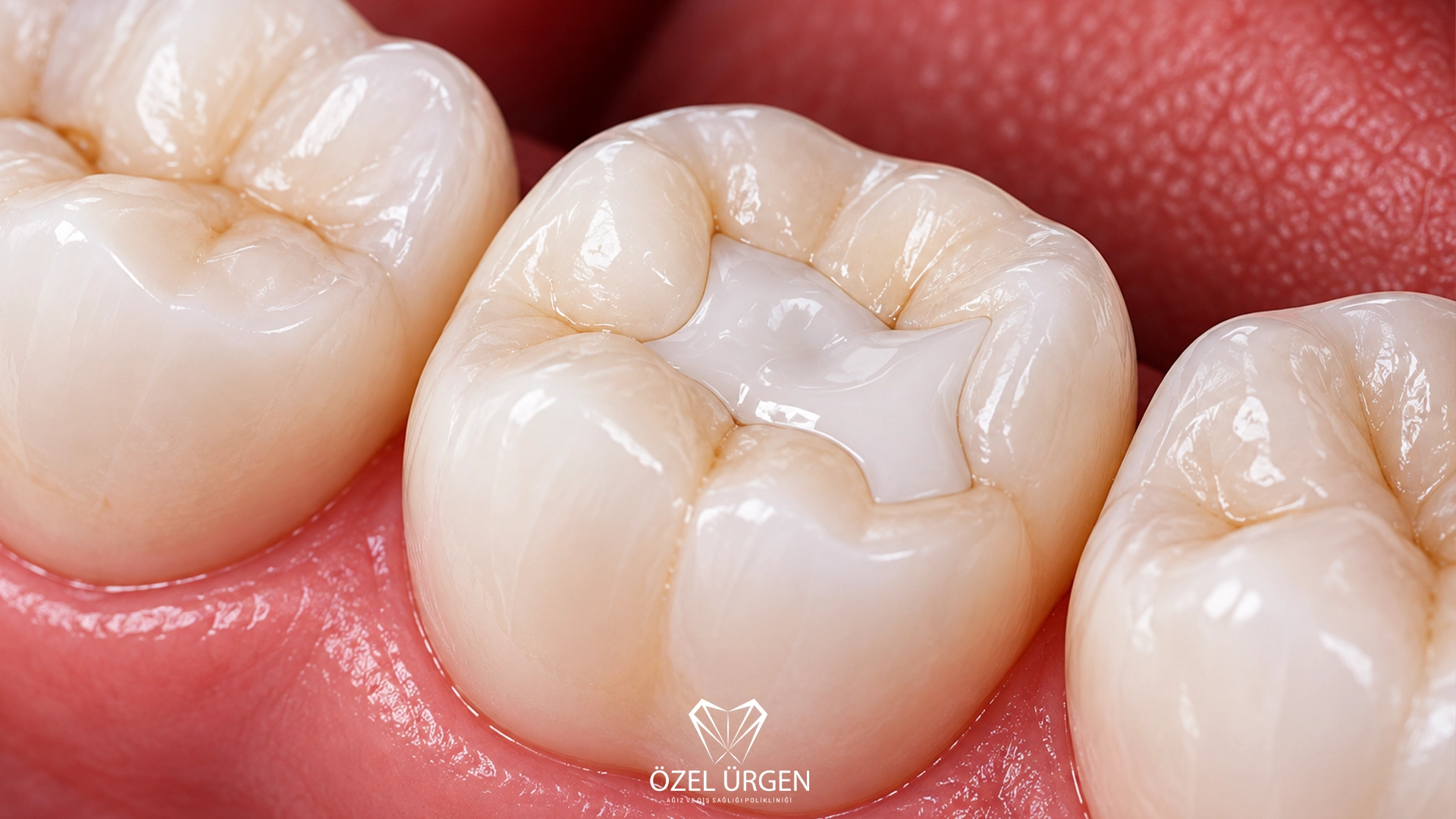
Is Tooth Pain After a Filling Normal?
Experiencing mild sensitivity or discomfort following a dental filling is relatively common.
During a filling procedure, the dentist removes damaged or decayed tooth structure and restores the affected area using an appropriate dental material. Although the purpose of the procedure is to protect the tooth, the treatment may temporarily irritate the surrounding tissues.
The inner part of the tooth contains a soft tissue known as the dental pulp. This tissue includes nerves, blood vessels, and other structures that help maintain the tooth’s vitality.
When a cavity is deep or the filling is placed close to the pulp, temporary irritation may occur.
Common symptoms after dental filling treatment include:
- Mild discomfort when chewing.
- Temporary sensitivity to cold drinks.
- Short episodes of sensitivity to hot foods.
- Slight tenderness around the treated tooth.
- Mild discomfort when biting down.
- Sensitivity that gradually decreases over time.
In many cases, tooth pain after filling begins to improve within a few days. Some patients, particularly those who have received deep fillings, may experience sensitivity for several weeks.
However, pain that becomes progressively worse, occurs without an obvious trigger, or interrupts sleep should not be considered a routine part of recovery.
A dentist should evaluate these symptoms to determine whether further treatment is necessary.
What Causes Tooth Pain After Filling?
There are several possible explanations for discomfort following restorative dental treatment.
The exact cause depends on factors such as the depth of the cavity, the condition of the tooth before treatment, the filling material, and the patient’s individual sensitivity.
Understanding these causes is essential for identifying the most appropriate solution.
1. Temporary Irritation of the Dental Pulp
One of the most common causes of tooth pain after filling is temporary irritation of the dental pulp.
The pulp is the living tissue located inside the tooth. It contains nerves and blood vessels that respond to pressure, temperature changes, and other stimuli.
During dental treatment, the removal of decayed tissue and preparation of the tooth can temporarily affect the pulp.
This is particularly relevant when the cavity extends deep into the tooth structure.
As a result, patients may experience short episodes of discomfort when drinking cold water, eating hot foods, or applying pressure to the treated tooth.
In cases of temporary inflammation, the pulp may gradually recover.
However, if the irritation is severe or the pulp has been permanently damaged, additional treatment may be required.
2. A Filling That Is Too High
An uneven or excessively high filling is another potential cause of discomfort after dental treatment.
When a filling is placed, it must fit properly within the patient’s natural bite.
If the filling is slightly higher than the surrounding teeth, it may receive excessive pressure during chewing.
This additional force can irritate the tissues supporting the tooth.
Common signs of a high filling include:
- Pain when biting down.
- A feeling that the treated tooth touches first.
- Discomfort while chewing solid foods.
- Increased pressure on the restored tooth.
- Tenderness when the teeth come together.
A high filling can make ordinary activities such as eating uncomfortable.
Fortunately, this problem can often be corrected through a professional bite adjustment.
During the examination, the dentist checks how the upper and lower teeth contact each other and makes any necessary adjustments to the restoration.
Patients should not attempt to adjust or file a filling themselves.
3. Deep Tooth Decay Before Treatment
The depth of the original cavity significantly influences how a tooth responds after a filling.
When tooth decay is limited to the outer enamel or superficial dentin, post-treatment sensitivity may be minimal.
However, deeper cavities extend closer to the dental pulp.
Removing decay from these areas can produce a stronger inflammatory response.
Some patients may therefore experience sensitivity for a longer period after treatment.
Deep cavities can also affect the pulp before the filling is placed.
This means discomfort after treatment may be related to damage that already existed inside the tooth rather than the filling procedure itself.
If symptoms gradually decrease, the tooth may be recovering.
If spontaneous, prolonged, or worsening pain develops, the dentist may need to assess the health of the pulp.
4. Sensitivity Related to Filling Materials
Modern dentistry uses several restorative materials, including tooth-colored composite resin and other appropriate materials.
Composite fillings are widely preferred because they can closely match the appearance of natural teeth.
Nevertheless, some patients experience temporary sensitivity after composite restorations.
This sensitivity may be associated with the tooth’s response to the procedure, the depth of the restoration, or the adaptation of the filling.
It is important to understand that discomfort does not necessarily mean that the filling material is defective or unsuitable.
A professional examination can help determine whether the sensitivity is temporary or related to another problem.
5. Problems Along the Filling Margins
A successful dental filling should fit closely against the surrounding tooth structure.
If gaps or irregularities develop around the restoration, the tooth may become sensitive to temperature changes or certain foods.
Patients may notice discomfort when consuming cold drinks, hot beverages, or sweet foods.
In some cases, marginal problems may also allow bacteria and fluids to penetrate areas around the restoration.
These issues cannot always be identified by looking at the tooth.
Therefore, persistent sensitivity should be assessed by a dentist, who can examine the restoration and determine whether repair or replacement is necessary.
6. Inflammation of the Dental Pulp
Pulpitis refers to inflammation of the soft tissue inside the tooth.
It may develop because of deep tooth decay, dental trauma, or other factors that affect the pulp.
Dentists generally distinguish between reversible and irreversible pulpitis.
Reversible pulpitis: The inflammation is mild enough that the pulp may recover once the source of irritation is removed.
Irreversible pulpitis: The pulp is affected to a degree that prevents it from recovering normally. Root canal treatment may be necessary to preserve the tooth.
Symptoms that may suggest more significant pulp inflammation include prolonged sensitivity, spontaneous pain, and severe discomfort that interrupts sleep.
However, symptoms alone are not sufficient to establish a diagnosis.
A dentist must perform a clinical examination and appropriate diagnostic tests before recommending treatment.
7. Cracks or Existing Structural Damage
Sometimes, a tooth contains small cracks that are difficult to detect during an ordinary visual examination.
These cracks may already be present before the filling is performed.
When pressure is applied during chewing, a crack may cause sharp discomfort.
Some patients experience pain when biting into food, while others notice pain when releasing biting pressure.
Temperature changes may also trigger sensitivity.
If a cracked tooth is suspected, the dentist may perform specific examinations and tests to identify the problem.
How Long Does Tooth Pain After Filling Last?
One of the most frequently asked questions is: How long does tooth pain after filling last?
The duration varies depending on the condition of the tooth, the extent of treatment, and the cause of discomfort.
There is no single recovery period that applies to every patient.
During the First 24 Hours
After the procedure, the local anesthetic gradually wears off.
Patients may notice mild tenderness or sensitivity as normal sensation returns.
If anesthesia was used, chewing should be avoided until the numbness has disappeared to prevent accidental injury to the lips, cheeks, or tongue.
During the First 2–3 Days
Mild sensitivity to temperature changes or chewing pressure may continue.
For many patients, symptoms begin to improve during this period.
During the First Week
Sensitivity often becomes less noticeable as the tooth adapts following the restoration.
Patients should generally notice a gradual reduction in discomfort.
However, increasing pain is not an expected sign of normal recovery.
After 1–2 Weeks
Some patients continue experiencing mild sensitivity, especially after deep fillings.
If discomfort is not improving, a dental examination is advisable.
After 2–4 Weeks
Certain cases of temporary sensitivity can take several weeks to resolve.
However, prolonged discomfort should not automatically be considered normal.
If pain persists, becomes severe, or develops without an obvious trigger, professional evaluation is recommended.
Tooth pain after filling should be assessed according to its severity and progression rather than its duration alone.
Why Does a Tooth Throb After a Filling?
Throbbing tooth pain after a filling may occur for different reasons.
Temporary irritation of the dental pulp can sometimes produce a pulsating sensation.
However, persistent or severe throbbing may indicate a more significant problem.
Possible causes include:
- Inflammation of the dental pulp.
- Excessive pressure caused by a high filling.
- A pre-existing dental infection.
- Irritation of tissues surrounding the tooth.
- More extensive damage to the tooth’s internal structures.
Throbbing pain that begins spontaneously, becomes worse, or interrupts sleep should be evaluated promptly.
A dentist can determine whether the discomfort is caused by temporary sensitivity or a condition that requires additional treatment.
Why Is a Tooth Sensitive to Hot and Cold After a Filling?
Temperature sensitivity is one of the most commonly reported symptoms following dental filling treatment.
The dentin layer of the tooth contains microscopic tubules that can transmit stimuli toward the pulp.
Following restorative treatment, changes in temperature may temporarily produce discomfort.
Cold Sensitivity After a Filling
Patients may experience a brief sharp sensation when drinking cold water or eating ice cream.
If the discomfort disappears shortly after the cold stimulus is removed and improves over time, it may reflect temporary sensitivity.
However, cold sensitivity that continues for an extended period after the stimulus has been removed requires professional assessment.
Heat Sensitivity After a Filling
Sensitivity to hot foods and beverages may also occur after treatment.
Persistent heat-related pain can sometimes indicate significant inflammation inside the tooth.
In particular, pain that continues after the hot stimulus is removed should not be ignored.
The duration, intensity, and pattern of temperature sensitivity provide valuable information during dental examination.
Why Does a Filled Tooth Hurt When Biting Down?
Pain when biting is a common complaint among patients who have recently received dental fillings.
One possible explanation is an uneven restoration.
When the filling is slightly higher than the surrounding teeth, the treated tooth may experience greater pressure during chewing.
This can irritate the periodontal ligament, which helps support the tooth within the jawbone.
As a result, patients may feel tenderness when biting or chewing.
However, an uneven filling is not the only explanation.
Other possible causes include cracks in the tooth, pulp inflammation, or irritation around the tooth root.
A professional examination may involve checking the bite, assessing tenderness, and performing additional tests when necessary.
If the problem is related to the height of the filling, a simple adjustment may provide relief.
How to Relieve Tooth Pain After Filling
Patients frequently ask how to relieve tooth pain after filling and whether home care can help.
The appropriate approach depends on the underlying cause.
For mild, temporary sensitivity, certain measures may reduce discomfort while the tooth recovers.
However, home care cannot correct an uneven filling, advanced pulp inflammation, or dental infection.
Avoid Extremely Hot and Cold Foods
Very hot or cold foods may trigger sensitivity in a recently restored tooth.
Temporarily choosing foods and drinks at moderate temperatures can help reduce discomfort.
For example, room-temperature water may be more comfortable than ice-cold drinks.
Choose Softer Foods
Hard foods can place considerable pressure on a sensitive tooth.
During the initial recovery period, softer foods may be easier to chew.
Patients may prefer foods such as yogurt, soft vegetables, eggs, or other meals that do not require excessive biting pressure.
Use Toothpaste Designed for Sensitive Teeth
Desensitizing toothpaste may help some patients manage temporary sensitivity.
These products typically contain ingredients designed to reduce sensitivity over time.
However, they do not treat the underlying causes of persistent dental pain.
If symptoms continue, a dentist should examine the tooth.
Maintain Proper Oral Hygiene
Good oral hygiene remains important after dental filling treatment.
Patients should continue brushing their teeth with a soft-bristled toothbrush and cleaning between their teeth using appropriate methods.
Gentle brushing helps maintain oral health without unnecessarily irritating sensitive tissues.
Use Pain Medication Only When Appropriate
Certain over-the-counter pain relievers may provide temporary relief.
However, medication suitability depends on the patient’s medical history, age, existing health conditions, and other medications.
Patients should follow the recommendations of their dentist or pharmacist.
Pain medication should not be used as a substitute for treating an underlying dental problem.
What Can You Do at Home for Tooth Pain After Filling?
For mild discomfort, simple adjustments to daily habits may support recovery.
Avoiding excessive chewing pressure on the restored tooth may help reduce irritation.
Patients can temporarily chew on the opposite side if necessary.
Maintaining good oral hygiene and avoiding foods that trigger sensitivity may also improve comfort.
However, some home remedies can cause additional harm.
Patients should avoid placing aspirin directly against the gums or tooth, applying unapproved chemical substances, or attempting to modify the filling.
These actions may damage oral tissues without addressing the cause of pain.
If tooth pain after filling continues or worsens, dental examination is the most appropriate next step.
Why Does Tooth Pain Continue After a Filling?
Persistent discomfort following dental treatment may indicate that the tooth requires further evaluation.
While temporary sensitivity generally improves, pain that remains unchanged or worsens may be associated with another condition.
Potential explanations include:
- An uneven or high filling.
- Deep decay that affected the pulp before treatment.
- Irreversible inflammation of the dental pulp.
- Problems with the restoration margins.
- Cracks in the treated tooth.
- Inflammation or infection around the tooth root.
A dentist may use bite assessments, sensitivity tests, clinical examination, and dental X-rays when necessary.
The treatment plan depends on the findings.
Some patients may require only a minor adjustment to the filling, while others may need more extensive treatment.
Can Tooth Pain After Filling Require Root Canal Treatment?
Not every patient experiencing discomfort after a filling needs root canal treatment.
In many cases, temporary sensitivity resolves without additional procedures.
However, if the dental pulp has suffered irreversible damage, root canal treatment may be necessary.
Root canal treatment involves removing infected or irreversibly inflamed pulp tissue, cleaning the internal root canal system, and sealing the canals.
The goal is to preserve the natural tooth whenever possible.
Possible warning signs of significant pulp damage include:
- Severe pain that begins without an obvious trigger.
- Pain that interrupts sleep.
- Sensitivity that continues long after hot or cold exposure.
- Persistent discomfort when biting.
- Swelling around the affected tooth.
These symptoms do not automatically mean that root canal treatment is required.
Only a dental examination can establish the diagnosis and determine the appropriate treatment.
What Are the Signs of Infection After a Dental Filling?
Mild sensitivity after a filling does not necessarily indicate infection.
However, certain symptoms may suggest an infection affecting the tooth or surrounding tissues.
Warning signs may include:
- Increasing pain.
- Swelling around the gums or face.
- A persistent unpleasant taste.
- Pus discharge.
- Fever.
- Significant tenderness around the affected tooth.
Dental infections require professional evaluation.
Patients experiencing swelling with fever should seek urgent dental care.
If swelling spreads rapidly or causes difficulty breathing or swallowing, immediate emergency medical attention is necessary.
Pain medication alone cannot eliminate the underlying source of a dental infection.
How Can You Reduce the Risk of Discomfort After a Filling?
Although post-treatment sensitivity cannot always be prevented, following appropriate dental care recommendations may help support recovery.
Patients should carefully follow the instructions provided by their dentist.
If local anesthesia was used, eating should be delayed until normal sensation has returned.
Extremely hard foods should be avoided when the treated tooth feels sensitive.
Good daily oral hygiene is also essential.
Brushing twice daily with fluoride toothpaste, cleaning between the teeth, and attending regular dental examinations support long-term oral health.
Patients should also pay attention to changes in their bite.
If the treated tooth feels higher than the surrounding teeth, they should contact their dentist rather than waiting for the problem to correct itself.
The long-term success of a dental filling depends on several factors, including oral hygiene, chewing forces, the condition of the remaining tooth structure, and regular professional care.
When Should You See a Dentist for Tooth Pain After Filling?
Although mild discomfort may be temporary, certain symptoms require attention.
A dental examination is recommended when:
- Pain becomes progressively worse.
- The treated tooth feels unusually high.
- Biting or chewing produces significant discomfort.
- Sensitivity persists without improvement.
- Pain begins spontaneously.
- Severe pain interrupts sleep.
- Swelling develops around the tooth.
- The filling becomes loose, damaged, or broken.
- Sensitivity has not noticeably improved after one or two weeks.
Severe pain, fever, or swelling should be evaluated sooner.
Early diagnosis helps determine whether a simple adjustment or additional treatment is required.
Frequently Asked Questions About Tooth Pain After Filling
How long does tooth pain after filling last?
Mild sensitivity often begins to improve within a few days. In some cases, discomfort can persist for one or two weeks or occasionally longer. Pain that worsens or does not improve should be evaluated by a dentist.
Is it normal for a tooth to hurt after a filling?
Mild, temporary sensitivity can occur after dental filling treatment. However, severe, persistent, or worsening pain is not considered a normal part of recovery.
Why is my tooth throbbing after a filling?
Throbbing may be associated with irritation or inflammation of the dental pulp. Persistent or spontaneous throbbing requires professional examination to identify the underlying cause.
Why does my filling hurt when I bite down?
Pain when biting may occur if the filling is too high, the tooth contains a crack, or the supporting tissues are irritated. A dentist can check the bite and determine the cause.
Why is my tooth sensitive to cold after a filling?
Temporary irritation of the dentin and dental pulp can increase sensitivity to cold temperatures. If cold sensitivity becomes prolonged or worsens, professional evaluation is recommended.
Can a filling cause tooth pain at night?
Nighttime pain may occur when the pulp is significantly inflamed. Severe pain that begins spontaneously or interrupts sleep should be evaluated promptly.
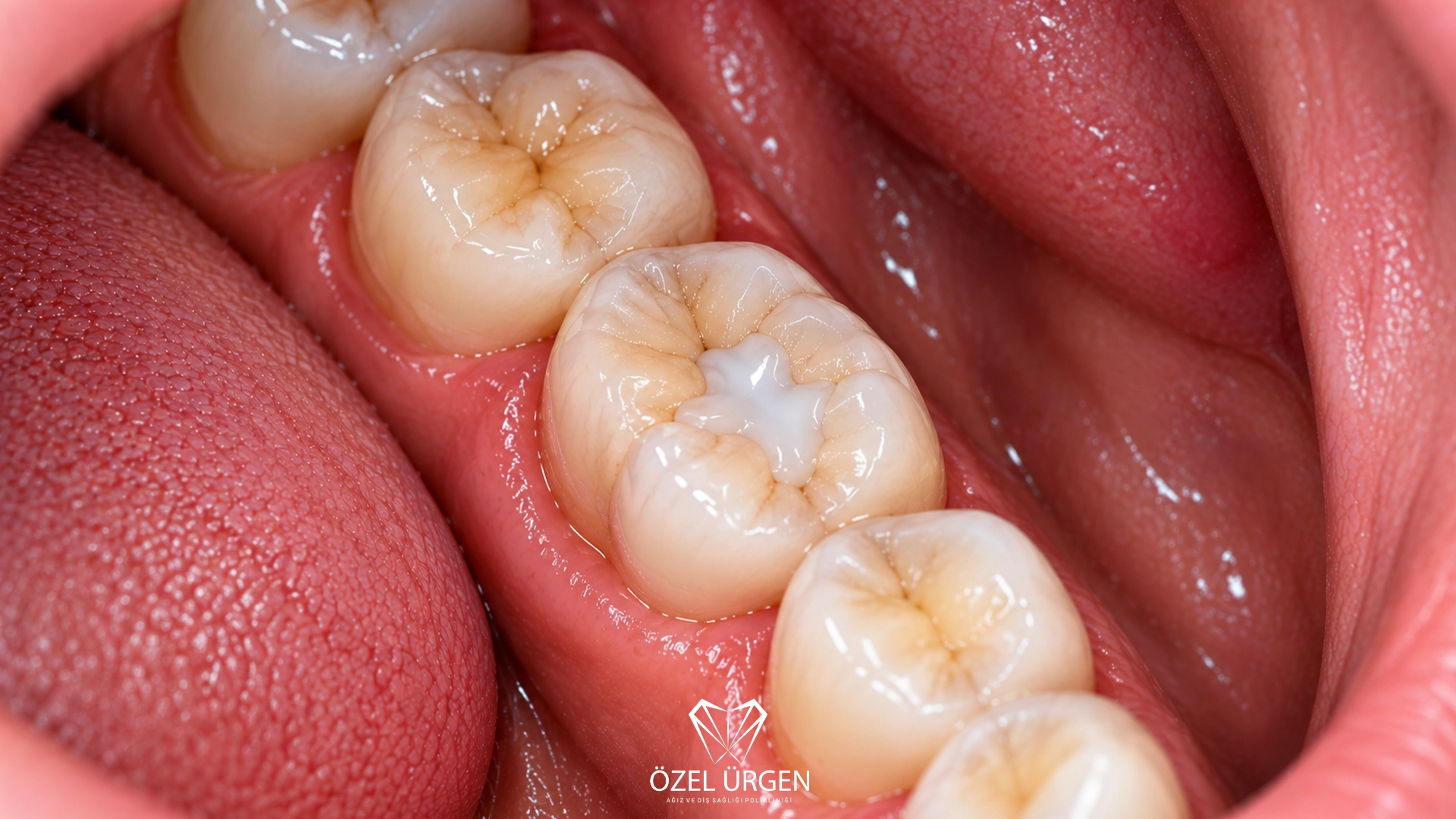
Can tooth pain after filling go away on its own?
Mild sensitivity can gradually resolve as the tooth recovers. However, conditions such as an uneven filling, irreversible pulp inflammation, or infection may require dental treatment.
Does pain after a filling mean I need a root canal?
No. Many cases of post-filling sensitivity improve without root canal treatment. The need for root canal therapy depends on the condition of the dental pulp and the findings of a clinical examination.
Should a painful filling be replaced?
Not necessarily. Some patients only need a bite adjustment. Filling replacement may be recommended if the restoration is damaged, poorly adapted, or affected by another problem.
What should I avoid after a dental filling?
Patients should avoid chewing while the mouth is numb. If sensitivity is present, extremely hard foods and foods or drinks that trigger discomfort may be temporarily avoided.
Conclusion: Understanding Tooth Pain After Filling
Tooth pain after filling is a common concern among patients who have recently undergone restorative dental treatment.
Mild discomfort may develop because of temporary pulp irritation, sensitivity associated with deep cavities, or increased pressure on the restored tooth.
In many cases, symptoms gradually improve as the tooth recovers.
However, persistent, worsening, or severe pain may indicate a condition that requires additional dental care.
Recognizing the difference between temporary sensitivity and potentially serious symptoms is important for protecting oral health.
At Ürgen Oral and Dental Health Polyclinic, patients experiencing discomfort following dental fillings can seek professional evaluation to identify the possible causes of their symptoms and discuss suitable treatment options.
If you are experiencing prolonged sensitivity, pain when biting, or persistent discomfort after dental treatment, scheduling a dental examination can help determine the appropriate next steps.
Remember: Mild sensitivity following a dental filling may be temporary, but persistent tooth pain should never be ignored.
This article is intended for general educational purposes only and does not replace professional dental diagnosis or treatment. Consult a qualified dentist for personalized advice and care.
Comments are closed