



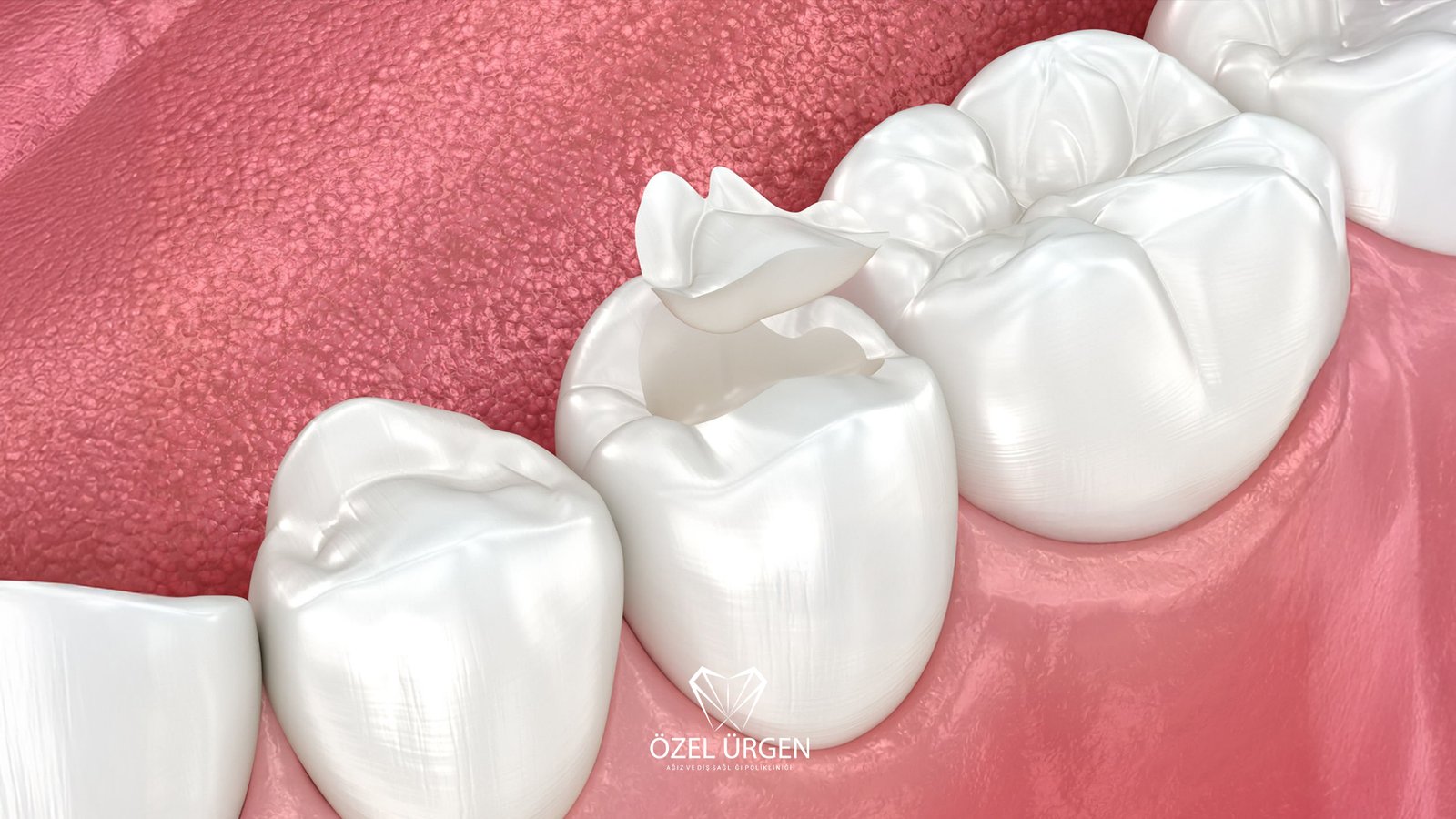
What Is a Composite Filling?
For many of us, even the thought of visiting the dentist brings a small knot to the stomach. Before we’ve even made an appointment, familiar scenes play out in our minds: the sound of the drill, lying still in the chair for a long time, and the uncertainty of how our teeth will look afterward. When the word “filling” comes up, these worries often grow stronger, because fillings are commonly associated with pain and the fear of losing a natural appearance.
In reality, modern dentistry has moved far beyond these old perceptions. Thanks to advanced technology, new generation materials, and a stronger focus on aesthetics, dental treatments today are far more comfortable and deliver results that look incredibly natural. What was once seen as a “necessary intervention” has become a solution that protects both the health and the appearance of the tooth often so subtly that it’s almost impossible to notice.
Composite fillings are designed to blend seamlessly with the natural color of your tooth, eliminating that obvious “I’ve had a filling” feeling. Gone are the days of metallic reflections when you smile or fillings that are immediately visible when you speak. Beyond aesthetics, these fillings also meet patient expectations in terms of application time and compatibility with the tooth. Treatments are often completed in a single visit, with minimal removal of healthy tissue and a much more comfortable overall experience—key reasons why composite fillings have become so popular.
Composite filling is a modern, tooth colored restoration used to repair teeth damaged by decay, small cracks, or minor fractures. It is made from a blend of resin based materials and microscopic glass particles. This special combination provides both strength and an appearance that closely mimics natural tooth structure. When applied correctly, the filling is nearly impossible to distinguish from the surrounding tooth. When you smile or talk, it doesn’t give away its presence.
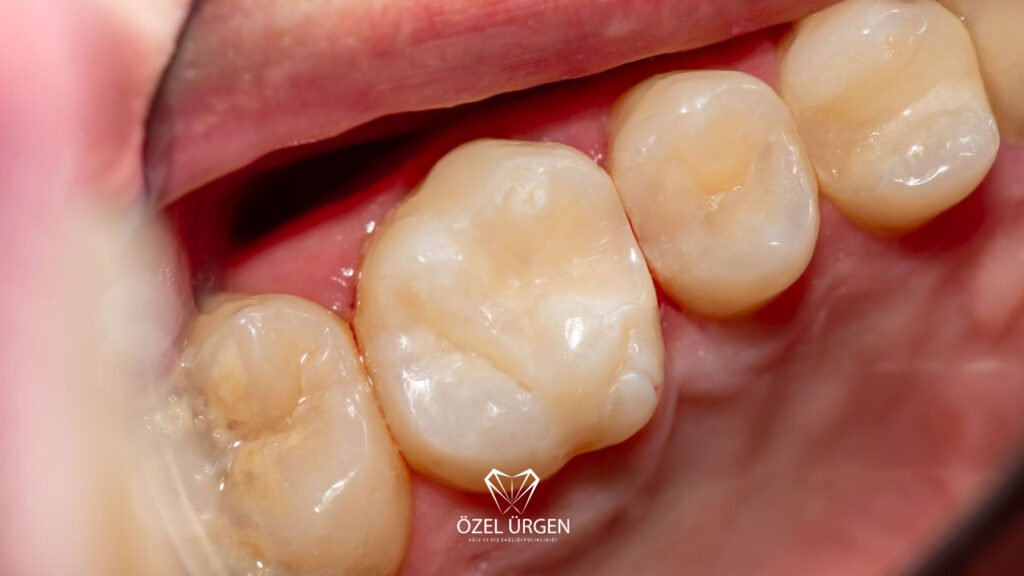
In the past, the word “filling” usually brought to mind gray, metal restorations that were visible even from a distance. While they were functional, they were far from appealing aesthetically. Over time, patient expectations changed, and dental materials evolved significantly.
Especially for front teeth, visible areas of the smile, or situations where appearance truly matters, composite fillings can be a real lifesaver. They are shaped according to the tooth’s color, translucency, and form, resulting in a remarkably natural outcome. This gives patients not only healthy teeth, but also the confidence to smile freely. In short, composite fillings represent one of the most balanced solutions in modern dentistry, where function and aesthetics come together beautifully.
Why Are Composite Fillings So Popular?
The growing popularity of composite fillings in recent years is no coincidence. They genuinely meet patient expectations in both appearance and comfort. While the old mindset was often “as long as it works,” today people want dental treatments that allow them to feel at ease and confident about their smile afterward.
A Natural, Seamless Look
Composite fillings are prepared in shades that match your natural tooth color. This makes the restored tooth blend in perfectly with neighboring teeth. Nothing stands out when you smile or speak. Many patients look in the mirror and feel as though their tooth has simply returned to its original state. For those with aesthetic concerns, this can be one of the most reassuring aspects of treatment.
Preservation of Tooth Structure
With composite fillings, the goal is to treat only the affected area. Healthy tooth structure is preserved as much as possible, avoiding unnecessary removal. This tooth friendly approach respects the natural anatomy and supports long term strength and durability.
Completed in a Short Time
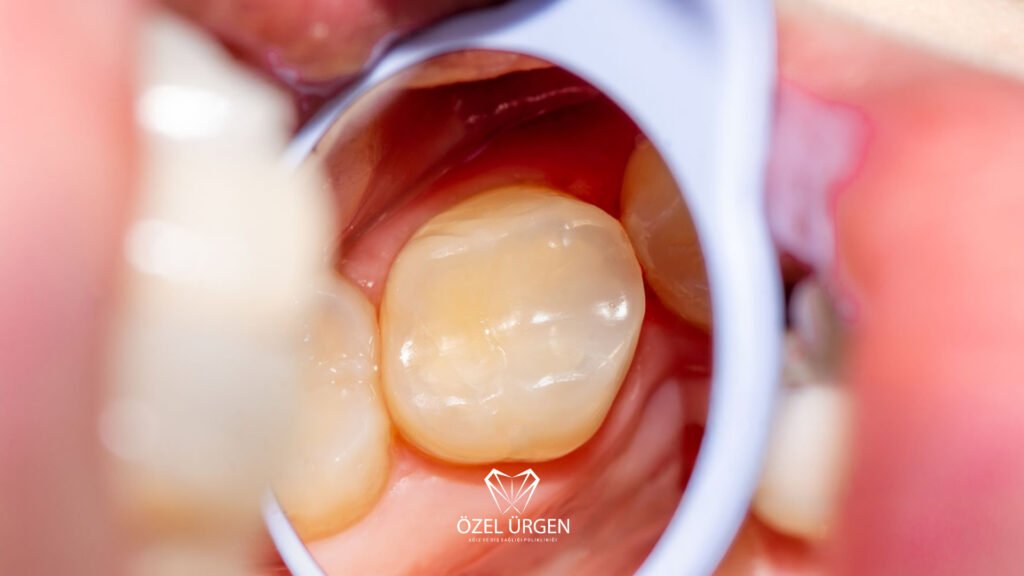
Most composite filling treatments can be completed in a single visit. This is a major advantage for those with busy schedules or anyone who prefers not to spend long hours in the dental chair. The process is simple, efficient, and delivers satisfying results.
Ideal for More Than Just Fillings
Composite materials aren’t used only to treat cavities. They are also ideal for closing small gaps between teeth, repairing minor chips, or subtly reshaping a tooth. With one treatment, it’s possible to improve both dental health and overall smile aesthetics.
When Is a Composite Filling Used?
Composite fillings can be used in a wide range of situations, both for restorative and aesthetic purposes. They are most commonly chosen to fill cavities after decay has been removed, but they are also highly effective for correcting minor shape or color imperfections in front teeth.
Small chips, cracks, or gaps between teeth can be quickly restored to a natural appearance with composite fillings. They are also frequently used to replace old fillings that have discolored or become aesthetically unpleasing over time. For anyone seeking a more balanced and natural looking smile, composite fillings offer a practical and satisfying solution.
How Is a Composite Filling Done?
If the idea of a composite filling sounds long and intimidating, you can relax. Most patients are pleasantly surprised by how straightforward and comfortable the process actually is. Usually completed in a single session, the procedure is painless when done properly and allows you to return to your daily routine quickly.
The first step involves numbing the area with local anesthesia so you don’t feel any discomfort. The dentist then gently removes the decayed or damaged tissue, taking care to preserve as much healthy tooth structure as possible. Afterward, the tooth surface is prepared to ensure the composite material bonds securely.
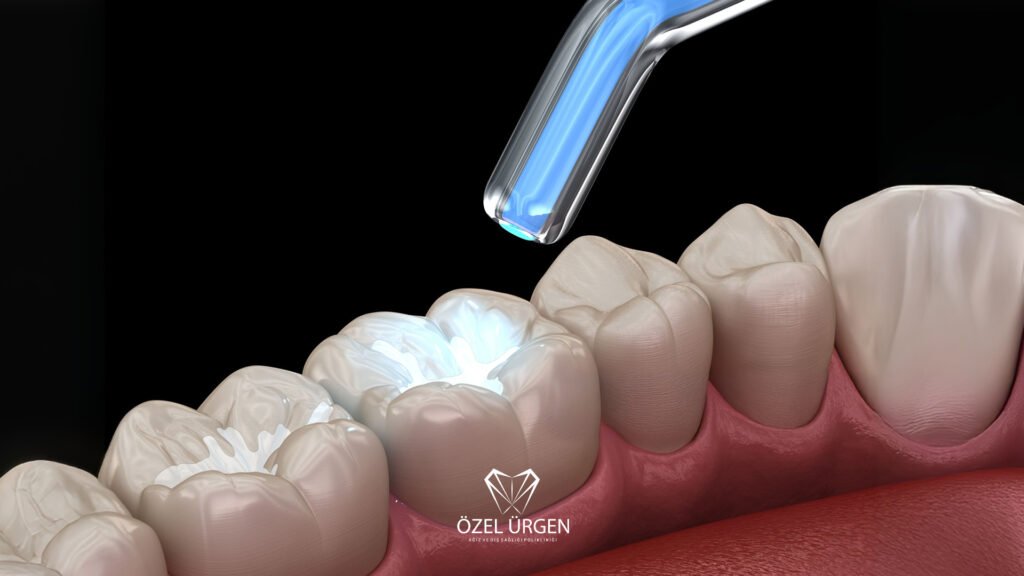
Next, the composite material is applied in thin layers. Each layer is hardened using a special curing light, increasing durability and helping the filling bond seamlessly with the tooth. In the final step, the filling is shaped to match the natural contours of the tooth and polished until smooth. Once finished, most patients barely notice the filling at all—the tooth feels and looks remarkably close to its original state.
How Durable Is a Composite Filling?
This is one of the most common questions patients ask. When placed correctly and cared for properly, composite fillings can last for many years without issues. Of course, durability depends on factors such as the location of the filling, individual oral hygiene habits, and chewing forces.
Composite Filling Costs
Composite filling costs can vary depending on the extent of the treatment, the position of the tooth, the quality of the materials used, and the dentist’s level of experience. In some cases, a small cavity can be treated quickly, while in others, additional aesthetic adjustments or replacement of old fillings may be required naturally affecting the price. The most accurate information comes from an in person evaluation by your dentist. Remember, a well done composite filling protects both your smile and your oral health for the long term. If you’d like to learn which option is best for you and get clear answers to your questions, take the first step today by scheduling a consultation.
Comments are closed