



What Should You Consider After Dental Implant Surgery?
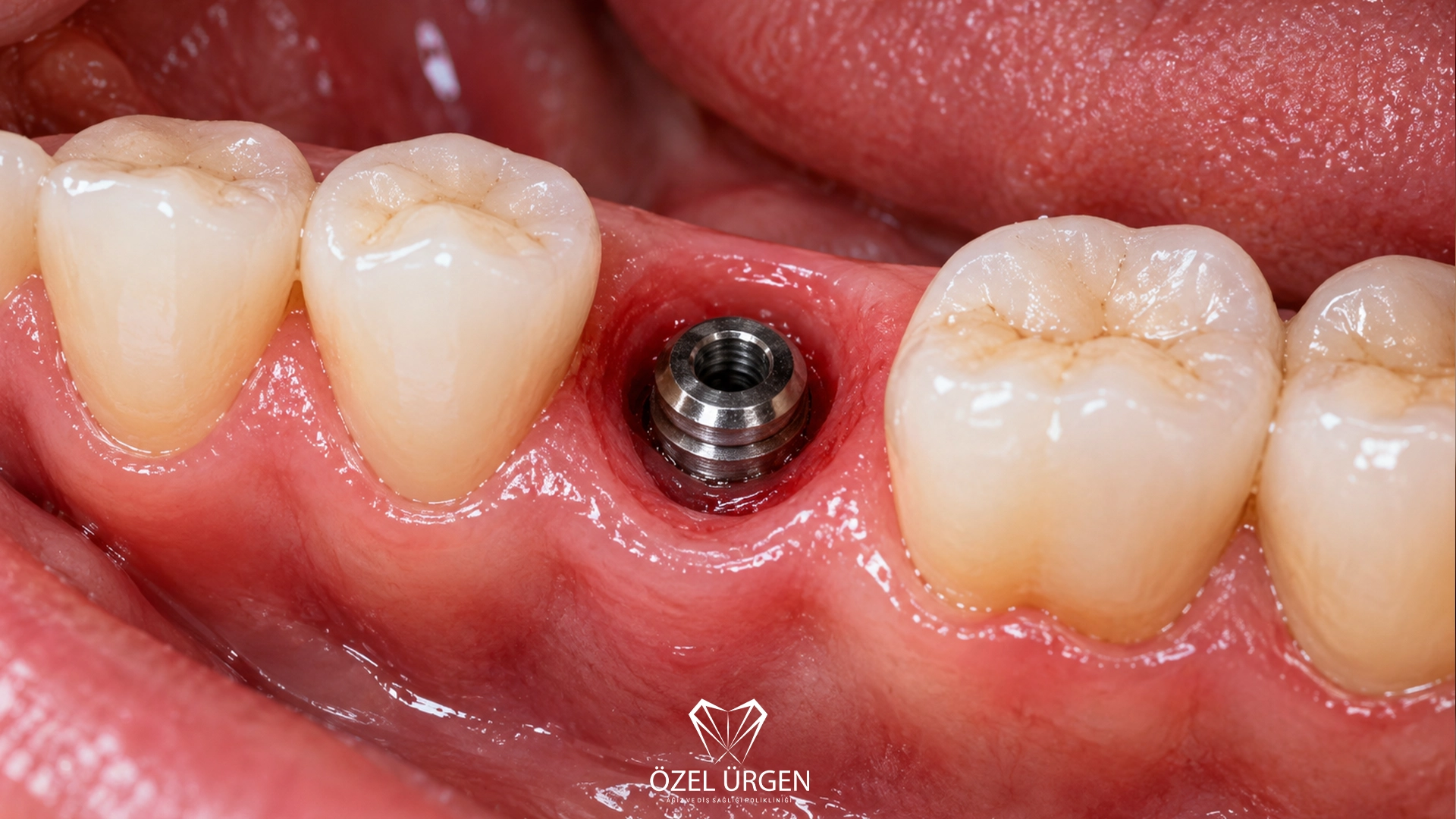
Dental implant treatment is one of the modern treatment options used to restore the function and aesthetic appearance of missing teeth. However, the treatment process does not end once the implant is placed in the jawbone. The healing period following implant surgery is also an important part of the treatment. For this reason, patients should be well informed about things to consider after dental implant surgery.
After implant surgery, it is important to follow your dentist’s recommendations so that the oral tissues and the bone surrounding the implant can heal properly. Particular attention should be paid to nutrition, oral hygiene, physical activity, smoking, and alcohol consumption during the first 24–48 hours after surgery.
At Ürgen Oral and Dental Polyclinic, in this article we discuss things to consider after dental implant surgery, including post-implant nutrition, pain, bleeding, oral care, and the healing process.
This content is intended for general informational purposes only. The personalized recommendations given by the dentist who examined and treated you after your implant surgery should always take priority.
Why Are the First 24 Hours After Dental Implant Surgery Important?
The first 24 hours after dental implant surgery mark the beginning of the healing process in the surgical area. During this period, mild bleeding, tenderness, and swelling may occur. The severity of these symptoms can vary depending on the number of implants placed, the extent of the procedure, whether bone grafting or any additional surgical procedures were performed, and the patient’s overall health.
One of the most important things to consider after dental implant surgery is protecting the surgical area from unnecessary trauma.
During the first hours after the procedure, avoid repeatedly touching the implant area with your tongue, checking it with your fingers, or applying pressure to the area. Constantly touching the surgical site may irritate the tissues.
It is also important to use any medications prescribed by your dentist at the recommended dose and intervals. You should not increase or decrease the dose of prescription medication on your own.
When Should the Gauze Be Removed After Dental Implant Surgery?
After the procedure, your dentist may place gauze over the surgical area. The purpose of this gauze is to help control mild postoperative bleeding.
You should follow your dentist’s instructions regarding how long the gauze should remain in place.
If the gauze becomes soaked with blood, avoid repeatedly removing it to check the area. Instead, follow your dentist’s instructions. If bleeding continues for a long time or becomes heavier, contact your dental clinic.
Is Bleeding Normal After Dental Implant Surgery?
Mild bleeding or oozing can occur, especially during the first few hours after implant surgery. A small amount of blood mixed with saliva may sometimes appear more significant than it actually is and may cause concern.
However, active and prolonged bleeding should not be considered normal.
If bleeding occurs, controlled pressure may be applied to the area with sterile gauze, in accordance with your dentist’s instructions. Patient information provided by healthcare organizations also commonly recommends applying pressure with clean gauze and seeking medical attention if bleeding does not stop.
If bleeding becomes heavier, cannot be controlled for an extended period, or occurs together with other symptoms, you should contact your dentist.
Is Spitting Harmful After Dental Implant Surgery?
Immediately after surgery, movements that may increase pressure inside the mouth are generally best avoided. Forceful spitting, in particular, may negatively affect the healing tissues in the surgical area.
For this reason, it may be more appropriate to swallow saliva naturally whenever possible or to follow the method recommended by your dentist.
Frequent rinsing during the first hours may also be discouraged. Since the timing and method of oral care can vary depending on the type of surgery, your dentist’s instructions should always be followed.
When Can You Eat After Dental Implant Surgery?
Things to consider after dental implant surgery include proper nutrition, which is one of the most frequently asked topics after the procedure.
If local anesthesia has been used, eating before the numbness has completely worn off is generally not recommended. While numbness continues, you may accidentally bite your cheek, lip, or tongue without realizing it.
Once the numbness has worn off, you may begin eating according to your dentist’s recommendations.
During the first few days, it may be helpful to avoid:
- Very hard foods,
- Extremely hot foods and drinks,
- Foods that may place pressure on the surgical area,
- Hard, crusty, or very crunchy foods.
Choosing soft and easy-to-chew foods can help protect the surgical area.
What Can You Eat After Dental Implant Surgery?
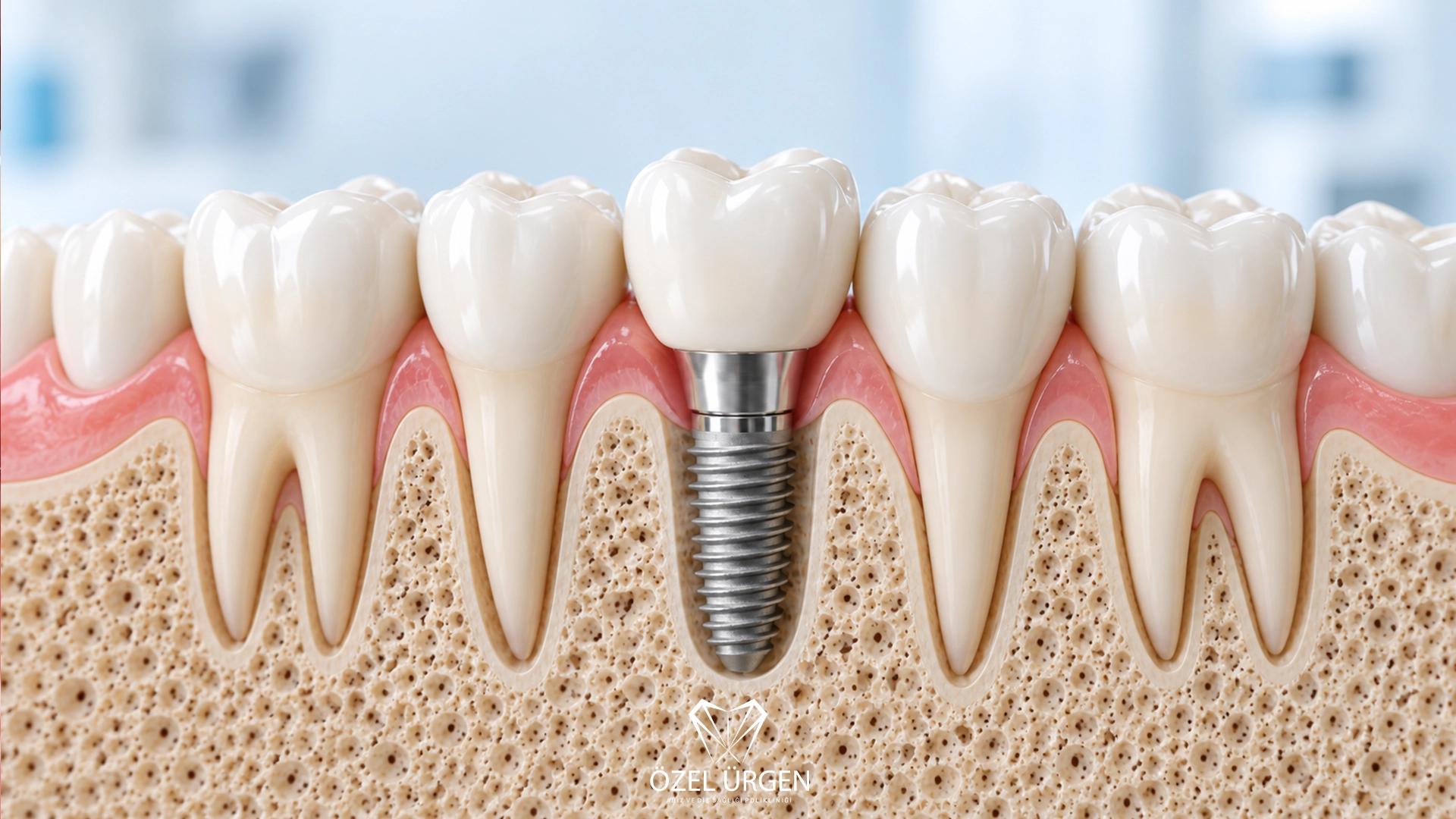
During the first few days after implant surgery, soft foods may be recommended to avoid straining the surgical area.
Suitable options may include:
Yogurt, soft cheeses, mashed foods, eggs, soft pasta, and other foods that are easy to chew.
One of the most important points is to make sure foods are not excessively hot.
Depending on the surgical area, your dentist may also advise you to avoid chewing on the side where the implant was placed for a certain period of time.
As part of things to consider after dental implant surgery, it is important to remember that dietary recommendations may vary from person to person. If multiple implants, sinus lifting, or bone grafting have been performed, nutritional recommendations may differ.
Can You Eat Hot Food After Dental Implant Surgery?
After surgery, especially during the early period, it is generally recommended to avoid very hot foods and drinks.
It may be better to allow tea, coffee, soup, and similar foods or drinks to cool to a comfortable temperature before consuming them.
Lukewarm or cool foods may be preferred during the first few days. However, if you follow a special diet, you should act according to the recommendations of your doctor or dentist.
How Should Cold Application Be Performed After Dental Implant Surgery?
Swelling may occur in the facial area after dental implant surgery. It can be more noticeable when multiple implants have been placed or when the surgical procedure has been extensive.
Cold application during the early postoperative period may help control swelling.
Ice or a cold pack should not be applied directly to bare skin. Instead, it can be wrapped in a thin, clean cloth before being applied externally.
Guy’s and St Thomas’ NHS Foundation Trust patient guidance states that short, intermittent cold applications during the early period may help reduce swelling.
However, the duration and frequency of cold application should be determined according to your dentist’s recommendations.
How Long Does Swelling Last After Dental Implant Surgery?
A certain amount of swelling may be part of the normal healing process after implant surgery.
Swelling may become more noticeable during the first few days and then gradually decrease. Since recovery varies from person to person, it is not appropriate to give a single exact duration for everyone.
If swelling becomes more severe than expected, does not begin to decrease, or is accompanied by fever, unpleasant odor, severe pain, or other symptoms, you should contact your dentist.
For this reason, things to consider after dental implant surgery are not limited to the first day. Changes that occur throughout the healing process should also be monitored.
Is Pain Normal After Dental Implant Surgery?
Since dental implant placement is a surgical procedure, a certain level of tenderness or pain may occur afterward.
The intensity of pain can vary from person to person.
If your dentist considers it necessary, pain medication may be prescribed after surgery. Medications should be used at the dose and in the manner recommended by your dentist.
You should not add different painkillers on your own. Other medications you use or existing health conditions may affect which pain relievers are appropriate for you.
If the pain becomes progressively worse instead of improving, or becomes significantly more severe after several days, you should contact your dental clinic.
Can You Brush Your Teeth After Dental Implant Surgery?
Oral hygiene is extremely important for the long-term success of dental implant treatment.
However, because the surgical area may be sensitive during the first few days, you should follow your dentist’s instructions regarding how the area should be cleaned.
Teeth away from the surgical area may generally be brushed carefully. The area where the implant was placed may require a different cleaning approach for a period determined by your dentist.
In some clinical protocols, direct brushing of the surgical area may be postponed for a certain period, while an antiseptic mouthwash may be recommended by the dentist.
Since this period may vary from person to person, your own dentist’s instructions should take priority.
Can Mouthwash Be Used After Dental Implant Surgery?
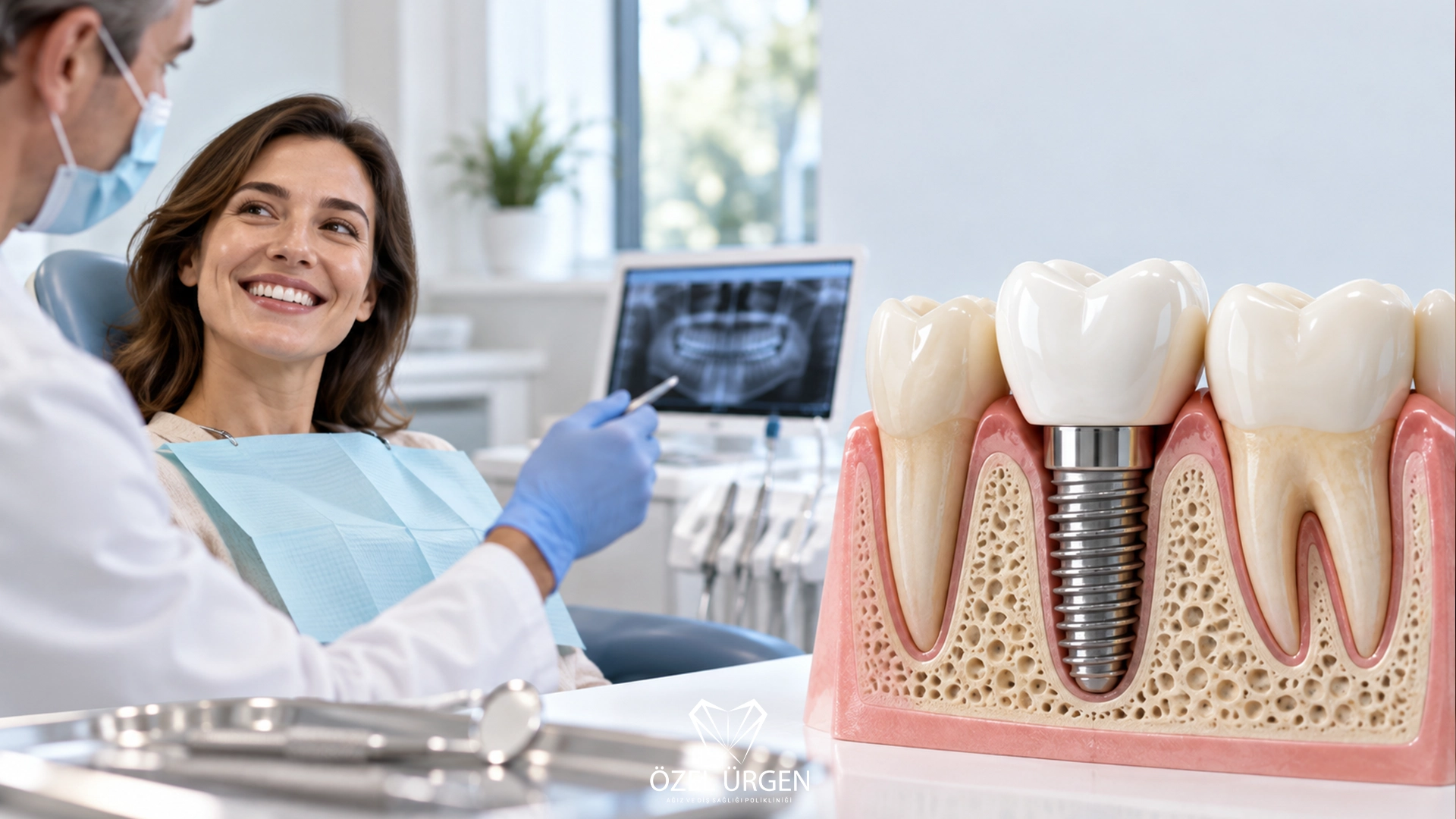
Vigorous rinsing immediately after implant surgery may not be recommended.
Your dentist may prescribe a specific oral care solution following the procedure.
Some mouthwashes containing chlorhexidine may be used to support oral hygiene after surgery when considered appropriate by the dentist. However, the type of mouthwash, duration of use, and frequency should always be determined by your dentist.
You should not use someone else’s mouthwash simply because it was suitable for them.
Can You Smoke After Dental Implant Surgery?
When discussing things to consider after dental implant surgery, smoking is one of the most important topics.
Smoking can negatively affect the health of oral tissues and the healing process.
For this reason, dentists may recommend stopping or avoiding smoking before and after implant treatment. NHS patient guidance also recommends stopping smoking after dental implant treatment.
You should also ask your dentist about other tobacco- and nicotine-containing products.
Can You Drink Alcohol After Dental Implant Surgery?
Avoiding alcohol during the early postoperative period may be recommended.
For example, Guy’s and St Thomas’ NHS Foundation Trust advises avoiding alcohol for at least the first 24 hours after dental implant surgery.
In addition, alcohol may interact with prescribed medications. Therefore, you should ask your dentist, doctor, or pharmacist about alcohol use while taking medication.
Depending on your personal treatment plan, you may be advised to avoid alcohol for a longer period.
Can You Exercise After Dental Implant Surgery?
Physical activity is another important issue among the things to consider after dental implant surgery.
Immediately after surgery, heavy exercise, running, weightlifting, and intense sports activities may not be appropriate.
Intense physical activity may increase blood pressure and potentially worsen bleeding or throbbing in the surgical area.
The appropriate time to return to sports depends on the extent of the procedure.
The recommended rest period after a simple implant procedure may not be the same as after bone grafting, sinus lifting, or multiple implant placements.
For this reason, you should follow your dentist’s advice about returning to exercise.
How Should You Sleep After Dental Implant Surgery?
Paying attention to your sleeping position during the first night after surgery may improve comfort.
Keeping your head slightly elevated may help some patients experience less swelling and throbbing.
It may also be helpful to avoid sleeping in a position that places direct pressure on the surgical area.
Since involuntary movement during sleep is normal, there is no need to become overly anxious about your position. The main goal is simply to protect the surgical site from unnecessary pressure.
Do Not Touch the Implant Area With Your Hand or Tongue
It is completely normal for the implant area to feel different after surgery. For this reason, many patients feel tempted to repeatedly check the area with their tongue.
However, repeatedly touching the surgical site with the tongue or fingers may irritate the tissues.
If stitches are present, avoid playing with or pulling them.
One of the simplest but most important things to consider after dental implant surgery is to leave the surgical area alone and allow it to heal.
When Are Stitches Removed After Dental Implant Surgery?
The stitches used during dental implant treatment may be dissolvable or may need to be removed by the dentist.
For this reason, there is no single exact removal time that applies to everyone.
Some patient information guides state that a follow-up appointment may be scheduled approximately 7–14 days after implant surgery to evaluate healing and remove stitches if necessary.
However, the appropriate date for your stitches depends on the suture material used and the characteristics of your surgery.
You should never attempt to remove or cut your stitches yourself.
Follow-Up Appointments After Dental Implant Surgery Should Not Be Missed
After implant placement, monitoring the implant and surrounding tissues is an important part of treatment.
Your dentist may schedule follow-up appointments at specific times after surgery.
During these visits, the following may be evaluated:
The healing of the surgical site, gum tissues, stitches, oral hygiene, and the tissues surrounding the implant.
Radiographic checks may also be performed when necessary.
Regular dental check-ups should continue in the long term to help protect the health of the gums and bone surrounding the implant.
How Long Does It Take for a Dental Implant to Integrate With the Bone?
After a dental implant is placed, a biological healing process takes place between the implant surface and the surrounding bone. This process is known as “osseointegration.”
The duration of osseointegration can vary from person to person.
The location of the implant, bone quality, extent of the surgical procedure, oral hygiene, general health, and smoking habits can all influence the healing process.
For this reason, standard timelines found online should not be treated as exact for your individual treatment.
Your dentist will determine when the permanent prosthesis can be placed based on clinical evaluation and, when necessary, radiographic assessment.
Can a Temporary Tooth Be Used After Dental Implant Surgery?
One of the most common questions among patients receiving implants in the front region is whether a temporary tooth can be used.
Some patients may receive a temporary prosthesis or temporary tooth after implant placement, while in other cases the implant may need to be protected from load for a certain period.
This decision may depend on:
- The initial stability of the implant,
- The location of the implant,
- Bone quality,
- The number of implants placed,
- The treatment protocol used.
Therefore, the fact that another patient received a temporary tooth on the day of surgery does not necessarily mean that the same approach is suitable for you.
What Are the Signs of Infection After Dental Implant Surgery?
A certain amount of pain, tenderness, or swelling after surgery does not necessarily indicate infection.
However, there are some situations in which you should contact your dentist.
For example:
Increasing severe pain, unexpectedly worsening swelling, unpleasant taste, foul-smelling discharge, persistent bleeding, fever, or a general decline in well-being may require professional evaluation.
If you notice anything unusual in the implant area, it is better to contact your dentist rather than trying to diagnose yourself based on information found online.
Are Antibiotics Used After Dental Implant Surgery?
It is not correct to assume that every implant patient must use the same antibiotic.
Whether antibiotics are needed is determined by the dentist based on the extent of the procedure, the patient’s medical history, and clinical evaluation.
AAOMS resources also emphasize that medication management after implant surgery should be evaluated according to the individual clinical situation.
If your dentist prescribes antibiotics, you should use them exactly as directed.
You should not start antibiotics on your own, use leftover antibiotics prescribed for someone else, or stop prescribed antibiotics early without professional advice.
Why Is Oral Hygiene Important After Dental Implant Surgery?
Long-term implant health depends not only on a successful surgical procedure.
Preventing bacterial plaque buildup around the implant and maintaining healthy gums are also important.
Long-term oral hygiene is one of the most important things to consider after dental implant surgery.
After healing, your dentist may explain how to brush around the implant, whether to use dental floss or interdental brushes, and how to clean the prosthetic restoration.
Implant-supported restorations require regular care just like natural teeth.
Can You Drink Coffee After Dental Implant Surgery?
Drinking hot coffee immediately after implant surgery may not be appropriate.
During the early postoperative period, it is generally better to avoid very hot beverages.
If you consume coffee with sugar, extra attention should also be paid to oral hygiene.
Ask your dentist when it is appropriate to return to your normal coffee routine based on the extent of your surgery.
Can You Drink Tea After Dental Implant Surgery?
The same general considerations that apply to coffee also apply to tea.
Instead of drinking very hot tea immediately after surgery, allow it to cool to a comfortable temperature.
Avoiding excessively hot foods and drinks during the early postoperative period may help protect the surgical area.
What Can Be Done to Support Healing After Dental Implant Surgery?
Things to consider after dental implant surgery can be summarized under several basic principles.
First, you should follow your dentist’s postoperative instructions carefully.
Maintaining a balanced diet, protecting the surgical area from trauma, avoiding smoking and similar products, paying attention to oral hygiene, and attending follow-up appointments may all support a healthy recovery.
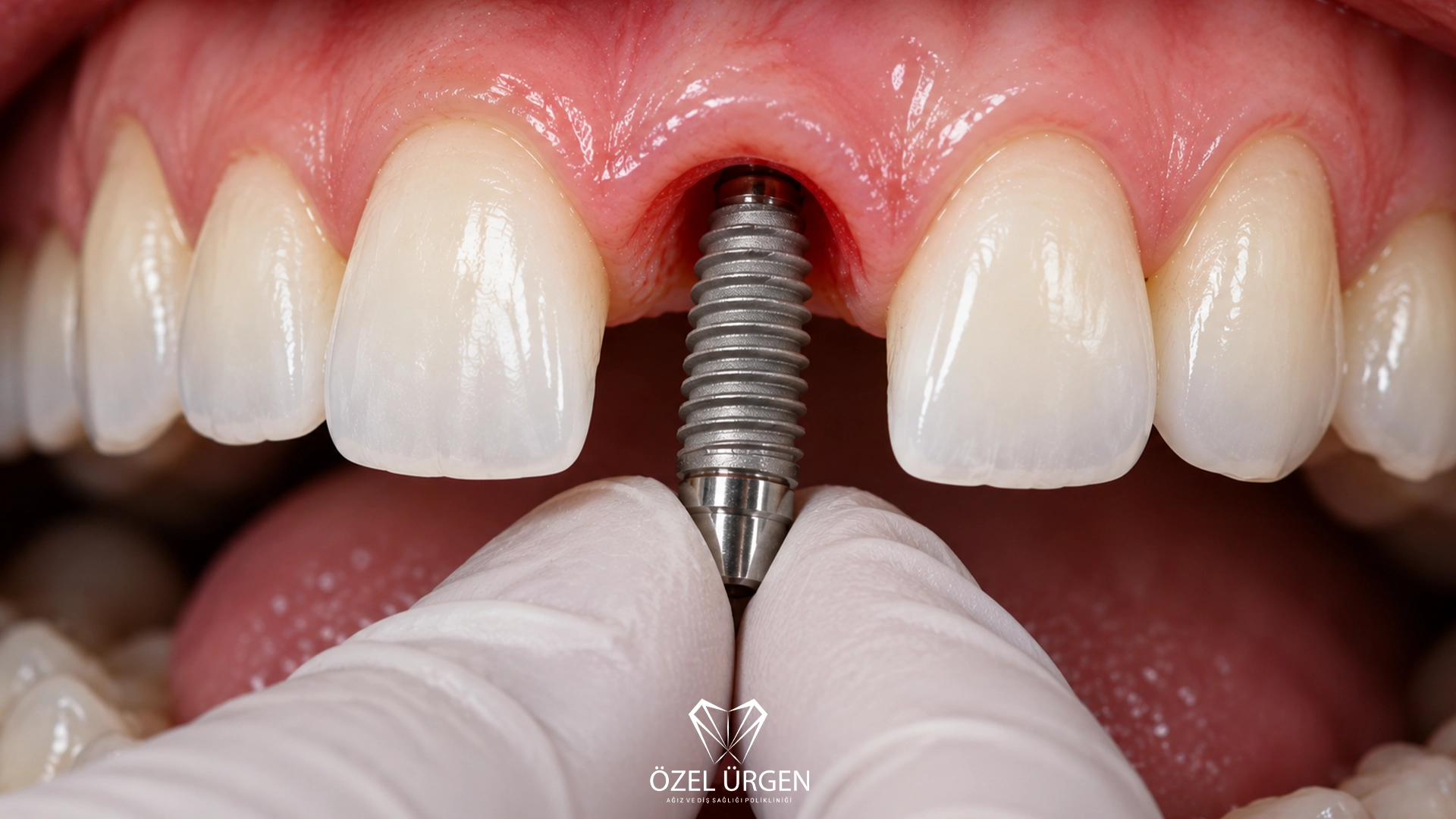
Adequate rest is also important.
Even if you feel well immediately after the operation, giving your body time to recover during the first day can be beneficial.
Things You Should Avoid After Dental Implant Surgery
Some of the most common mistakes regarding things to consider after dental implant surgery include:
- Repeatedly touching the surgical area with the tongue or fingers,
- Using medication without your dentist’s advice,
- Changing the prescribed dosage of medication,
- Consuming very hot foods and drinks immediately after surgery,
- Brushing the surgical area too aggressively,
- Performing heavy exercise during the early period,
- Continuing to smoke,
- Missing follow-up appointments,
- Ignoring unusual symptoms,
- Prioritizing general information found online over personalized recommendations from your dentist.
Every implant procedure is different, and the healing process may therefore vary from person to person.
When Can You Return to Normal Life After Dental Implant Surgery?
The time required to return to normal daily activities after dental implant surgery depends on the extent of the procedure.
A patient who has received a single implant may not have the same recovery period as someone who has undergone multiple implant placements, bone grafting, or sinus lifting during the same session.
Some people may return to daily activities relatively quickly, while others may need a longer period of rest.
If your work requires significant physical effort, it may be helpful to ask your dentist when you can safely return to work.
When Should You Contact Your Dentist?
A certain degree of discomfort may be expected after implant surgery. However, if you experience symptoms that seem different from the normal healing process, you should contact your dental clinic.
In particular:
- Bleeding that cannot be controlled,
- Pain that becomes progressively more severe,
- Swelling that unexpectedly increases,
- Fever,
- Foul-smelling or unpleasant-tasting discharge,
- Prolonged numbness or changes in sensation,
- A feeling of movement around the implant or temporary prosthesis
may require professional evaluation.
If your symptoms are severe or appear urgent, seek healthcare without delay.
Frequently Asked Questions About Things to Consider After Dental Implant Surgery
How long does pain last after dental implant surgery?
The intensity and duration of pain vary from person to person. Mild to moderate tenderness may occur after surgery. If pain becomes progressively worse or lasts longer than expected, you should contact your dentist.
Is facial swelling normal after dental implant surgery?
A certain amount of swelling can occur after the procedure and is usually temporary. However, swelling that continues to increase, lasts for an unusually long time, or occurs together with other symptoms should be evaluated.
Can you brush your teeth after dental implant surgery?
Oral hygiene should continue, but the surgical area may require special care during the first few days. Follow your dentist’s instructions about how and when to clean the area directly.
When can you eat after dental implant surgery?
Eating before the numbness caused by anesthesia has worn off is generally not recommended. After the numbness subsides, you can usually begin with soft foods according to your dentist’s instructions.
Can you smoke after dental implant surgery?
Smoking may negatively affect the healing of oral tissues. For this reason, avoiding smoking before and after implant treatment may be recommended.
Can you drink coffee after dental implant surgery?
Very hot coffee should generally be avoided during the early postoperative period. Allow coffee to cool to a comfortable temperature before drinking it.
When can you exercise after dental implant surgery?
The appropriate time to return to exercise depends on the extent of the procedure. Ask your dentist before returning to heavy exercise.
Can you use mouthwash after dental implant surgery?
Vigorous rinsing immediately after surgery may not be recommended. If your dentist prescribes an antiseptic mouthwash, use it for the recommended duration and frequency.
Can ice be applied after dental implant surgery?
Cold application may be recommended externally during the early postoperative period. Ice should not be placed directly on the skin.
Are follow-up appointments necessary after dental implant surgery?
Yes. Follow-up appointments are important for evaluating healing and monitoring the tissues surrounding the implant.
The Post-Implant Process at Ürgen Oral and Dental Polyclinic
Dental implant treatment involves more than simply placing the implant. Postoperative monitoring and oral care are also important parts of the overall treatment process.
Following treatment-specific recommendations regarding things to consider after dental implant surgery may help protect the tissues surrounding the implant and support proper monitoring of the healing process.
At Ürgen Oral and Dental Polyclinic, implant treatment planning involves evaluating the patient’s oral and dental structure, jawbone condition, and individual treatment needs. After surgery, patients may also receive personalized information about what to do and what to avoid during recovery.
If you are considering dental implant treatment or have questions about the healing process after implant surgery, it is important to obtain a professional evaluation from a dentist.
Conclusion: What Should You Consider After Dental Implant Surgery?
Proper care after implant surgery is an important part of the overall treatment process.
In summary, things to consider after dental implant surgery include protecting the surgical area, maintaining oral hygiene, eating appropriately during the first few days, avoiding smoking, staying away from excessively hot foods, postponing heavy exercise, using medication as recommended by your dentist, and attending follow-up appointments.
Since every patient’s treatment and healing process is different, general information available online should never replace a personal examination or the recommendations of your dentist.
If you experience unusual pain, heavy bleeding, increasing swelling, or symptoms suggestive of infection after implant treatment, it is appropriate to contact Ürgen Oral and Dental Polyclinic or the dentist who performed your treatment.