


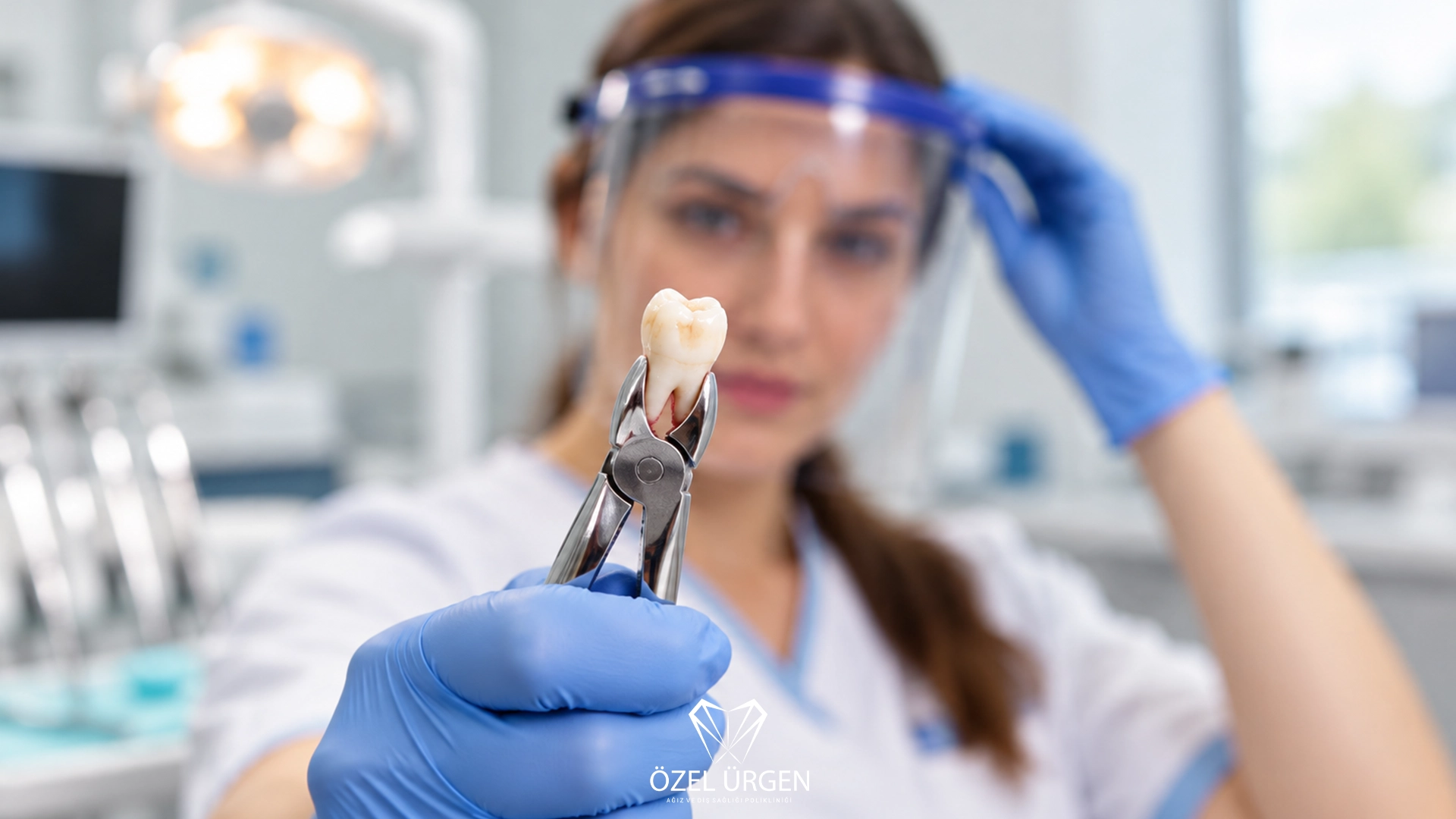
What Should You Do After Tooth Extraction?
Care after tooth extraction is important for protecting the wound and supporting recovery. Using gauze correctly, choosing suitable foods and maintaining careful oral hygiene form the foundation of daily aftercare. One of the main priorities is to avoid disturbing the blood clot that forms in the tooth socket.
Recovery is not identical for every extraction. A straightforward extraction and the surgical removal of an impacted tooth may involve different aftercare and follow-up needs. Your medicines, existing health conditions and the extent of the procedure can also influence the advice you receive. Your dentist’s personalised instructions should therefore take priority.
This guide from Ürgen Oral and Dental Health Polyclinic explains what to do during the first few hours, how to approach eating and cleaning, which symptoms may occur and when a dental assessment is needed.
How Does Healing Progress After Tooth Extraction?
A blood clot forms in the socket left by the removed tooth. This clot helps the wound heal. Touching the area with your tongue, fingers or another object, or rinsing vigorously, can disturb it.
During the first few days after tooth extraction, you may experience mild tenderness, slightly blood-stained saliva and swelling, particularly following surgery. However, the severity of these symptoms and how they change over time matter. Discomfort that gradually improves should not be assessed in the same way as pain that becomes increasingly severe.
There is no single recovery date that applies to everyone after tooth extraction. Feeling more comfortable and having a completely closed socket can happen at different times. Symptoms may last longer after difficult extractions. A clinical examination can be used when necessary to assess whether healing is progressing as expected.

7 Essential Steps During the First 24 Hours After Tooth Extraction
1. Use gauze as instructed by your dentist
The gauze placed after the procedure helps control bleeding by applying pressure. Keep it in position for the time your dentist recommends. Frequently lifting it to check the wound may disturb the developing clot.
If noticeable bleeding starts again at home, placing clean gauze over the socket and applying continuous pressure while sitting upright for approximately 20–30 minutes may help. Avoid talking or repeatedly removing the gauze to check. Contact your dentist if bleeding continues despite pressure. Do not wait if heavy bleeding is rapidly filling your mouth.
Do not sleep with gauze in your mouth or leave it in while eating. If you are unsure about the product you have been given or how to use it, ask your clinic.
2. Protect the clot and avoid forceful spitting
During the first 24 hours after tooth extraction, avoiding rinsing, forceful spitting and touching the wound are key aftercare measures. Repeatedly rinsing to remove the taste of blood can disturb the area that needs protection.
Straws are also discouraged because suction can dislodge the clot. Drink gently from a cup instead. Do not probe the socket with your tongue or try to remove material with a sharp object.
Follow your dentist’s care plan rather than repeatedly inspecting the wound. If its appearance concerns you or discomfort persists, request an assessment instead of touching the area.
3. Be careful with food until the numbness wears off
Local anaesthetic can leave the mouth numb for several hours. During this time, you may bite your lip, cheek or tongue without realising it, while hot food or drinks can cause burns. Waiting until the numbness has worn off before eating solid food is safer.
Follow your dentist’s instructions about when to start eating. Initially, choose soft foods that are cool or lukewarm. Avoid very hot soup, tea or coffee immediately after the procedure.
Chew on the opposite side where possible and avoid direct pressure on the extraction site. Tell your dentist if pain prevents you from eating or makes it difficult to drink enough fluids.
4. Rest on the first day and avoid strenuous activity
Allow time to rest instead of immediately returning to your normal schedule. Heavy lifting, intense exercise and repeated bending can increase the risk of bleeding. Avoiding strenuous activity during the first 24 hours is generally recommended.
Your return to work and exercise after tooth extraction should reflect the extent of the procedure and how you feel. Office work and heavy physical work should not be treated as equivalent. Your dentist may recommend a longer rest period after surgical extraction.
If you received sedation or general anaesthesia, also follow the discharge instructions about driving and having someone accompany you. Feeling well does not replace these precautions.
5. Apply a cold pack correctly if recommended
Swelling or bruising of the cheek can occur, particularly after surgical extractions. If your dentist recommends it, applying a cold pack to the outside of the cheek may help reduce discomfort. Do not place ice directly against the skin; wrap the pack in a clean cloth.
Use it at the intervals recommended by your dentist rather than leaving it in place continuously for a prolonged period. Keeping your head slightly raised while resting may also be advised.
How swelling develops is as important as its presence. Swelling that becomes noticeably worse after several days, occurs with fever or makes swallowing difficult should not be managed with cold packs alone.
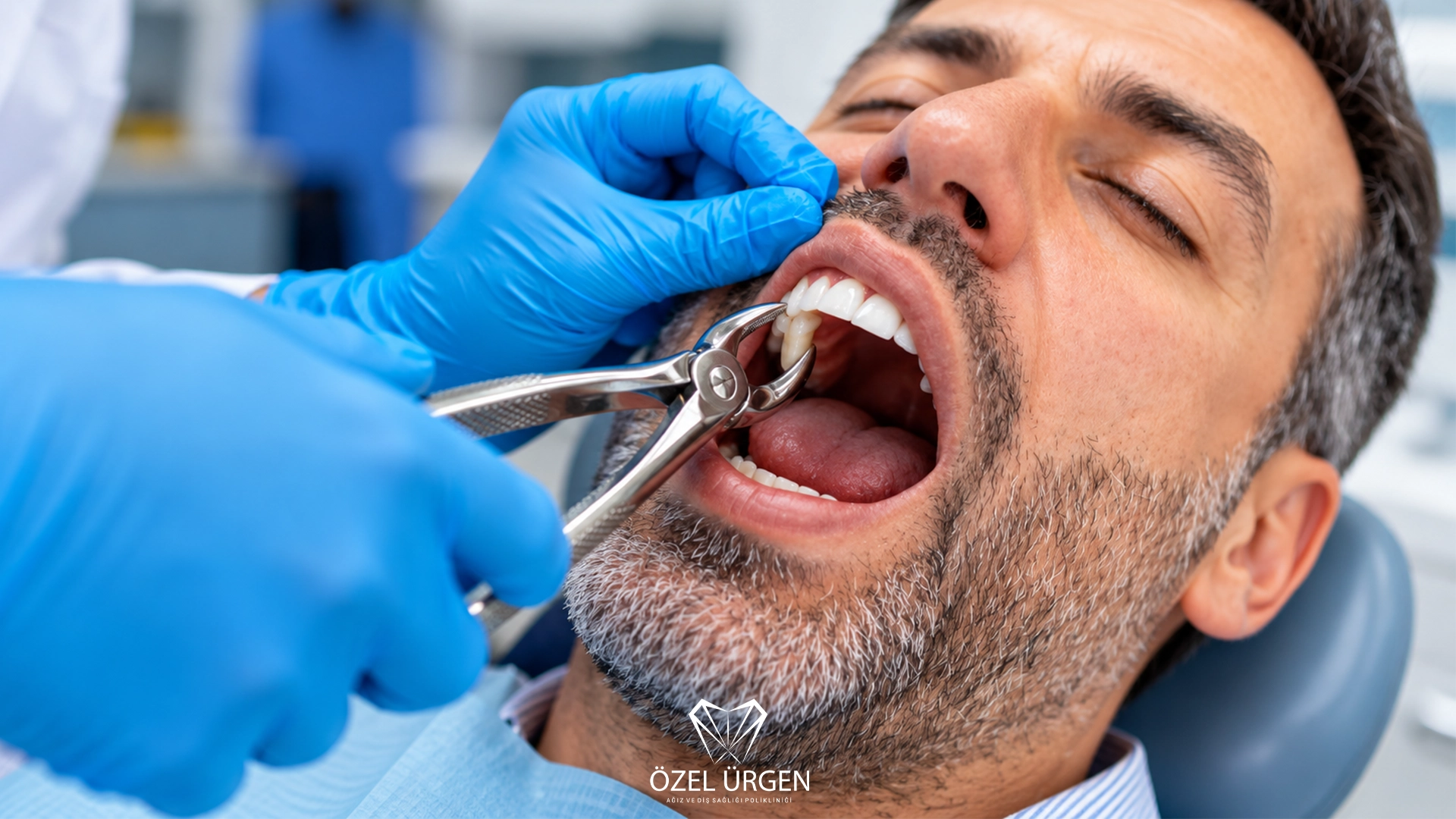
6. Avoid smoking, vaping and alcohol
Smoking can interfere with healing and increase the risk of dry socket. Vaping should not be regarded as a safe alternative during this period.
Many patient information leaflets advise avoiding smoking for at least the first 48 hours, while some surgical procedures require a longer period. This does not mean that the risk disappears completely after 48 hours. Follow any longer restriction recommended by your dentist.
Alcohol should also be avoided after tooth extraction. It can be problematic for bleeding and aftercare during the first 24–48 hours, and any restrictions related to your medicines must also be considered.
7. Take medicines only as directed
The choice of pain relief may depend on allergies, stomach or kidney problems, pregnancy and other medicines you take. Use the medication recommended by your dentist at the stated dose and intervals. Check the ingredients before combining different products.
Do not start taking aspirin as an additional painkiller on your own. However, if you regularly take prescribed aspirin or another blood thinner for a heart or vascular condition, do not stop it independently. Any change should be decided by the healthcare professionals responsible for your treatment.
Antibiotics are not necessary after every extraction. Your clinician decides whether they are indicated. Do not start leftover antibiotics; if a prescription is provided, follow the instructions for use and review.
What Can You Eat and Drink After Tooth Extraction?
The aim of eating after tooth extraction is to maintain adequate fluid and nutrient intake without putting pressure on the wound. Starting with soft foods and gradually returning to your usual diet as comfort improves may be appropriate.
| Foods that may be easier to eat | Foods and drinks to avoid initially |
|---|---|
| Smooth, lukewarm soup | Very hot soup and drinks |
| Mashed potatoes or vegetables | Hard-crusted or sharp-edged foods |
| Soft foods such as yoghurt | Crisps, hard crackers and nuts |
| Soft eggs | Tough foods that strain the extraction area |
| Soft, well-cooked pasta | Small seeds or pieces that may lodge in the wound |
This list does not replace your individual dietary restrictions. Adapt your choices if you have allergies, diabetes or a prescribed diet.
Take small bites and avoid putting pressure on the treated side. Avoid hard foods such as nuts and seeds, or items likely to lodge in the socket, during early recovery. Drink from a cup rather than a straw. When returning to normal meals, follow your dentist’s advice and your chewing comfort rather than a rigid timetable.
How Should You Brush and Keep Your Mouth Clean?
Rather than abandoning oral hygiene, establish a cleaning routine that protects the wound. Do not brush the extraction site on the first day, and avoid disturbing it while cleaning your other teeth. Follow any specific instructions from your dentist.
After the first 24 hours, gentle warm salt-water mouth baths may be started unless your dentist advises otherwise. Avoid vigorous swishing and use the liquid without disturbing the area. Follow the recommended preparation and frequency.
When cleaning after tooth extraction, do not put a toothbrush, toothpick or other object into the socket. Do not use pressurised water or syringe irrigation unless your dentist has shown you how and told you when to start. Medicated mouthwashes should also be used only as advised; your dentist should determine the product and timing.
When Do Pain and Swelling Need a Dental Review?
Pain can develop as the anaesthetic wears off. Following surgery, swelling and discomfort may become more noticeable over the first two or three days before generally improving. The timing varies with the difficulty of the procedure and individual recovery.
The pattern over time matters as much as the presence of pain. Gradually improving tenderness is different from severe, throbbing pain that begins several days later.
Seek a review if pain after tooth extraction is increasing, cannot be managed with the recommended pain relief, or occurs with a bad taste, fever or worsening swelling. Contact your dentist rather than increasing medication doses independently to suppress the symptoms.
Are Dry Socket and Infection the Same Thing?
Dry socket, also called alveolar osteitis, is a painful condition associated with the clot failing to form properly or being lost too early. It may cause severe pain that becomes apparent a few days after the extraction. Pain can spread towards the ear or along the same side of the face.
Dry socket is not the same as an infection, and antibiotics are not required in every case. A dentist needs to assess the area and arrange appropriate local treatment.
An infection may cause increasing pain and swelling together with fever, a bad taste or pus. Because symptoms can overlap, you cannot reliably distinguish these conditions at home based only on appearance or smell. Seek an examination rather than placing medicines, alcohol or other substances into the socket.
Why Do Stitches and Follow-Up Appointments Matter?
If stitches were placed, follow-up depends on their type. Dissolvable stitches can take several weeks to disappear. If stitches need removal, attend the appointment you have been given.
Do not pull stitches with your tongue or cut them yourself. Contact the clinic if they become loose, particularly if this is accompanied by bleeding or the wound opening.
Follow-up appointments are not only relevant when symptoms occur. If your dentist recommends a review, attend even if your pain has improved. The appointment allows the wound and any subsequent treatment plan to be assessed.
Which Symptoms Require Prompt Help?
Request a same-day dental assessment for:
- Noticeable bleeding that continues despite appropriate pressure.
- Increasing pain or pain not controlled by the recommended medicine.
- Worsening swelling with fever, a bad taste or discharge.
- Numbness lasting longer than expected or a newly noticed change in sensation.
- Significant difficulty drinking because of pain or swelling.
Difficulty breathing or swallowing, rapidly spreading swelling of the neck or floor of the mouth, and heavy bleeding that will not stop require emergency assessment. Do not wait for a routine appointment; seek emergency help or attend the nearest emergency department.
Frequently Asked Questions About Care After Tooth Extraction
Is slightly blood-stained saliva normal?
Saliva may look slightly pink during early recovery. However, fresh blood filling the mouth or noticeable bleeding that continues despite pressure should not be treated in the same way. Contact your clinic if you are unsure about the amount of bleeding.
Can I rinse with salt water immediately?
Rinsing is not recommended during the first 24 hours. Afterwards, gentle salt-water mouth baths may be started if your dentist considers them appropriate. Ensure the water is not hot and avoid vigorous swishing.
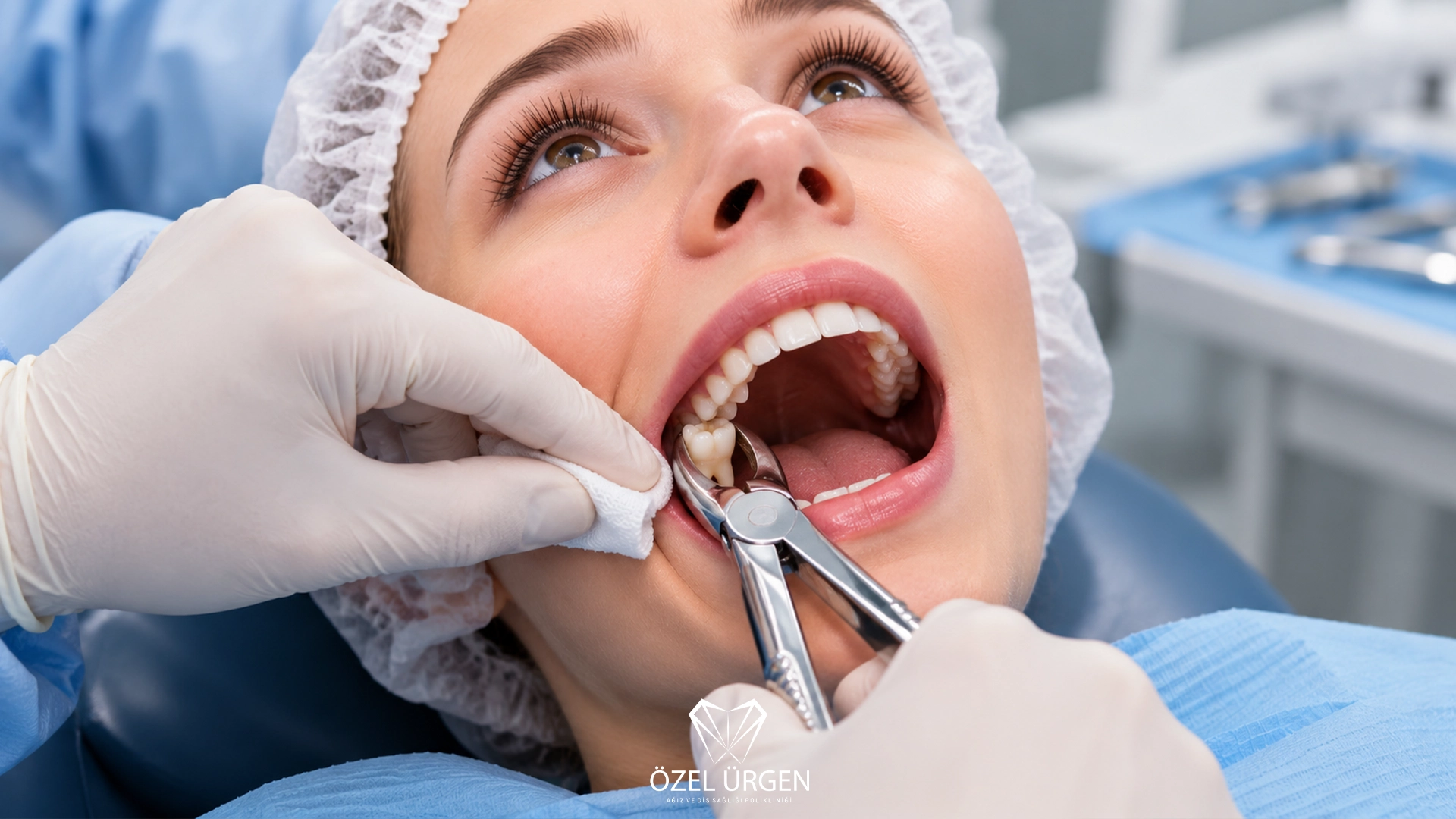
Should I take antibiotics after every extraction?
No. Antibiotics are prescribed according to examination findings and your individual health circumstances. They are not painkillers and do not, by themselves, resolve dry socket pain. Do not use antibiotics without a prescription or take leftovers from previous treatment.
Should I stop taking my blood thinner?
Do not stop independently. Tell your dentist which medicine you take. Decisions about continuing or changing it should be made by the relevant clinicians after considering your health and the procedure.
Can I use a toothpick to clean the extraction site?
No. Probing the area can damage the clot or healing tissues. If you think food is trapped, follow the cleaning method recommended by your dentist. Arrange a review if material cannot be removed through the advised care or discomfort persists.
Recovery Follow-Up at Ürgen Oral and Dental Health Polyclinic
Care after tooth extraction centres on protecting the clot, eating appropriately, following cleaning instructions and having unusual symptoms assessed promptly. Do not use another person’s experience as a fixed measure of your own recovery; the procedure and individual health circumstances may differ.
Contact Ürgen Oral and Dental Health Polyclinic to discuss whether you need a post-extraction review. Clearly describing increasing pain, ongoing bleeding or swelling helps the clinic direct you towards an appropriate assessment.
Comments are closed