



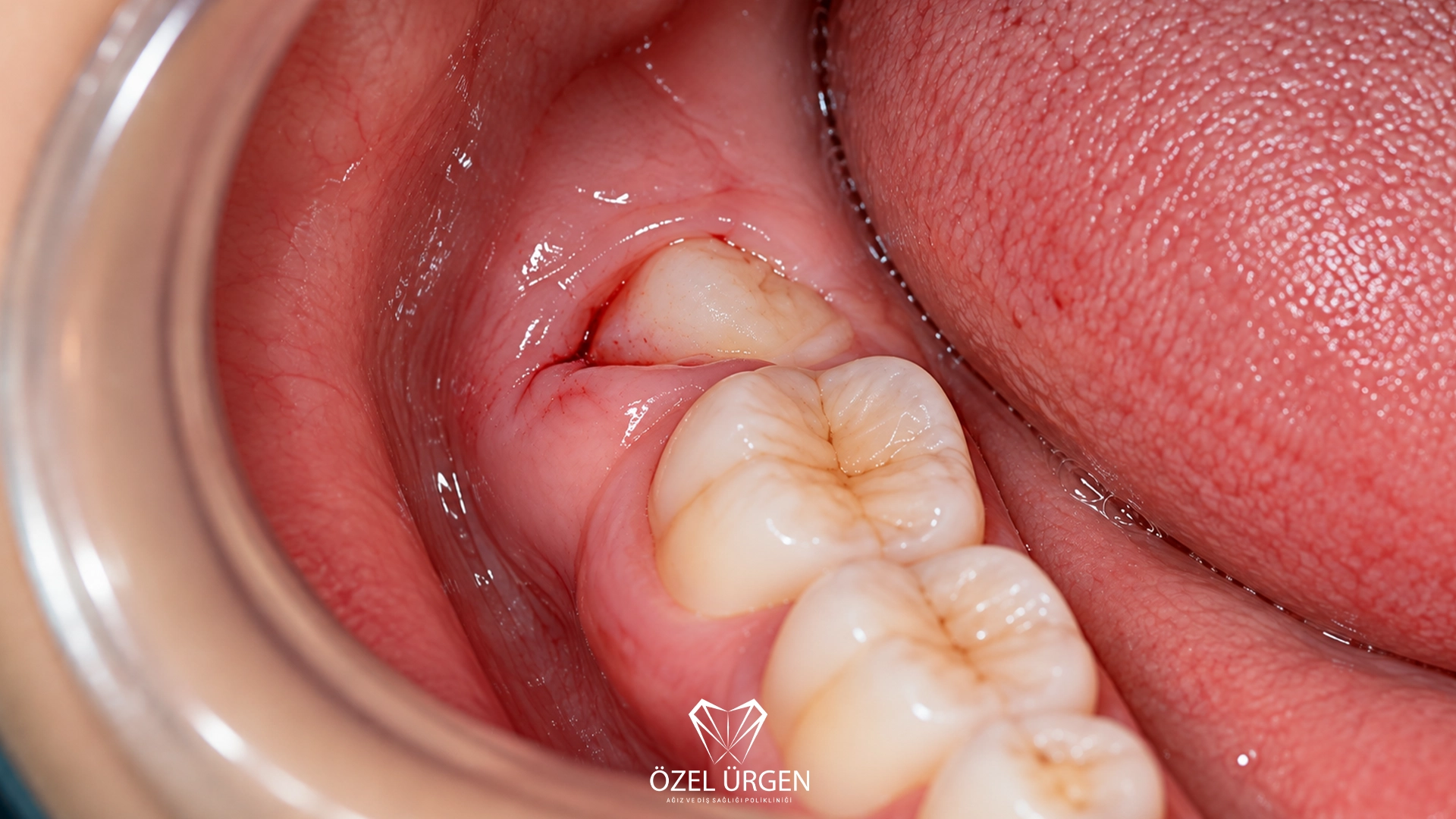
Wisdom Tooth Extraction Aftercare: Recovery, Healing and Oral Care Guide
Wisdom teeth, also known as third molars, are generally the last permanent teeth to develop in the mouth. In some individuals, insufficient space in the jaw, improper tooth positioning, impaction, or problems affecting surrounding tissues may make wisdom tooth extraction necessary.
Wisdom tooth extraction aftercare plays an important role in supporting the healing process and reducing the risk of postoperative complications. Following appropriate oral hygiene practices, maintaining suitable dietary habits, and complying with your dentist’s recommendations can help protect the extraction site during recovery.
Pain, swelling, mild bleeding, bruising, and temporary difficulty opening the mouth may occur following wisdom tooth removal. These symptoms can be part of the normal healing process, particularly after surgical extraction.
However, inadequate postoperative care, smoking, poor oral hygiene, and certain daily habits may negatively affect recovery.
The healing process varies depending on the position of the wisdom tooth, the complexity of the extraction, and the patient’s overall health.
So, what should you do after wisdom tooth extraction? How long does recovery take, and what precautions should be taken to protect the extraction site?
What Happens After Wisdom Tooth Extraction?
Following wisdom tooth extraction, the body begins a natural healing process to repair the tissues surrounding the extraction site.
A blood clot forms inside the empty tooth socket. This clot plays an essential role in protecting the underlying bone and surrounding tissues while supporting the development of new tissue.
Over time, the extraction site gradually heals as gum tissue develops and the underlying bone undergoes remodelling.
Several factors may influence the healing process, including:
-
Whether the wisdom tooth was impacted
-
The complexity of the surgical procedure
-
The patient’s age
-
General health conditions
-
Smoking and tobacco use
-
Oral hygiene habits
-
Existing infections
-
Medications
-
Compliance with postoperative instructions
Effective wisdom tooth extraction aftercare can help support the body’s natural healing mechanisms and reduce avoidable complications.
Simple wisdom tooth extractions may require less recovery time, while surgical removal of impacted wisdom teeth may involve a longer healing period.
How Long Does Wisdom Tooth Extraction Recovery Take?
Wisdom tooth extraction recovery generally progresses significantly during the first week. However, complete healing of the gum tissue and underlying jawbone may take considerably longer.
| Recovery Period | Expected Healing Process |
|---|---|
| First 24 hours | Blood clot formation and initial tissue healing |
| Days 2–3 | Swelling may reach its highest level |
| Days 4–7 | Pain and swelling generally begin to decrease |
| Days 7–14 | Improved jaw movement and soft tissue healing |
| Weeks 2–4 | Gradual healing of the extraction socket |
| Following months | Continued bone healing and remodelling |
Many patients can gradually return to their daily activities within several days. However, mild swelling, bruising, and limited jaw movement may continue for up to two weeks following more complex surgical procedures.
These recovery periods are general estimates rather than guaranteed healing times.
Following appropriate wisdom tooth extraction aftercare instructions is particularly important during the early stages of recovery.
Wisdom Tooth Extraction Aftercare During the First 24 Hours
The first 24 hours following wisdom tooth removal are particularly important because the blood clot within the extraction socket needs to remain protected.
Certain activities during this period may disrupt the clot, cause renewed bleeding, or delay healing.
Use Gauze as Recommended by Your Dentist
A sterile gauze pad may be placed over the extraction site immediately after the procedure to help control bleeding.
Patients should apply gentle, continuous pressure by biting down on the gauze for the period recommended by their dentist.
Repeatedly removing the gauze to inspect the extraction site may interfere with blood clot formation.
Avoid Rinsing Your Mouth Forcefully
Patients should generally avoid rinsing their mouth or spitting forcefully during the first 24 hours following wisdom tooth removal.
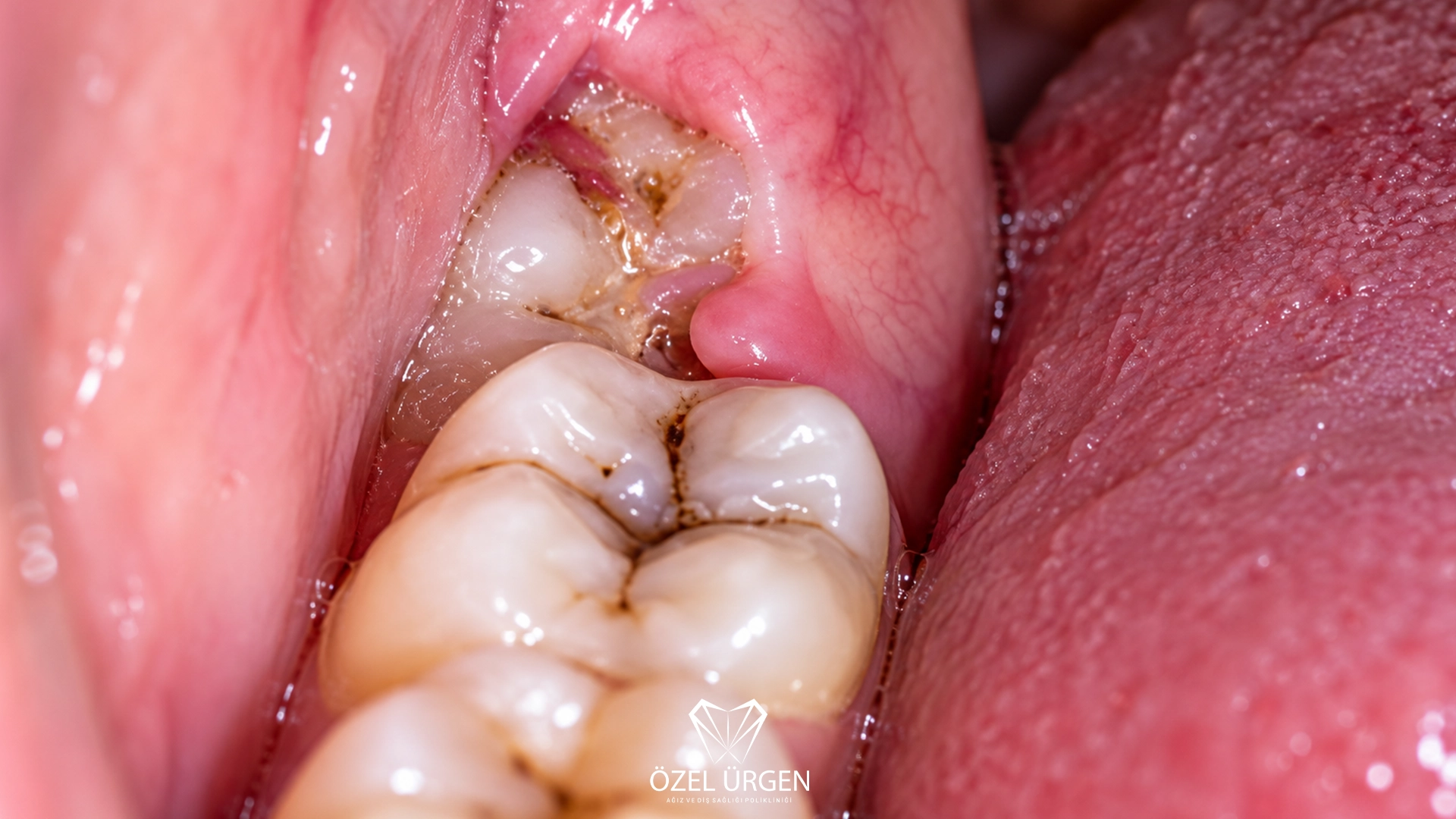
These actions may dislodge the blood clot and increase the risk of a painful complication known as dry socket.
Avoid Extremely Hot Foods and Drinks
Hot foods and beverages may contribute to renewed bleeding and discomfort around the extraction site.
Additionally, consuming hot products while local anaesthesia is still active may result in accidental burns to the oral tissues.
During the first day, soft foods and cool or lukewarm beverages are generally more suitable.
Rest and Avoid Strenuous Physical Activity
Heavy exercise, lifting weights, and strenuous physical activities may increase bleeding following dental extraction.
Resting during the first day and gradually returning to normal activities according to your dentist’s recommendations can support recovery.
Proper wisdom tooth extraction aftercare during the first 24 hours helps protect the extraction site during this sensitive stage of healing.
How Long Does Pain Last After Wisdom Tooth Extraction?
Pain following wisdom tooth extraction may become noticeable as the effects of local anaesthesia begin to wear off.
The intensity of postoperative discomfort depends on the tooth’s position, the complexity of the extraction, and the individual’s pain sensitivity.
Following a simple wisdom tooth extraction, discomfort may improve significantly within several days. Surgical extraction of impacted wisdom teeth may involve a longer period of soreness.
Mild to moderate discomfort during the initial stages of recovery can be expected. However, pain should generally decrease as healing progresses.
If pain becomes more severe several days after extraction, particularly when it spreads towards the ear, jaw, or temple, a dental examination may be necessary.
Pain management should be planned according to the patient’s medical history and the dentist’s recommendations.
Patients should avoid changing medication doses or combining medications without professional advice.
How Long Does Swelling Last After Wisdom Tooth Removal?
Swelling around the cheek and jaw is a common postoperative response, particularly following surgical wisdom tooth extraction.
Swelling may reach its highest level approximately 48 to 72 hours after the procedure. It should then gradually decrease as the surrounding tissues begin to heal.
Some patients may also experience temporary bruising around the cheek or jaw.
Applying a Cold Compress
As part of wisdom tooth extraction aftercare, a cold compress may help reduce postoperative swelling and discomfort during the first 24 hours.
The cold compress should not be applied directly to the skin. A clean towel or cloth should be placed between the ice pack and the skin.
Applying a cold compress for approximately 15–20 minutes, followed by a break, may be appropriate when recommended by your dentist.
Swelling that continues to increase after several days or occurs alongside fever and severe pain should be professionally evaluated.
Is Bleeding Normal After Wisdom Tooth Extraction?
Mild bleeding during the first few hours following tooth extraction can be a normal part of recovery.
Saliva may also appear slightly pink or blood-stained during the first 24 hours.
However, heavy or persistent bleeding should not be ignored.
Certain activities may contribute to renewed bleeding, including:
-
Forceful spitting
-
Using drinking straws
-
Rinsing the mouth vigorously
-
Smoking
-
Strenuous exercise
-
Touching the extraction site
-
Consuming extremely hot beverages
If bleeding occurs, applying continuous pressure using clean sterile gauze may help.
If active bleeding continues despite 20–30 minutes of firm, uninterrupted pressure, patients should contact their dentist. Heavy or uncontrolled bleeding requires urgent medical attention.
Patients taking blood-thinning medications should not discontinue or change their medication without consulting the relevant healthcare professional.
When Can You Eat After Wisdom Tooth Extraction?
Nutrition is an important component of wisdom tooth extraction aftercare because the body requires adequate energy and nutrients during healing.
Before eating, patients should generally wait until the effects of local anaesthesia have worn off and bleeding has been controlled.
Eating while the mouth remains numb may result in accidentally biting the tongue, cheek, or lips.
During the first few days, soft foods that require minimal chewing are generally recommended.
What Foods Can You Eat After Wisdom Tooth Removal?
Suitable food options may include:
-
Yoghurt
-
Mashed potatoes
-
Lukewarm soup
-
Mashed bananas
-
Soft scrambled eggs
-
Apple purée
-
Porridge
-
Soft pasta
-
Pudding
-
Well-cooked vegetables
-
Smooth fruit purées
Whenever possible, patients may chew on the opposite side of the mouth to avoid placing unnecessary pressure on the extraction site.
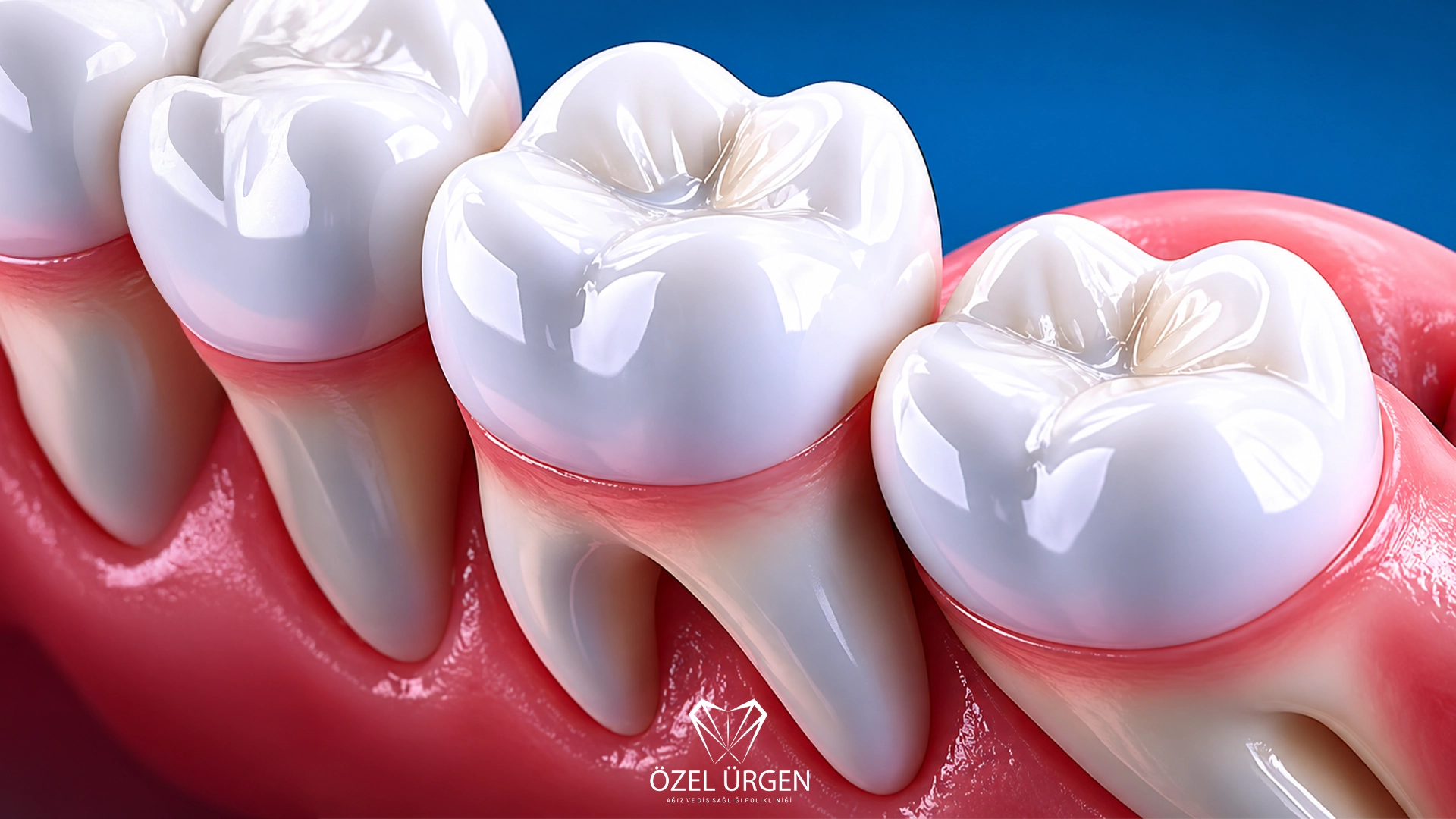
Maintaining adequate hydration and balanced nutrition can also support the body’s natural recovery processes.
What Foods Should You Avoid After Wisdom Tooth Extraction?
Certain foods may irritate the extraction site or become trapped inside the healing socket.
During the initial recovery period, patients should generally avoid hard nuts, popcorn, crisps, hard bread crusts, foods containing small seeds, sticky sweets, and excessively spicy foods.
As healing progresses and discomfort decreases, patients can gradually return to their normal eating habits.
How Should You Maintain Oral Hygiene After Wisdom Tooth Extraction?
Maintaining oral hygiene is one of the most important aspects of wisdom tooth extraction aftercare.
However, the extraction site should be protected from unnecessary mechanical pressure during the early stages of recovery.
When Can You Brush Your Teeth?
Patients should avoid brushing directly over the extraction site during the first 24 hours.
The remaining teeth can be cleaned carefully according to the dentist’s postoperative instructions.
A soft-bristled toothbrush may help reduce irritation while cleaning areas close to the surgical site.
Direct contact with the healing socket or surgical stitches should be avoided.
Can You Rinse Your Mouth With Salt Water?
Gentle rinsing with warm salt water may be recommended approximately 24 hours after wisdom tooth extraction.
Saltwater rinses can help maintain cleanliness around the extraction site.
However, the mouth should not be rinsed forcefully, and patients should avoid vigorous spitting.
Your dentist’s specific instructions should be followed regarding the timing, frequency, and preparation of saltwater rinses.
Can You Use Mouthwash After Wisdom Tooth Removal?
Not every mouthwash is suitable for use immediately after dental extraction.
Mouth rinsing should generally be avoided during the first 24 hours unless otherwise instructed by your dentist.
If an antiseptic mouthwash is necessary, the appropriate product and duration of use should be determined by a dental professional.
Can You Smoke After Wisdom Tooth Extraction?
Smoking may negatively affect tissue healing and increase the risk of postoperative complications.
The suction created during smoking may interfere with the blood clot protecting the extraction socket.
Additionally, substances found in tobacco products can negatively influence the body’s natural wound-healing processes.
As part of appropriate wisdom tooth extraction aftercare, patients should generally avoid smoking for at least 48–72 hours and preferably throughout the healing period.
Electronic cigarettes and vaping should not be considered safe alternatives during recovery.
Smoking following dental extraction has been associated with delayed healing and an increased risk of dry socket.
What Is Dry Socket After Wisdom Tooth Extraction?
Dry socket, medically known as alveolar osteitis, is a painful complication that may occur when the blood clot within the extraction socket fails to form properly or becomes lost prematurely.
The blood clot normally protects the underlying bone and supports healing.
When this protective clot is lost, the underlying tissues may become exposed, resulting in significant discomfort.
Dry socket can occur following different types of dental extraction but is particularly associated with the removal of lower wisdom teeth.
What Are the Symptoms of Dry Socket?
Common symptoms may include:
-
Severe pain developing several days after extraction
-
Pain spreading towards the ear, temple, or jaw
-
Persistent unpleasant taste in the mouth
-
Bad breath
-
A visibly empty extraction socket
-
Pain that does not improve as expected
Dry socket does not necessarily indicate a bacterial infection. Therefore, antibiotics alone may not be an appropriate treatment.
Patients experiencing symptoms of dry socket should contact their dentist for professional assessment.
How Can Dry Socket Be Prevented?
Following appropriate wisdom tooth extraction aftercare instructions may help reduce the risk of dry socket.
Patients should avoid smoking, using drinking straws, forceful rinsing, vigorous spitting, and touching the extraction site with their fingers or other objects.
Protecting the blood clot during the initial recovery period is particularly important.
Impacted Wisdom Tooth Extraction Recovery
Impacted wisdom teeth are teeth that remain partially or completely trapped beneath the gum tissue or within the jawbone.
Removing impacted wisdom teeth may require a surgical procedure.
Depending on the position of the tooth, the procedure may involve opening the gum tissue, removing a small amount of surrounding bone, or dividing the tooth into sections.
Recovery following impacted wisdom tooth extraction may take longer than recovery from a simple extraction.
Patients may experience swelling, bruising, temporary difficulty opening the mouth, and discomfort around the surgical area.
Appropriate wisdom tooth extraction aftercare is particularly important following surgical procedures.
Patients should protect the surgical site, maintain careful oral hygiene, and attend any recommended follow-up appointments.
When Are Stitches Removed After Wisdom Tooth Extraction?
Stitches may be used following surgical wisdom tooth removal to help position the surrounding soft tissues appropriately.
The type of stitches used depends on the surgical procedure and the dentist’s treatment plan.
Dissolvable Stitches
Dissolvable stitches gradually break down over time without requiring professional removal.
Depending on the material used, this process may take several days or a few weeks.
Non-Dissolvable Stitches
Non-dissolvable stitches generally require removal by a dental professional.
A follow-up appointment may be scheduled approximately 7–10 days after the procedure, depending on tissue healing and surgical requirements.
Patients should not pull, cut, or attempt to remove stitches themselves.
What Are the Signs of Infection After Wisdom Tooth Extraction?
Not all pain and swelling following wisdom tooth removal indicate an infection.
However, certain symptoms may suggest that the extraction site requires further professional evaluation.
| Symptom | Possible Concern |
|---|---|
| Increasing swelling | Delayed healing or infection |
| Fever | Possible infection |
| Worsening pain | Dry socket or another complication |
| Pus or discharge | Possible infection at the extraction site |
| Persistent unpleasant taste | Extraction site complication |
| Increasing difficulty opening the mouth | Inflammation or infection |
| Difficulty swallowing or breathing | Medical emergency |
Patients experiencing worsening symptoms should contact their dentist.
Recognising unexpected symptoms is an essential component of wisdom tooth extraction aftercare.
Are Antibiotics Necessary After Wisdom Tooth Extraction?
Not every patient requires antibiotics following wisdom tooth removal.
The need for antibiotics depends on the presence of infection, general health conditions, surgical complexity, and other clinical factors.
Unnecessary antibiotic use may cause side effects and contribute to antibiotic resistance.
Patients should not use leftover antibiotics from previous treatments without professional advice.
If antibiotics are prescribed, the medication should be taken according to the instructions provided by the prescribing healthcare professional.
Is Difficulty Opening the Mouth Normal After Wisdom Tooth Extraction?
Temporary difficulty opening the mouth may occur following wisdom tooth removal, particularly after the surgical extraction of lower impacted wisdom teeth.
This condition is known as trismus and may be associated with inflammation or irritation affecting the surrounding muscles and tissues.
Patients may initially experience difficulty while eating, speaking, or opening their mouths widely.
These symptoms should generally improve as postoperative swelling decreases.
Patients should avoid forcing their mouths open and follow their dentist’s recommendations.
Increasing difficulty opening the mouth, particularly when accompanied by fever or worsening pain, may require professional assessment.
How Long Does Numbness Last After Wisdom Tooth Extraction?
Local anaesthesia used during wisdom tooth extraction temporarily reduces sensation around the treatment area.
The effects of local anaesthesia generally wear off within several hours, depending on the medication used.
However, lower wisdom teeth may sometimes be positioned close to nerves within the jaw.
Following extraction, some patients may experience prolonged numbness or altered sensation in the lower lip, chin, or tongue.
These symptoms may be temporary, although persistent nerve-related complications can occasionally occur.
Patients experiencing numbness that continues beyond the expected duration of local anaesthesia should inform their dentist promptly.
How Should You Sleep After Wisdom Tooth Extraction?
Rest is an important part of wisdom tooth extraction aftercare.
During the first night following the procedure, keeping the head slightly elevated may help improve comfort.
Patients may use additional pillows to support their head and avoid placing direct pressure on the affected cheek.
Gauze should not be left inside the mouth while sleeping because of the potential risk of choking or aspiration.
Getting adequate sleep and allowing the body sufficient time to recover can support the natural healing process.
Things You Should Avoid After Wisdom Tooth Extraction
Certain everyday activities may interfere with the healing process following dental extraction.
During the initial recovery period, patients should generally avoid:
-
Rinsing the mouth during the first 24 hours
-
Forceful spitting
-
Drinking through straws
-
Smoking and vaping
-
Consuming extremely hot foods and drinks
-
Touching the extraction socket
-
Heavy exercise
-
Eating hard and crunchy foods
-
Pulling or removing surgical stitches
-
Taking medication without appropriate guidance
-
Attempting to remove the blood clot
-
Ignoring worsening pain or signs of infection
Individual postoperative instructions provided by your dentist should always take priority over general wisdom tooth extraction aftercare recommendations.
Is a White Layer Normal After Wisdom Tooth Extraction?
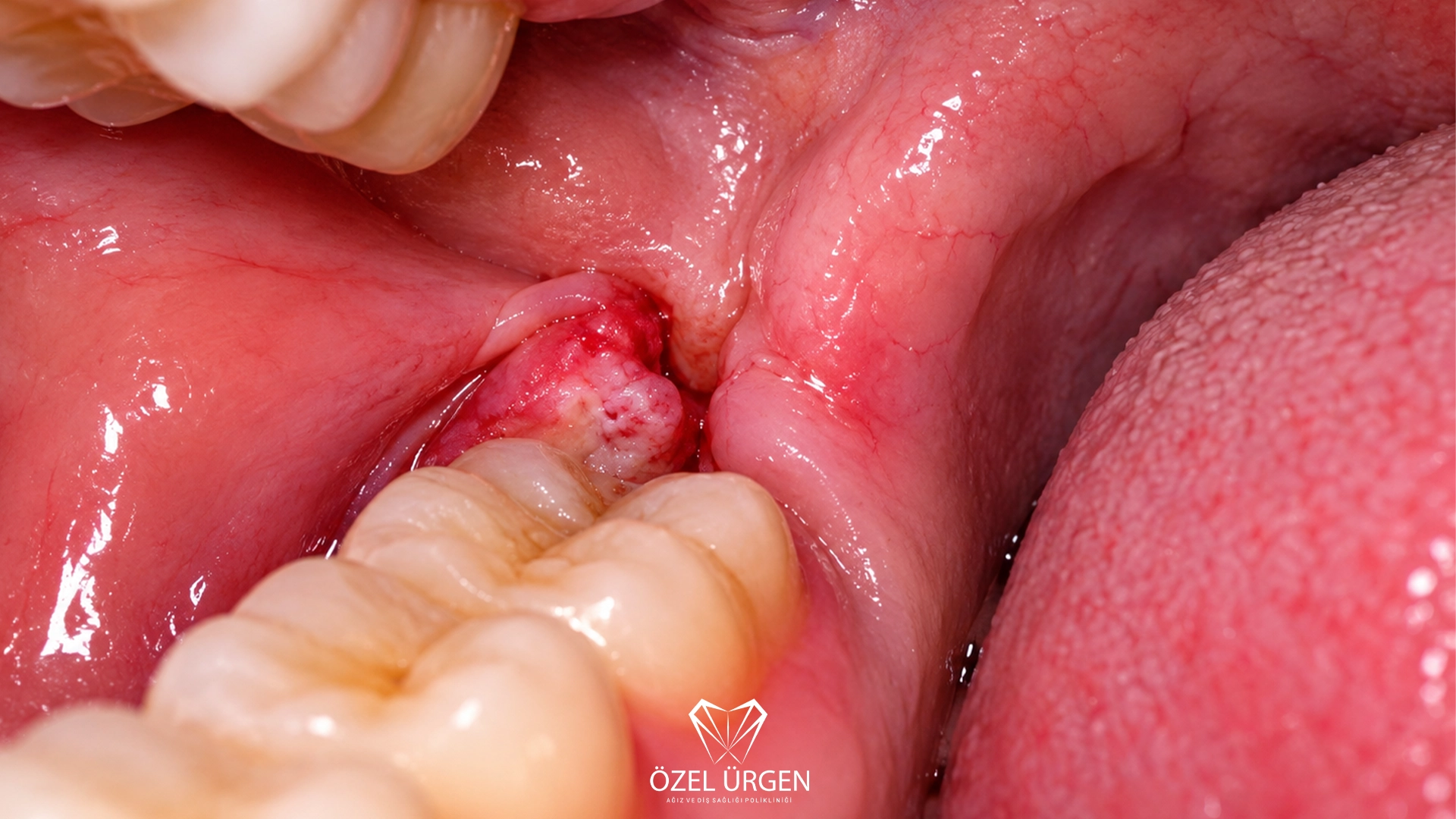
A white or pale-yellow layer may become visible inside the extraction socket several days after tooth removal.
This appearance may be associated with fibrin and developing healing tissue.
Not every white layer within the extraction site indicates an infection.
Patients should avoid scratching, removing, or attempting to clean this tissue directly, as doing so may interfere with healing.
However, if the white layer is accompanied by severe pain, increasing swelling, unpleasant discharge, or fever, a dental examination may be necessary.
When Can You Return to Work After Wisdom Tooth Extraction?
The time required before returning to work depends on the complexity of the extraction and the nature of the patient’s occupation.
Patients undergoing a straightforward extraction may be able to return to light daily activities relatively quickly.
Following surgical removal of impacted wisdom teeth, additional rest may be necessary.
Individuals whose occupations involve heavy lifting, strenuous physical activity, or prolonged physical exertion may require a longer recovery period.
If sedation or general anaesthesia was used, patients should also follow specific instructions regarding driving, operating machinery, and returning to work.
Appropriate wisdom tooth extraction aftercare and sufficient rest may help support a gradual return to everyday activities.
Frequently Asked Questions About Wisdom Tooth Extraction Aftercare
How long does pain last after wisdom tooth extraction?
Pain generally becomes less noticeable within several days. However, discomfort may continue for longer following more complex surgical procedures.
How long does swelling last after wisdom tooth removal?
Swelling generally peaks around the second or third day and gradually decreases over the following days.
Can you drink coffee after wisdom tooth extraction?
Extremely hot coffee should be avoided during the initial recovery period. Cool or lukewarm coffee may be suitable once bleeding has stopped and local anaesthesia has worn off. Drinking straws should be avoided.
Can you drink tea after wisdom tooth removal?
Yes, lukewarm tea may be consumed once bleeding has been controlled. Extremely hot beverages should be avoided during the early stages of recovery.
Can you drink water after wisdom tooth extraction?
Yes. Once the gauze has been removed and swallowing is safe, patients can drink water carefully without using a straw.
When can you brush your teeth after wisdom tooth extraction?
Patients should generally avoid brushing directly over the extraction site during the first 24 hours. Other teeth should be cleaned carefully according to their dentist’s instructions.
Can you shower after wisdom tooth extraction?
A lukewarm shower is generally acceptable. Extremely hot showers, steam rooms, and saunas should be avoided during the initial recovery period.
When can you exercise after wisdom tooth extraction?
Strenuous exercise should generally be avoided for at least 24–48 hours. More complex surgical procedures may require a longer recovery period.
Do wisdom tooth extraction stitches dissolve naturally?
Some stitches are designed to dissolve naturally. Non-dissolvable stitches must be removed by a dental professional.
Is bad breath normal after wisdom tooth removal?
Temporary bad breath may occur during recovery. However, persistent bad breath accompanied by increasing pain or discharge should be evaluated by a dentist.
How long does it take for a wisdom tooth extraction hole to close?
The gum tissue may take several weeks to gradually close the extraction socket. Complete healing of the underlying bone generally takes longer.
When can you eat normally after wisdom tooth extraction?
Soft foods are generally recommended during the first few days. Patients can gradually return to normal eating habits as pain and swelling decrease.
Is ear pain normal after wisdom tooth extraction?
Pain may occasionally spread towards the ear. However, severe or worsening ear-related pain several days after extraction may indicate dry socket or another complication.
Can you eat yoghurt after wisdom tooth extraction?
Yes. Yoghurt is generally a suitable option because of its soft texture and minimal chewing requirements.
Can you drink alcohol after wisdom tooth extraction?
Alcohol should be avoided during the early stages of recovery. It may interfere with healing and interact with certain prescribed medications.
Can you use a straw after wisdom tooth extraction?
Using a straw should be avoided during the initial recovery period because suction may dislodge the blood clot protecting the extraction socket.
Can wisdom tooth extraction cause permanent numbness?
Persistent or permanent changes in sensation are possible but uncommon. Prolonged numbness should be assessed by a dental professional.
What is the most important part of wisdom tooth extraction aftercare?
Protecting the blood clot, maintaining appropriate oral hygiene, following dietary recommendations, and complying with your dentist’s postoperative instructions are essential aspects of recovery.
The Importance of Wisdom Tooth Extraction Aftercare at Ürgen Oral and Dental Health Clinic
Wisdom tooth extraction aftercare is an important part of supporting the body’s natural healing process following dental surgery.
Protecting the extraction site, maintaining appropriate oral hygiene, following suitable dietary habits, and complying with professional recommendations can help reduce avoidable postoperative complications.
Every patient’s dental anatomy, wisdom tooth position, general health, and healing response are different. For this reason, recovery periods and postoperative requirements may vary between individuals.
Particularly following the surgical removal of impacted wisdom teeth, appropriate postoperative care and professional follow-up are important for evaluating the healing process.
At Ürgen Oral and Dental Health Clinic, we emphasise the importance of individual clinical assessment, appropriate treatment planning, oral hygiene, and postoperative care in maintaining oral and dental health.
Monitoring recovery symptoms and obtaining professional evaluation when unexpected complications occur can help support long-term oral health.
Comments are closed