



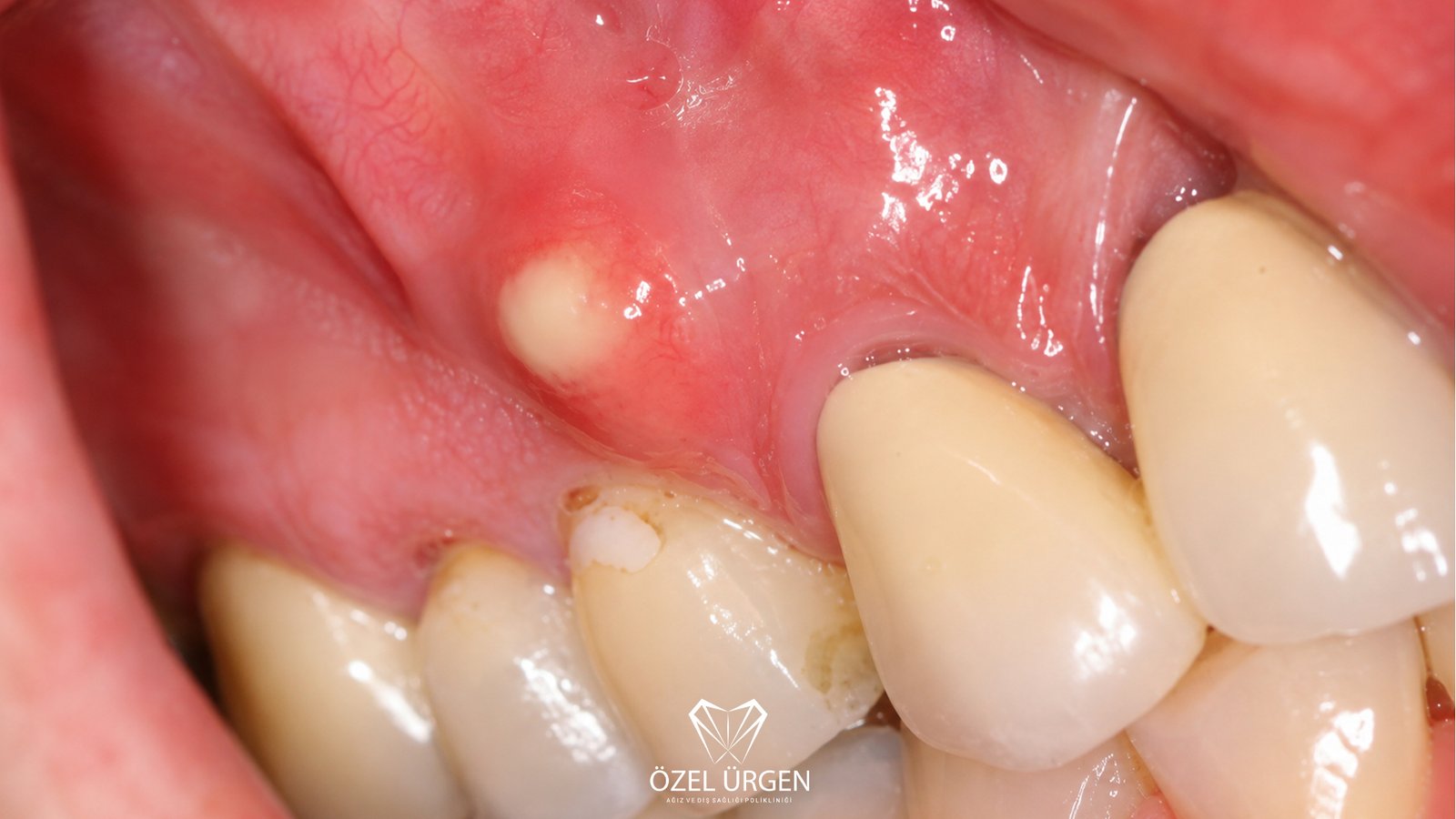
What is a Dental Abscess? Symptoms, Causes, and Treatment
A dental abscess is fundamentally an accumulation of pus resulting from a bacterial infection at the tip of a tooth root, in surrounding tissues, or within the gums. As a frequently encountered oral and dental health issue, it can lead to severe pain and noticeable swelling in the facial area, significantly affecting the quality of life if not treated early. This article provides comprehensive details on the general nature of a dental abscess, its formation mechanism, common symptoms, diagnostic methods, and professional treatment processes.
What Are the Types of Dental Abscesses?
A dental abscess does not occur in a single form; it is named based on the anatomical region where the infection originates. There are three main types classified in medical literature:
- Periapical Abscess: Occurs directly at the tip of the tooth root, usually when untreated deep decay reaches the inner part of the tooth (pulp).
- Periodontal Abscess: Begins in the bone and gum tissues supporting the tooth. It is often observed in the pockets surrounding the tooth as a result of advanced gum disease (periodontitis).
- Gingival Abscess: Develops only on the surface of the gum tissue and does not directly affect the tooth or its supporting structures. It mostly occurs when a hard food particle or foreign object gets lodged in the gums.
What Causes a Dental Abscess?
The oral flora naturally hosts many different types of bacteria. When the healthy structure of teeth and gum tissues is compromised, these bacteria can penetrate deeper layers, paving the way for a dental infection. The answer to “what causes a dental abscess?” is closely related to untreated oral health problems. The primary causes and factors include:
- Deep Tooth Decay: Untreated cavities eventually breach the hard enamel layer and reach the inner area where nerves and blood vessels are located, starting a bacterial infection.
- Advanced Gum Disease: Inflamed and receding gums create spaces for bacteria to easily advance toward the tooth root.
- Dental Trauma: Cracks, fractures in the tooth enamel, or severe physical blows to the tooth can allow bacteria to seep into the inner parts.
- Poor Oral Hygiene: Neglecting regular brushing and flossing increases plaque and tartar buildup, maximizing the risk of infection.
- Risk-Increasing Factors: Various general health conditions that weaken the immune system are not a direct cause but significantly increase the risk of abscess development by lowering the body’s resistance to infections.
Common Dental Abscess Symptoms
When the body detects an infection, its natural defense mechanisms are triggered. During this process, dental abscess symptoms manifest in various ways. Although the severity varies from case to case, the most common symptoms include:
- Severe, throbbing toothache that is constant and may radiate to the neck, lower jaw, or ear.
- Sudden, prolonged sensitivity to hot and cold foods or beverages.
- A sharp pain and pressure felt in the tooth during chewing or biting.
- Noticeable swelling in the face, cheek, or neck area.
- Pronounced swollen gums, redness, shininess, and intense tenderness around the affected tooth.
- A sudden bad breath and an unpleasant, salty taste in the mouth if the abscess ruptures or leaks spontaneously.
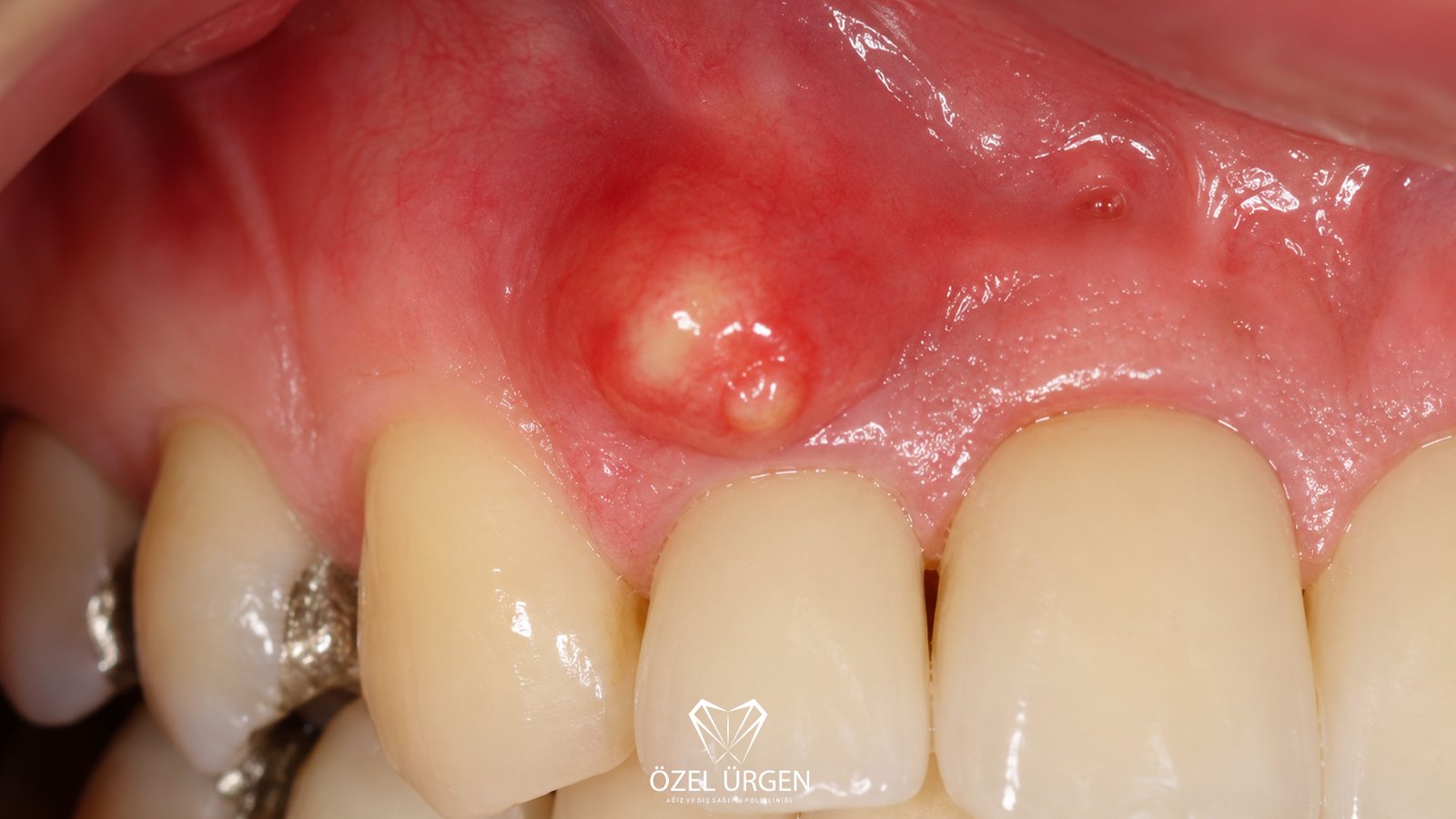
When is a Dental Abscess an Emergency?
Due to its nature, a dental abscess requires prompt evaluation by a health professional. In some advanced cases, however, the infection may not remain localized and can spread to surrounding tissues, deep neck spaces, or the bloodstream. If any of the following symptoms are observed, the situation requires emergency medical intervention:
- Rapidly increasing and spreading swelling in the face, under the jaw, or neck area.
- Difficulty swallowing or breathing.
- Systemic symptoms such as high fever, fatigue, and chills.
- Swelling and tenderness spreading toward the eye area.
These symptoms indicate that the infection is spreading to a wider area, and it is critically important for the patient to receive professional medical evaluation without delay.
How is a Dental Abscess Diagnosed?
For a healthy and accurate treatment plan, a definitive diagnosis must first be made by a dentist. After listening to the patient’s complaints and medical history, a specialist dentist performs a comprehensive clinical examination.
However, radiological imaging methods, such as periapical or panoramic X-rays, are absolutely necessary to fully analyze the extent of the infection in unseen areas (at the root tip), whether it has spread to the jawbone, and how much it has affected neighboring teeth.
How is Dental Abscess Treatment Planned?
One of the first questions people facing this disease ask is “how to get rid of a dental abscess?“. A common misconception is that dental abscesses can be completely cured just by using medication. In reality, the main goal in dental abscess treatment is to eliminate the physical source of the infection and drain the accumulated pus. The treatment method is specially planned by the dentist based on the type of infection, the extent of tissue damage, and whether the tooth can be saved.
- Drainage of the Abscess: The dentist makes a small incision on the abscess or gum to carefully drain the accumulated pus. This relieves the pressure and provides significant comfort to the patient.
- Root Canal Treatment (Endodontics): If the infection has reached the pulp tissue, the diseased tissues are removed, root canals are disinfected, and sealed with filling materials, allowing the tooth to continue functioning in the mouth.
- Tooth Extraction: If the infection has caused irreparable damage to the tooth structure or root canal treatment is not viable, the diseased tooth may need to be extracted to stop the infection from spreading to the bone.
- Medical Drug Support: Antibiotic treatment can be planned by the dentist when necessary. Antibiotics are prescribed as a supportive measure when the infection has spread to surrounding tissues or the immune system needs backing. They do not permanently cure the abscess on their own and should not be used unless recommended by a doctor.
About Temporary At-Home Methods
When pain intensifies, patients often turn to natural at-home methods (such as rinsing with warm salt water or applying cold compresses from the outside). However, it must be remembered that such practices only provide temporary relief. At-home methods do not offer a definitive cure; a dentist’s evaluation is essential for the tissues to regain their health.
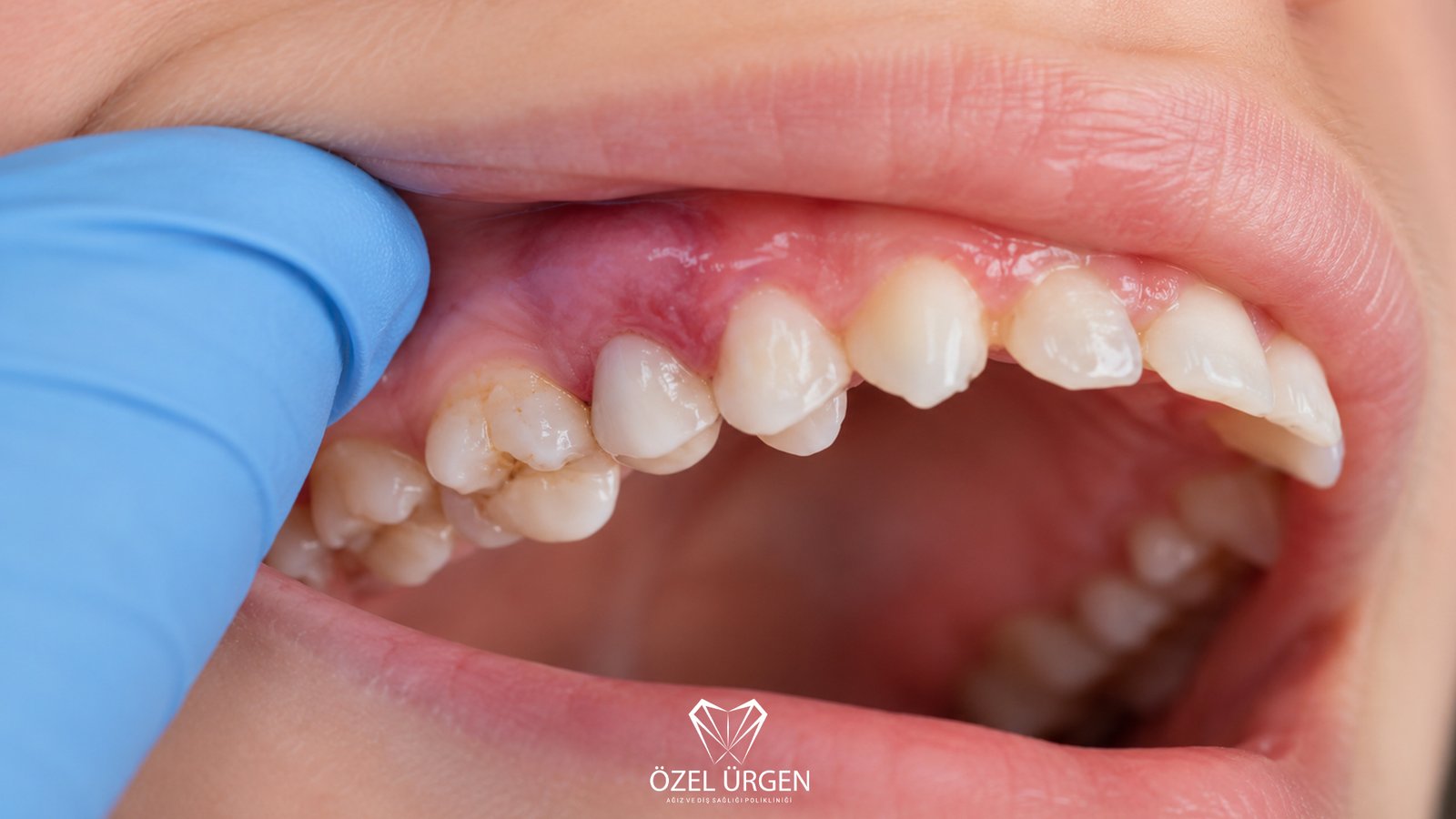
Does a Dental Abscess Heal on Its Own?
The answer to this frequently asked question is clear: a dental abscess does not heal on its own. The pain may occasionally subside, or the abscess may rupture and drain into the mouth. While this drainage temporarily stops the pain by suddenly reducing the pressure, the infection remains. Unless the source of the inflammation is clinically cleaned, the disease progresses insidiously and can cause much greater, hard-to-repair damage to the jawbone or surrounding tissues in the future.
What Can Be Done to Prevent a Dental Abscess?
Protecting oral and dental health is the most practical and reliable way to minimize potential infection and abscess risks. Preventive steps include:
- Brushing teeth at least twice a day with fluoride toothpaste and a soft-to-medium bristle brush using the correct technique.
- Incorporating dental floss or interdental brushes into the daily hygiene routine for areas the toothbrush bristles cannot reach.
- Balancing and limiting the consumption of high-sugar and acidic foods and beverages.
- Replacing the toothbrush every three to four months (when the bristles fray).
- Not neglecting regular dental check-ups (routinely every 6 months) to diagnose and treat potential early cavities and gum problems.
Frequently Asked Questions (FAQs)
Does a dental abscess heal on its own?
No, a dental abscess does not heal on its own without medical intervention. Even if the pain subsides periodically, the infection can continue to progress within the jawbone.
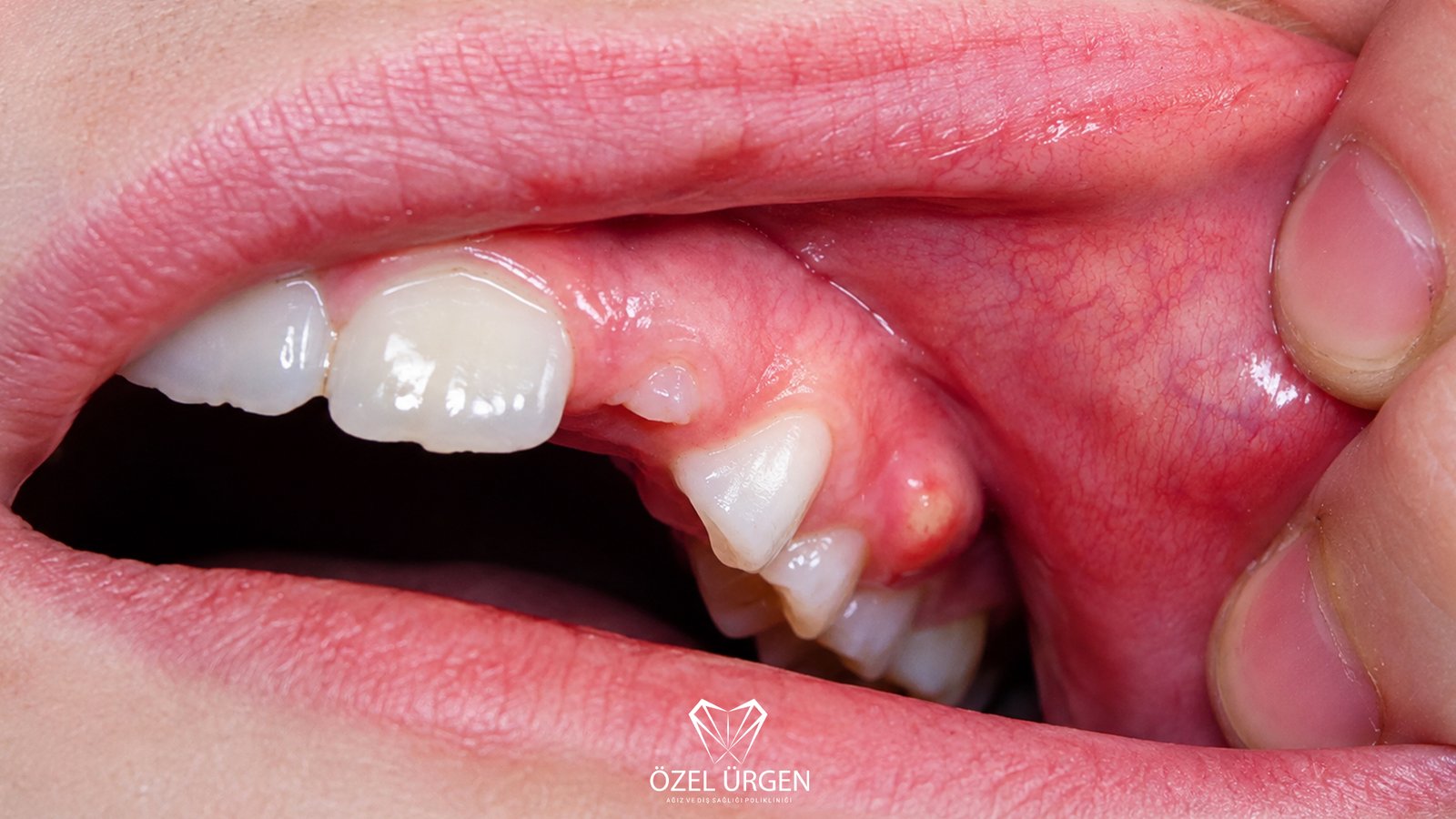
What happens if a dental abscess pops?
When the abscess tissue ruptures, the accumulated pus drains into the mouth. This usually leads to a sudden relief in pain, accompanied by bad breath and an unpleasant taste. A decrease in pain does not mean recovery; the source of the infection must be cleaned by a dentist in a clinical setting.
Does a dental abscess heal with antibiotics?
Antibiotics alone cannot eliminate the main source of the abscess (the decayed tooth or diseased gum tissue). They are prescribed by a dentist as a supportive treatment only when necessary to stop and control the spread of the infection. The primary treatment is drainage, root canal treatment, or tooth extraction depending on the situation.
Why does a dental abscess cause swelling?
As a result of a bacterial infection, pus—formed by the combination of dead tissues, bacteria, and defense cells—gets trapped in a closed anatomical space, causing pressure. This fluid accumulation and the body’s natural response to inflammation manifest as a noticeable swelling from the outside.
Does a dental abscess recur?
If the underlying factor (such as deep decay or untreated gum disease) is not completely eliminated, or if the person’s oral hygiene remains inadequate, a dental abscess can recur in the same tooth or a different part of the mouth.
When does a dental abscess become dangerous?
It becomes dangerous when the infection leaves its confined area and enters the bloodstream, spreading to the face, neck, and other vital regions. If the patient develops difficulty breathing or swallowing, an unexplained high fever, and a widespread, rapidly growing swelling on the face, the situation is serious and requires emergency medical intervention.
Comments are closed